Mitzvah —
197
Not to eat bread from new grain before the Omer

This page is incomplete.
Help complete the
Mitzvah Minute website.

Do a Mitzvah — Join us in building a living digital Beit Midrash — your partnership makes it possible.
-
וְלֶ֩חֶם֩ וְקָלִ֨י וְכַרְמֶ֜ל לֹ֣א תֹֽאכְל֗וּ עַד־עֶ֙צֶם֙ הַיּ֣וֹם הַזֶּ֔ה עַ֚ד הֲבִ֣יאֲכֶ֔ם אֶת־קׇרְבַּ֖ן אֱלֹקֵיכֶ֑ם חֻקַּ֤ת עוֹלָם֙ לְדֹרֹ֣תֵיכֶ֔ם בְּכֹ֖ל מֹשְׁבֹֽתֵיכֶֽם׃ - פָּרָשַׁת אֱמוֹר
-
Leviticus 23:14 - "You shall not eat bread or [flour made from] parched grain or fresh grain, until this very day, until you bring your G-d's sacrifice. [This is] an eternal statute throughout your generations in all your dwelling places."
This Mitzvah's Summary
מִצְוָה עֲשֵׂה - Positive Commandment
מִצְוָה לֹא תַעֲשֶׂה - Negative Commandment
Agriculture – חַקְלָאוּת
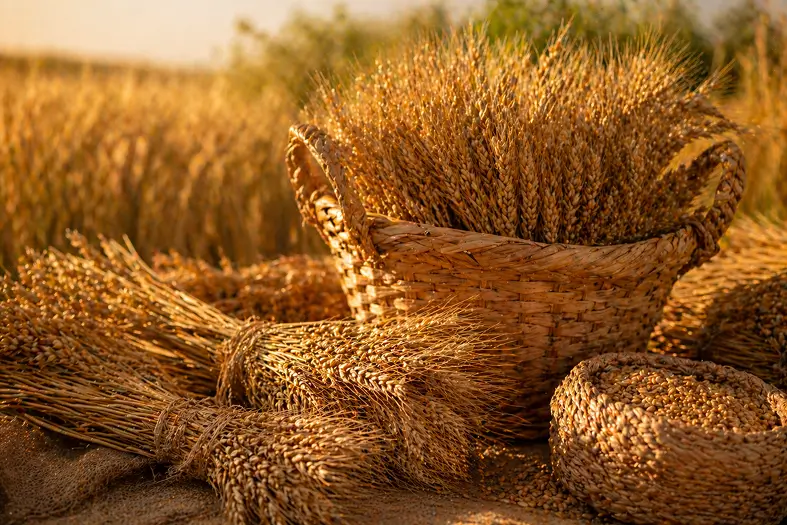
Forbidden to eat bread from the new grain crop before the Omer offering is brought.
This mitzvah prohibits eating bread baked from the new grain (chadash) before the Omer offering is brought on the 16th of Nissan. The Torah restricts the consumption of grain from the new harvest until it is sanctified by the communal Omer offering in the Temple. Today, when the Temple no longer stands, this prohibition remains in effect, and the new grain may not be eaten until the night following the 16th of Nissan. The mitzvah teaches reverence for Hashem’s gifts, acknowledging Him before benefiting from the year’s produce.
Commentary & Classical Explanation:
- Rambam (Hilchot Ma’achalot Asurot 10:2): Prohibits eating bread from new grain until the Omer offering, even outside the Land of Israel.
- Sefer HaChinuch (Mitzvah 303): The root is to train Israel to honor Hashem as the source of sustenance before enjoying the fruits of the earth.
- Talmud (Menachot 68b): Explains that the prohibition applies to bread, parched grain, and fresh kernels alike until the Omer is brought.
Commentaries
(Source: Chabad.org)









.webp)




