2.2 — Judges as Agents of the Divine
In several places in Parshas Mishpatim, the Torah refers to judges with a surprising term:
וְהִגִּישׁוֹ אֲדֹנָיו אֶל הָאֱלֹהִים
“His master shall bring him to the judges.” (Shemos 21:6)
Similarly:
עַד הָאֱלֹקִים יָבֹא דְּבַר שְׁנֵיהֶם
“The case of both parties shall come before the judges.” (Shemos 22:8)
The word “אֱלֹקִים” ordinarily refers to Hashem. Yet here it clearly refers to human judges. Why would the Torah use a Divine name for a human institution?
The Ramban explains that this language is deliberate and profound. It teaches that when judges rule according to Torah, they are not merely resolving disputes. They are acting as agents of the Divine will. The court becomes the place where the justice of Hashem enters human society.
The Ramban consistently emphasizes that the civil laws of Mishpatim are not secular regulations. They are extensions of the covenant at Sinai. Justice is not an independent human construct. It is the application of Divine truth to human life.
When the Torah calls judges “אֱלֹהִים,” it is not elevating them personally. It is elevating their function. The judge does not speak in his own name. He speaks in the name of Torah.
In this sense, the courtroom represents something far greater than a human institution. It is the place where the Divine standard of justice is translated into human reality. The judge becomes a conduit for that standard, revealing the truth of the Torah through careful reasoning and faithful judgment.
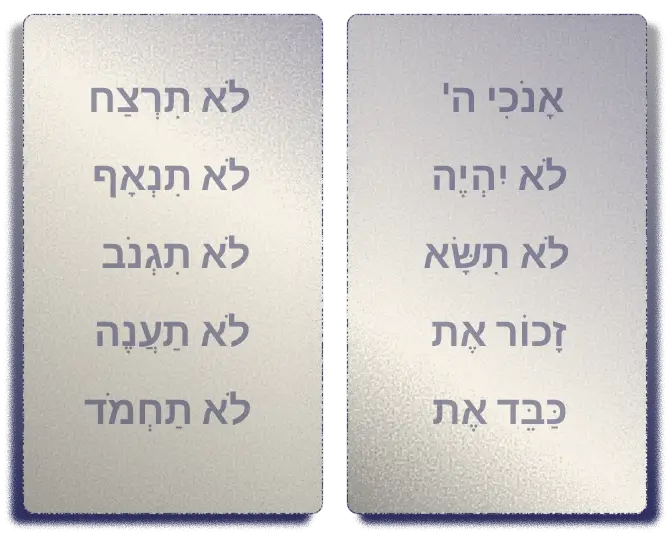
The Ramban’s broader vision of Mishpatim is that the entire legal system is a continuation of Sinai. The moral truths of the Aseres HaDibros become the legal structures of society. Courts, damages, servitude, and responsibility all express the covenant in daily life.
Within this framework, the judge holds a sacred role. He is not a political authority or an instrument of the state. He is a servant of the covenant, entrusted with the responsibility of bringing Divine justice into human society.
His duty is not to:
His only loyalty is to the truth of the Torah. When he rules faithfully, he becomes a living instrument of Divine justice. This is why the Torah calls him “אֱלֹהִים.”
If a judge is an agent of the Divine will, then judgment carries enormous moral weight. A mistaken or corrupt ruling is not only a social failure. It is a distortion of the covenant itself.
Every legal decision stands before Hashem. The courtroom is not morally neutral space. It is a place of accountability before the Divine presence.
A just ruling does more than resolve a case. It affirms the covenant.
An unjust ruling does more than harm a litigant. It obscures the Divine image within society.
This awareness transforms the entire concept of judgment. Law is not merely technical. It is spiritual.
At Sinai, the people heard the voice of Hashem directly. That moment of revelation was overwhelming and unforgettable. But a nation cannot live permanently at the foot of the mountain.
The Torah therefore translates revelation into law. The voice of Hashem becomes the structure of justice.
When judges rule according to Torah:
The use of the word “אֱלֹהִים” for judges reminds us that revelation did not end at Sinai. It continues wherever justice is done according to Torah.
The Ramban’s vision of Mishpatim is that holiness is not confined to the mountain or the Mikdash. It exists wherever the Torah governs human relationships.
Justice prevents exploitation. Responsibility restrains power. Courts create trust. Law protects dignity. Through these structures, the covenant becomes visible in everyday life.
In this vision, the courtroom becomes one of the primary places where the covenant is lived. It is the space where the Divine will shapes human interaction.
When a judge rules truthfully, the presence of Hashem rests in that moment of justice.
Most people are not judges in a formal court. Yet every person makes decisions that affect others: in business, in family life, in leadership, and in daily interactions.
The message of this teaching is that every decision carries moral weight. When we act with fairness, honesty, and responsibility, we become agents of the Divine will in our own spheres.
In practical terms, this means approaching decisions with:
When we take decisions seriously, justice becomes part of our avodas Hashem.
The Torah calls judges “אֱלֹהִים” to teach that human choices can reflect Divine truth.
Every act of honest judgment becomes a small continuation of Sinai.
📖 Sources


2.2 — Judges as Agents of the Divine
In several places in Parshas Mishpatim, the Torah refers to judges with a surprising term:
וְהִגִּישׁוֹ אֲדֹנָיו אֶל הָאֱלֹהִים
“His master shall bring him to the judges.” (Shemos 21:6)
Similarly:
עַד הָאֱלֹקִים יָבֹא דְּבַר שְׁנֵיהֶם
“The case of both parties shall come before the judges.” (Shemos 22:8)
The word “אֱלֹקִים” ordinarily refers to Hashem. Yet here it clearly refers to human judges. Why would the Torah use a Divine name for a human institution?
The Ramban explains that this language is deliberate and profound. It teaches that when judges rule according to Torah, they are not merely resolving disputes. They are acting as agents of the Divine will. The court becomes the place where the justice of Hashem enters human society.
The Ramban consistently emphasizes that the civil laws of Mishpatim are not secular regulations. They are extensions of the covenant at Sinai. Justice is not an independent human construct. It is the application of Divine truth to human life.
When the Torah calls judges “אֱלֹהִים,” it is not elevating them personally. It is elevating their function. The judge does not speak in his own name. He speaks in the name of Torah.
In this sense, the courtroom represents something far greater than a human institution. It is the place where the Divine standard of justice is translated into human reality. The judge becomes a conduit for that standard, revealing the truth of the Torah through careful reasoning and faithful judgment.
The Ramban’s broader vision of Mishpatim is that the entire legal system is a continuation of Sinai. The moral truths of the Aseres HaDibros become the legal structures of society. Courts, damages, servitude, and responsibility all express the covenant in daily life.
Within this framework, the judge holds a sacred role. He is not a political authority or an instrument of the state. He is a servant of the covenant, entrusted with the responsibility of bringing Divine justice into human society.
His duty is not to:
His only loyalty is to the truth of the Torah. When he rules faithfully, he becomes a living instrument of Divine justice. This is why the Torah calls him “אֱלֹהִים.”
If a judge is an agent of the Divine will, then judgment carries enormous moral weight. A mistaken or corrupt ruling is not only a social failure. It is a distortion of the covenant itself.
Every legal decision stands before Hashem. The courtroom is not morally neutral space. It is a place of accountability before the Divine presence.
A just ruling does more than resolve a case. It affirms the covenant.
An unjust ruling does more than harm a litigant. It obscures the Divine image within society.
This awareness transforms the entire concept of judgment. Law is not merely technical. It is spiritual.
At Sinai, the people heard the voice of Hashem directly. That moment of revelation was overwhelming and unforgettable. But a nation cannot live permanently at the foot of the mountain.
The Torah therefore translates revelation into law. The voice of Hashem becomes the structure of justice.
When judges rule according to Torah:
The use of the word “אֱלֹהִים” for judges reminds us that revelation did not end at Sinai. It continues wherever justice is done according to Torah.
The Ramban’s vision of Mishpatim is that holiness is not confined to the mountain or the Mikdash. It exists wherever the Torah governs human relationships.
Justice prevents exploitation. Responsibility restrains power. Courts create trust. Law protects dignity. Through these structures, the covenant becomes visible in everyday life.
In this vision, the courtroom becomes one of the primary places where the covenant is lived. It is the space where the Divine will shapes human interaction.
When a judge rules truthfully, the presence of Hashem rests in that moment of justice.
Most people are not judges in a formal court. Yet every person makes decisions that affect others: in business, in family life, in leadership, and in daily interactions.
The message of this teaching is that every decision carries moral weight. When we act with fairness, honesty, and responsibility, we become agents of the Divine will in our own spheres.
In practical terms, this means approaching decisions with:
When we take decisions seriously, justice becomes part of our avodas Hashem.
The Torah calls judges “אֱלֹהִים” to teach that human choices can reflect Divine truth.
Every act of honest judgment becomes a small continuation of Sinai.
📖 Sources


שֹׁפְטִים וְשֹׁטְרִים תִּתֶּן לְךָ בְּכָל שְׁעָרֶיךָ
The Torah commands the establishment of courts to administer justice according to Divine law. Judges serve as agents of the covenant, ensuring that society reflects the justice of the Torah.
בְּצֶדֶק תִּשְׁפֹּט עֲמִיתֶךָ
Judges must rule according to truth and righteousness. Their decisions are not personal opinions but expressions of the Divine standard of justice.
לֹא תֶהְדַּר פְּנֵי גָדוֹל
A judge may not favor the powerful. The courtroom must reflect Divine truth rather than human status or influence.
וְלֹא תֶהְדַּר פְּנֵי דָל
Even compassion cannot distort justice. A judge must rule according to truth alone, ensuring that the court remains a place of objective Divine law.


“Judges as Agents of the Divine”
Parshas Mishpatim presents the legal structures that follow the revelation at Sinai. The Torah refers to judges as “אֱלֹקִים,” teaching that the court represents Divine authority. Through truthful judgment, the covenant becomes a lived reality, and the presence of Hashem enters the daily functioning of society.

Dive into mitzvos, tefillah, and Torah study—each section curated to help you learn, reflect, and live with intention. New insights are added regularly, creating an evolving space for spiritual growth.

Explore the 613 mitzvos and uncover the meaning behind each one. Discover practical ways to integrate them into your daily life with insights, sources, and guided reflection.

Learn the structure, depth, and spiritual intent behind Jewish prayer. Dive into morning blessings, Shema, Amidah, and more—with tools to enrich your daily connection.

Each week’s parsha offers timeless wisdom and modern relevance. Explore summaries, key themes, and mitzvah connections to deepen your understanding of the Torah cycle.