98

To rest on the seventh day of Passover

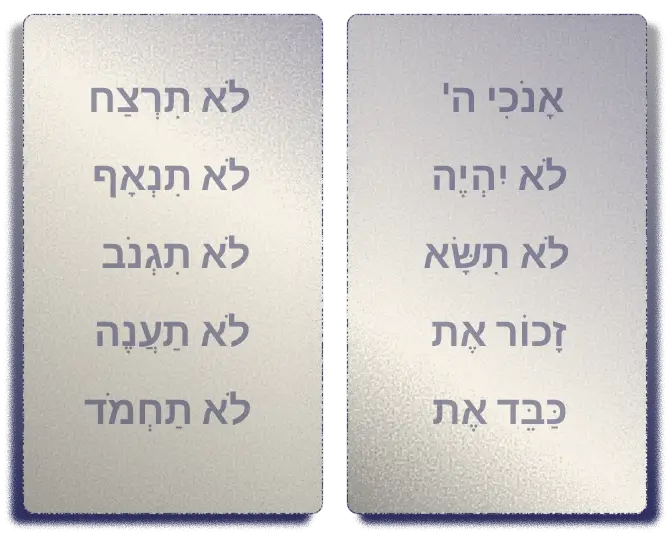
The Luchos - Ten Commandments

This page is incomplete.
Help complete the
Mitzvah Minute website.
Mitzvah Minute Logo Icon
-
וּבַיּ֤וֹם הָרִאשׁוֹן֙ מִקְרָא־קֹ֔דֶשׁ וּבַיּוֹם֙ הַשְּׁבִיעִ֔י מִקְרָא־קֹ֖דֶשׁ יִהְיֶ֣ה לָכֶ֑ם כׇּל־מְלָאכָה֙ לֹא־יֵעָשֶׂ֣ה בָהֶ֔ם אַ֚ךְ אֲשֶׁ֣ר יֵאָכֵ֣ל לְכׇל־נֶ֔פֶשׁ ה֥וּא לְבַדּ֖וֹ יֵעָשֶׂ֥ה לָכֶֽם׃ - פָּרָשַׁת בֹּא
-
Exodus 12:16 - "And on the first day there shall be a holy convocation, and on the seventh day you shall have a holy convocation; no work may be performed on them, but what is eaten by any soul that alone may be performed for you."
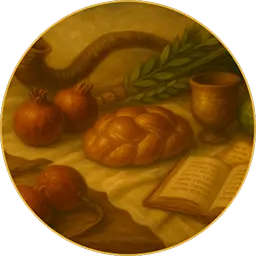
Pesach Seder Table

This Mitzvah's Summary

מִצְוָה עֲשֵׂה - Positive Commandment
מִצְוָה לֹא תַעֲשֶׂה - Negative Commandment
Holidays – חֲגִים

We are commanded to rest on the 21st of Nissan, the Seventh Day of Passover, by abstaining from any creative work, with the exception of work needed for food purposes.

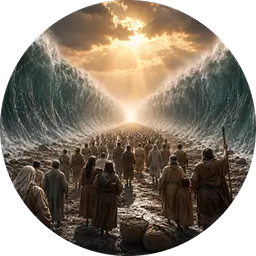
This mitzvah commands that the seventh day of Passover be treated as a sacred day of rest, like the first day of the festival. It commemorates the splitting of the Red Sea and Israel’s complete deliverance from Egypt. On this day, Jews refrain from ordinary work, focusing instead on the miracles of redemption and praising Hashem for His salvation. Food-related labor is permitted to honor the joy of the festival.

Commentary & Classical Explanation:

  • Rambam (Hilchot Yom Tov 6:1): Rules that the seventh day of Pesach has equal sanctity to the first, requiring rest from labor.
  • Sefer HaChinuch (Mitzvah 324): The root is to honor Hashem’s miracles in bringing us from slavery to freedom, with the climax at the Red Sea.
  • Talmud (Megillah 31a): Identifies the Torah reading for this day as the Shirat HaYam (Song at the Sea), emphasizing its theme of redemption.

Commentaries

(Source: Chabad.org)

Applying this Mitzvah Today

This Mitzvah's Divrei Torah

"Pesach — The Architecture of Geulah: From Da’as to Revelation"

Conclusion — From Knowledge to Living Revelation

3 - min read

Conclusion — From Knowledge to Living Revelation

A Sefer Torah
Read
March 30, 2026

"Pesach — The Architecture of Geulah: From Da’as to Revelation"

Part VI — שביעי של פסח: גאולה דרך אמונה ומסירות נפש (Redemption Through Emunah and Mesirus Nefesh)

4 - min read

Part VI — שביעי של פסח: גאולה דרך אמונה ומסירות נפש (Redemption Through Emunah and Mesirus Nefesh)

A Sefer Torah
Read
March 30, 2026

"Pesach — The Architecture of Geulah: From Da’as to Revelation"

Part V — חירות בתוך הטבע (Freedom Within Nature, Not Escape From It)

4 - min read

Part V — חירות בתוך הטבע (Freedom Within Nature, Not Escape From It)

A Sefer Torah
Read
March 30, 2026

"Pesach — The Architecture of Geulah: From Da’as to Revelation"

Part IV — מצה and the Defeat of גסות (Matzah as the Removal of Self-Inflation)

4 - min read

Part IV — מצה and the Defeat of גסות (Matzah as the Removal of Self-Inflation)

A Sefer Torah
Read
March 30, 2026

"Pesach — The Architecture of Geulah: From Da’as to Revelation"

Part III — סיפור יציאת מצרים as בירור וגילוי (Sippur as Clarification and Revelation)

4 - min read

Part III — סיפור יציאת מצרים as בירור וגילוי (Sippur as Clarification and Revelation)

A Sefer Torah
Read
March 30, 2026

Mitzvah Fundamentals

Mitzvah Minute Logo Icon
The core middos and foundational principles expressed through this mitzvah.

Notes on this Mitzvah's Fundamentals

This Mitzvah's Fundamental Badges

Holidays - חַגִּים

Information Icon

Mitzvot related to the Jewish festivals — their observance, rituals, prohibitions, and spiritual significance. This includes Torah-commanded holidays like Pesach, Shavuot, and Sukkot, as well as rabbinic celebrations such as Purim and Chanukah.

View Badge →

Faith - אֱמוּנָה

Information Icon

Represents Emunah—the deep, inner trust in Hashem’s presence, oneness, and constant involvement in our lives. This badge symbolizes a heartfelt connection to G-d, rooted in belief even when we cannot see. It is the emotional and spiritual core of many mitzvot.

View Badge →

Holiness - קְדֻשָּׁה

Information Icon

Represents the concept of  spiritual intentionality, purity, and sanctity—set apart for a higher purpose.

View Badge →

Community – קְהִלָּה

Information Icon

Mitzvot that strengthen communal life — showing up, participating, supporting, and belonging. Community is where holiness is shared, prayers are multiplied, and responsibility becomes collective.

View Badge →

Reverence - יִרְאַת שָׁמַיִם

Information Icon

Signifies awe and reverence toward Hashem—living with awareness of His greatness and presence.

View Badge →

Between a person and G-d - בֵּין אָדָם לְמָקוֹם

Information Icon

Mitzvot that define and deepen the relationship between a person and their Creator. These include commandments involving belief, prayer, Shabbat, festivals, sacrifices, and personal holiness — expressions of devotion rooted in divine connection.

View Badge →
Mitzvah Minute
Mitzvah Minute Logo

Learn more.

Dive into mitzvos, prayer, and Torah study—each section curated to help you learn, reflect, and live with intention. New insights are added regularly, creating an evolving space for spiritual growth.

Luchos
Live a commandment-driven life

Mitzvah

Explore the 613 mitzvos and uncover the meaning behind each one. Discover practical ways to integrate them into your daily life with insights, sources, and guided reflection.

Learn more

Mitzvah #

86

To circumcise all males on the eighth day after their birth
The Luchos - Ten Commandments
Learn this Mitzvah

Mitzvah Highlight

Siddur
Connection through Davening

Tefillah

Learn the structure, depth, and spiritual intent behind Jewish prayer. Dive into morning blessings, Shema, Amidah, and more—with tools to enrich your daily connection.

Learn more

Tefillah

COMING SOON.
A Siddur
Learn this Tefillah

Tefillah Focus

A Sefer Torah
Study the weekly Torah portion

Parsha

Each week’s parsha offers timeless wisdom and modern relevance. Explore summaries, key themes, and mitzvah connections to deepen your understanding of the Torah cycle.

Learn more

מְצֹרָע – Metzora

Haftarah: Kings II 7:3-20
A Sefer Torah
Learn this Parsha

Weekly Parsha