Shemos — Ramban and the True Meaning of Exile: When Redemption Requires the Return of the Shechinah
Parshas Shemos is often read as the story of physical enslavement and political liberation. Israel is oppressed, Moshe is sent, Pharaoh is destined to be defeated, and the nation is freed. Yet Ramban insists that this framing is incomplete.
According to Ramban, exile is not defined by suffering alone, and redemption is not achieved merely by escape from tyranny. A people can leave Egypt and still remain in galus.
True geulah, Ramban teaches, begins only when the Shechinah returns to dwell openly among Israel.
This claim reframes the entire parsha. Shemos is not only the beginning of liberation; it is the opening chapter of a longer process whose endpoint lies not at the sea, nor even at Sinai, but in the restoration of Divine presence within the life of the nation.
Ramban’s formulation is both radical and precise:
Exile is the withdrawal of revealed Divine presence from among the people.
Slavery is an expression of exile, but not its essence. Political domination is a symptom, not the disease. The true rupture occurs when the relationship between Hashem and Israel is no longer experienced as immediate, guiding, and indwelling.
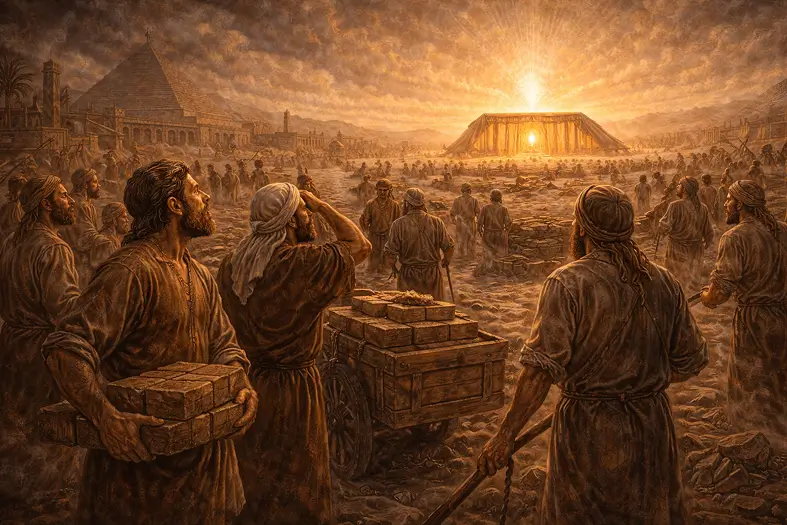
This is why Ramban repeatedly emphasizes that redemption remains incomplete until the Mishkan is built. Only when the Shechinah rests among Israel does the Exodus reach its conclusion.
Seen through this lens, Parshas Shemos is not simply about oppression and rescue. It is about distance — the painful gap between Hashem and His people, and the slow, deliberate work required to close it.
This explains a striking feature of the Torah’s narrative. Even after the plagues, even after the Exodus, the Torah does not declare redemption complete. The journey continues through the wilderness, through Sinai, through covenant, and only later through dwelling.
Ramban teaches that freedom without Divine presence is fragile. A nation may be unshackled and yet spiritually disoriented. Without the Shechinah, autonomy risks becoming abandonment rather than dignity.
Thus, Shemos begins a movement that is not merely outward — away from Pharaoh — but inward, toward restored relationship.
The question is not only Who rules you?
It is Who dwells with you?
Moshe Rabbeinu’s role takes on deeper meaning in Ramban’s framework.
Moshe is not sent merely as a liberator or lawgiver. He is the one tasked with reopening the channel of presence. His encounters, hesitations, and dialogues with Hashem reflect the difficulty of restoring intimacy after distance.
The Burning Bush already signals this shift. Hashem reveals Himself not in thunder or spectacle, but within affliction — present, yet concealed. This is the first step toward return.
Moshe’s leadership is therefore measured not by military success or political negotiation, but by his capacity to shepherd a people back into a relationship of indwelling.
Ramban’s great contribution is architectural. Redemption is not a moment; it is a structure.
Shemos establishes the foundation:
Only later can the edifice be completed through dwelling, service, and sanctity.
This explains why the Torah invests so much space in the Mishkan. The return of the Shechinah is not symbolic flourish; it is the definition of geulah itself.
Without presence, history repeats exile in new forms.
Ramban’s teaching carries sobering implications. A people may regain land, language, or sovereignty and yet still struggle with exile if Divine presence is absent from collective consciousness.
Conversely, even in difficult conditions, moments of authentic relationship with Hashem can fracture exile from within.
Redemption, then, is not measured only by what is removed — oppression, enemies, fear — but by what is restored.
Parshas Shemos teaches that leaving Egypt is not the same as coming home.
According to Ramban, the Exodus is complete only when Hashem once again dwells among His people — guiding, sanctifying, and accompanying them through history.
Freedom creates the possibility of redemption.
Presence completes it.
And thus, Shemos begins not with triumph, but with the long, patient work of making space for the Shechinah to return.
📖 Sources


Shemos — Ramban and the True Meaning of Exile: When Redemption Requires the Return of the Shechinah
Parshas Shemos is often read as the story of physical enslavement and political liberation. Israel is oppressed, Moshe is sent, Pharaoh is destined to be defeated, and the nation is freed. Yet Ramban insists that this framing is incomplete.
According to Ramban, exile is not defined by suffering alone, and redemption is not achieved merely by escape from tyranny. A people can leave Egypt and still remain in galus.
True geulah, Ramban teaches, begins only when the Shechinah returns to dwell openly among Israel.
This claim reframes the entire parsha. Shemos is not only the beginning of liberation; it is the opening chapter of a longer process whose endpoint lies not at the sea, nor even at Sinai, but in the restoration of Divine presence within the life of the nation.
Ramban’s formulation is both radical and precise:
Exile is the withdrawal of revealed Divine presence from among the people.
Slavery is an expression of exile, but not its essence. Political domination is a symptom, not the disease. The true rupture occurs when the relationship between Hashem and Israel is no longer experienced as immediate, guiding, and indwelling.
This is why Ramban repeatedly emphasizes that redemption remains incomplete until the Mishkan is built. Only when the Shechinah rests among Israel does the Exodus reach its conclusion.
Seen through this lens, Parshas Shemos is not simply about oppression and rescue. It is about distance — the painful gap between Hashem and His people, and the slow, deliberate work required to close it.
This explains a striking feature of the Torah’s narrative. Even after the plagues, even after the Exodus, the Torah does not declare redemption complete. The journey continues through the wilderness, through Sinai, through covenant, and only later through dwelling.
Ramban teaches that freedom without Divine presence is fragile. A nation may be unshackled and yet spiritually disoriented. Without the Shechinah, autonomy risks becoming abandonment rather than dignity.
Thus, Shemos begins a movement that is not merely outward — away from Pharaoh — but inward, toward restored relationship.
The question is not only Who rules you?
It is Who dwells with you?
Moshe Rabbeinu’s role takes on deeper meaning in Ramban’s framework.
Moshe is not sent merely as a liberator or lawgiver. He is the one tasked with reopening the channel of presence. His encounters, hesitations, and dialogues with Hashem reflect the difficulty of restoring intimacy after distance.
The Burning Bush already signals this shift. Hashem reveals Himself not in thunder or spectacle, but within affliction — present, yet concealed. This is the first step toward return.
Moshe’s leadership is therefore measured not by military success or political negotiation, but by his capacity to shepherd a people back into a relationship of indwelling.
Ramban’s great contribution is architectural. Redemption is not a moment; it is a structure.
Shemos establishes the foundation:
Only later can the edifice be completed through dwelling, service, and sanctity.
This explains why the Torah invests so much space in the Mishkan. The return of the Shechinah is not symbolic flourish; it is the definition of geulah itself.
Without presence, history repeats exile in new forms.
Ramban’s teaching carries sobering implications. A people may regain land, language, or sovereignty and yet still struggle with exile if Divine presence is absent from collective consciousness.
Conversely, even in difficult conditions, moments of authentic relationship with Hashem can fracture exile from within.
Redemption, then, is not measured only by what is removed — oppression, enemies, fear — but by what is restored.
Parshas Shemos teaches that leaving Egypt is not the same as coming home.
According to Ramban, the Exodus is complete only when Hashem once again dwells among His people — guiding, sanctifying, and accompanying them through history.
Freedom creates the possibility of redemption.
Presence completes it.
And thus, Shemos begins not with triumph, but with the long, patient work of making space for the Shechinah to return.
📖 Sources


“Giants of Interpretation — Part I
Shemos — Ramban and the True Meaning of Exile: When Redemption Requires the Return of the Shechinah”
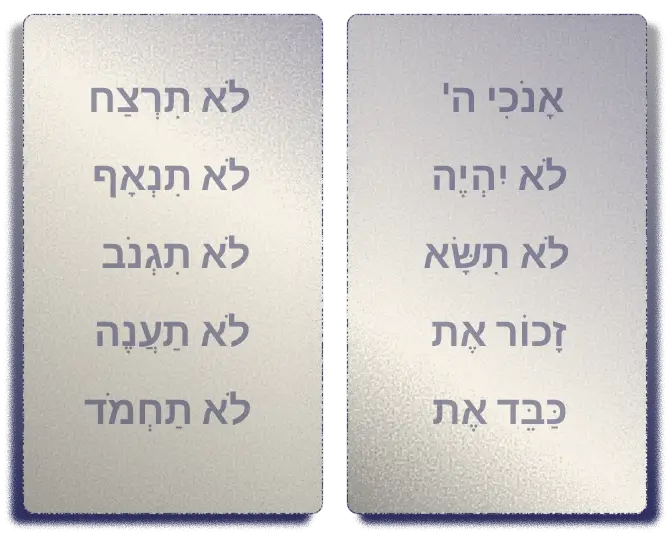
אָנֹכִי ה׳ אֱלֹקֶיךָ
Ramban’s understanding of exile reframes this mitzvah as the foundation of redemption itself. Knowledge of Hashem is not abstract belief but lived awareness of Divine presence within the national life of Israel. In Parshas Shemos, slavery reflects not only political subjugation but the concealment of that presence. The reemergence of prophecy at the Burning Bush marks the first step of geulah: restoring conscious relationship. Ramban teaches that redemption advances as da’at Elokim returns to lived experience, culminating only when Hashem once again dwells openly among His people. Thus, knowing Hashem is not merely the beginning of Sinai—it is the condition that transforms freedom into redemption.
וְהָלַכְתָּ בִּדְרָכָיו
Ramban’s architecture of redemption reveals that Hashem relates to Israel through presence, patience, and dwelling rather than sudden upheaval. Emulating His ways therefore means participating in the slow, deliberate work of restoring relationship. In Shemos, Moshe is not tasked only with extraction from Egypt, but with guiding a people toward renewed intimacy with Hashem. Leadership that mirrors Divine conduct does not rush redemption or mistake freedom for completion. This mitzvah frames geulah as a process shaped by responsibility, sanctity, and readiness for indwelling—walking in Hashem’s ways by making space for His presence to return.
וְעָשׂוּ לִי מִקְדָּשׁ וְשָׁכַנְתִּי בְּתוֹכָם
Although commanded later in the Torah, Ramban famously teaches that this mitzvah completes the Exodus narrative that begins in Shemos. The Sanctuary is not an ancillary commandment but the endpoint of redemption: the restoration of the Shechinah to dwell among Israel. Ramban understands the Mishkan as the reversal of exile itself, reestablishing the immediacy of Divine presence lost in Egypt. Parshas Shemos therefore initiates a redemptive arc whose fulfillment lies not in escape from Pharaoh, but in the return of Hashem to the center of Jewish life. Building a dwelling for the Shechinah transforms liberation into lasting geulah.


“Giants of Interpretation — Part I
Shemos — Ramban and the True Meaning of Exile: When Redemption Requires the Return of the Shechinah”
Parshas Shemos inaugurates redemption not through immediate liberation, but through the reawakening of Divine presence after a prolonged absence. Ramban explains that exile is not defined primarily by suffering or political subjugation, but by the withdrawal of the Shechinah from among Israel. Slavery in Egypt is therefore a manifestation of a deeper rupture: distance in relationship. The gradual reemergence of prophecy, beginning with the Burning Bush, signals the first stage of redemption—not escape, but reconnection. Even after the Exodus, Ramban maintains that geulah remains incomplete until Hashem once again dwells openly among His people, a process culminating only with the Mishkan. Shemos thus frames redemption as architectural rather than instantaneous: freedom creates the possibility of return, but only the restoration of Divine presence transforms liberation into true geulah.

Dive into mitzvos, tefillah, and Torah study—each section curated to help you learn, reflect, and live with intention. New insights are added regularly, creating an evolving space for spiritual growth.

Explore the 613 mitzvos and uncover the meaning behind each one. Discover practical ways to integrate them into your daily life with insights, sources, and guided reflection.

Learn the structure, depth, and spiritual intent behind Jewish prayer. Dive into morning blessings, Shema, Amidah, and more—with tools to enrich your daily connection.

Each week’s parsha offers timeless wisdom and modern relevance. Explore summaries, key themes, and mitzvah connections to deepen your understanding of the Torah cycle.