www.Mitzvah-Minute.com
"Mishpatim — Part III — The Hebrew Servant"
3.2 — The Ear That Heard at Sinai
The Servant Who Refuses Freedom
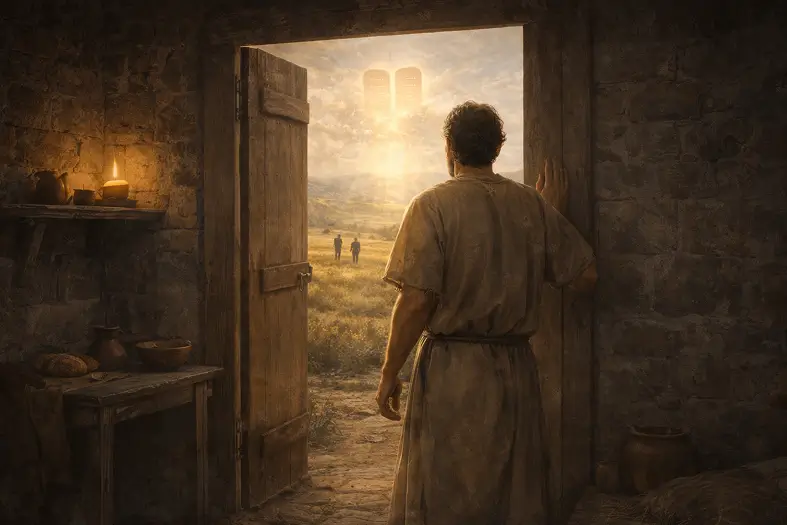
After describing the six-year term of the Hebrew servant, the Torah presents a striking scenario. At the end of his service, the servant has the opportunity to go free. But instead, he declares:
אָהַבְתִּי אֶת אֲדֹנִי… לֹא אֵצֵא חָפְשִׁי
“I love my master… I will not go free.” (Shemos 21:5)
The Torah then commands that he be brought to the doorpost, and his ear is pierced as a sign that he will remain in servitude.
This ritual is unusual. Why pierce the ear? Why at the doorpost? And why is the servant marked in this way for choosing to stay?
Rashi, drawing on the Midrash, provides one of the most famous explanations in all of Torah commentary.
The Ear That Heard at Sinai
Rashi explains:
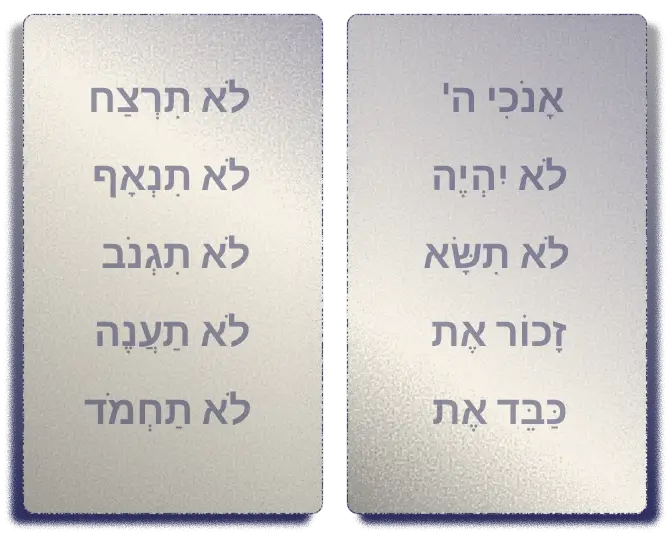
The ear that heard at Har Sinai the words,
“כִּי לִי בְּנֵי יִשְׂרָאֵל עֲבָדִים”
“For the Children of Israel are servants to Me” (Vayikra 25:55),
and yet this man went and acquired another master for himself—
that ear should be pierced.
The symbolism is powerful. At Sinai, the Jewish people were declared servants of Hashem alone. Their identity as a nation is built on this freedom. They are not meant to belong permanently to any human master.
When a servant chooses to remain in human bondage, he contradicts the message of Sinai. He exchanges Divine service for human dependence.
The ear that heard the truth must now bear a visible reminder of the choice to ignore it.
Why the Ear?
The punishment is not physical suffering. It is symbolic correction. The ear is chosen because it is the organ of hearing, the instrument through which the covenant was first received.
At Sinai, the people did not see the Divine voice. They heard it. The covenant entered through the ear. It was an act of listening and obedience.
The servant’s ear represents that moment. It heard the proclamation of freedom, yet the person attached to it has chosen the opposite path.
The piercing therefore carries a message:
- You heard the truth.
- You were called to serve Hashem.
- You chose instead to serve a human master.
The mark on the ear becomes a visible reminder of that decision.
Why at the Doorpost?
The ritual takes place not in the marketplace or the courtroom, but at the doorpost of the master’s house.
The doorpost carries its own symbolism. It recalls the night of the Exodus, when the Israelites marked their doorposts with the blood of the korban Pesach. That sign declared their loyalty to Hashem and their departure from Egyptian slavery.
Now, the servant stands at a doorpost once again. But this time, instead of leaving slavery, he chooses to remain in it.
The contrast is deliberate:
- In Egypt, the doorpost marked liberation.
- Here, the doorpost marks a refusal of freedom.
The location transforms the ritual into a symbolic reversal of the Exodus.
Freedom as a Spiritual Identity
The Torah’s message is not merely economic or social. It is spiritual. The Jewish people are meant to serve Hashem alone. That is the essence of their freedom.
Human beings always serve something. They serve their desires, their fears, their ambitions, or their ideals. True freedom is not the absence of service. It is the choice of the right master.
The Torah teaches that only service to Hashem is true freedom. All other forms of servitude diminish the human soul.
The servant who refuses freedom demonstrates a failure to internalize this truth. He has become comfortable in dependence. He prefers the security of servitude to the responsibility of freedom.
The Danger of Comfortable Bondage
The servant’s declaration begins with the words:
“אָהַבְתִּי אֶת אֲדֹנִי”
“I love my master.”
This is not a story of cruelty or oppression. It is a story of comfort. The servant has grown used to his situation. He feels secure. He has food, shelter, and structure. Freedom, by contrast, brings uncertainty and responsibility.
The Torah recognizes a deep psychological truth: people sometimes prefer comfortable bondage to demanding freedom.
Freedom requires:
- Responsibility for one’s own choices
- Effort and self-discipline
- Moral independence
- Trust in Hashem rather than reliance on human authority
Servitude, even gentle servitude, removes those burdens. Someone else provides structure. Someone else makes decisions.
The pierced ear becomes a warning against this temptation.
The Covenant of Freedom
At Sinai, the Jewish people entered a covenant of freedom. They became servants of Hashem, and therefore no longer servants of Pharaoh—or of any other human master.
This covenant redefines the meaning of freedom. Freedom is not doing whatever one desires. It is the opportunity to live in loyalty to the Divine will.
The Hebrew servant who chooses to remain enslaved rejects this covenantal identity. He prefers the security of human control to the dignity of Divine service.
The piercing of the ear restores the memory of Sinai. It reminds him, and everyone who sees him, that the Jewish people were not created for human bondage.
Application for Today — Choosing Our Masters
The law of the pierced ear speaks far beyond the ancient institution of servitude. Most people today are not literal servants. Yet the spiritual question remains: whom do we serve?
Modern life offers many forms of subtle bondage:
- Obsession with status or wealth
- Dependence on social approval
- Addiction to comfort or distraction
- Fear of moral independence
These forces can become silent masters, shaping our choices and limiting our freedom.
The Torah calls us to a different path. It asks us to live as servants of Hashem alone. That means choosing truth over convenience, responsibility over comfort, and moral courage over dependence.
In practical terms, this can mean:
- Making decisions based on Torah values rather than social pressure
- Accepting responsibility instead of avoiding it
- Choosing growth over comfort
- Remembering that true dignity comes from serving Hashem
The pierced ear is a warning from the Torah:
Do not trade the freedom of Sinai for the comfort of bondage.
📖 Sources
- Full sources available on the Mitzvah Minute Parshas Mishpatim page under insights and commentaries.