"Yisro — Part II — Leadership, Courts, and the Birth of a Torah Society"

Mitzvah Minute Logo Icon

2.2 — Advice That Must Pass Through Heaven: “וִיהִי אֱלֹקִים עִמָּךְ”

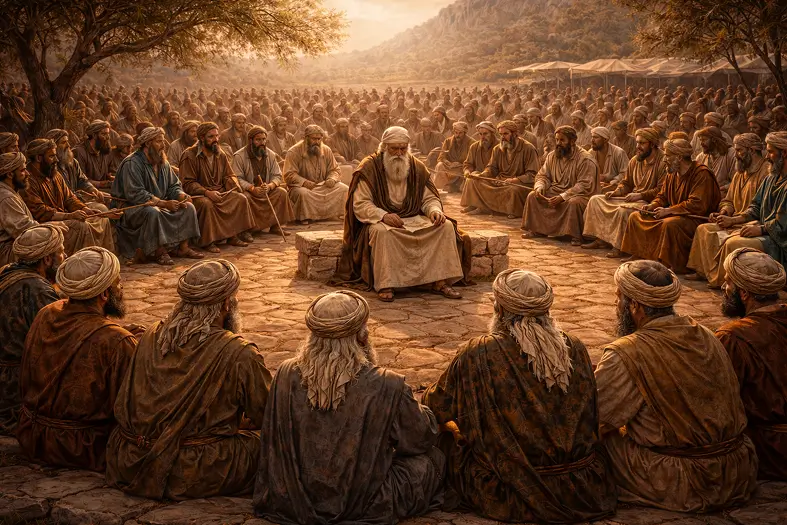
Moses and the elders' gathering
Yisro’s advice is framed with a condition: “וִיהִי אֱלֹקִים עִמָּךְ.” This essay explores why even brilliant systems require Divine ratification. Wisdom alone does not become Torah; it must submit to Hashem’s will. Yisro models humility by offering counsel without claiming authority, and Moshe models leadership by seeking Heaven’s approval. Together they teach that policy becomes sacred only when aligned with covenantal truth.

"Yisro — Part II — Leadership, Courts, and the Birth of a Torah Society"

2.2 — Advice That Must Pass Through Heaven: “וִיהִי אֱלֹקִים עִמָּךְ”

Wisdom with a Condition

Yisro’s counsel begins with confidence but ends with restraint: [אִיעָצְךָ… וִיהִי אֱלֹקִים עִמָּךְ — “I will advise you… and may G-d be with you”]. The phrase is decisive. Yisro offers a solution—and then places a boundary around it. Even the most compelling advice must pass through Heaven.

This moment defines a foundational Torah principle: policy becomes Torah only after Divine ratification. Systems, however elegant, do not acquire sanctity by effectiveness alone. They must be aligned with Hashem’s will.

Why Yisro Adds a Blessing to His Advice

Yisro could have framed his proposal as obvious. Instead, he conditions it. By saying “וִיהִי אֱלֹקִים עִמָּךְ,” he acknowledges two realities:

  • Human insight is powerful—but partial.
  • Divine approval is not assumed—even for good ideas.

This is not pious hesitation; it is covenantal discipline. Yisro recognizes that Moshe does not merely manage a people—he transmits Torah. Advice that bypasses Heaven risks becoming policy without holiness.

From Governance to Avodah

The Torah describes Moshe’s role as both judge and teacher. His day is not administrative alone; it is sacred service. Therefore, any structural change affects avodah. Yisro’s counsel, before it can be implemented, must be elevated from governance to Torah.

That elevation occurs only when Moshe brings the matter before Hashem.

In Torah, intention without submission is incomplete.

Why Brilliance Is Not Enough

History is filled with intelligent systems that failed morally. The Torah insists that intelligence must be subordinated to Divine truth. Yisro models this by refusing to absolutize his own wisdom.

Three dangers are avoided by requiring Divine ratification:

  • Efficiency replacing justice
  • Consensus replacing truth
  • Pragmatism replacing sanctity

By inserting “וִיהִי אֱלֹקִים עִמָּךְ,” Yisro ensures that wisdom serves covenant, not convenience.

Moshe’s Response: Submission as Strength

Moshe does not resist the condition. He accepts it. This is leadership at its highest: the courage to seek approval rather than assume it. Moshe’s greatness lies not in deciding alone, but in aligning every decision upward.

The Torah records that Moshe acts “כַּאֲשֶׁר אָמַר חֹתְנוֹ”—only after the process of consultation with Hashem. The sequence matters. Structure follows sanctification.

Rabbi Sacks’ Insight: Authority That Listens

Rabbi Jonathan Sacks emphasized that Judaism is a religion of law precisely because it distrusts unaccountable power. Even inspired leadership must submit to something beyond itself. The Torah’s insistence on Divine ratification creates a society where authority listens before it commands.

Yisro’s phrase encapsulates this ethic: advice is welcome; authority remains transcendent.

From Private Counsel to Public Law

Once ratified, Yisro’s advice becomes enduring Torah. Courts are established. Judges are appointed. Justice is decentralized. What began as personal counsel becomes national structure—because it passed through Heaven.

This transformation teaches a lasting rule: Torah absorbs wisdom only after it is filtered through Divine alignment.

Chassidic Insight: אמת Requires ביטול

Chassidic teachings stress that truth (emet) requires bitul—self-nullification. Yisro’s humility allows his wisdom to endure. Had he demanded implementation without Divine assent, his counsel would have remained human brilliance. By submitting it upward, he makes it eternal.

Application for Today

Modern leadership prizes decisiveness and confidence. Parshas Yisro insists on something rarer: restraint. The question is not whether an idea works, but whether it aligns. Torah leadership pauses, submits, and asks whether Heaven is present in the plan.

Only then does policy become Torah.

📖 Sources

  • Full sources available on the Mitzvah Minute Parshas Yisro page under insights and commentaries.

Organized by:
Boaz Solowitch
February 2, 2026
Mitzvah Minute Logo Icon

Connections

Mitzvah Minute Logo Icon

Mitzvah Links

Mitzvah 1

To know there is a G‑d
A Siddur
Learn this Mitzvah

Mitzvah 1

1
To know there is a G‑d

Mitzvah 9

To listen to the prophet speaking in His Name
A Siddur
Learn this Mitzvah

Mitzvah 9

9
To listen to the prophet speaking in His Name

Mitzvah 11

To emulate His ways
A Siddur
Learn this Mitzvah

Mitzvah 11

11
To emulate His ways

Mitzvah 540

Appoint judges
A Siddur
Learn this Mitzvah

Mitzvah 540

540
Appoint judges
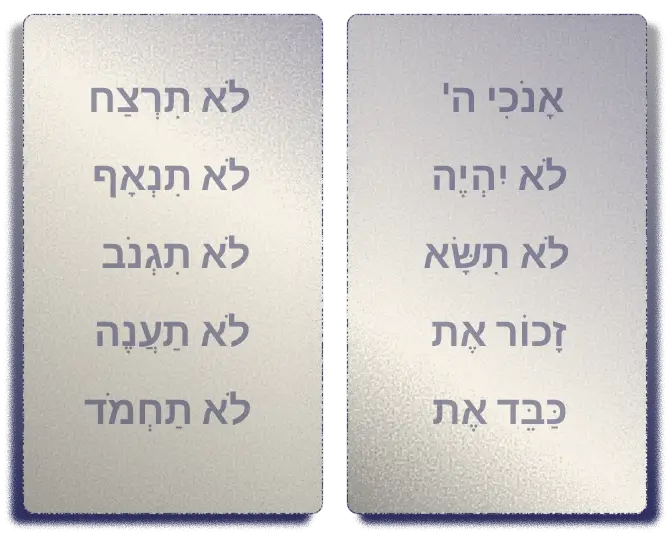
The Luchos - Ten Commandments
View Mitzvah Notes

Mitzvah Reference Notes

"x" close page navigation button

Mitzvah Reference Notes

“Advice That Must Pass Through Heaven: ‘וִיהִי אֱלֹקִים עִמָּךְ’”

Mitzvah #1 — To know there is a G-d (Exodus 20:2)

אָנֹכִי ה׳ אֱלֹקֶיךָ

Recognizing Hashem as ultimate authority demands that all decisions be aligned with His will. Yisro’s condition reflects awareness that governance is subordinate to Divine sovereignty.

Mitzvah #9 — To listen to the prophet speaking in His Name (Deuteronomy 18:15)

אֵלָיו תִּשְׁמָעוּן

Moshe’s role as prophetic intermediary requires that advice be filtered through Divine communication. True listening includes waiting for Heavenly confirmation.

Mitzvah #11 — To emulate His ways (Deuteronomy 28:9)

וְהָלַכְתָּ בִדְרָכָיו

Hashem governs through order and justice. Emulating His ways means shaping systems that reflect Divine values rather than mere efficiency.

Mitzvah #540 — To appoint judges (Deuteronomy 16:18)

שֹׁפְטִים וְשֹׁטְרִים תִּתֵּן לְךָ

The appointment of judges becomes Torah only after Divine ratification, teaching that judicial authority flows from Heaven downward.

Parsha Links

יִתְרוֹ - Yisro

Haftarah: Isaiah 6:1-13
A Siddur
Learn this Parsha

יִתְרוֹ - Yisro

יִתְרוֹ - Yisro
The Luchos - Ten Commandments
View Parsha Notes
"x" close page navigation button

Parsha Reference Notes

“Advice That Must Pass Through Heaven: ‘וִיהִי אֱלֹקִים עִמָּךְ’”

Parshas Yisro (Shemos 18:1–20:23)

Parshas Yisro establishes that governance within Torah life must be sanctified. Yisro’s advice is accepted only after submission to Divine will, demonstrating that leadership structures must pass through Heaven before becoming law. This prepares the nation for Sinai, where authority is defined as obedience to Hashem rather than human initiative.

Mitzvah Minute
Mitzvah Minute Logo

Learn more.

Dive into mitzvos, tefillah, and Torah study—each section curated to help you learn, reflect, and live with intention. New insights are added regularly, creating an evolving space for spiritual growth.

Luchos
Live a commandment-driven life

Mitzvah

Explore the 613 mitzvos and uncover the meaning behind each one. Discover practical ways to integrate them into your daily life with insights, sources, and guided reflection.

Learn more

Mitzvah #

1

To know there is a G‑d
The Luchos - Ten Commandments
Learn this Mitzvah

Mitzvah Highlight

Siddur
Connection through Davening

Tefillah

Learn the structure, depth, and spiritual intent behind Jewish prayer. Dive into morning blessings, Shema, Amidah, and more—with tools to enrich your daily connection.

Learn more

Tefillah

COMING SOON.
A Siddur
Learn this Tefillah

Tefillah Focus

A Sefer Torah
Study the weekly Torah portion

Parsha

Each week’s parsha offers timeless wisdom and modern relevance. Explore summaries, key themes, and mitzvah connections to deepen your understanding of the Torah cycle.

Learn more

יִתְרוֹ - Yisro

Haftarah: Isaiah 6:1-13
A Sefer Torah
Learn this Parsha

Weekly Parsha