"Yisro — Part IV — “רֹאִים אֶת הַקּוֹלֹת”: Perception, Prophecy, and the Architecture of Revelation"

Mitzvah Minute Logo Icon

4.1 — Ramban’s Chronology: The Storm Before the Speech

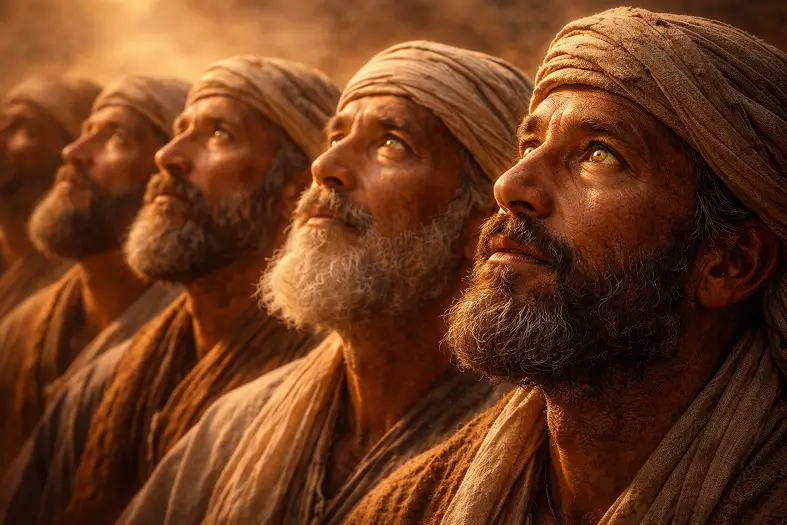
Divine revelation at Mount Sinai
Ramban argues that the storm at Sinai came before the Aseres HaDibros, not after. Fear preceded speech. This essay explores why sequence matters: awe prepares the soul for command, boundaries protect reception, and Moshe translates terror into yirah. Law spoken without presence becomes suggestion. Ramban’s chronology reveals that revelation depends not only on content, but on order.

"Yisro — Part IV — “רֹאִים אֶת הַקּוֹלֹת”: Perception, Prophecy, and the Architecture of Revelation"

4.1 — Ramban’s Chronology: The Storm Before the Speech

Why Order Is Meaning

Ramban makes a daring claim about Sinai: the Torah’s narrative order does not reflect the chronological order of experience. Specifically, he argues that the verse [וַיֹּאמֶר מֹשֶׁה אֶל־הָעָם אַל־תִּירָאוּ… — “Moshe said to the people: Do not fear…”] (Shemos 20:15) belongs before the Aseres HaDibros, not after.

This is not literary nitpicking. Ramban insists that sequence itself is revelatory. The way Sinai unfolded—fear, boundary, approach, and only then speech—teaches how Divine communication must be received.

The Problem Ramban Solves

If the Dibros were spoken first, why does Moshe later reassure the people not to fear? And why does the Torah describe thunder, lightning, shofar, and trembling after the commandments?

Ramban resolves the tension by reconstructing the experience:

  • The storm precedes speech
  • The people recoil before command
  • Moshe intervenes to stabilize the moment
  • Only then does articulated law emerge

Fear is not a response to commandment; it is the condition that prepares for it.

Fear Before Meaning

Ramban’s insight reframes fear. This is not terror that paralyzes; it is awe that clears space. The people confront the raw presence of Hashem before hearing any words. Speech delivered too early would be reduced to instruction. Presence must come first.

Commandment without awe becomes suggestion.

By placing fear before law, Ramban shows that obligation depends on posture, not information.

Boundary as Mercy

The Torah emphasizes boundaries at Sinai: limits on ascent, warnings against approach. Ramban explains that boundaries are not barriers to truth; they are protections for the listener.

Fear without boundary overwhelms. Boundary without fear trivializes. Sinai requires both:

  • awe to humble,
  • distance to preserve life,
  • guidance to enable approach.

Only within this calibrated space can speech be heard as command.

Moshe’s Role: Translator of Fear

Moshe does not eliminate fear; he interprets it. [בַּעֲבוּר תִּהְיֶה יִרְאָתוֹ עַל־פְּנֵיכֶם — “So that His fear will be upon you”]. Ramban stresses that Moshe reframes terror into yirah—fear that stabilizes rather than shatters.

Prophecy emerges here not as information transfer, but as mediation. Moshe stands between Presence and people, turning overwhelm into reception.

Why Speech Comes Last

Only after awe is integrated does speech occur. The Dibros are not shouted into chaos; they are spoken into readiness. Ramban’s chronology insists that law must be heard by people who know they are being addressed by something infinitely beyond them.

This is why Sinai is not repeatable. The sequence cannot be recreated once posture is learned.

Chassidic Insight: Awe as the Gate

Chassidic masters describe yirah as the gateway to chochmah. Without awe, wisdom slides off the self. Ramban’s sequence reflects this spiritual psychology precisely: first collapse of ego, then clarity of command.

Application for Today

Modern life reverses the order: we seek meaning without awe, instruction without presence. Ramban teaches that this inversion weakens obligation. If everything is intelligible before it is overwhelming, nothing binds.

The Torah’s sequence reminds us that how truth arrives determines whether it transforms.

📖 Sources

  • Full sources available on the Mitzvah Minute Parshas Yisro page under insights and commentaries.

Organized by:
Boaz Solowitch
February 2, 2026
Mitzvah Minute Logo Icon

Connections

Mitzvah Minute Logo Icon

Mitzvah Links

Mitzvah 1

To know there is a G‑d
A Siddur
Learn this Mitzvah

Mitzvah 1

1
To know there is a G‑d

Mitzvah 5

To fear Him
A Siddur
Learn this Mitzvah

Mitzvah 5

5
To fear Him

Mitzvah 9

To listen to the prophet speaking in His Name
A Siddur
Learn this Mitzvah

Mitzvah 9

9
To listen to the prophet speaking in His Name
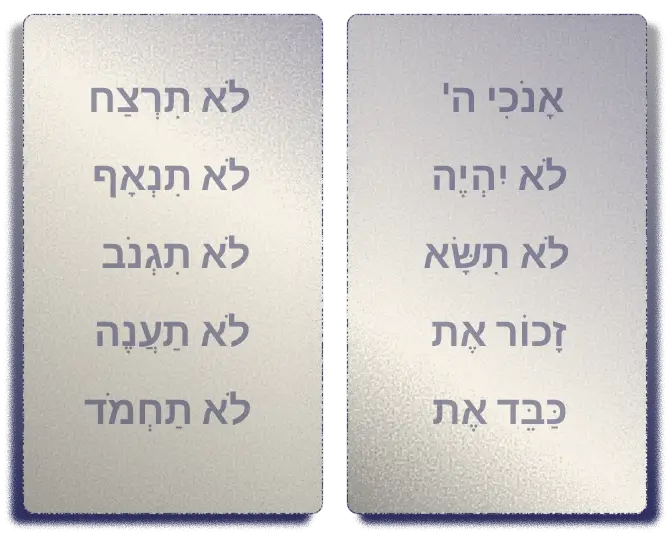
The Luchos - Ten Commandments
View Mitzvah Notes

Mitzvah Reference Notes

"x" close page navigation button

Mitzvah Reference Notes

“Ramban’s Chronology: The Storm Before the Speech”

Mitzvah #1 — To know there is a G-d (Exodus 20:2)

אָנֹכִי ה׳ אֱלֹקֶיךָ

Knowledge of Hashem at Sinai begins with Presence before articulation. Ramban’s chronology grounds emunah in encounter, not abstraction.

Mitzvah #5 — To fear Hashem (Deuteronomy 6:13)

אֶת ה׳ אֱלֹקֶיךָ תִּירָא

Fear precedes speech. Ramban shows that yirah is the gateway that allows Divine command to bind rather than overwhelm.

Mitzvah #9 — To listen to the prophet speaking in His Name (Deuteronomy 18:15)

אֵלָיו תִּשְׁמָעוּן

Moshe’s mediation at Sinai establishes the model for prophecy: translating awe into intelligible command while preserving Divine authority.

Parsha Links

יִתְרוֹ - Yisro

Haftarah: Isaiah 6:1-13
A Siddur
Learn this Parsha

יִתְרוֹ - Yisro

יִתְרוֹ - Yisro
The Luchos - Ten Commandments
View Parsha Notes
"x" close page navigation button

Parsha Reference Notes

“Ramban’s Chronology: The Storm Before the Speech”

Parshas Yisro (Shemos 18:1–20:23)

Parshas Yisro presents Sinai through a layered experience of fear, boundary, mediation, and speech. Ramban’s reconstruction shows that revelation unfolds pedagogically: awe precedes commandment, ensuring that Torah is received as obligation rather than instruction.

Mitzvah Minute
Mitzvah Minute Logo

Learn more.

Dive into mitzvos, tefillah, and Torah study—each section curated to help you learn, reflect, and live with intention. New insights are added regularly, creating an evolving space for spiritual growth.

Luchos
Live a commandment-driven life

Mitzvah

Explore the 613 mitzvos and uncover the meaning behind each one. Discover practical ways to integrate them into your daily life with insights, sources, and guided reflection.

Learn more

Mitzvah #

1

To know there is a G‑d
The Luchos - Ten Commandments
Learn this Mitzvah

Mitzvah Highlight

Siddur
Connection through Davening

Tefillah

Learn the structure, depth, and spiritual intent behind Jewish prayer. Dive into morning blessings, Shema, Amidah, and more—with tools to enrich your daily connection.

Learn more

Tefillah

COMING SOON.
A Siddur
Learn this Tefillah

Tefillah Focus

A Sefer Torah
Study the weekly Torah portion

Parsha

Each week’s parsha offers timeless wisdom and modern relevance. Explore summaries, key themes, and mitzvah connections to deepen your understanding of the Torah cycle.

Learn more

יִתְרוֹ - Yisro

Haftarah: Isaiah 6:1-13
A Sefer Torah
Learn this Parsha

Weekly Parsha