To rest on Rosh Hashanah

This page is incomplete.
Help complete the
Mitzvah Minute website.

This Mitzvah's Summary
To rest on רֹאשׁ הַשָּׁנָה — Rosh Hashanah means to refrain from מְלָאכָה — prohibited creative labor on the first day of Tishrei. This mitzvah gives the day its sacred form as a מִקְרָא קֹדֶשׁ — holy convocation, a day of awe, kingship, remembrance, and return.
The Torah commands, “בַּחֹדֶשׁ הַשְּׁבִיעִי בְּאֶחָד לַחֹדֶשׁ יִהְיֶה לָכֶם שַׁבָּתוֹן” — “In the seventh month, on the first of the month, it shall be for you a day of rest” (Vayikra 23:24). This is the positive mitzvah of שְׁבִיתָה — resting on רֹאשׁ הַשָּׁנָה — Rosh Hashanah.
This mitzvah is distinct from the negative command not to do מְלָאכָה — prohibited creative labor on Rosh Hashanah. The positive command teaches that the day is not only a time when work is forbidden. It is a day shaped by sacred rest. The Jew steps back from weekday activity and enters Hashem’s time.
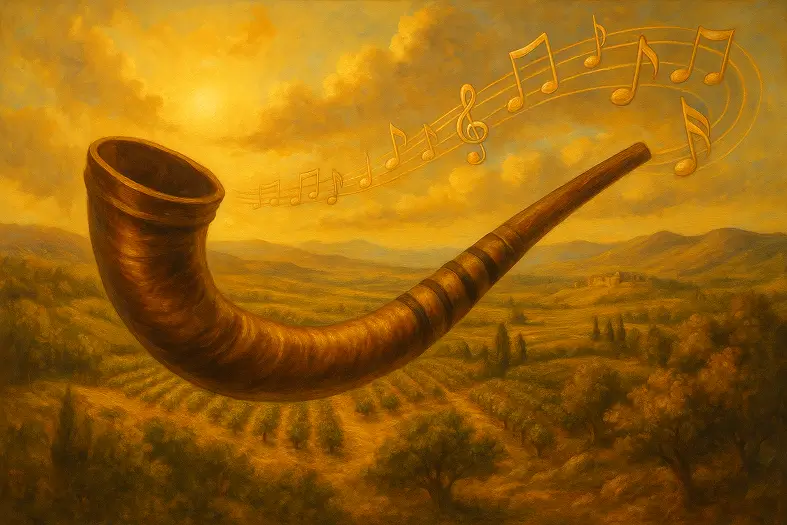
Rosh Hashanah is also called יוֹם תְּרוּעָה — day of shofar sound and זִכְרוֹן תְּרוּעָה — remembrance through shofar sound. Still, before the shofar is sounded and before the prayers are said, the day itself must be held as holy. שְׁבִיתָה — rest creates the vessel for מַלְכוּת — kingship, זִכָּרוֹן — remembrance, and יִרְאַת שָׁמַיִם — awe of Heaven.
Commentaries
Applying this Mitzvah Today
Applying this Mitzvah Today
Resting on Rosh Hashanah changes how a person enters the year. The year does not begin with rushing, producing, building, or controlling. It begins with stopping before Hashem.
During the week, a person often feels that life depends on his effort. Rosh Hashanah teaches a different truth. Hashem is King. The world is judged before Him. Life, livelihood, health, time, and purpose all come from Him.
The mitzvah of שְׁבִיתָה — rest helps a person feel this. By leaving מְלָאכָה — prohibited creative labor, the Jew creates space for תְּפִלָּה — prayer, shofar, reflection, and acceptance of Hashem’s kingship. The day becomes quiet enough for the soul to stand honestly before its Creator.
This rest is not sadness. It is serious joy. A Jew enters the new year with meals, prayer, dignity, and awe. He does not run from life. He places life back under Hashem’s rule.
Rambam & Sefer HaChinuch
Rambam
- Source: Rambam, Sefer HaMitzvos, Positive Mitzvah 163; Mishneh Torah, Hilchos Shevisas Yom Tov 1:1.
- Rambam defines this mitzvah as the command to rest from מְלָאכָה — prohibited creative labor on Rosh Hashanah. He includes it within the Torah’s structure of שְׁבִיתַת יוֹם טוֹב — Yom Tov rest, where festival days are made distinct through cessation from work. This shows that Rosh Hashanah is not only a day of shofar and prayer. It is a sacred day whose holiness begins with commanded rest.
Sefer HaChinuch
- Source: Sefer HaChinuch, Mitzvah 310.
- Sefer HaChinuch explains that the mitzvah is to rest from work on the first of Tishrei, the day of רֹאשׁ הַשָּׁנָה — Rosh Hashanah. The root of the mitzvah is that sacred days require separation from ordinary labor. On this day, rest allows the heart to turn toward judgment, remembrance, and renewed service of Hashem.
Talmud & Midrash
Gemara
- Source: Gemara Rosh Hashanah 8a.
- The Gemara teaches that the first of Tishrei is רֹאשׁ הַשָּׁנָה — the head of the year for years and for key areas of halachic time. This gives the mitzvah of rest a deep frame. The year begins not with work, but with sacred pause before Hashem.
Gemara
- Source: Gemara Rosh Hashanah 16a.
- The Gemara teaches that all who come into the world pass before Hashem in judgment on Rosh Hashanah. Rest from מְלָאכָה — prohibited creative labor allows the person to stand inside that reality. The day is not meant to be treated as ordinary time, because the soul is standing before the King.
Gemara
- Source: Gemara Rosh Hashanah 32a.
- The Gemara explains the structure of מַלְכִיּוֹת — verses of kingship, זִכְרוֹנוֹת — verses of remembrance, and שׁוֹפָרוֹת — verses of shofar. These themes give the day its inner voice. The rest of the day creates the space where these themes can shape the person.
Sifra
- Source: Sifra, Emor, Parashah 11.
- Sifra expounds the Torah’s description of Rosh Hashanah as שַׁבָּתוֹן — a day of rest, זִכְרוֹן תְּרוּעָה — remembrance through shofar sound, and מִקְרָא קֹדֶשׁ — holy convocation. The Midrashic reading shows that rest, remembrance, and holiness belong together. The day is entered through stopping, gathering, and remembering Hashem.
Vayikra Rabbah
- Source: Vayikra Rabbah 29:3.
- The Midrash connects the shofar of Rosh Hashanah with Divine remembrance and mercy. Though this mitzvah is about rest, the rest supports that movement. The Jew stops ordinary work so the day can become a place of remembrance before Hashem.
Rishonim — Depth & Nuance
Rashi
- Source: Rashi on Vayikra 23:24.
- Rashi explains זִכְרוֹן תְּרוּעָה — remembrance through shofar sound as a remembrance through pesukim of remembrance and shofar. His comment shows that Rosh Hashanah is not empty rest. Its שַׁבָּתוֹן — sacred rest is filled with remembrance before Hashem.
Ramban
- Source: Ramban on Vayikra 23:24.
- Ramban explains that Rosh Hashanah is called a day of rest and remembrance because it begins the season of judgment and atonement. The rest of the day gives form to its awe. A Jew stops weekday activity because he is entering a day that stands at the doorway of judgment and mercy.
Ibn Ezra
- Source: Ibn Ezra on Vayikra 23:24.
- Ibn Ezra explains the plain meaning of the verse as a command that the first of the seventh month be a day of rest and holy gathering. His reading highlights the basic structure of the mitzvah. The calendar itself changes how the Jew lives that day.
Sforno
- Source: Sforno on Vayikra 23:24.
- Sforno explains that the day is set aside for remembrance and awakening through shofar. שְׁבִיתָה — rest helps the person turn away from outer labor and toward inner readiness. The day becomes a time for returning to Hashem before the judgment of the year.
Rabbeinu Bachya
- Source: Rabbeinu Bachya on Vayikra 23:24.
- Rabbeinu Bachya connects Rosh Hashanah with judgment, remembrance, and the shofar’s spiritual power. Rest from מְלָאכָה — prohibited creative labor gives the day its proper dignity. The person cannot stand before Hashem’s judgment while treating the day like a weekday.
Chizkuni
- Source: Chizkuni on Vayikra 23:24.
- Chizkuni explains that the first day of the seventh month is set aside as a שַׁבָּתוֹן — day of rest and a מִקְרָא קֹדֶשׁ — holy convocation. His comment keeps the mitzvah concrete: the day’s holiness must be visible in the way people gather, stop work, and honor the time.
Rishonim — Conceptual
Kuzari
- Source: Kuzari 3:5.
- The Kuzari explains that sacred times renew the soul and keep Israel attached to Hashem. Rosh Hashanah rest fits this system because the year begins with spiritual realignment. The person leaves ordinary labor so the new year can begin under Hashem’s rule.
Maharal
- Source: Maharal, Chiddushei Aggados, Rosh Hashanah 16a.
- Maharal explains that Rosh Hashanah judgment touches the root of life because the day stands at the beginning of the year’s order. שְׁבִיתָה — rest expresses this root-point. The person stops activity and returns to the source from which the coming year will unfold.
Ran
- Source: Ran, Derashos HaRan, Derush 10.
- Ran explains that the awe of judgment is meant to awaken the nation toward Hashem. Rosh Hashanah rest creates a public structure for that awakening. The whole community stops ordinary labor and stands together under Divine kingship.
Ritva
- Source: Ritva on Rosh Hashanah 16a.
- Ritva explains the seriousness of Rosh Hashanah as a day of judgment and mercy. This gives the mitzvah of rest its inner weight. The Jew rests not because the day is empty, but because the day is too full of meaning to be treated as ordinary.
Halacha
Shulchan Aruch
- Source: Shulchan Aruch, Orach Chaim 495:1.
- Shulchan Aruch rules that the מְלָאכוֹת — prohibited creative labors forbidden on Shabbos are also forbidden on Yom Tov, except for permitted needs of אוֹכֶל נֶפֶשׁ — food preparation. This defines the practical rest of Rosh Hashanah: weekday creative labor stops, while Yom Tov food needs follow their halachic allowances.
Rema
- Source: Rema, Orach Chaim 495:1.
- Rema adds limits to the Yom Tov allowances, especially where preparation could have been done before Yom Tov. This preserves the character of שְׁבִיתָה — rest. Even where food-related labor is permitted, Rosh Hashanah may not become a weekday.
Shulchan Aruch
- Source: Shulchan Aruch, Orach Chaim 597:1.
- Shulchan Aruch rules that one eats, drinks, and rejoices on Rosh Hashanah, while not eating to excess. This shows the balance of the day. Rosh Hashanah rest is serious and filled with awe, but it remains Yom Tov and carries dignity, meals, and holy joy.
Mishnah Berurah
- Source: Mishnah Berurah 597:1–2.
- Mishnah Berurah explains that Rosh Hashanah contains both joy and fear. A person should not act in sadness, but also should not become lightheaded. This balance shapes the lived rest of the day: calm, dignified, prayerful, and awake before Hashem.
Acharonim & Modern Torah Giants
Chasam Sofer
- Source: Chasam Sofer, Derashos, Rosh Hashanah.
- Chasam Sofer presents Rosh Hashanah as the day when Israel renews acceptance of Hashem’s kingship. Rest from מְלָאכָה — prohibited creative labor supports that acceptance. A person stops acting as master of his world so he can stand as a servant before the King.
Netziv
- Source: Netziv, HaEmek Davar on Vayikra 23:24.
- Netziv emphasizes the Torah’s language of שַׁבָּתוֹן — sacred rest and זִכְרוֹן תְּרוּעָה — remembrance through shofar sound. The day’s rest is bound to remembrance. Israel stops its ordinary work so the people can be gathered into a day where they are remembered before Hashem.
Rav Shimshon Raphael Hirsch
- Source: Rav Shimshon Raphael Hirsch on Vayikra 23:24.
- Rav Hirsch explains that Rosh Hashanah rest declares Hashem’s rule over human life and time. At the start of the year, a person stops productive labor and acknowledges that the future is not secured by human control. It rests in Hashem’s kingship.
Malbim
- Source: Malbim on Vayikra 23:24.
- Malbim highlights the Torah’s precise wording: שַׁבָּתוֹן — sacred rest, זִכְרוֹן תְּרוּעָה — remembrance through shofar sound, and מִקְרָא קֹדֶשׁ — holy convocation. These elements form one structure. Rest clears the day; shofar awakens it; holy gathering gives it public form.
Meshech Chochmah
- Source: Meshech Chochmah on Vayikra 23:24.
- Meshech Chochmah reads Rosh Hashanah as a day that renews the order of time under Hashem. The rest of the day teaches that time itself is not owned by man. The year begins by returning time to its Creator.
Rav Kook
- Source: Rav Avraham Yitzchok HaCohen Kook, Orot HaTeshuvah 6:2.
- Rav Kook teaches that the awakening of תְּשׁוּבָה — repentance begins when a person senses the Divine source of life. Rosh Hashanah rest supports that awakening. When outer activity quiets, the soul can hear the call to return to Hashem at the opening of the year.
Chassidic & Mussar Classics
Tanya
- Source: Tanya, Iggeres HaKodesh, Epistle 14.
- Tanya teaches that each year brings a new Divine life-force that was never present before. Rosh Hashanah rest allows the person to receive that new life with awe. The Jew stops ordinary work because the year is being renewed from above.
Sfas Emes
- Source: Sfas Emes, Rosh Hashanah 5634.
- Sfas Emes teaches that Rosh Hashanah reveals the inner root of the year. שְׁבִיתָה — rest helps a person return to that root. When weekday motion stops, the hidden point of kingship can become felt in the soul.
Kedushas Levi
- Source: Kedushas Levi, Derushim L’Rosh Hashanah.
- Kedushas Levi presents Rosh Hashanah as a day when Israel crowns Hashem with love and trembling. Rest is part of that coronation. A person leaves his own labor and stands before Hashem with the trust of a child before his Father and the awe of a servant before his King.
Shem MiShmuel
- Source: Shem MiShmuel, Rosh Hashanah 5672.
- Shem MiShmuel explains that Rosh Hashanah draws a person back to the first point of renewal. The rest of the day expresses that return. Instead of beginning the year with outward action, the Jew begins from inward attachment to Hashem.
Ramchal
- Source: Ramchal, Derech Hashem 4:8:2.
- Ramchal explains that Rosh Hashanah is the day when the world is judged and arranged for the coming year. Rest from מְלָאכָה — prohibited creative labor aligns the person with that reality. The day is not for ordinary control, but for standing before the Divine order that governs life.
Background & Foundations
Rosh Hashanah is the first day of Tishrei and the beginning of the year for judgment. The Torah calls it a שַׁבָּתוֹן — sacred rest, a זִכְרוֹן תְּרוּעָה — remembrance through shofar sound, and a מִקְרָא קֹדֶשׁ — holy convocation. This mitzvah focuses on the positive command of שְׁבִיתָה — rest.
This mitzvah belongs to the Yom Tov rest cluster. Mitzvah 100 commands rest on Shavuos, Mitzvah 102 commands rest on Rosh Hashanah, Mitzvah 104 commands rest on Sukkos, and Mitzvah 106 commands rest on Shemini Atzeres. Each day has its own inner meaning, but all are formed through sacred rest.
Rosh Hashanah also begins the עֲשֶׂרֶת יְמֵי תְּשׁוּבָה — Ten Days of Repentance. Its rest is therefore not only festival rest. It is the stillness at the doorway of judgment and return. A person stops ordinary work so the year can begin with Hashem’s kingship at the center.
Notes on this Mitzvah's Fundamentals
Rosh Hashanah – רֹאשׁ הַשָּׁנָה
רֹאשׁ הַשָּׁנָה — Rosh Hashanah is the defining tag of this mitzvah. The command to rest gives the day its sacred structure. The year begins with stopping, gathering, prayer, shofar, and acceptance of Hashem’s kingship.
Festivals – מוֹעֲדִים
מוֹעֲדִים — appointed times are days Hashem sets apart for Israel. Rosh Hashanah rest teaches that the year begins not by human planning alone, but by entering the time Hashem made holy.
Holidays - חַגִּים
חַגִּים — holidays shape Jewish life through home, shul, meals, prayer, and rest. Rosh Hashanah is a serious Yom Tov, where joy and awe stand together before Hashem.
Reverence – יִרְאַת שָׁמַיִם
יִרְאַת שָׁמַיִם — awe of Heaven is central because Rosh Hashanah is the day of judgment. Rest from מְלָאכָה — prohibited creative labor helps a person feel that he stands before Hashem, not before his own power.
Tefillah - תְּפִלָּה
תְּפִלָּה — prayer fills the day created by rest. When weekday work stops, the person can stand in shul and speak before Hashem about kingship, remembrance, life, and mercy.
Shabbat - שַׁבָּת
שַׁבָּת — Shabbos is relevant because Yom Tov rest follows the broader Torah pattern of sacred cessation. Rosh Hashanah is not Shabbos, and its laws differ regarding אוֹכֶל נֶפֶשׁ — food preparation, but both teach that human labor must stop before Hashem’s command.
Holiness – קְדֻשָּׁה
קְדֻשָּׁה — holiness means separation for Hashem. Rosh Hashanah rest separates the day from ordinary labor and allows the year to begin in a holy atmosphere.
Thought – מַחֲשָׁבָה
מַחֲשָׁבָה — thought becomes clearer when the year begins with stillness. The mitzvah gives a person space to consider his direction, his responsibilities, and the kind of life he is asking Hashem to renew.
Speech – דָּבָר
דִּבּוּר — speech belongs here because Rosh Hashanah is filled with words of תְּפִלָּה — prayer, מַלְכִיּוֹת — kingship, זִכְרוֹנוֹת — remembrance, and שׁוֹפָרוֹת — shofar. Rest makes the mouth available for holy speech before Hashem.
Repentance – תְּשׁוּבָה
תְּשׁוּבָה — repentance begins to awaken on Rosh Hashanah. The day’s rest helps a person step out of habit and hear the call to return before Yom Kippur.
Community – קְהִלָּה
קְהִלָּה — community matters because Rosh Hashanah is a מִקְרָא קֹדֶשׁ — holy convocation. The people gather together before Hashem as a nation asking for life, mercy, and renewal.
Between a person and G-d - בֵּין אָדָם לְמָקוֹם
בֵּין אָדָם לְמָקוֹם — between a person and Hashem is the core relationship of this mitzvah. Resting on Rosh Hashanah means placing the beginning of the year under Hashem’s kingship and judgment.








%201.webp)