"Acharei Mos-Kedoshim — Part V — “קְדֹשִׁים תִּהְיוּ” — Holiness Expands Into Life"

Mitzvah Minute Logo Icon

5.2 — From the Kodesh HaKodashim to the Whole of Life

Acharei Mos begins with the most concentrated form of holiness in the Kodesh HaKodashim, but Kedoshim reveals that this is only the starting point. Ramban warns against compartmentalized holiness, while Sforno, Rambam, and Ralbag show that the goal is a fully aligned life. Abarbanel frames the movement from center to system, and Chassidus internalizes it as the expansion of the soul’s inner point into all aspects of living. The chidush is that holiness is not meant to remain in sacred spaces—it must become the structure of life itself.
3 - min read

"Acharei Mos-Kedoshim — Part V — “קְדֹשִׁים תִּהְיוּ” — Holiness Expands Into Life"

5.2 — From the Kodesh HaKodashim to the Whole of Life

Holiness in Acharei Mos begins at its most concentrated point: the Kodesh HaKodashim. One אדם, one day, one exact סדר. Every movement is measured, every action commanded, every deviation dangerous. It is a space of intensity, distance, and precision. But the structure of the parshiyos makes something unmistakable: this is not where holiness ends. It is where it begins.

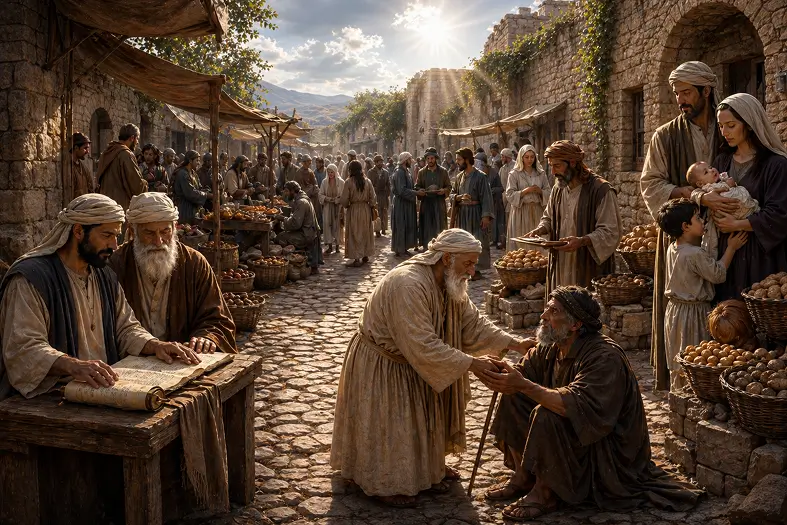
From that singular moment, the Torah unfolds outward. The avodah of Yom Kippur expands into korbanos, into the regulation of blood, into the discipline of desire, and ultimately into the full architecture of life in Kedoshim. “קְדֹשִׁים תִּהְיוּ” is not a new idea—it is the הרחבה (expansion) of everything that came before. What was once concentrated must now become constant.

This creates the chidush: the Kodesh HaKodashim is not the destination of holiness. It is its מקור (source). If holiness remains confined to rare spaces and rare moments, it has not fulfilled its purpose. The Torah therefore takes the most elevated encounter and translates it into the grammar of daily living.

Ramban’s formulation of “נבל ברשות התורה” (describing a person who strictly follows the "letter of the law" while violating its spirit) reveals what happens when this expansion fails. A person can technically remain within the boundaries of halacha, yet live without kedushah. This is only possible if holiness is treated as a compartment—something that exists in sacred settings but does not shape ordinary behavior. Kedoshim comes to negate that possibility. The sanctity of the inner chamber must become the atmosphere of the entire life.

Sforno sharpens this into a directive: “קדושים תהיו” means to resemble the Divine in conduct. Holiness is no longer a מקום (place). It is a דרך חיים (way of life). The אדם becomes the carrier of what was once localized. Rambam deepens this further: Torah does not produce moments of inspiration—it builds a system of אדם. Thought, character, action, and habit are all drawn into alignment. Nothing remains spiritually neutral.

Ralbag teaches this is a movement of purposefulness, intentional, functional and deliberate. The Kodesh HaKodashim reveals the highest order of truth, but its purpose is to orient the whole life toward that order. Abarbanel makes the structure explicit: Acharei Mos establishes the center; Kedoshim distributes that center across the covenantal body. The movement is exact—from point to system, from sanctuary to society.

Chassidus internalizes this completely. The Kodesh HaKodashim becomes the פנימיות of the soul. But that inner point is incomplete if it remains hidden. It must radiate outward. A spark that never reaches action, speech, or relationship has not yet become real. Rav Kook expands this: holiness is dynamic. It does not remain contained. It moves outward, drawing more and more of life into alignment with its source.

Rabbi Sacks teaches this as the defining shift of Torah. It is not a religion of holy places alone, but of holy lives. Rav Miller grounds it simply: the אמת of holiness is revealed not in the rare moment, but in the ordinary one.

Application for Today

Holiness is often experienced in moments—times of clarity, inspiration, or heightened awareness. But those moments can feel distant from the rest of life, almost separate from the routine of ordinary living.

A different structure forms when a person stops treating those moments as isolated experiences and begins to translate them into patterns. The question shifts from “What did I feel?” to “What will now be different?” A small change in speech, a refinement in conduct, a greater attentiveness in how one acts—these become the way the moment continues.

Avodas Hashem requires consistency. Making life less dependent on peaks of inspiration and more shaped by steady alignment. Everyday life must carry the imprint of what was once felt only in rare moments of holiness and extending that holiness from that מקום and making it a דרך חיים.

📖 Sources

  • Full sources available on the Mitzvah Minute Parshas Acharei Mos & Kedoshim pages under insights and commentaries

Written & Organized by
Boaz Solowitch
April 22, 2026
Mitzvah Minute Logo Icon

Connections

Mitzvah Minute Logo Icon

Mitzvah Links

Mitzvah 6

To sanctify His Name
A Siddur
Learn this Mitzvah

Mitzvah 6

6
To sanctify His Name

Mitzvah 11

To emulate His ways
A Siddur
Learn this Mitzvah

Mitzvah 11

11
To emulate His ways

Mitzvah 77

To serve the Almighty with prayer daily
A Siddur
Learn this Mitzvah

Mitzvah 77

77
To serve the Almighty with prayer daily

Mitzvah 25

Not to follow the whims of your heart or what your eyes see
A Siddur
Learn this Mitzvah

Mitzvah 25

25
Not to follow the whims of your heart or what your eyes see
The Luchos - Ten Commandments
View Mitzvah Notes

Mitzvah Reference Notes

"x" close page navigation button

Mitzvah Reference Notes

“From the Kodesh HaKodashim to the Whole of Life”

Mitzvah #6 — To Sanctify His Name (Leviticus 22:32)

וְנִקְדַּשְׁתִּי בְּתוֹךְ בְּנֵי יִשְׂרָאֵל

Kiddush Hashem reflects the expansion of holiness beyond sacred moments. The אדם carries Divine presence into the public and ordinary, ensuring that holiness is visible within life itself.

Mitzvah #11 — To Emulate His Ways (Deuteronomy 28:9)

וְהָלַכְתָּ בִּדְרָכָיו

Holiness becomes real when Divine qualities are expressed in conduct. This mitzvah translates the sanctity of the inner encounter into daily behavior, aligning the entire life with the Divine model.

Mitzvah #77 — To Serve Hashem Through Prayer Daily (Deuteronomy 11:13)

לְעָבְדוֹ בְּכָל לְבַבְכֶם

Avodah is not limited to the Mikdash. Prayer extends service into daily life, ensuring that connection to Hashem becomes continuous rather than confined.

Mitzvah #25 — Not to Follow the Whims of Your Heart or What Your Eyes See (Numbers 15:39)

וְלֹא תָתוּרוּ אַחֲרֵי לְבַבְכֶם

The expansion of holiness requires discipline of inner life. This mitzvah ensures that the האדם remains aligned internally, allowing kedushah to permeate even thought and desire.

Parsha Links

אַחֲרֵי מוֹת – Acharei Mos

Haftarah: Amos 9:7-15
A Siddur
Learn this Parsha

אַחֲרֵי מוֹת – Acharei Mos

אַחֲרֵי מוֹת – Acharei Mos

קְדֹשִׁים – Kedoshim

Haftarah: Ezekiel 22:1-16
A Siddur
Learn this Parsha

קְדֹשִׁים – Kedoshim

קְדֹשִׁים – Kedoshim
A Sefer Torah
View Parsha Notes
"x" close page navigation button

Parsha Reference Notes

“From the Kodesh HaKodashim to the Whole of Life”

Parshas Acharei Mos–Kedoshim (Vayikra 16:1–19:37)

The Torah moves from the most restricted point of holiness—Aharon’s entry into the Kodesh HaKodashim—toward an expansive demand placed on all of life. The avodah of Yom Kippur establishes the intensity, precision, and structure of Divine service, while Kedoshim extends that same kedushah into speech, relationships, justice, and daily conduct—“קְדֹשִׁים תִּהְיוּ.” The progression teaches that holiness is not confined to sacred space but must become the governing principle of existence.

Mitzvah Minute
Mitzvah Minute Logo

Learn more.

Dive into mitzvos, tefillah, and Torah study—each section curated to help you learn, reflect, and live with intention. New insights are added regularly, creating an evolving space for spiritual growth.

Luchos
Live a commandment-driven life

Mitzvah

Explore the 613 mitzvos and uncover the meaning behind each one. Discover practical ways to integrate them into your daily life with insights, sources, and guided reflection.

Learn more

Mitzvah #

75

To repent and confess wrongdoings
The Luchos - Ten Commandments
Learn this Mitzvah

Mitzvah Highlight

Siddur
Connection through Davening

Tefillah

Learn the structure, depth, and spiritual intent behind Jewish prayer. Dive into morning blessings, Shema, Amidah, and more—with tools to enrich your daily connection.

Learn more

Tefillah

COMING SOON.
A Siddur
Learn this Tefillah

Tefillah Focus

A Sefer Torah
Study the weekly Torah portion

Parsha

Each week’s parsha offers timeless wisdom and modern relevance. Explore summaries, key themes, and mitzvah connections to deepen your understanding of the Torah cycle.

Learn more

קְדֹשִׁים – Kedoshim

Haftarah: Ezekiel 22:1-16
A Sefer Torah
Learn this Parsha

Weekly Parsha