1.1 — Kedushah — Holiness as the Structure of Life
Parshas Emor opens with a command that seems simple but is deeply instructive:
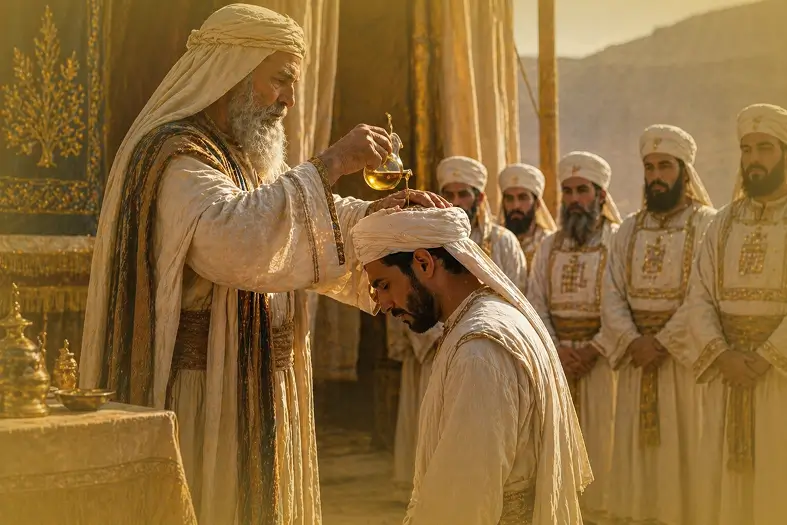
[וַיֹּאמֶר ה׳ אֶל מֹשֶׁה אֱמֹר אֶל הַכֹּהֲנִים — “Hashem said to Moshe: Speak to the Kohanim”]. This is not only speech. It is definition. קדושה — holiness begins not with feeling, but with clarity. The Torah does not say “be inspired.” It says who the Kohen is, how he must live, whom he may marry, and when he may become טמא — ritually impure.
Rashi teaches that holiness depends on exact categories. A Kohen is not defined loosely. There are distinctions between male Kohanim and others, between בעלי מומין — blemished Kohanim and חללים — disqualified Kohanim, between those permitted and those restricted. Kedushah lives inside these boundaries. Without them, holiness dissolves into vague intention. With them, holiness becomes a lived order.
Ramban deepens this structure. The Kohen’s קדושה — holiness is not limited to the מקדש — Sanctuary. It shapes his personal life: mourning, marriage, physical presence, and public dignity. Holiness is not a moment of service. It is a way of being.
From here, the parsha begins to expand outward. It moves from the Kohen to the קרבנות — offerings, where קדושה takes form in action. It then extends into access, timing, and purity, defining who may approach and when. From there, it reaches food, where consumption itself becomes governed by holiness, and then into communal responsibility, where society is shaped by those same values. Finally, it arrives at time itself, where the calendar establishes קדושה as a lived rhythm.
The progression is not a collection of topics. It is a movement. קדושה begins in the person, is expressed through action, enters what a person takes in, extends into how people live together, and ultimately shapes how a nation experiences time. Each layer builds on the previous one, extending holiness into another dimension of life.
These are not separate laws. They form a single system, in which every aspect of existence becomes capable of reflecting the presence of Hashem.
When the Torah turns to the מועדים — appointed festivals, the system becomes national. [מוֹעֲדֵי ה׳ אֲשֶׁר תִּקְרְאוּ אֹתָם מִקְרָאֵי קֹדֶשׁ — “The appointed times of Hashem that you shall proclaim as holy convocations”]. Holiness is declared, repeated, and lived together.
Abarbanel draws a critical distinction. Shabbos — שבת שבתון — complete rest, is fixed by Hashem from creation. It descends into the world. The festivals, however, are declared by בית דין — the Jewish court. They depend on human proclamation. Holiness therefore has two structures: what is given, and what is built.
Rabbi Sacks explains that this makes time the architecture of Jewish meaning. The calendar becomes a diary of memory, covenant, and identity. Pesach teaches freedom. Shavuos centers Torah. Sukkos teaches trust and joy. These are not occasional reminders. They are repeated forms that shape consciousness.
Rambam frames this system philosophically. Human beings cannot sustain inspiration without structure. Love, awe, joy, and reverence must be trained through repeated action. Halachah — Torah law does not replace emotion. It educates it.
Ralbag adds that this structure moves a person from חומר — physical matter toward צורה — higher form. The body, speech, calendar, and actions are aligned so that life itself points toward Hashem. The festivals become schools of knowledge. Shabbos teaches creation. The year teaches providence. Life becomes ordered toward purpose.
Without structure, emotion fades. Time becomes ordinary. Speech becomes careless. Life turns inward. Emor responds by building קדושה — holiness into repeatable forms. It defines identities and roles, establishes guarded access and clear boundaries, creates fixed times and recurring rhythms, and anchors life in public acts of responsibility and restraint.
This is not a limitation. It is preservation. Feeling survives because it is given form.
The parsha ultimately reaches its purpose in public life:
[וְלֹא תְחַלְּלוּ אֶת שֵׁם קָדְשִׁי וְנִקְדַּשְׁתִּי — “Do not desecrate My holy Name, and I shall be sanctified”]. Kedushah culminates in קידוש השם — sanctifying Hashem’s Name. This is not an isolated mitzvah. It is the outcome of a structured life.
Rav Kook teaches that these structures do not impose holiness from outside. They draw out the inner kedushah already planted within Klal Yisrael. The system leads to what is hidden. Rav Avigdor Miller adds that daily routines — food, time, speech — train a person to live aware of Hashem. Life itself becomes עבודת ה׳ — service of Hashem.
Kedushah in Emor is not an experience that appears and disappears. It is a structure that holds a person, a calendar that shapes a nation, and a system that transforms ordinary life into continuous עבודת ה׳ — service of Hashem and a דרך חיים — way of life.
A person often waits for inspiration — a moment of clarity, a feeling of connection. But Emor teaches that waiting is unstable. Real growth comes from structure.
Life becomes elevated when it is organized around meaning. Fixed times for tefillah — prayer, consistent Torah learning, guarded speech, and intentional rest create a framework that does not depend on mood. The structure carries the person when emotion weakens.
There is a quiet strength in repetition. A person who builds rhythm into life does not lose inspiration; he protects it.
📖 Sources


1.1 — Kedushah — Holiness as the Structure of Life
Parshas Emor opens with a command that seems simple but is deeply instructive:
[וַיֹּאמֶר ה׳ אֶל מֹשֶׁה אֱמֹר אֶל הַכֹּהֲנִים — “Hashem said to Moshe: Speak to the Kohanim”]. This is not only speech. It is definition. קדושה — holiness begins not with feeling, but with clarity. The Torah does not say “be inspired.” It says who the Kohen is, how he must live, whom he may marry, and when he may become טמא — ritually impure.
Rashi teaches that holiness depends on exact categories. A Kohen is not defined loosely. There are distinctions between male Kohanim and others, between בעלי מומין — blemished Kohanim and חללים — disqualified Kohanim, between those permitted and those restricted. Kedushah lives inside these boundaries. Without them, holiness dissolves into vague intention. With them, holiness becomes a lived order.
Ramban deepens this structure. The Kohen’s קדושה — holiness is not limited to the מקדש — Sanctuary. It shapes his personal life: mourning, marriage, physical presence, and public dignity. Holiness is not a moment of service. It is a way of being.
From here, the parsha begins to expand outward. It moves from the Kohen to the קרבנות — offerings, where קדושה takes form in action. It then extends into access, timing, and purity, defining who may approach and when. From there, it reaches food, where consumption itself becomes governed by holiness, and then into communal responsibility, where society is shaped by those same values. Finally, it arrives at time itself, where the calendar establishes קדושה as a lived rhythm.
The progression is not a collection of topics. It is a movement. קדושה begins in the person, is expressed through action, enters what a person takes in, extends into how people live together, and ultimately shapes how a nation experiences time. Each layer builds on the previous one, extending holiness into another dimension of life.
These are not separate laws. They form a single system, in which every aspect of existence becomes capable of reflecting the presence of Hashem.
When the Torah turns to the מועדים — appointed festivals, the system becomes national. [מוֹעֲדֵי ה׳ אֲשֶׁר תִּקְרְאוּ אֹתָם מִקְרָאֵי קֹדֶשׁ — “The appointed times of Hashem that you shall proclaim as holy convocations”]. Holiness is declared, repeated, and lived together.
Abarbanel draws a critical distinction. Shabbos — שבת שבתון — complete rest, is fixed by Hashem from creation. It descends into the world. The festivals, however, are declared by בית דין — the Jewish court. They depend on human proclamation. Holiness therefore has two structures: what is given, and what is built.
Rabbi Sacks explains that this makes time the architecture of Jewish meaning. The calendar becomes a diary of memory, covenant, and identity. Pesach teaches freedom. Shavuos centers Torah. Sukkos teaches trust and joy. These are not occasional reminders. They are repeated forms that shape consciousness.
Rambam frames this system philosophically. Human beings cannot sustain inspiration without structure. Love, awe, joy, and reverence must be trained through repeated action. Halachah — Torah law does not replace emotion. It educates it.
Ralbag adds that this structure moves a person from חומר — physical matter toward צורה — higher form. The body, speech, calendar, and actions are aligned so that life itself points toward Hashem. The festivals become schools of knowledge. Shabbos teaches creation. The year teaches providence. Life becomes ordered toward purpose.
Without structure, emotion fades. Time becomes ordinary. Speech becomes careless. Life turns inward. Emor responds by building קדושה — holiness into repeatable forms. It defines identities and roles, establishes guarded access and clear boundaries, creates fixed times and recurring rhythms, and anchors life in public acts of responsibility and restraint.
This is not a limitation. It is preservation. Feeling survives because it is given form.
The parsha ultimately reaches its purpose in public life:
[וְלֹא תְחַלְּלוּ אֶת שֵׁם קָדְשִׁי וְנִקְדַּשְׁתִּי — “Do not desecrate My holy Name, and I shall be sanctified”]. Kedushah culminates in קידוש השם — sanctifying Hashem’s Name. This is not an isolated mitzvah. It is the outcome of a structured life.
Rav Kook teaches that these structures do not impose holiness from outside. They draw out the inner kedushah already planted within Klal Yisrael. The system leads to what is hidden. Rav Avigdor Miller adds that daily routines — food, time, speech — train a person to live aware of Hashem. Life itself becomes עבודת ה׳ — service of Hashem.
Kedushah in Emor is not an experience that appears and disappears. It is a structure that holds a person, a calendar that shapes a nation, and a system that transforms ordinary life into continuous עבודת ה׳ — service of Hashem and a דרך חיים — way of life.
A person often waits for inspiration — a moment of clarity, a feeling of connection. But Emor teaches that waiting is unstable. Real growth comes from structure.
Life becomes elevated when it is organized around meaning. Fixed times for tefillah — prayer, consistent Torah learning, guarded speech, and intentional rest create a framework that does not depend on mood. The structure carries the person when emotion weakens.
There is a quiet strength in repetition. A person who builds rhythm into life does not lose inspiration; he protects it.
📖 Sources


“Kedushah — Holiness as the Structure of Life”
וְנִקְדַּשְׁתִּי בְּתוֹךְ בְּנֵי יִשְׂרָאֵל
Kiddush Hashem is the culmination of structured kedushah. A life ordered by mitzvos makes Hashem’s presence visible in the world. Emor teaches that public sanctification emerges from disciplined, repeatable holiness.
וְלֹא תְחַלְּלוּ אֶת שֵׁם קָדְשִׁי
Chillul Hashem results when structure collapses. Without defined boundaries in speech, conduct, and identity, holiness cannot be sustained. This mitzvah protects the integrity of the entire system.
וְיוֹם הַשְּׁבִיעִי תִּשְׁבֹּת
Shabbos anchors holiness in time. It is a fixed structure that returns weekly, shaping consciousness through rest and recognition of Hashem as Creator.
מִקְרָא קֹדֶשׁ יִהְיֶה לָכֶם
Yom Tov transforms historical events into recurring structure. Shavuos teaches that Torah is not a past moment but a continually re-lived reality through sanctified time.
וְקִדַּשְׁתּוֹ
The Kohen represents structured kedushah in the person. His life demonstrates that holiness requires defined roles, communal responsibility, and visible discipline.
תָּמִים יִהְיֶה לְרָצוֹן
Korbanos express holiness through precision and wholeness. The requirement of completeness reflects the broader system: what enters avodah must align with dignity, order, and purpose.


“Kedushah — Holiness as the Structure of Life”
Emor presents holiness as a system rather than an experience. Beginning with the Kohanim, the Torah defines identity through halachic boundaries, then extends קדושה into offerings, food, time, and communal life. The progression from person to korban to calendar reveals an integrated structure where holiness is lived through repetition, definition, and public responsibility. The inclusion of Shabbos and the מועדים establishes time as a primary vehicle of kedushah, culminating in קידוש השם — sanctifying Hashem’s Name as the purpose of this structured life.

Dive into mitzvos, tefillah, and Torah study—each section curated to help you learn, reflect, and live with intention. New insights are added regularly, creating an evolving space for spiritual growth.

Explore the 613 mitzvos and uncover the meaning behind each one. Discover practical ways to integrate them into your daily life with insights, sources, and guided reflection.

Learn the structure, depth, and spiritual intent behind Jewish prayer. Dive into morning blessings, Shema, Amidah, and more—with tools to enrich your daily connection.

Each week’s parsha offers timeless wisdom and modern relevance. Explore summaries, key themes, and mitzvah connections to deepen your understanding of the Torah cycle.