5.1 — Sustenance, Light, and a Life of עבודת ה׳ — Service of Hashem
Parshas Emor concludes by turning toward the physical world. Bread is arranged before Hashem. Light is kindled in the Mikdash — Sanctuary. Laws of compassion and justice are placed before the nation. These are not separate closing subjects. They reveal what happens when קדושה — holiness enters daily life.
The לֶחֶם הַפָּנִים — showbread stands on the שולחן — table before Hashem constantly. Bread is the most basic form of sustenance. It represents eating, producing, earning, and sustaining life. By placing bread before Hashem, the Torah teaches that physical need is not outside עבודת ה׳ — service of Hashem. It becomes holy when it remains connected to its Source.
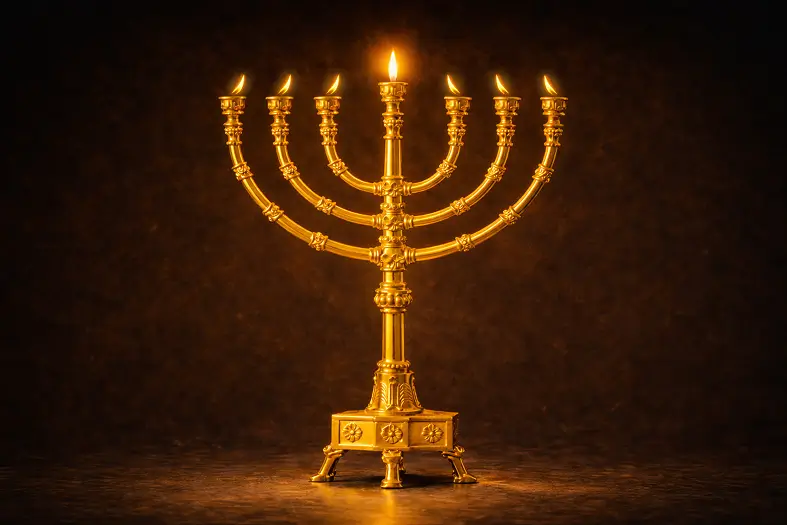
Beside the bread stands the מְנוֹרָה — menorah. Its light must be kindled with שֶׁמֶן זַיִת זָךְ — pure olive oil. Light represents awareness, clarity, and the steady presence of Hashem within the world. It is not sudden inspiration. It is constant illumination.
Ralbag explains that bread and light reflect two parts of human life. Bread sustains the body. Light guides the mind. The physical world is not rejected. It is ordered so that the body can support a life of higher purpose.
Ramban presents the Mikdash as the center from which קדושה — holiness flows outward. The bread and the menorah remain constant because the relationship with Hashem is not occasional. It must be sustained.
What emerges is a complete model of life. Bread becomes sustenance before Hashem, light becomes awareness before Hashem, and daily existence itself becomes ordered around Him. The physical is not something to escape, but something to align.
Holiness is not escape from the physical. It is the elevation of the physical.
The Torah then moves from the Mikdash into life outside it. The law of אוֹתוֹ וְאֶת בְּנוֹ — not slaughtering an animal and its offspring on the same day, teaches that human power must be restrained by compassion. The laws of לֶקֶט — gleanings and פֵּאָה — the corner of the field, teach that produce is never only private possession. Sustenance must create responsibility.
Sforno explains that these laws preserve moral clarity. A holy society cannot be built on ritual alone. It must also protect sensitivity, fairness, and care for others.
Rashi grounds this holiness in concrete action. Bread must be arranged correctly. Light must be kindled properly. The poor must receive what the Torah grants them. קדושה does not remain an idea. It becomes practice.
The parsha then speaks of injury, damages, and מִשְׁפָּט אֶחָד — one law. Justice must be equal and clear. Harm cannot create chaos. It must be answered with order.
Rabbi Sacks frames this as the Torah’s vision of a moral society. Holiness must enter law, economics, speech, food, and responsibility. A society aligned with Hashem is not only inspired. It is fair.
Abarbanel shows that this sequence is intentional. Time is sanctified through the מועדים — appointed festivals. Space is sanctified through the Mikdash. Sustenance is sanctified through bread. Society is sanctified through justice.
Sfas Emes teaches that physical life becomes elevated when it remains connected to its source. The bread stands לִפְנֵי ה׳ — before Hashem. The light spreads from the Mikdash into the rest of life. Rav Avigdor Miller brings this into daily awareness: eating, seeing, giving, and speaking can become ways of recognizing Hashem.
Emor does not end by leaving the world behind. It ends by ordering the world. Bread, light, compassion, and law all become vessels for kedushah. The final vision is not holiness apart from life, but life itself arranged before Hashem.
Daily life can feel ordinary because it repeats itself. Eating, earning, working, helping, speaking, and making decisions can seem separate from spirituality.
Emor teaches that the ordinary becomes holy when it is placed before Hashem. Food can create gratitude. Work can create responsibility. Possessions can create generosity. Speech and law can create dignity.
A person does not need to leave the world to serve Hashem. He needs to order the world correctly. When daily routines are lived with awareness, even simple acts become part of עבודת ה׳ — service of Hashem.
📖 Sources


5.1 — Sustenance, Light, and a Life of עבודת ה׳ — Service of Hashem
Parshas Emor concludes by turning toward the physical world. Bread is arranged before Hashem. Light is kindled in the Mikdash — Sanctuary. Laws of compassion and justice are placed before the nation. These are not separate closing subjects. They reveal what happens when קדושה — holiness enters daily life.
The לֶחֶם הַפָּנִים — showbread stands on the שולחן — table before Hashem constantly. Bread is the most basic form of sustenance. It represents eating, producing, earning, and sustaining life. By placing bread before Hashem, the Torah teaches that physical need is not outside עבודת ה׳ — service of Hashem. It becomes holy when it remains connected to its Source.
Beside the bread stands the מְנוֹרָה — menorah. Its light must be kindled with שֶׁמֶן זַיִת זָךְ — pure olive oil. Light represents awareness, clarity, and the steady presence of Hashem within the world. It is not sudden inspiration. It is constant illumination.
Ralbag explains that bread and light reflect two parts of human life. Bread sustains the body. Light guides the mind. The physical world is not rejected. It is ordered so that the body can support a life of higher purpose.
Ramban presents the Mikdash as the center from which קדושה — holiness flows outward. The bread and the menorah remain constant because the relationship with Hashem is not occasional. It must be sustained.
What emerges is a complete model of life. Bread becomes sustenance before Hashem, light becomes awareness before Hashem, and daily existence itself becomes ordered around Him. The physical is not something to escape, but something to align.
Holiness is not escape from the physical. It is the elevation of the physical.
The Torah then moves from the Mikdash into life outside it. The law of אוֹתוֹ וְאֶת בְּנוֹ — not slaughtering an animal and its offspring on the same day, teaches that human power must be restrained by compassion. The laws of לֶקֶט — gleanings and פֵּאָה — the corner of the field, teach that produce is never only private possession. Sustenance must create responsibility.
Sforno explains that these laws preserve moral clarity. A holy society cannot be built on ritual alone. It must also protect sensitivity, fairness, and care for others.
Rashi grounds this holiness in concrete action. Bread must be arranged correctly. Light must be kindled properly. The poor must receive what the Torah grants them. קדושה does not remain an idea. It becomes practice.
The parsha then speaks of injury, damages, and מִשְׁפָּט אֶחָד — one law. Justice must be equal and clear. Harm cannot create chaos. It must be answered with order.
Rabbi Sacks frames this as the Torah’s vision of a moral society. Holiness must enter law, economics, speech, food, and responsibility. A society aligned with Hashem is not only inspired. It is fair.
Abarbanel shows that this sequence is intentional. Time is sanctified through the מועדים — appointed festivals. Space is sanctified through the Mikdash. Sustenance is sanctified through bread. Society is sanctified through justice.
Sfas Emes teaches that physical life becomes elevated when it remains connected to its source. The bread stands לִפְנֵי ה׳ — before Hashem. The light spreads from the Mikdash into the rest of life. Rav Avigdor Miller brings this into daily awareness: eating, seeing, giving, and speaking can become ways of recognizing Hashem.
Emor does not end by leaving the world behind. It ends by ordering the world. Bread, light, compassion, and law all become vessels for kedushah. The final vision is not holiness apart from life, but life itself arranged before Hashem.
Daily life can feel ordinary because it repeats itself. Eating, earning, working, helping, speaking, and making decisions can seem separate from spirituality.
Emor teaches that the ordinary becomes holy when it is placed before Hashem. Food can create gratitude. Work can create responsibility. Possessions can create generosity. Speech and law can create dignity.
A person does not need to leave the world to serve Hashem. He needs to order the world correctly. When daily routines are lived with awareness, even simple acts become part of עבודת ה׳ — service of Hashem.
📖 Sources


“Sustenance, Light, and a Life of עבודת ה׳ — Service of Hashem”
וְשַׂמְתָּ אוֹתָם שְׁתַּיִם מַעֲרָכוֹת
The לֶחֶם הַפָּנִים — showbread teaches that sustenance belongs before Hashem. Bread becomes more than food; it becomes a sign that physical life is sustained by Divine blessing.
לְהַעֲלֹת נֵר תָּמִיד
The מנורה — menorah expresses constant awareness of Hashem. Its daily lighting reflects that clarity and presence must be sustained, not occasional. Light becomes the discipline of ongoing עבודת ה׳ — service of Hashem.
וְעָשִׂיתָ אֹתוֹ שֶׁמֶן מִשְׁחַת קֹדֶשׁ
The שֶׁמֶן הַמִּשְׁחָה — anointing oil designates objects and people for sacred purpose. It teaches that physical substance can be elevated and transformed into a כלי — vessel for קדושה.
לֶעָנִי וְלַגֵּר תַּעֲזֹב אֹתָם
פֵּאָה — the corner of the field turns produce into responsibility. A field ordered by Torah becomes a place where blessing is shared with the vulnerable.
תָּמִים יִהְיֶה לְרָצוֹן
A korban — offering must reflect wholeness and dignity before Hashem. This mitzvah supports the essay’s theme that the physical world must be ordered toward higher purpose.
וְנִקְדַּשְׁתִּי בְּתוֹךְ בְּנֵי יִשְׂרָאֵל
Kiddush Hashem is revealed when ordinary life reflects Hashem’s presence. Sustenance, justice, compassion, and awareness all become ways of sanctifying His Name.


“Sustenance, Light, and a Life of עבודת ה׳ — Service of Hashem”
Emor moves from Mikdash service into the physical and social world. The לֶחֶם הַפָּנִים stands constantly before Hashem, showing that sustenance itself can be elevated. The מְנוֹרָה gives steady light, expressing ongoing awareness. The laws of אוֹתוֹ וְאֶת בְּנוֹ, לֶקֶט and פֵּאָה, and מִשְׁפָּט אֶחָד extend kedushah into compassion, food, responsibility, and justice.

Dive into mitzvos, tefillah, and Torah study—each section curated to help you learn, reflect, and live with intention. New insights are added regularly, creating an evolving space for spiritual growth.

Explore the 613 mitzvos and uncover the meaning behind each one. Discover practical ways to integrate them into your daily life with insights, sources, and guided reflection.

Learn the structure, depth, and spiritual intent behind Jewish prayer. Dive into morning blessings, Shema, Amidah, and more—with tools to enrich your daily connection.

Each week’s parsha offers timeless wisdom and modern relevance. Explore summaries, key themes, and mitzvah connections to deepen your understanding of the Torah cycle.