"Geulah as Process, Not Event — Part II"

Mitzvah Minute Logo Icon

Abarbanel’s Anatomy of Delay: Why Redemption Makes Things Worse First

The stages of Geulah of redemption from Egypt
Why does redemption make suffering worse before it brings relief? Drawing on Abarbanel, this essay reveals that delay is not a detour in Parshas Shemos—it is the process itself. As Moshe’s arrival intensifies oppression, illusion is stripped away and faith is tested beyond dependence on outcomes. Abarbanel teaches that belief which collapses under delay cannot sustain freedom. Redemption matures only when faith survives disappointment, transforming waiting into preparation and delay into the crucible of enduring geulah.

"Geulah as Process, Not Event — Part II"

Abarbanel’s Anatomy of Delay: Why Redemption Makes Things Worse First

Introduction — The Shock of Failed Expectations

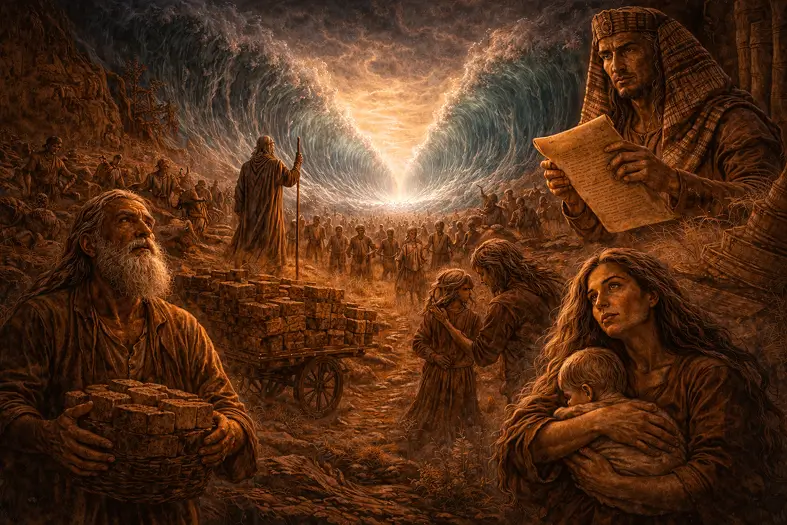
If Parshas Shemos were read naively, Moshe’s arrival should have eased suffering. He brings Divine words, promises redemption, and announces that Hashem has “remembered” His people.

Instead, everything deteriorates.

Labor intensifies. Straw is withheld. Whips multiply. And the people turn on Moshe:

“יֵרֶא ה׳ עֲלֵיכֶם וְיִשְׁפֹּט”
“May Hashem see you and judge.” (Shemos 5:21)

This is not a marginal reaction. It is the Torah’s central problem:
Why does redemption make things worse first?

Abarbanel insists that this worsening is not accidental, punitive, or a detour. It is structural.

Abarbanel’s Core Claim — Delay Is the Process

Abarbanel reads Shemos as a carefully staged historical drama. Redemption does not interrupt history; it passes through it, exposing its fault lines.

According to Abarbanel, three processes must occur before geulah can proceed:

  1. The nature of oppression must be fully revealed
  2. Human expectations of salvation must be stripped of illusion
  3. Faith must mature beyond dependence on outcomes

Delay is not the absence of redemption.
It is the environment in which redemption becomes meaningful.

Why Pharaoh Must Harden First

Abarbanel notes that Pharaoh’s reaction to Moshe is not defensive—it is aggressive. The moment redemption is announced, Pharaoh escalates cruelty.

Why?

Because systems of oppression rely on ambiguity. They survive as long as suffering can be rationalized as policy, necessity, or order.

Moshe’s arrival clarifies the moral battlefield. Once redemption is named, oppression must either retreat or reveal itself openly.

Pharaoh chooses revelation.

This is why suffering intensifies: evil, when exposed, does not fade quietly. It hardens.

Faith That Depends on Speed Is Not Faith

Abarbanel delivers his most difficult insight here.

Faith that collapses under delay was never yet ready to redeem a people.

As long as belief depends on:

  • Immediate improvement
  • Visible progress
  • Predictable timelines

It remains fragile and conditional.

True geulah requires emunah that survives disappointment.

This is why the people’s reaction matters. Their inability to bear delay reveals not failure—but unfinished formation.

Moshe’s Crisis Is Part of the Process

Moshe himself struggles:

“לָמָה הֲרֵעֹתָה לָעָם הַזֶּה”
“Why have You done evil to this people?” (Shemos 5:22)

Abarbanel stresses that Moshe’s question is not rebellion. It is prophetic honesty. Even leadership must be purified of naïve expectations.

Redemption does not proceed until even Moshe learns that:

  • Presence does not guarantee comfort
  • Mission does not guarantee success
  • Faith does not guarantee relief on demand

Only after this reckoning does the Divine response deepen.

Delay as Moral Clarification

Abarbanel reframes delay as clarity through pressure.

When suffering worsens:

  • Motivations are exposed
  • Loyalties are tested
  • Belief separates from fantasy

The Torah does not shield Israel from this stage because it is indispensable. A people redeemed without this refinement would reproduce Egypt internally, even after leaving it physically.

Application — Faith After Disillusionment

This teaching is uncomfortable — and necessary.

Many people believe until:

  • Life worsens
  • Prayers go unanswered
  • Redemption delays

Abarbanel teaches that this is not the failure of faith.
It is the beginning of mature faith.

Belief that endures without guarantees becomes capable of freedom.

Closing — When Delay Becomes Preparation

Parshas Shemos does not promise that redemption will feel good while it forms.

It promises something more demanding:
that delay itself is part of the cure.

According to Abarbanel, redemption must first dismantle illusion, strip dependency on outcomes, and refine faith under pressure.

Only then can salvation arrive — not as a fragile miracle, but as a transformation that endures.

Geulah does not begin when suffering ends.
It begins when belief survives delay.

📖 Sources

  • Full sources available on the Mitzvah Minute Parshas Shemos page under insights and commentaries.

Organized by:
Boaz Solowitch
January 4, 2026
Mitzvah Minute Logo Icon

Connections

Mitzvah Minute Logo Icon

Mitzvah Links

Mitzvah 1

To know there is a G‑d
A Siddur
Learn this Mitzvah

Mitzvah 1

1
To know there is a G‑d

Mitzvah 5

To fear Him
A Siddur
Learn this Mitzvah

Mitzvah 5

5
To fear Him

Mitzvah 11

To emulate His ways
A Siddur
Learn this Mitzvah

Mitzvah 11

11
To emulate His ways
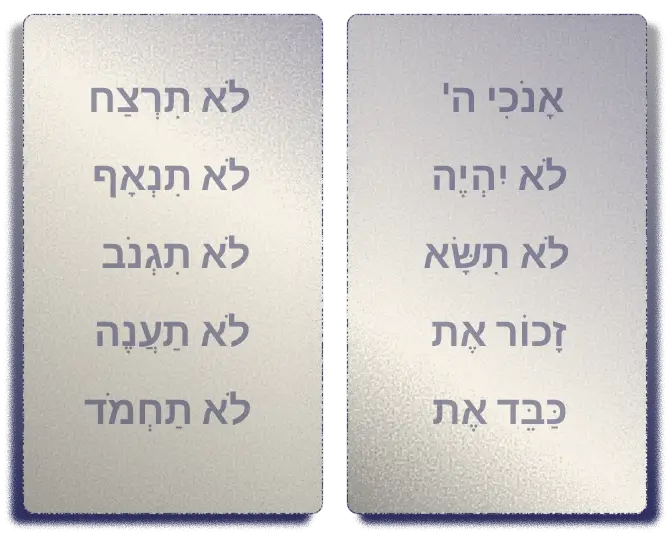
The Luchos - Ten Commandments
View Mitzvah Notes

Mitzvah Reference Notes

"x" close page navigation button

Mitzvah Reference Notes

“Geulah as Process, Not Event — Part II
Abarbanel’s Anatomy of Delay: Why Redemption Makes Things Worse First”

Mitzvah #1 — To know there is a G-d (Exodus 20:2)

אָנֹכִי ה׳ אֱלֹקֶיךָ

Abarbanel reframes knowledge of Hashem as fidelity under delay rather than certainty of outcomes. In Parshas Shemos, worsening conditions after Moshe’s arrival expose belief that depends on immediate relief as incomplete. True knowledge matures when recognition of Hashem’s presence endures even as suffering intensifies and explanations are withheld. This mitzvah is fulfilled as faith survives disappointment, separating awareness of Hashem from expectations of speed or comfort.

Mitzvah #5 — To fear Him (Deuteronomy 10:20)

אֶת־ה׳ אֱלֹקֶיךָ תִּירָא

Abarbanel shows that yirah is tested when redemption delays. Reverence here is not emotional awe but disciplined restraint—the refusal to abandon responsibility or moral clarity when circumstances worsen. Parshas Shemos depicts leaders and people confronted by unmet expectations; yiras Shamayim steadies them to remain accountable to Hashem even when faith offers no immediate reward.

Mitzvah #11 — To emulate His ways (Deuteronomy 28:9)

וְהָלַכְתָּ בִדְרָכָיו

Hashem’s conduct in Shemos models purposeful delay: revelation unfolds without haste so that illusion is dismantled and readiness is formed. Emulating His ways therefore includes patience, endurance, and commitment to process over spectacle. According to Abarbanel, walking in Hashem’s ways means sustaining justice and faith through disappointment, trusting that delay itself is shaping redemption that can endure.

Parsha Links

שְׁמוֹת – Shemos

Haftarah: Isaiah 27:6 - 28:13; Isaiah 29:22-23
A Siddur
Learn this Parsha

שְׁמוֹת – Shemos

שְׁמוֹת – Shemos
The Luchos - Ten Commandments
View Parsha Notes
"x" close page navigation button

Parsha Reference Notes

“Geulah as Process, Not Event — Part II
Abarbanel’s Anatomy of Delay: Why Redemption Makes Things Worse First”

Parshas Shemos (Exodus 1:1–6:1)

Parshas Shemos presents a sharp paradox: the announcement of redemption is followed not by relief, but by intensified suffering. After Moshe speaks to Pharaoh, labor is increased, straw is withheld, and the people’s despair deepens. Abarbanel explains that this worsening is not a punishment or misstep, but a necessary stage in the redemptive process. Redemption, he argues, must first expose the full inner structure of exile—political, psychological, and spiritual—before it can undo it.

According to Abarbanel, Pharaoh’s escalation clarifies the moral reality of oppression, stripping away any illusion that Egypt’s cruelty is merely pragmatic or temporary. At the same time, delay tests and refines faith: belief that depends on immediate improvement proves fragile, while belief that survives disappointment matures. Even Moshe’s anguished question—“לָמָה הֲרֵעֹתָה לָעָם הַזֶּה”—is part of this purification, revealing that leadership itself must relinquish naïve expectations. Parshas Shemos thus teaches that worsening conditions are not a contradiction of redemption, but the crucible through which enduring geulah is formed.

Mitzvah Minute
Mitzvah Minute Logo

Learn more.

Dive into mitzvos, tefillah, and Torah study—each section curated to help you learn, reflect, and live with intention. New insights are added regularly, creating an evolving space for spiritual growth.

Luchos
Live a commandment-driven life

Mitzvah

Explore the 613 mitzvos and uncover the meaning behind each one. Discover practical ways to integrate them into your daily life with insights, sources, and guided reflection.

Learn more

Mitzvah #

5

To fear Him
The Luchos - Ten Commandments
Learn this Mitzvah

Mitzvah Highlight

Siddur
Connection through Davening

Tefillah

Learn the structure, depth, and spiritual intent behind Jewish prayer. Dive into morning blessings, Shema, Amidah, and more—with tools to enrich your daily connection.

Learn more

Tefillah

COMING SOON.
A Siddur
Learn this Tefillah

Tefillah Focus

A Sefer Torah
Study the weekly Torah portion

Parsha

Each week’s parsha offers timeless wisdom and modern relevance. Explore summaries, key themes, and mitzvah connections to deepen your understanding of the Torah cycle.

Learn more

וָאֵרָא – Va’eira

Haftarah: Ezekiel 28:25 - 29:21
A Sefer Torah
Learn this Parsha

Weekly Parsha