"Va’eira — Part VI — Inner Redemption (Chassidic Arc)"

Mitzvah Minute Logo Icon

6.1 - Knowing Hashem Requires a Vessel: Why Revelation Needs Inner Capacity

Kotzer Ruach in Mitzraim
Why doesn’t revelation automatically redeem? Chassidus teaches that truth requires a vessel. Drawing on kotzer ruach and the teachings of the Baal Shem Tov, this essay shows that redemption depends not on the intensity of revelation but on inner capacity to receive it. Egypt collapses under overwhelming truth; Israel must slowly become a vessel capable of holding freedom. Va’eira reveals that inner expansion must precede outer liberation—or redemption will shatter the soul instead of saving it.

"Va’eira — Part VI — Inner Redemption (Chassidic Arc)"

6.1 - Knowing Hashem Requires a Vessel: Why Revelation Needs Inner Capacity

Chassidus reads Parshas Va’eira with a penetrating question: If Hashem reveals Himself so openly, why does redemption not follow immediately? The answer offered by the Baal Shem Tov and his students is not about the strength of revelation—but about the readiness of the receiver.

Revelation without a vessel does not redeem.
It overwhelms.

Revelation Is Not the Same as Reception

The Torah states:

וָאֵרָא אֶל־אַבְרָהָם… וּשְׁמִי ה׳ לֹא נוֹדַעְתִּי לָהֶם
“I appeared to Avraham… but by My Name Hashem I was not known to them.”

Chassidus explains that knowing (da’at) is not information. It is integration. Hashem’s Name is revealed not when it is spoken, but when it is contained.

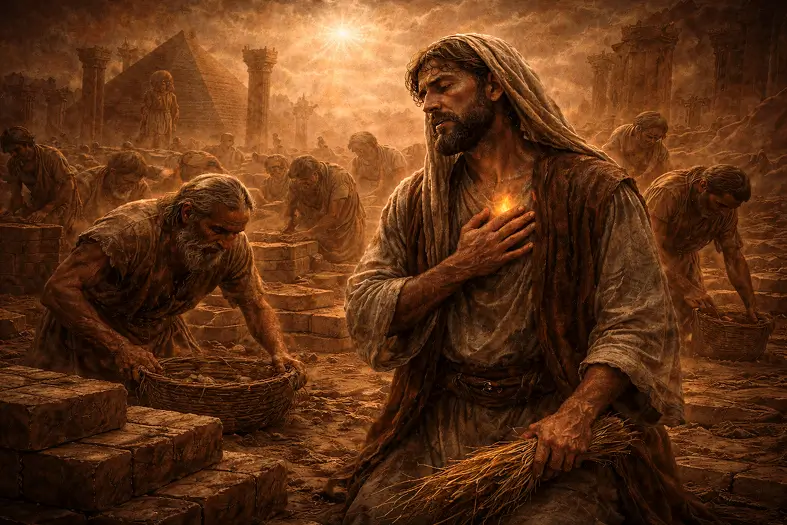
Egypt is flooded with revelation. Pharaoh sees miracles. Egypt collapses. Yet nothing is held. Israel, by contrast, must first become a vessel capable of receiving freedom without shattering.

What Is a Vessel?

A kli (vessel) is the inner structure that allows Divine truth to be absorbed rather than resisted.

A vessel requires:

  • Humility rather than control
  • Patience rather than immediacy
  • Submission rather than mastery
  • Inner quiet rather than reactive fear

Without a vessel, revelation produces panic, denial, or manipulation.

Kotzer Ruach: The Absence of Vessel

The Torah describes Israel’s early state:

מִקֹּצֶר רוּחַ וּמֵעֲבֹדָה קָשָׁה
“From shortness of spirit and hard labor.”

Chassidus reads kotzer ruach not as despair alone, but as constriction of inner space. A person crushed by survival cannot hold transcendence. The message may be true, but the soul has no room.

Redemption therefore cannot begin externally. It must begin by expanding the inner vessel.

Why the Plagues Come First

Chassidus teaches that the plagues are not aimed only at Egypt. They are clearing space within Israel.

Each plague removes another illusion:

  • Power without justice
  • Nature without command
  • Authority without humility

As Egypt’s worldview collapses, Israel’s inner blockage begins to loosen. Space is created.

Fear as Vessel, Not Terror

Fear of Hashem (yirah) is not dread—it is receptivity. It quiets the ego enough to allow truth to settle.

This explains why fear follows knowledge in the Torah’s order. Knowledge without fear spills out. Fear creates containment.

Pharaoh: Revelation Without Vessel

Pharaoh represents a self sealed shut. Revelation bounces off. Pressure produces reaction, not transformation. The more intense the revelation, the more defensive the response.

Chassidus sees Pharaoh not as lacking truth—but as lacking capacity.

Israel: Becoming a Vessel Before Freedom

Israel’s redemption unfolds slowly because vessels are formed slowly. Slavery breaks vessels. Redemption must rebuild them.

This is why Sinai comes later. A shattered vessel cannot hold Torah.

Inner Redemption Precedes Outer Redemption

Chassidus insists on a radical claim: freedom does not begin when chains fall—it begins when the soul expands.

Only when Israel becomes a vessel can revelation redeem rather than overwhelm.

The Opening of Part VI

Part VI shifts the question from what is revealed to who can receive. Redemption now turns inward.

The plagues taught truth.
Fear stabilized it.
Philosophy defined it.

Now Chassidus asks the final preparatory question:

Is there space within to hold freedom?

Only a vessel can carry light.

And only inner redemption allows outer redemption to last.

📖 Sources

  • Full sources available on the Mitzvah Minute Parshas Va'eira page under insights and commentaries.

Organized by:
Boaz Solowitch
January 7, 2026
Mitzvah Minute Logo Icon

Connections

Mitzvah Minute Logo Icon

Mitzvah Links

Mitzvah 1

To know there is a G‑d
A Siddur
Learn this Mitzvah

Mitzvah 1

1
To know there is a G‑d

Mitzvah 5

To fear Him
A Siddur
Learn this Mitzvah

Mitzvah 5

5
To fear Him

Mitzvah 9

To listen to the prophet speaking in His Name
A Siddur
Learn this Mitzvah

Mitzvah 9

9
To listen to the prophet speaking in His Name

Mitzvah 11

To emulate His ways
A Siddur
Learn this Mitzvah

Mitzvah 11

11
To emulate His ways

Mitzvah 121

To afflict and cry out before G‑d in times of catastrophe
A Siddur
Learn this Mitzvah

Mitzvah 121

121
To afflict and cry out before G‑d in times of catastrophe
The Luchos - Ten Commandments
View Mitzvah Notes

Mitzvah Reference Notes

"x" close page navigation button

Mitzvah Reference Notes

“Knowing Hashem Requires a Vessel: Why Revelation Needs Inner Capacity”

Mitzvah #1 — To Know There Is a G-d

(Exodus 20:2)

אָנֹכִי ה׳ אֱלֹקֶיךָ

Chassidus explains that knowledge of Hashem (da’at) is not mere awareness, but internalized truth. Va’eira demonstrates that revelation alone does not fulfill this mitzvah; Israel hears Hashem’s promise yet cannot absorb it due to kotzer ruach. Knowing Hashem requires an inner vessel capable of holding Divine truth without fragmentation.

Mitzvah #5 — To Fear Hashem

(Deuteronomy 10:20)

אֶת־ה׳ אֱלֹקֶיךָ תִּירָא

Fear of Hashem functions as a vessel rather than an emotion. Chassidus teaches that yirah creates inner humility and quiet, allowing revelation to be contained. Without fear, truth overwhelms or is rejected. Va’eira shows that yirah must precede redemption so that freedom does not shatter the soul.

Mitzvah #9 — To Listen to the Prophet Speaking in His Name

(Deuteronomy 18:15)

אֵלָיו תִּשְׁמָעוּן

Listening requires capacity. Israel’s failure to hear Moshe is not disbelief but inability. This mitzvah highlights that reception of prophecy depends on inner readiness; without a vessel, even authentic Divine speech cannot be absorbed or acted upon.

Mitzvah #11 — To Walk in His Ways

(Deuteronomy 28:9)

וְהָלַכְתָּ בִּדְרָכָיו

Hashem reveals Himself gradually, modeling restraint and patience. Chassidus understands this Divine gradualism as a way of forming vessels within the recipient. Emulating Hashem means cultivating inner space—humility, patience, and receptivity—before demanding transformation from oneself or others.

Mitzvah #121 — To Cry Out to Hashem in Times of Distress

(Numbers 10:9)

וַהֲרֵעֹתֶם בַּחֲצֹרוֹת

Crying out in distress expands the inner vessel by breaking constriction. Chassidus frames sincere outcry as a means of widening the soul’s capacity to receive Hashem’s presence. Va’eira contrasts this with Pharaoh’s cries, which seek relief but do not create receptivity.

Parsha Links

וָאֵרָא – Va’eira

Haftarah: Ezekiel 28:25 - 29:21
A Siddur
Learn this Parsha

וָאֵרָא – Va’eira

וָאֵרָא – Va’eira
The Luchos - Ten Commandments
View Parsha Notes
"x" close page navigation button

Parsha Reference Notes

“Knowing Hashem Requires a Vessel: Why Revelation Needs Inner Capacity”

Parshas Va’eira (Shemos 6:2–9; 7:1–5)

Parshas Va’eira opens with a contrast between Divine revelation and human reception. Hashem declares וָאֵרָא אֶל־אַבְרָהָם… וּשְׁמִי ה׳ לֹא נוֹדַעְתִּי לָהֶם, distinguishing between appearance and knowing. Chassidus interprets da’at as integration rather than information: revelation is effective only when it can be contained within the inner life of the receiver.

This gap is made explicit when Moshe delivers Hashem’s message to Israel and the Torah records that they do not listen מִקֹּצֶר רוּחַ וּמֵעֲבֹדָה קָשָׁה. The parsha presents kotzer ruach as an internal constriction that prevents reception of truth even when it is accurate and urgent. Israel’s inability to absorb redemption is thus framed as a limitation of capacity, not credibility.

Va’eira situates the plagues as preparatory rather than merely punitive. As Egypt’s worldview collapses, inner space is created for Israel to receive freedom without fragmentation. The parsha teaches that redemption must be preceded by the formation of vessels—humility, patience, and fear of Hashem—so that revelation can settle rather than overwhelm. Only once inner constriction begins to loosen can Divine truth be known in a way that endures.

Mitzvah Minute
Mitzvah Minute Logo

Learn more.

Dive into mitzvos, tefillah, and Torah study—each section curated to help you learn, reflect, and live with intention. New insights are added regularly, creating an evolving space for spiritual growth.

Luchos
Live a commandment-driven life

Mitzvah

Explore the 613 mitzvos and uncover the meaning behind each one. Discover practical ways to integrate them into your daily life with insights, sources, and guided reflection.

Learn more

Mitzvah #

5

To fear Him
The Luchos - Ten Commandments
Learn this Mitzvah

Mitzvah Highlight

Siddur
Connection through Davening

Tefillah

Learn the structure, depth, and spiritual intent behind Jewish prayer. Dive into morning blessings, Shema, Amidah, and more—with tools to enrich your daily connection.

Learn more

Tefillah

COMING SOON.
A Siddur
Learn this Tefillah

Tefillah Focus

A Sefer Torah
Study the weekly Torah portion

Parsha

Each week’s parsha offers timeless wisdom and modern relevance. Explore summaries, key themes, and mitzvah connections to deepen your understanding of the Torah cycle.

Learn more

וָאֵרָא – Va’eira

Haftarah: Ezekiel 28:25 - 29:21
A Sefer Torah
Learn this Parsha

Weekly Parsha