5.5 — Gratitude Before Theology: Recognition Comes Before Ideology
(Rabbi Jonathan Sacks lens)
Modern thought often begins with ideas: proofs, doctrines, ideologies. Rabbi Jonathan Sacks insists that the Torah begins elsewhere—with recognition. Before theology, there is gratitude. Before belief is debated, kindness is acknowledged. Sinai does not open with an argument about G-d’s existence, but with a reminder of what He has already done:
[אֲשֶׁר הוֹצֵאתִיךָ מֵאֶרֶץ מִצְרַיִם — “Who took you out of the land of Egypt”].
The covenant is stabilized not by abstraction, but by thankfulness.
Gratitude is not merely moral; it is cognitive. To say “thank you” is to recognize causality, intention, and care. Rabbi Sacks emphasizes that a grateful people sees the world as gift rather than accident. That posture anchors emunah long before it is articulated as belief.
The Torah therefore trains recognition before it demands obedience. Gratitude is the lens through which truth becomes livable.
Ideology organizes ideas; recognition organizes relationships. Ideology can coerce, polarize, and harden. Recognition softens without weakening. Sinai does not recruit Israel to a theory; it reminds them of a rescue.
This is why the Torah resists beginning with creation. Creation can be theorized; redemption must be remembered. Gratitude binds the heart to truth without argument.
Rabbi Sacks often noted that Judaism is a religion of memory. Memory here is not nostalgia; it is grammar—the structure through which meaning is spoken. The Exodus supplies the grammar of faith: a G-d who hears cries, intervenes in history, and remains faithful to the vulnerable.
Once that grammar is internalized, theology follows naturally. Without it, theology becomes brittle.
Freedom without gratitude curdles into entitlement. A people who forget how they were redeemed soon forget why law exists. Rabbi Sacks warned that societies collapse when they lose the habit of thankfulness; obligation feels arbitrary, and authority feels imposed.
Sinai therefore teaches gratitude before command. Law that grows out of thanks becomes covenant, not control.
Gratitude creates trust. Trust allows obedience without resentment. Israel accepts mitzvah not as loss of freedom, but as response to care already shown. This explains why the Torah repeats the Exodus constantly—in prayer, Shabbos, festivals, and daily speech. Gratitude must be renewed, or emunah erodes.
Recognition is not a moment; it is a discipline.
Rabbi Sacks framed Jewish ethics as a “moral memory.” We act justly because we remember being powerless. We restrain power because we remember suffering under it. Gratitude converts memory into responsibility.
This is the quiet genius of Torah: it transforms history into obligation without coercion.
Chassidic masters describe hakarat ha-tov—recognizing the good—as foundational avodah. A grateful heart becomes receptive; an ungrateful one resists truth. Gratitude clears space for command by softening the self.
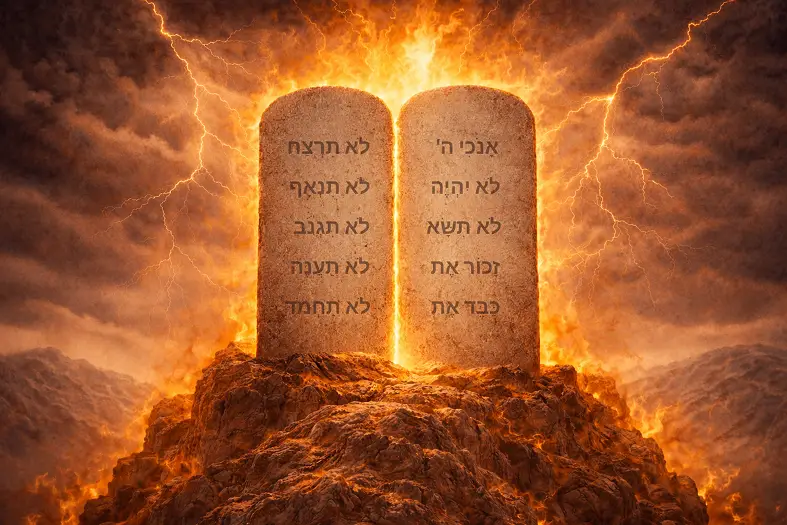
Sinai, then, is not thunder alone. It is remembrance that opens the soul.
We live in an age saturated with ideology and starved of gratitude. Rabbi Sacks’ insight is countercultural and urgent: faith that begins with thanks endures; faith that begins with argument fractures.
The Torah teaches us to remember before we reason, to thank before we theologize. Gratitude is not a preface to emunah—it is its stabilizer.
📖 Sources


5.5 — Gratitude Before Theology: Recognition Comes Before Ideology
(Rabbi Jonathan Sacks lens)
Modern thought often begins with ideas: proofs, doctrines, ideologies. Rabbi Jonathan Sacks insists that the Torah begins elsewhere—with recognition. Before theology, there is gratitude. Before belief is debated, kindness is acknowledged. Sinai does not open with an argument about G-d’s existence, but with a reminder of what He has already done:
[אֲשֶׁר הוֹצֵאתִיךָ מֵאֶרֶץ מִצְרַיִם — “Who took you out of the land of Egypt”].
The covenant is stabilized not by abstraction, but by thankfulness.
Gratitude is not merely moral; it is cognitive. To say “thank you” is to recognize causality, intention, and care. Rabbi Sacks emphasizes that a grateful people sees the world as gift rather than accident. That posture anchors emunah long before it is articulated as belief.
The Torah therefore trains recognition before it demands obedience. Gratitude is the lens through which truth becomes livable.
Ideology organizes ideas; recognition organizes relationships. Ideology can coerce, polarize, and harden. Recognition softens without weakening. Sinai does not recruit Israel to a theory; it reminds them of a rescue.
This is why the Torah resists beginning with creation. Creation can be theorized; redemption must be remembered. Gratitude binds the heart to truth without argument.
Rabbi Sacks often noted that Judaism is a religion of memory. Memory here is not nostalgia; it is grammar—the structure through which meaning is spoken. The Exodus supplies the grammar of faith: a G-d who hears cries, intervenes in history, and remains faithful to the vulnerable.
Once that grammar is internalized, theology follows naturally. Without it, theology becomes brittle.
Freedom without gratitude curdles into entitlement. A people who forget how they were redeemed soon forget why law exists. Rabbi Sacks warned that societies collapse when they lose the habit of thankfulness; obligation feels arbitrary, and authority feels imposed.
Sinai therefore teaches gratitude before command. Law that grows out of thanks becomes covenant, not control.
Gratitude creates trust. Trust allows obedience without resentment. Israel accepts mitzvah not as loss of freedom, but as response to care already shown. This explains why the Torah repeats the Exodus constantly—in prayer, Shabbos, festivals, and daily speech. Gratitude must be renewed, or emunah erodes.
Recognition is not a moment; it is a discipline.
Rabbi Sacks framed Jewish ethics as a “moral memory.” We act justly because we remember being powerless. We restrain power because we remember suffering under it. Gratitude converts memory into responsibility.
This is the quiet genius of Torah: it transforms history into obligation without coercion.
Chassidic masters describe hakarat ha-tov—recognizing the good—as foundational avodah. A grateful heart becomes receptive; an ungrateful one resists truth. Gratitude clears space for command by softening the self.
Sinai, then, is not thunder alone. It is remembrance that opens the soul.
We live in an age saturated with ideology and starved of gratitude. Rabbi Sacks’ insight is countercultural and urgent: faith that begins with thanks endures; faith that begins with argument fractures.
The Torah teaches us to remember before we reason, to thank before we theologize. Gratitude is not a preface to emunah—it is its stabilizer.
📖 Sources


“Gratitude Before Theology: Recognition Comes Before Ideology”
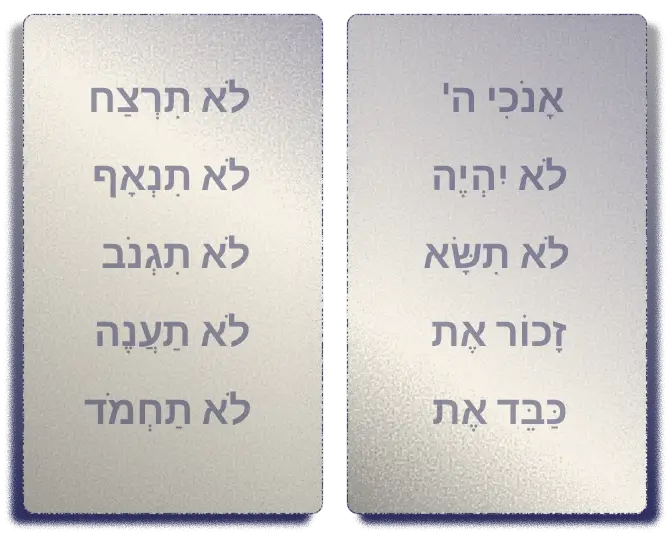
אָנֹכִי ה׳ אֱלֹקֶיךָ
Knowing Hashem is grounded in recognition of His redemptive acts. Gratitude anchors knowledge in lived history rather than abstract proof.
וְאָהַבְתָּ אֵת ה׳ אֱלֹקֶיךָ
Love grows from gratitude. Remembering redemption cultivates attachment that sustains long-term covenantal commitment.
אֶת ה׳ אֱלֹקֶיךָ תִּירָא
Yirah here is reverent accountability shaped by gratitude—recognizing a caring authority rather than fearing impersonal power.


“Gratitude Before Theology: Recognition Comes Before Ideology”
Parshas Yisro frames the Aseres HaDibros through the memory of Exodus. By invoking redemption before command, the Torah establishes gratitude as the posture that stabilizes emunah and transforms law into covenant.

Dive into mitzvos, tefillah, and Torah study—each section curated to help you learn, reflect, and live with intention. New insights are added regularly, creating an evolving space for spiritual growth.

Explore the 613 mitzvos and uncover the meaning behind each one. Discover practical ways to integrate them into your daily life with insights, sources, and guided reflection.

Learn the structure, depth, and spiritual intent behind Jewish prayer. Dive into morning blessings, Shema, Amidah, and more—with tools to enrich your daily connection.

Each week’s parsha offers timeless wisdom and modern relevance. Explore summaries, key themes, and mitzvah connections to deepen your understanding of the Torah cycle.