5.4 — Rav Avigdor Miller: “Anochi” as Intellectual Avodah—Training the Mind
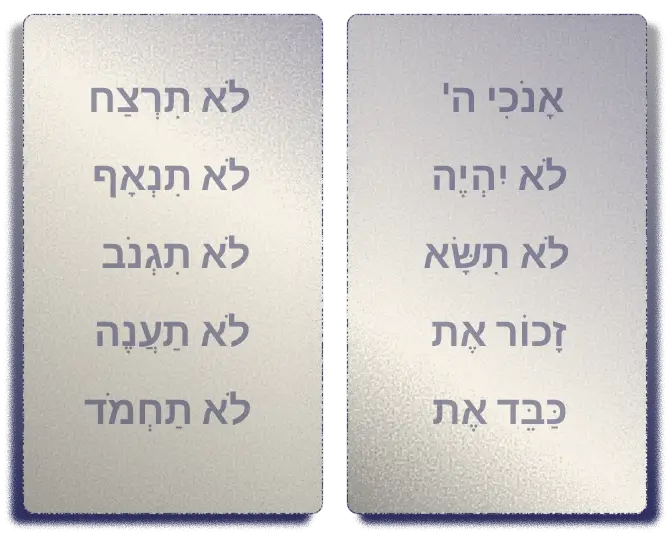
Rav Avigdor Miller draws attention to what he calls the Torah’s hidden commandment—a mitzvah that does not regulate behavior directly, but trains the mind itself. When the Torah opens with [אָנֹכִי ה׳ אֱלֹקֶיךָ — “I am Hashem your G-d”], it is not merely stating a fact. It is assigning work.
Not work of the hands, but work of thought.
Sinai’s goal, Rav Miller insists, is not only obedient Jews, but thinking Jews—people whose instincts, reactions, and assumptions are gradually reshaped by Torah truth.
Rav Miller is sharply opposed to reducing emunah to a feeling or slogan. Belief that lives only in words does nothing to govern a person’s inner world. “Anochi,” he explains, demands intellectual avodah: repeated, conscious attention to the reality of Hashem until that reality governs how one interprets life.
This is why Rambam formulates Mitzvah #1 as knowledge, not belief. Knowledge requires effort. It must be reviewed, defended, clarified, and internalized.
The commandment is not “believe once,” but think correctly always.
Rav Miller compares the mind to a muscle. Left unattended, it follows habit and impulse. Trained deliberately, it develops reflexes aligned with truth. “Anochi” therefore becomes a lifelong exercise: noticing Hashem’s involvement, attributing outcomes properly, resisting the illusion of randomness.
Sinai introduces obligation; intellectual avodah sustains it.
Without this training, mitzvot become external compliance. With it, they become natural expression.
One of Rav Miller’s most penetrating insights is that Torah does not aim merely to inform, but to reprogram. The Torah wants a Jew whose first assumption is that Hashem is present, purposeful, and attentive.
That does not happen automatically—even after Sinai.
Hence the hidden commandment:
This is avodah that never appears on a checklist, yet undergirds every mitzvah.
Rav Miller is adamant: if Torah did not command intellectual avodah, people would drift. Emotion fades. Memory weakens. Social pressure intrudes. Only disciplined thinking preserves covenant across time.
This resolves Abarbanel’s concern without negating it. Authority is encountered at Sinai—but maintenance of that encounter requires commanded thought.
Anochi is therefore both foundation and ongoing labor.
Rav Miller warns of a danger: a community that observes mitzvot outwardly while thinking secularly inwardly. Sinai comes to prevent this split. Torah wants a Jew whose worldview, not only behavior, is Torah-shaped.
This is why emunah appears everywhere in halachah—not as theory, but as orientation.
Chassidic teaching echoes Rav Miller’s emphasis: mochin (mental frameworks) precede middot (character traits). When the mind is trained, the heart follows. “Anochi” begins in the intellect so that avodah can permeate the whole person.
We live in an age of information overload and attention scarcity. Rav Miller’s reading of “Anochi” is therefore radical and necessary. Torah does not ask for passive belief, but active mental discipline.
Sinai did not end with hearing. It began a lifelong task: to train the mind until Torah becomes instinct.
📖 Sources


5.4 — Rav Avigdor Miller: “Anochi” as Intellectual Avodah—Training the Mind
Rav Avigdor Miller draws attention to what he calls the Torah’s hidden commandment—a mitzvah that does not regulate behavior directly, but trains the mind itself. When the Torah opens with [אָנֹכִי ה׳ אֱלֹקֶיךָ — “I am Hashem your G-d”], it is not merely stating a fact. It is assigning work.
Not work of the hands, but work of thought.
Sinai’s goal, Rav Miller insists, is not only obedient Jews, but thinking Jews—people whose instincts, reactions, and assumptions are gradually reshaped by Torah truth.
Rav Miller is sharply opposed to reducing emunah to a feeling or slogan. Belief that lives only in words does nothing to govern a person’s inner world. “Anochi,” he explains, demands intellectual avodah: repeated, conscious attention to the reality of Hashem until that reality governs how one interprets life.
This is why Rambam formulates Mitzvah #1 as knowledge, not belief. Knowledge requires effort. It must be reviewed, defended, clarified, and internalized.
The commandment is not “believe once,” but think correctly always.
Rav Miller compares the mind to a muscle. Left unattended, it follows habit and impulse. Trained deliberately, it develops reflexes aligned with truth. “Anochi” therefore becomes a lifelong exercise: noticing Hashem’s involvement, attributing outcomes properly, resisting the illusion of randomness.
Sinai introduces obligation; intellectual avodah sustains it.
Without this training, mitzvot become external compliance. With it, they become natural expression.
One of Rav Miller’s most penetrating insights is that Torah does not aim merely to inform, but to reprogram. The Torah wants a Jew whose first assumption is that Hashem is present, purposeful, and attentive.
That does not happen automatically—even after Sinai.
Hence the hidden commandment:
This is avodah that never appears on a checklist, yet undergirds every mitzvah.
Rav Miller is adamant: if Torah did not command intellectual avodah, people would drift. Emotion fades. Memory weakens. Social pressure intrudes. Only disciplined thinking preserves covenant across time.
This resolves Abarbanel’s concern without negating it. Authority is encountered at Sinai—but maintenance of that encounter requires commanded thought.
Anochi is therefore both foundation and ongoing labor.
Rav Miller warns of a danger: a community that observes mitzvot outwardly while thinking secularly inwardly. Sinai comes to prevent this split. Torah wants a Jew whose worldview, not only behavior, is Torah-shaped.
This is why emunah appears everywhere in halachah—not as theory, but as orientation.
Chassidic teaching echoes Rav Miller’s emphasis: mochin (mental frameworks) precede middot (character traits). When the mind is trained, the heart follows. “Anochi” begins in the intellect so that avodah can permeate the whole person.
We live in an age of information overload and attention scarcity. Rav Miller’s reading of “Anochi” is therefore radical and necessary. Torah does not ask for passive belief, but active mental discipline.
Sinai did not end with hearing. It began a lifelong task: to train the mind until Torah becomes instinct.
📖 Sources


“Rav Avigdor Miller: ‘Anochi’ as Intellectual Avodah—Training the Mind”
אָנֹכִי ה׳ אֱלֹקֶיךָ
This mitzvah obligates sustained intellectual engagement. Knowing Hashem requires continuous reflection and reinforcement until awareness of Divine reality becomes instinctive.
שְׁמַע יִשְׂרָאֵל ה׳ אֱלֹקֵינוּ ה׳ אֶחָד
Unity must be thought, not merely recited. Rav Miller frames Shema as daily cognitive training against fragmentation and secular assumptions.
אֶת ה׳ אֱלֹקֶיךָ תִּירָא
Yirah emerges when disciplined thought internalizes Hashem’s presence. Fear here is intellectual clarity that governs instinct and restraint.


“Rav Avigdor Miller: ‘Anochi’ as Intellectual Avodah—Training the Mind”
Parshas Yisro presents “Anochi” as the foundation of all mitzvot. Rav Avigdor Miller explains that this foundation requires constant intellectual labor—training perception so that Hashem’s presence frames every aspect of life.

Dive into mitzvos, tefillah, and Torah study—each section curated to help you learn, reflect, and live with intention. New insights are added regularly, creating an evolving space for spiritual growth.

Explore the 613 mitzvos and uncover the meaning behind each one. Discover practical ways to integrate them into your daily life with insights, sources, and guided reflection.

Learn the structure, depth, and spiritual intent behind Jewish prayer. Dive into morning blessings, Shema, Amidah, and more—with tools to enrich your daily connection.

Each week’s parsha offers timeless wisdom and modern relevance. Explore summaries, key themes, and mitzvah connections to deepen your understanding of the Torah cycle.