1.1 — Counted in the Wilderness: Finding Your Place in the World
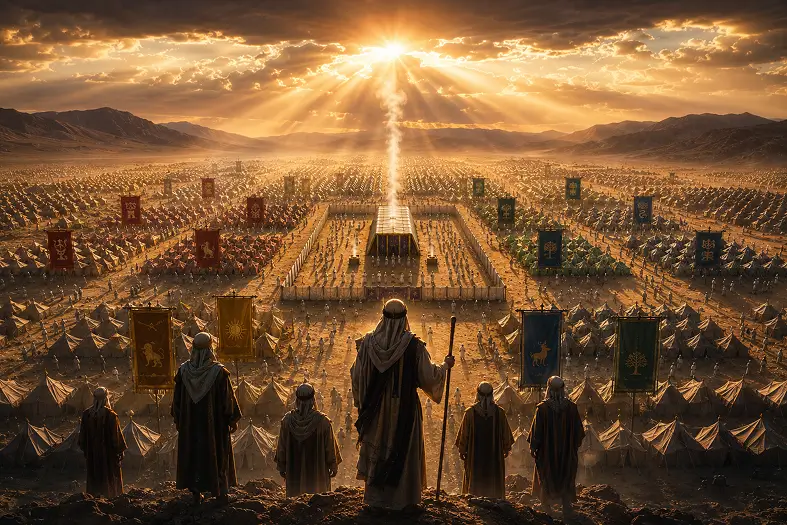
Parshas Bamidbar begins in the מדבר — wilderness. It is an empty place, without fields, buildings, monuments, or permanent borders. Nothing there tells a person, “This is who you are.” There is no empire to impress, no audience to please, and no status to protect. The מדבר strips away the outer layers that people often mistake for identity.
That is why the opening census is so powerful. A מִנְיָן — census can sound cold. It can make a person feel like one number among thousands. Modern life knows this feeling very well. People are counted by grades, income, followers, productivity, attention, and influence. A person can be surrounded by noise and still feel unseen. He can be measured all day and still feel unknown.
The Torah answers with the words שאו את ראש — “lift the head.” Hashem does not count Klal Yisrael to reduce them. He counts them to raise them. Rashi teaches that Hashem counts them because of חיבה — affection. They are precious to Him, so He counts them again when the שכינה — Divine Presence rests among them through the Mishkan. Love here does not erase structure. It appears through family, shevet — tribe, leadership, and place.
Ramban deepens this. The census is כבוד — honor, זיכרון — remembrance, and השגחה — Divine supervision. Each person passes before Moshe and Aharon by name. He is not swallowed by the nation. He enters it with personal dignity. פקידה — counting means care. It means Hashem pays attention.
The Torah therefore counts למשפחתם לבית אבתם — “by their families, by their fathers’ houses.” Identity is not invented from nothing. A Jew belongs to a people, a history, a family root, and a covenant larger than himself. The former slaves of Mitzrayim are now becoming an ordered nation. Their dignity does not come from political power. It comes from belonging to Hashem.
The Sfas Emes teaches that Torah is acquired by one who becomes כמדבר הפקר — ownerless like the wilderness. This does not mean a person has no self. It means he becomes open enough for Hashem to define him. When the noise quiets, the נשמה — soul can hear its real name.
The Kedushas Levi reveals the inner meaning of this count. Every Jew is an אות בתורה — letter in the Torah. If one letter is missing, the Torah scroll is incomplete. Every soul carries a distinct דעת — spiritual understanding, a distinct light, and a distinct place in the living Torah of Klal Yisrael.
This is the hidden truth of Bamidbar. Bnei Yisrael are counted, yet they remain מספר אין — beyond number. Each person has a revealed mission below, in עולם, שנה, נפש — space, time, and soul. Yet his root reaches Above, beyond ordinary measurement.
Rambam gives this identity practical form. A person becomes whole through responsibility, not through self-expression alone. Freedom without structure becomes confusion. The camp around the Mishkan teaches that every person, family, and shevet needs a center. Holiness must become ordered חיים — life, directed toward ‘עֲבוֹדַת ה — service of Hashem.
Rav Kook adds that national kedushah — holiness does not erase the individual. Each soul adds its own light to the larger light of Klal Yisrael. Abarbanel grounds this in history: families become tribes, tribes become a nation, and the nation becomes ready to travel with Hashem at its center.
Bamidbar is not a book of numbers. It is a book of belonging. In the empty wilderness, Hashem tells every Jew: you are known, you are counted, you are placed, and you are needed.
The modern world often asks a person to create himself and then measures whether he has succeeded. Torah gives a quieter and deeper strength. A Jew does not have to become visible in order to become real. He does not have to be impressive in order to matter.
There is great peace in knowing that life is not random. A person has a place, a direction, a task, and a root Above. His value begins before achievement, because Hashem already knows him. His mission grows through family, Torah, community, responsibility, and the sacred center of his life.
When identity is built this way, structure no longer feels like a cage. It becomes a home. The Mishkan stands in the center, and the soul learns where it belongs.
📖 Sources


1.1 — Counted in the Wilderness: Finding Your Place in the World
Parshas Bamidbar begins in the מדבר — wilderness. It is an empty place, without fields, buildings, monuments, or permanent borders. Nothing there tells a person, “This is who you are.” There is no empire to impress, no audience to please, and no status to protect. The מדבר strips away the outer layers that people often mistake for identity.
That is why the opening census is so powerful. A מִנְיָן — census can sound cold. It can make a person feel like one number among thousands. Modern life knows this feeling very well. People are counted by grades, income, followers, productivity, attention, and influence. A person can be surrounded by noise and still feel unseen. He can be measured all day and still feel unknown.
The Torah answers with the words שאו את ראש — “lift the head.” Hashem does not count Klal Yisrael to reduce them. He counts them to raise them. Rashi teaches that Hashem counts them because of חיבה — affection. They are precious to Him, so He counts them again when the שכינה — Divine Presence rests among them through the Mishkan. Love here does not erase structure. It appears through family, shevet — tribe, leadership, and place.
Ramban deepens this. The census is כבוד — honor, זיכרון — remembrance, and השגחה — Divine supervision. Each person passes before Moshe and Aharon by name. He is not swallowed by the nation. He enters it with personal dignity. פקידה — counting means care. It means Hashem pays attention.
The Torah therefore counts למשפחתם לבית אבתם — “by their families, by their fathers’ houses.” Identity is not invented from nothing. A Jew belongs to a people, a history, a family root, and a covenant larger than himself. The former slaves of Mitzrayim are now becoming an ordered nation. Their dignity does not come from political power. It comes from belonging to Hashem.
The Sfas Emes teaches that Torah is acquired by one who becomes כמדבר הפקר — ownerless like the wilderness. This does not mean a person has no self. It means he becomes open enough for Hashem to define him. When the noise quiets, the נשמה — soul can hear its real name.
The Kedushas Levi reveals the inner meaning of this count. Every Jew is an אות בתורה — letter in the Torah. If one letter is missing, the Torah scroll is incomplete. Every soul carries a distinct דעת — spiritual understanding, a distinct light, and a distinct place in the living Torah of Klal Yisrael.
This is the hidden truth of Bamidbar. Bnei Yisrael are counted, yet they remain מספר אין — beyond number. Each person has a revealed mission below, in עולם, שנה, נפש — space, time, and soul. Yet his root reaches Above, beyond ordinary measurement.
Rambam gives this identity practical form. A person becomes whole through responsibility, not through self-expression alone. Freedom without structure becomes confusion. The camp around the Mishkan teaches that every person, family, and shevet needs a center. Holiness must become ordered חיים — life, directed toward ‘עֲבוֹדַת ה — service of Hashem.
Rav Kook adds that national kedushah — holiness does not erase the individual. Each soul adds its own light to the larger light of Klal Yisrael. Abarbanel grounds this in history: families become tribes, tribes become a nation, and the nation becomes ready to travel with Hashem at its center.
Bamidbar is not a book of numbers. It is a book of belonging. In the empty wilderness, Hashem tells every Jew: you are known, you are counted, you are placed, and you are needed.
The modern world often asks a person to create himself and then measures whether he has succeeded. Torah gives a quieter and deeper strength. A Jew does not have to become visible in order to become real. He does not have to be impressive in order to matter.
There is great peace in knowing that life is not random. A person has a place, a direction, a task, and a root Above. His value begins before achievement, because Hashem already knows him. His mission grows through family, Torah, community, responsibility, and the sacred center of his life.
When identity is built this way, structure no longer feels like a cage. It becomes a home. The Mishkan stands in the center, and the soul learns where it belongs.
📖 Sources


“Counted in the Wilderness: Finding Your Place in the World”
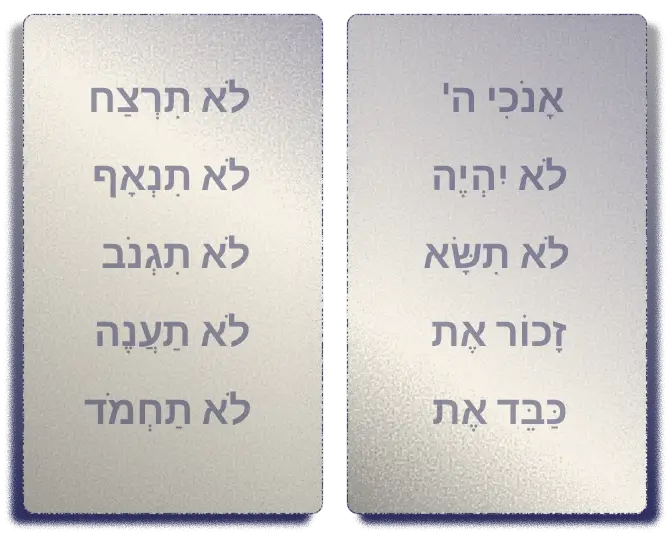
אָנֹכִי ה׳ אֱלֹקֶיךָ
Bamidbar teaches that identity begins with Hashem’s knowledge of the person. A Jew is not self-created or random. He stands before Hashem with a place, a name, and a mission. Knowing Hashem means living with the awareness that one’s life is held within Divine covenant and השגחה — Divine supervision.
וּבוֹ תִדְבָּק
The census places each Jew within family, shevet — tribe, leadership, and the larger camp of Klal Yisrael. דבקות — cleaving to Hashem is strengthened through attachment to those who carry Torah and live near its center. Bamidbar shows that holy identity grows through belonging, not isolation.
וְשִׁנַּנְתָּם לְבָנֶיךָ
The Kedushas Levi’s image of every Jew as an אות בתורה — letter in the Torah connects personal identity to Torah itself. Each soul carries a unique place in the unfolding of Torah within Klal Yisrael. Learning and teaching Torah reveal that a person’s mission is not private self-expression, but participation in the living Torah of the nation.
וְעָשׂוּ לִי מִקְדָּשׁ
The camp is arranged around the Mishkan, teaching that Jewish life needs a sacred center. Personal dignity becomes stable when life is organized around kedushah — holiness. The Mishkan gives visible form to the truth that every family, shevet — tribe, and individual finds place by standing around Hashem’s Presence.


“Counted in the Wilderness: Finding Your Place in the World”
Parshas Bamidbar opens with במדבר סיני — “in the wilderness of Sinai,” where Klal Yisrael is counted למשפחתם לבית אבתם — “by their families, by their fathers’ houses.” The setting and census work together. The מדבר — wilderness removes false identity, while שאו את ראש — “lift the head” gives each Jew covenantal dignity. The count preserves individuality through במספר שמות — “by the number of names,” while placing every person within family, shevet — tribe, camp, and Mishkan-centered order.

Dive into mitzvos, tefillah, and Torah study—each section curated to help you learn, reflect, and live with intention. New insights are added regularly, creating an evolving space for spiritual growth.

Explore the 613 mitzvos and uncover the meaning behind each one. Discover practical ways to integrate them into your daily life with insights, sources, and guided reflection.

Learn the structure, depth, and spiritual intent behind Jewish prayer. Dive into morning blessings, Shema, Amidah, and more—with tools to enrich your daily connection.

Each week’s parsha offers timeless wisdom and modern relevance. Explore summaries, key themes, and mitzvah connections to deepen your understanding of the Torah cycle.