6.1 — The Hidden Fire Inside the Earth
The physical world is not empty. Beneath land, rain, trees, food, body, thought, and history, there is hidden חיות — life-force waiting to be revealed. Parshas Behar and Parshas Bechukosai teach that the world is not only owned by Hashem, ordered by sacred time, and sustained by Torah. It is alive with buried קדושה — holiness.
[וְשָׁבְתָה הָאָרֶץ שַׁבָּת לַה׳ — “The land shall rest, a Shabbos for Hashem.”] A field can keep Shabbos. Soil can enter sacred rest. The land is not dead matter beneath human control. It has a place in avodas Hashem — service of Hashem.
שמיטה — the Sabbatical year reveals this inner truth. When the owner releases the field, the land is not abandoned. It is returned to its root. The field stops serving only human pressure and becomes open to a higher order. Even food becomes different: [וְהָיְתָה שַׁבַּת הָאָרֶץ לָכֶם לְאָכְלָה — “The rest of the land shall be for you to eat.”] Food can emerge from rest, not only from control.
Bechukosai brings this hidden life into full expression. [וְנָתַתִּי גִשְׁמֵיכֶם בְּעִתָּם — “I will give your rains in their proper time.”] Rain falls with meaning. The land gives produce. Bread satisfies beyond its visible measure. Peace spreads. The world becomes more alive when Klal Yisroel walks with Hashem.
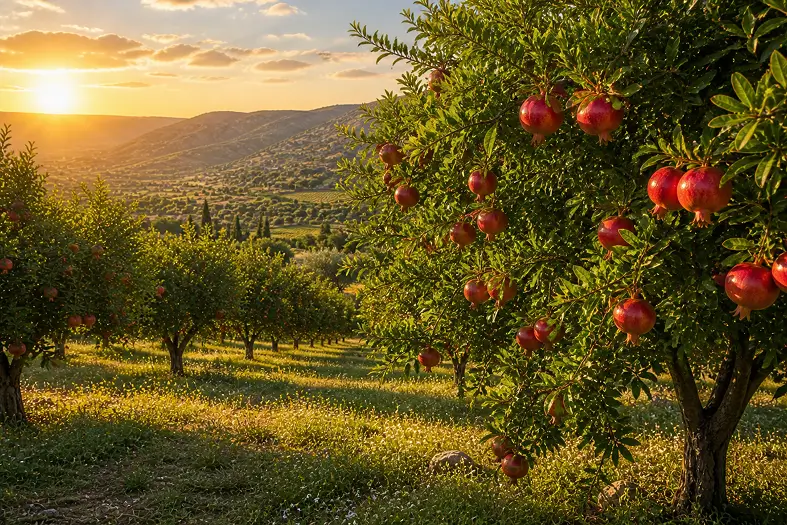
Rashi gives this a concrete image. Even אילני סרק — non-fruit-bearing trees will produce fruit. The hidden power inside creation begins to appear. What looked barren was not truly empty. It was waiting for the right alignment.
Ramban explains that these blessings are נסים נסתרים — hidden miracles. They may look natural, but when rain, health, food, and peace respond to the covenantal life of Klal Yisroel, nature becomes a language of closeness. The world remains physical, yet it becomes transparent to Hashem’s hand.
Chassidus deepens this from the world outside to the world within. The Baal Shem Tov teaches that הארץ — the land hints to ארציות — earthliness, the material side of man. That even a מחשבה זרה — foreign thought may contain a ניצוץ — holy spark waiting for its עלייה — ascent. A person may feel interrupted during Torah or tefillah — prayer, but sometimes the disturbance itself carries a buried point that must be lifted back to קדושה — holiness.
This does not make confusion holy. It means the Jew does not see the inner world as spiritually flat. Thoughts, words, struggles, and feelings may contain hidden sparks. Through Torah, tefillah, and דבקות — cleaving to Hashem, the person can lift what comes to him instead of being lowered by it.
The Sfas Emes reveals the wonder even more sharply. The greatest חידוש — novel wonder is not only עולם הבא — the World to Come. It is עולם הזה — this world becoming attached to Torah. Fields, food, bodies, work, speech, and time can all become vessels for Hashem. Every created thing contains a hidden חיות — life-force from Hashem. The world is like a coal. The fire is already inside, but it can remain covered. A person’s task is to breathe Torah into the world, to uncover the flame hidden within the field, the fruit, the business deal, the spoken word, and even the body itself. מות וחיים ביד לשון — life and death are in the hand of the tongue. Speech can awaken the coal, or it can cover it further. The question is whether a person uses the breath Hashem placed inside him to reveal the inner fire of creation.
Kedushas Levi adds that blessing is not the end of avodah. Food gives strength. Strength gives the ability to learn, give tzedakah — charity, help another Jew, and serve Hashem with more life. Physical blessing rises when it is used upward.
This is the hidden fire inside the earth. The land has memory. Rain has meaning. Trees can awaken. The body can become a garment for the נשמה — soul. History can look broken and still carry the seed of תיקון — repair.
This is why שמיטה — the Sabbatical year is tied to הר סיני — Mount Sinai. Torah was not given only for the beis midrash. It was given so that holiness could enter the land itself. תורה שבכתב — the Written Torah descends from Sinai, and תורה שבעל פה — the Oral Torah draws that light into the lived world of Eretz Yisroel, into planting, buying, selling, resting, eating, and speaking. שמיטה — the Sabbatical year brings an אור למעלה מן הזמן — a light above time, into time itself.
The blessings reach their height with [וְנָתַתִּי מִשְׁכָּנִי בְּתוֹכְכֶם... וְהִתְהַלַּכְתִּי בְּתוֹכְכֶם — “I will place My dwelling among you... and I will walk among you.”] The goal is not escape from the world. The goal is a world refined enough to hold Shechinah — Divine Presence.
A person can look at his life and see only surface: work, bills, food, thoughts, pressure, routine, and struggle. However, what’s on the surface is not the whole story.
A difficult thought may carry a call toward repair. A dry season may still hold hidden fruit. A body, home, table, conversation, and ordinary day can become vessels for קדושה — holiness when they are brought back to Hashem.
This gives a Jew hope without fantasy. Not everything is already revealed, and not every struggle is simple. But nothing is spiritually silent. Beneath the earth, there is hidden fire. Beneath ordinary life, there is חיות — life-force waiting to rise.
📖 Sources


6.1 — The Hidden Fire Inside the Earth
The physical world is not empty. Beneath land, rain, trees, food, body, thought, and history, there is hidden חיות — life-force waiting to be revealed. Parshas Behar and Parshas Bechukosai teach that the world is not only owned by Hashem, ordered by sacred time, and sustained by Torah. It is alive with buried קדושה — holiness.
[וְשָׁבְתָה הָאָרֶץ שַׁבָּת לַה׳ — “The land shall rest, a Shabbos for Hashem.”] A field can keep Shabbos. Soil can enter sacred rest. The land is not dead matter beneath human control. It has a place in avodas Hashem — service of Hashem.
שמיטה — the Sabbatical year reveals this inner truth. When the owner releases the field, the land is not abandoned. It is returned to its root. The field stops serving only human pressure and becomes open to a higher order. Even food becomes different: [וְהָיְתָה שַׁבַּת הָאָרֶץ לָכֶם לְאָכְלָה — “The rest of the land shall be for you to eat.”] Food can emerge from rest, not only from control.
Bechukosai brings this hidden life into full expression. [וְנָתַתִּי גִשְׁמֵיכֶם בְּעִתָּם — “I will give your rains in their proper time.”] Rain falls with meaning. The land gives produce. Bread satisfies beyond its visible measure. Peace spreads. The world becomes more alive when Klal Yisroel walks with Hashem.
Rashi gives this a concrete image. Even אילני סרק — non-fruit-bearing trees will produce fruit. The hidden power inside creation begins to appear. What looked barren was not truly empty. It was waiting for the right alignment.
Ramban explains that these blessings are נסים נסתרים — hidden miracles. They may look natural, but when rain, health, food, and peace respond to the covenantal life of Klal Yisroel, nature becomes a language of closeness. The world remains physical, yet it becomes transparent to Hashem’s hand.
Chassidus deepens this from the world outside to the world within. The Baal Shem Tov teaches that הארץ — the land hints to ארציות — earthliness, the material side of man. That even a מחשבה זרה — foreign thought may contain a ניצוץ — holy spark waiting for its עלייה — ascent. A person may feel interrupted during Torah or tefillah — prayer, but sometimes the disturbance itself carries a buried point that must be lifted back to קדושה — holiness.
This does not make confusion holy. It means the Jew does not see the inner world as spiritually flat. Thoughts, words, struggles, and feelings may contain hidden sparks. Through Torah, tefillah, and דבקות — cleaving to Hashem, the person can lift what comes to him instead of being lowered by it.
The Sfas Emes reveals the wonder even more sharply. The greatest חידוש — novel wonder is not only עולם הבא — the World to Come. It is עולם הזה — this world becoming attached to Torah. Fields, food, bodies, work, speech, and time can all become vessels for Hashem. Every created thing contains a hidden חיות — life-force from Hashem. The world is like a coal. The fire is already inside, but it can remain covered. A person’s task is to breathe Torah into the world, to uncover the flame hidden within the field, the fruit, the business deal, the spoken word, and even the body itself. מות וחיים ביד לשון — life and death are in the hand of the tongue. Speech can awaken the coal, or it can cover it further. The question is whether a person uses the breath Hashem placed inside him to reveal the inner fire of creation.
Kedushas Levi adds that blessing is not the end of avodah. Food gives strength. Strength gives the ability to learn, give tzedakah — charity, help another Jew, and serve Hashem with more life. Physical blessing rises when it is used upward.
This is the hidden fire inside the earth. The land has memory. Rain has meaning. Trees can awaken. The body can become a garment for the נשמה — soul. History can look broken and still carry the seed of תיקון — repair.
This is why שמיטה — the Sabbatical year is tied to הר סיני — Mount Sinai. Torah was not given only for the beis midrash. It was given so that holiness could enter the land itself. תורה שבכתב — the Written Torah descends from Sinai, and תורה שבעל פה — the Oral Torah draws that light into the lived world of Eretz Yisroel, into planting, buying, selling, resting, eating, and speaking. שמיטה — the Sabbatical year brings an אור למעלה מן הזמן — a light above time, into time itself.
The blessings reach their height with [וְנָתַתִּי מִשְׁכָּנִי בְּתוֹכְכֶם... וְהִתְהַלַּכְתִּי בְּתוֹכְכֶם — “I will place My dwelling among you... and I will walk among you.”] The goal is not escape from the world. The goal is a world refined enough to hold Shechinah — Divine Presence.
A person can look at his life and see only surface: work, bills, food, thoughts, pressure, routine, and struggle. However, what’s on the surface is not the whole story.
A difficult thought may carry a call toward repair. A dry season may still hold hidden fruit. A body, home, table, conversation, and ordinary day can become vessels for קדושה — holiness when they are brought back to Hashem.
This gives a Jew hope without fantasy. Not everything is already revealed, and not every struggle is simple. But nothing is spiritually silent. Beneath the earth, there is hidden fire. Beneath ordinary life, there is חיות — life-force waiting to rise.
📖 Sources


“The Hidden Fire Inside the Earth”
וְשָׁבְתָה הָאָרֶץ שַׁבָּת לַה׳
This mitzvah gives the essay its foundation. שמיטה — the Sabbatical year reveals that the land itself can enter sacred rest and become a vessel for Hashem’s presence.
וְהַשְּׁבִיעִת תִּשְׁמְטֶנָּה וּנְטַשְׁתָּהּ
This mitzvah shows that produce becomes elevated through release. Food is not only the result of control; it can emerge from הפקר — ownerless openness and carry the kedushah of rest.
וְשִׁנַּנְתָּם לְבָנֶיךָ
Torah reveals the hidden root of the world. Through learning, a Jew discovers that land, food, thought, speech, and action can all be attached back to Hashem.
וְהִתְוַדּוּ אֶת־חַטָּאתָם אֲשֶׁר עָשׂוּ
תשובה — repentance reveals hidden life inside failure. Even what appears spiritually broken can become part of return when a person brings it back to Hashem with honesty.
הָעֲשִׂירִי יִהְיֶה־קֹּדֶשׁ לַה׳
This mitzvah reflects the essay’s claim that ordinary physical life can carry kedushah. Even animals and possessions can enter a Torah structure and become marked as sacred to Hashem.


“The Hidden Fire Inside the Earth”
Behar reveals the spiritual depth of the physical world through שמיטה — the Sabbatical year. The land rests as “שַׁבָּת לַה׳” — a Shabbos for Hashem, showing that soil, food, and field are not spiritually silent. Bechukosai develops this through blessing: rain comes in its time, trees give fruit, bread satisfies, peace spreads, and Hashem places His Mishkan among Klal Yisroel. Together, the parshiyos teach that the lower world can become a vessel for Shechinah — Divine Presence.

Dive into mitzvos, tefillah, and Torah study—each section curated to help you learn, reflect, and live with intention. New insights are added regularly, creating an evolving space for spiritual growth.

Explore the 613 mitzvos and uncover the meaning behind each one. Discover practical ways to integrate them into your daily life with insights, sources, and guided reflection.

Learn the structure, depth, and spiritual intent behind Jewish prayer. Dive into morning blessings, Shema, Amidah, and more—with tools to enrich your daily connection.

Each week’s parsha offers timeless wisdom and modern relevance. Explore summaries, key themes, and mitzvah connections to deepen your understanding of the Torah cycle.