7.3 — Part VII Application: Guarding Inner Freedom
Parshas Beshalach closes with a quiet but demanding truth: inner freedom is more fragile than external freedom. Chains can be broken in a moment; habits, fears, and constricted consciousness return unless actively guarded. The Torah does not dramatize this danger—it embeds it into the narrative flow itself.
After the Sea, after song, after revelation, the people walk into uncertainty. This is not regression. It is instruction.
Chassidic masters teach that Mitzrayim is not only a place but a condition—meitzarim, inner narrowness. While Or Yashar can shatter constriction in an instant, Or Chozer must continually prevent it from reforming.
The application is sobering: no experience, however elevated, guarantees permanent freedom. Inspiration does not preserve itself. Without conscious return, the soul drifts back into familiar patterns—fear, complaint, passivity.
Guarding freedom is therefore active work, not memory.
Shirat HaYam awakens the soul. Miriam’s dance anchors faith in the body. But Part VII insists that neither song nor movement is sufficient unless translated into daily alignment.
Inner freedom survives only when moments of clarity are converted into habits of awareness. Otherwise, inspiration becomes nostalgia—something remembered rather than lived.
This is why Torah moves so quickly from music to testing. It is teaching the reader where the real work begins.
Chassidus frames spiritual life as repeated return, not constant ascent. Or Chozer is not dramatic; it is faithful. It shows up when no revelation is present and chooses alignment anyway.
In practice, this means:
These small acts guard inner freedom far more reliably than spiritual highs.
Inner redemption is lost not through rebellion, but through neglect. When attention drifts, old reflexes reassert themselves. Guarding freedom therefore begins with guarding awareness.
This is why Rav Avigdor Miller emphasized daily emunah practices: verbalizing truth, reviewing purpose, and consciously interpreting events. These practices do not create revelation; they protect its residue.
Freedom that is not attended to erodes quietly.
Part VII’s application reframes redemption as a mode of living, not a historical achievement. The Exodus does not end at the Sea; it continues wherever a person resists inner constriction and chooses return.
This transforms redemption from a story one remembers into a reality one inhabits.
Parshas Beshalach teaches that inner freedom must be guarded the way a border is guarded—not because danger is constant, but because vulnerability is.
Song awakens freedom.
Practice sustains it.
Return renews it.
The final application of Beshalach is therefore not triumph, but vigilance: learning how to live free on the inside long after the sea has closed.
This is the Exodus that never ends—and the freedom that lasts only when it is watched over, daily.
📖 Sources

.webp)
7.3 — Part VII Application: Guarding Inner Freedom
Parshas Beshalach closes with a quiet but demanding truth: inner freedom is more fragile than external freedom. Chains can be broken in a moment; habits, fears, and constricted consciousness return unless actively guarded. The Torah does not dramatize this danger—it embeds it into the narrative flow itself.
After the Sea, after song, after revelation, the people walk into uncertainty. This is not regression. It is instruction.
Chassidic masters teach that Mitzrayim is not only a place but a condition—meitzarim, inner narrowness. While Or Yashar can shatter constriction in an instant, Or Chozer must continually prevent it from reforming.
The application is sobering: no experience, however elevated, guarantees permanent freedom. Inspiration does not preserve itself. Without conscious return, the soul drifts back into familiar patterns—fear, complaint, passivity.
Guarding freedom is therefore active work, not memory.
Shirat HaYam awakens the soul. Miriam’s dance anchors faith in the body. But Part VII insists that neither song nor movement is sufficient unless translated into daily alignment.
Inner freedom survives only when moments of clarity are converted into habits of awareness. Otherwise, inspiration becomes nostalgia—something remembered rather than lived.
This is why Torah moves so quickly from music to testing. It is teaching the reader where the real work begins.
Chassidus frames spiritual life as repeated return, not constant ascent. Or Chozer is not dramatic; it is faithful. It shows up when no revelation is present and chooses alignment anyway.
In practice, this means:
These small acts guard inner freedom far more reliably than spiritual highs.
Inner redemption is lost not through rebellion, but through neglect. When attention drifts, old reflexes reassert themselves. Guarding freedom therefore begins with guarding awareness.
This is why Rav Avigdor Miller emphasized daily emunah practices: verbalizing truth, reviewing purpose, and consciously interpreting events. These practices do not create revelation; they protect its residue.
Freedom that is not attended to erodes quietly.
Part VII’s application reframes redemption as a mode of living, not a historical achievement. The Exodus does not end at the Sea; it continues wherever a person resists inner constriction and chooses return.
This transforms redemption from a story one remembers into a reality one inhabits.
Parshas Beshalach teaches that inner freedom must be guarded the way a border is guarded—not because danger is constant, but because vulnerability is.
Song awakens freedom.
Practice sustains it.
Return renews it.
The final application of Beshalach is therefore not triumph, but vigilance: learning how to live free on the inside long after the sea has closed.
This is the Exodus that never ends—and the freedom that lasts only when it is watched over, daily.
📖 Sources


Guarding Inner Freedom
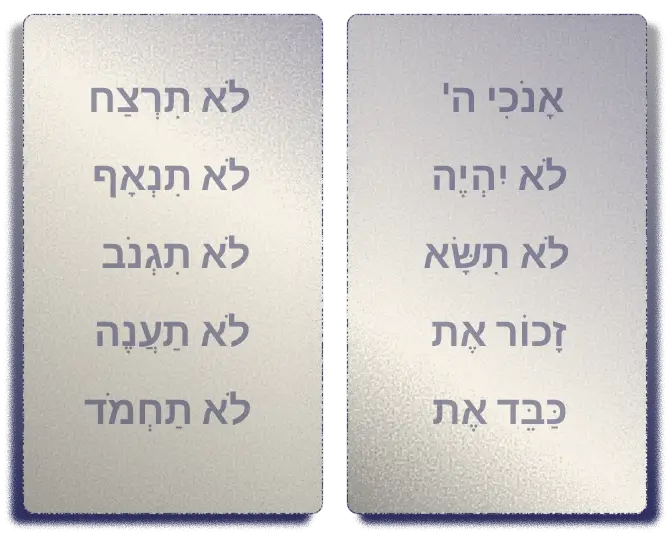
(Shemos 20:2)
Guarding inner freedom requires transforming belief into ongoing awareness. Knowing Hashem must persist beyond moments of revelation, sustained through daily consciousness rather than emotional peak.
(Devarim 10:20)
Yiras Shamayim anchors vigilance. Reverence maintains attentiveness when inspiration fades, preventing inner freedom from eroding into complacency.
(Devarim 28:9)
Hashem’s constancy becomes the model for human steadiness. Guarding freedom means choosing alignment repeatedly, not assuming permanence after transformation.
(Bamidbar 15:39)
Inner regression occurs when impulse replaces reflection. This mitzvah directly guards against the return of inner Egypt by demanding disciplined perception.
(Shemos 23:25)
Prayer functions as daily return. It renews alignment and protects freedom by reorienting the soul toward Hashem even in ordinary moments.


Guarding Inner Freedom
Parshas Beshalach ends its narrative arc not with triumph, but with transition. After the splitting of the Sea and Shirat HaYam, the Torah immediately describes Israel’s journey into the wilderness, where thirst, hunger, and complaint reappear. This structural move is deliberate. The Torah is signaling that redemption completed in history must now be guarded within the human soul.
Chassidic teaching identifies Egypt as meitzarim—inner constriction. While the Sea shatters this constriction momentarily, the Torah shows that it does not disappear on its own. Without conscious return (Or Chozer), old patterns reassert themselves. The movement from song to testing is therefore instructional, not critical. It reveals where inner redemption must now take place: in daily awareness, disciplined response, and sustained orientation toward Hashem long after revelation subsides.

Dive into mitzvos, tefillah, and Torah study—each section curated to help you learn, reflect, and live with intention. New insights are added regularly, creating an evolving space for spiritual growth.

Explore the 613 mitzvos and uncover the meaning behind each one. Discover practical ways to integrate them into your daily life with insights, sources, and guided reflection.

Learn the structure, depth, and spiritual intent behind Jewish prayer. Dive into morning blessings, Shema, Amidah, and more—with tools to enrich your daily connection.

Each week’s parsha offers timeless wisdom and modern relevance. Explore summaries, key themes, and mitzvah connections to deepen your understanding of the Torah cycle.