6.4 — Mature Covenant Life
After the crisis of the Golden Calf and the long process of forgiveness and renewal, Hashem declares the restoration of the covenant:
שמות לד:י
“וַיֹּאמֶר הִנֵּה אָנֹכִי כֹּרֵת בְּרִית…”
"Behold, I establish a covenant…"
This declaration marks the completion of the transformation that began with the sin of the Golden Calf. The covenant that emerges after the crisis differs from the covenant that existed before it. The relationship between Hashem and Israel becomes deeper, steadier, and more enduring.
The renewed covenant reflects a relationship built not on constant miracles but on lasting responsibility.
Freedom becomes joined to obligation as the permanent foundation of Jewish life.
Rabbi Jonathan Sacks emphasized that freedom alone cannot sustain a society. A free people must accept responsibility if freedom is to endure.
The generation that left Egypt experienced dramatic miracles and overwhelming revelation. Yet these experiences alone did not create a stable covenant society. The Golden Calf demonstrated that inspiration without responsibility cannot sustain faith.
Rabbi Sacks described covenant as the framework that transforms freedom into responsibility. Through covenant, freedom becomes purposeful rather than chaotic.
After the Golden Calf, the covenant becomes a system of obligations that give structure to freedom.
Instead of relying on miraculous guidance, the nation learns to live by Torah.
Freedom becomes disciplined.
Responsibility becomes permanent.
The renewed covenant creates a society capable of enduring across generations.
Rav Kook described the covenant after the Golden Calf as a stage of spiritual maturity. Holiness now develops through responsibility rather than through extraordinary revelation.
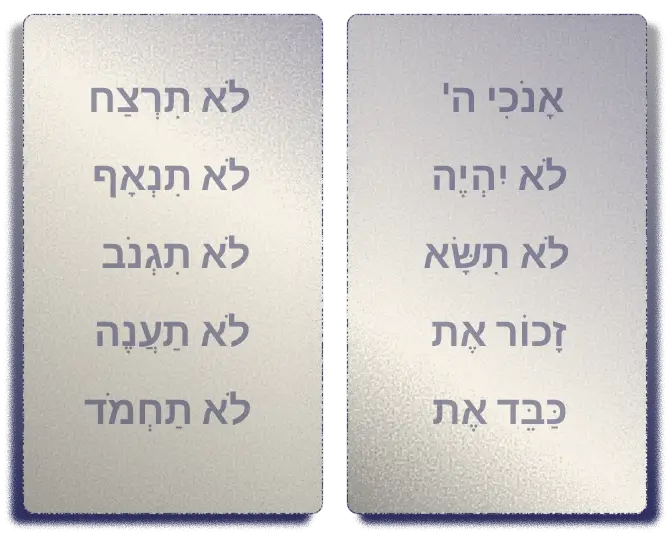
The first Tablets represented a moment of perfect holiness descending from Heaven. The second Tablets represent holiness that grows through human commitment.
Mature holiness requires effort, discipline, and consistency.
This development reflects a deeper relationship between Hashem and Israel. Instead of receiving holiness passively, the nation becomes an active partner in sustaining the covenant.
Rav Kook saw this partnership as the foundation of historical Judaism. Holiness enters daily life through mitzvos, learning, and moral growth.
Responsibility becomes the vehicle of holiness.
The renewed covenant described in Parshas Ki Sisa introduces a stable structure for Jewish life. Instead of relying on extraordinary experiences, the covenant rests on enduring commitments.
Mature covenant life depends on:
These elements transform revelation into a way of life.
The covenant becomes durable because it becomes structured.
The crisis of the Golden Calf forced a transition from spiritual dependence to spiritual partnership.
Before the crisis, the nation relied heavily on Moshe and on visible manifestations of Divine presence. After the crisis, the covenant requires greater personal responsibility.
Each individual becomes responsible for sustaining the relationship with Hashem.
The covenant matures because it becomes internalized.
Holiness becomes part of identity rather than a response to miracles.
Rav Avigdor Miller emphasized that responsibility strengthens character. When a person accepts obligations willingly, growth becomes lasting and meaningful.
The covenant after the Golden Calf reflects this principle. The relationship with Hashem becomes stronger when it rests on commitment rather than inspiration alone.
Rav Miller taught that spiritual maturity develops through consistent responsibility.
The covenant becomes stable because it becomes lived.
Responsibility transforms belief into reality.
The covenant renewed in Ki Sisa becomes the covenant that sustains Jewish history.
Later generations would not witness Sinai or the miracles of the desert. Their relationship with Hashem would depend on Torah and mitzvos rather than on extraordinary revelation.
The renewed covenant makes this continuity possible.
Freedom becomes linked to obligation.
Holiness becomes linked to responsibility.
The covenant becomes capable of enduring through time.
Freedom reaches its highest expression when it is guided by responsibility. The covenant described in Ki Sisa teaches that true freedom is not the absence of obligation but the ability to live according to meaningful commitments.
A mature spiritual life develops when a person accepts responsibility for growth. Learning Torah, observing mitzvos, and striving for moral improvement transform freedom into purposeful living. Responsibility gives direction and stability to spiritual life.
Moments of inspiration remain important, yet maturity comes from steady commitment. A person who builds life around Torah values creates a form of freedom that endures beyond changing circumstances.
Ki Sisa teaches that the covenant after the Golden Calf established a mature relationship between Hashem and Israel. When freedom is joined to obligation, spiritual life becomes stable, purposeful, and enduring.
📖 Sources

6.4 — Mature Covenant Life
After the crisis of the Golden Calf and the long process of forgiveness and renewal, Hashem declares the restoration of the covenant:
שמות לד:י
“וַיֹּאמֶר הִנֵּה אָנֹכִי כֹּרֵת בְּרִית…”
"Behold, I establish a covenant…"
This declaration marks the completion of the transformation that began with the sin of the Golden Calf. The covenant that emerges after the crisis differs from the covenant that existed before it. The relationship between Hashem and Israel becomes deeper, steadier, and more enduring.
The renewed covenant reflects a relationship built not on constant miracles but on lasting responsibility.
Freedom becomes joined to obligation as the permanent foundation of Jewish life.
Rabbi Jonathan Sacks emphasized that freedom alone cannot sustain a society. A free people must accept responsibility if freedom is to endure.
The generation that left Egypt experienced dramatic miracles and overwhelming revelation. Yet these experiences alone did not create a stable covenant society. The Golden Calf demonstrated that inspiration without responsibility cannot sustain faith.
Rabbi Sacks described covenant as the framework that transforms freedom into responsibility. Through covenant, freedom becomes purposeful rather than chaotic.
After the Golden Calf, the covenant becomes a system of obligations that give structure to freedom.
Instead of relying on miraculous guidance, the nation learns to live by Torah.
Freedom becomes disciplined.
Responsibility becomes permanent.
The renewed covenant creates a society capable of enduring across generations.
Rav Kook described the covenant after the Golden Calf as a stage of spiritual maturity. Holiness now develops through responsibility rather than through extraordinary revelation.
The first Tablets represented a moment of perfect holiness descending from Heaven. The second Tablets represent holiness that grows through human commitment.
Mature holiness requires effort, discipline, and consistency.
This development reflects a deeper relationship between Hashem and Israel. Instead of receiving holiness passively, the nation becomes an active partner in sustaining the covenant.
Rav Kook saw this partnership as the foundation of historical Judaism. Holiness enters daily life through mitzvos, learning, and moral growth.
Responsibility becomes the vehicle of holiness.
The renewed covenant described in Parshas Ki Sisa introduces a stable structure for Jewish life. Instead of relying on extraordinary experiences, the covenant rests on enduring commitments.
Mature covenant life depends on:
These elements transform revelation into a way of life.
The covenant becomes durable because it becomes structured.
The crisis of the Golden Calf forced a transition from spiritual dependence to spiritual partnership.
Before the crisis, the nation relied heavily on Moshe and on visible manifestations of Divine presence. After the crisis, the covenant requires greater personal responsibility.
Each individual becomes responsible for sustaining the relationship with Hashem.
The covenant matures because it becomes internalized.
Holiness becomes part of identity rather than a response to miracles.
Rav Avigdor Miller emphasized that responsibility strengthens character. When a person accepts obligations willingly, growth becomes lasting and meaningful.
The covenant after the Golden Calf reflects this principle. The relationship with Hashem becomes stronger when it rests on commitment rather than inspiration alone.
Rav Miller taught that spiritual maturity develops through consistent responsibility.
The covenant becomes stable because it becomes lived.
Responsibility transforms belief into reality.
The covenant renewed in Ki Sisa becomes the covenant that sustains Jewish history.
Later generations would not witness Sinai or the miracles of the desert. Their relationship with Hashem would depend on Torah and mitzvos rather than on extraordinary revelation.
The renewed covenant makes this continuity possible.
Freedom becomes linked to obligation.
Holiness becomes linked to responsibility.
The covenant becomes capable of enduring through time.
Freedom reaches its highest expression when it is guided by responsibility. The covenant described in Ki Sisa teaches that true freedom is not the absence of obligation but the ability to live according to meaningful commitments.
A mature spiritual life develops when a person accepts responsibility for growth. Learning Torah, observing mitzvos, and striving for moral improvement transform freedom into purposeful living. Responsibility gives direction and stability to spiritual life.
Moments of inspiration remain important, yet maturity comes from steady commitment. A person who builds life around Torah values creates a form of freedom that endures beyond changing circumstances.
Ki Sisa teaches that the covenant after the Golden Calf established a mature relationship between Hashem and Israel. When freedom is joined to obligation, spiritual life becomes stable, purposeful, and enduring.
📖 Sources


"Mature Covenant Life"
“וְשִׁנַּנְתָּם לְבָנֶיךָ”
Mature covenant life depends on the ongoing transmission of Torah across generations.
“וְהָלַכְתָּ בִּדְרָכָיו”
Responsibility for moral growth reflects the maturity of covenant life after the Golden Calf.
“וַעֲבַדְתֶּם אֵת ה׳ אֱלֹקֵיכֶם”
Prayer expresses the ongoing responsibility that sustains covenant life.
“וְהִתְוַדּוּ אֶת־חַטָּאתָם”
Teshuvah reflects the mature covenant that allows renewal after failure.


"Mature Covenant Life"
Hashem declares “הנה אנכי כרת ברית”, announcing the renewed covenant after the Golden Calf. This covenant establishes a stable relationship based on obligation and responsibility rather than continuous miraculous revelation.

Dive into mitzvos, tefillah, and Torah study—each section curated to help you learn, reflect, and live with intention. New insights are added regularly, creating an evolving space for spiritual growth.

Explore the 613 mitzvos and uncover the meaning behind each one. Discover practical ways to integrate them into your daily life with insights, sources, and guided reflection.

Learn the structure, depth, and spiritual intent behind Jewish prayer. Dive into morning blessings, Shema, Amidah, and more—with tools to enrich your daily connection.

Each week’s parsha offers timeless wisdom and modern relevance. Explore summaries, key themes, and mitzvah connections to deepen your understanding of the Torah cycle.