3.3 — Layered Holiness: The Architecture of Sacred Space
As the Torah describes the final arrangement of the Mishkan, it records the careful placement of each component of the sanctuary:
שמות מ׳:א–ח
Moshe is instructed to assemble the Mishkan in a precise order: first the structure of the sanctuary itself, then the Ark within the innermost chamber, followed by the table, the Menorah, the altars, and finally the courtyard that surrounds the sacred space.
This arrangement reveals that the Mishkan is not simply a single sacred area. It is organized into distinct zones of holiness.
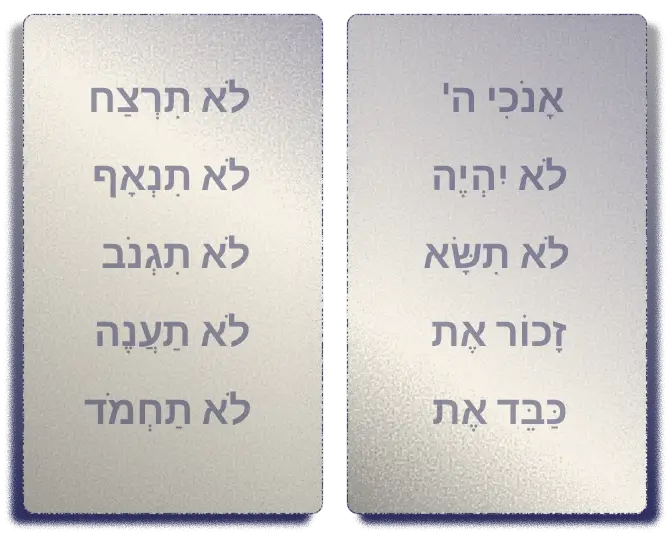
At the center lies the Kodesh HaKodashim, the Holy of Holies, where the Ark containing the Tablets of the Covenant rests. Surrounding this chamber stands the Heichal, the sanctuary where the daily service of the Kohanim takes place. Beyond this space lies the courtyard, where the offerings of the people are brought.
Ramban explains that this layered structure reflects the nature of the Divine Presence itself. Holiness is experienced through degrees of proximity. The closer one approaches the center of the sanctuary, the greater the intensity of sanctity.
The architecture of the Mishkan therefore embodies a spiritual principle: access to the Divine Presence requires movement through ordered stages of holiness.
The Kedushas Levi sees within the Mishkan’s structure a symbolic reflection of the spiritual life of every individual.
Human beings often live much of their lives in the outer courtyard of existence. Daily responsibilities, social interactions, and practical concerns occupy the majority of human attention. These activities are necessary, yet they represent only the outer layer of spiritual life.
The sanctuary invites the individual to move inward.
Just as the Mishkan contains progressively more sacred spaces, the human soul contains deeper levels of spiritual awareness. The outer courtyard corresponds to the visible aspects of life. The sanctuary represents the inner world of devotion and reflection. The Holy of Holies symbolizes the deepest point of connection between the soul and the Divine Presence.
The architecture of the Mishkan therefore reflects the spiritual journey toward inner holiness.
Rabbi Jonathan Sacks often emphasized that meaningful human experiences require boundaries. Without distinctions between spaces and roles, the concept of holiness would lose its meaning.
The Mishkan illustrates this idea through its careful organization.
Each section of the sanctuary carries its own level of sanctity and its own set of responsibilities. The people enter the courtyard with their offerings. The Kohanim perform the daily service within the sanctuary. Only the Kohen Gadol may enter the Holy of Holies, and even then only at specific times.
These boundaries do not restrict spiritual life; they define it.
By structuring the sanctuary in this way, the Torah teaches that holiness emerges through ordered relationships between spaces, actions, and responsibilities.
The Mishkan’s layout reveals that sacred space is designed not merely to contain holiness but to guide human movement toward it.
The outer courtyard welcomes the participation of the entire nation. From there, the sanctuary invites deeper engagement through ritual service. At the center lies the Holy of Holies, where the Divine Presence rests above the Ark of the Covenant.
Each stage draws the individual closer to the spiritual center of the Mishkan.
The architecture itself therefore becomes a form of spiritual instruction. It teaches that holiness is encountered through a process of inward movement.
The structure of the Mishkan offers an important perspective on the nature of spiritual life in every generation.
Modern life often blurs the distinction between the outer and inner dimensions of existence. Individuals may become so absorbed in external activity that they lose contact with the deeper aspects of their spiritual lives.
The Mishkan reminds us that spiritual growth requires intentional movement inward.
Creating moments of reflection, prayer, and study allows individuals to move beyond the distractions of daily life and reconnect with the deeper sources of meaning within the soul.
The architecture of the sanctuary therefore becomes a guide for personal spiritual development.
Just as the Mishkan leads the worshiper from the outer courtyard toward the Holy of Holies, the journey of spiritual life invites each person to move gradually from the outer layers of existence toward the inner presence of holiness.
📖 Sources


3.3 — Layered Holiness: The Architecture of Sacred Space
As the Torah describes the final arrangement of the Mishkan, it records the careful placement of each component of the sanctuary:
שמות מ׳:א–ח
Moshe is instructed to assemble the Mishkan in a precise order: first the structure of the sanctuary itself, then the Ark within the innermost chamber, followed by the table, the Menorah, the altars, and finally the courtyard that surrounds the sacred space.
This arrangement reveals that the Mishkan is not simply a single sacred area. It is organized into distinct zones of holiness.
At the center lies the Kodesh HaKodashim, the Holy of Holies, where the Ark containing the Tablets of the Covenant rests. Surrounding this chamber stands the Heichal, the sanctuary where the daily service of the Kohanim takes place. Beyond this space lies the courtyard, where the offerings of the people are brought.
Ramban explains that this layered structure reflects the nature of the Divine Presence itself. Holiness is experienced through degrees of proximity. The closer one approaches the center of the sanctuary, the greater the intensity of sanctity.
The architecture of the Mishkan therefore embodies a spiritual principle: access to the Divine Presence requires movement through ordered stages of holiness.
The Kedushas Levi sees within the Mishkan’s structure a symbolic reflection of the spiritual life of every individual.
Human beings often live much of their lives in the outer courtyard of existence. Daily responsibilities, social interactions, and practical concerns occupy the majority of human attention. These activities are necessary, yet they represent only the outer layer of spiritual life.
The sanctuary invites the individual to move inward.
Just as the Mishkan contains progressively more sacred spaces, the human soul contains deeper levels of spiritual awareness. The outer courtyard corresponds to the visible aspects of life. The sanctuary represents the inner world of devotion and reflection. The Holy of Holies symbolizes the deepest point of connection between the soul and the Divine Presence.
The architecture of the Mishkan therefore reflects the spiritual journey toward inner holiness.
Rabbi Jonathan Sacks often emphasized that meaningful human experiences require boundaries. Without distinctions between spaces and roles, the concept of holiness would lose its meaning.
The Mishkan illustrates this idea through its careful organization.
Each section of the sanctuary carries its own level of sanctity and its own set of responsibilities. The people enter the courtyard with their offerings. The Kohanim perform the daily service within the sanctuary. Only the Kohen Gadol may enter the Holy of Holies, and even then only at specific times.
These boundaries do not restrict spiritual life; they define it.
By structuring the sanctuary in this way, the Torah teaches that holiness emerges through ordered relationships between spaces, actions, and responsibilities.
The Mishkan’s layout reveals that sacred space is designed not merely to contain holiness but to guide human movement toward it.
The outer courtyard welcomes the participation of the entire nation. From there, the sanctuary invites deeper engagement through ritual service. At the center lies the Holy of Holies, where the Divine Presence rests above the Ark of the Covenant.
Each stage draws the individual closer to the spiritual center of the Mishkan.
The architecture itself therefore becomes a form of spiritual instruction. It teaches that holiness is encountered through a process of inward movement.
The structure of the Mishkan offers an important perspective on the nature of spiritual life in every generation.
Modern life often blurs the distinction between the outer and inner dimensions of existence. Individuals may become so absorbed in external activity that they lose contact with the deeper aspects of their spiritual lives.
The Mishkan reminds us that spiritual growth requires intentional movement inward.
Creating moments of reflection, prayer, and study allows individuals to move beyond the distractions of daily life and reconnect with the deeper sources of meaning within the soul.
The architecture of the sanctuary therefore becomes a guide for personal spiritual development.
Just as the Mishkan leads the worshiper from the outer courtyard toward the Holy of Holies, the journey of spiritual life invites each person to move gradually from the outer layers of existence toward the inner presence of holiness.
📖 Sources


3.3 — Layered Holiness: The Architecture of Sacred Space
Exodus 25:8 — וְעָשׂוּ לִי מִקְדָּשׁ
The Mishkan was constructed as the dwelling place of the Divine Presence among Israel. Its carefully structured layout reflects the sanctity of the space dedicated to divine service.
Deuteronomy 28:9 — וְהָלַכְתָּ בִּדְרָכָיו
The ordered structure of the Mishkan reflects the Divine attributes of wisdom and harmony that the Torah calls upon humanity to emulate in shaping both personal conduct and communal life.
Deuteronomy 6:7 — וְשִׁנַּנְתָּם לְבָנֶיךָ
The detailed instructions describing the Mishkan’s structure demonstrate the importance of transmitting the Torah’s teachings accurately, allowing each generation to understand the principles underlying sacred space and service.


3.3 — Layered Holiness: The Architecture of Sacred Space
Hashem commands Moshe to assemble the Mishkan and arrange its vessels in a precise order. The resulting structure contains distinct levels of sanctity—courtyard, sanctuary, and Holy of Holies—reflecting the graduated nature of holiness within the sanctuary.

Dive into mitzvos, tefillah, and Torah study—each section curated to help you learn, reflect, and live with intention. New insights are added regularly, creating an evolving space for spiritual growth.

Explore the 613 mitzvos and uncover the meaning behind each one. Discover practical ways to integrate them into your daily life with insights, sources, and guided reflection.

Learn the structure, depth, and spiritual intent behind Jewish prayer. Dive into morning blessings, Shema, Amidah, and more—with tools to enrich your daily connection.

Each week’s parsha offers timeless wisdom and modern relevance. Explore summaries, key themes, and mitzvah connections to deepen your understanding of the Torah cycle.