5.3 — Why Exodus, Not Creation: Relationship as the Root of Obligation
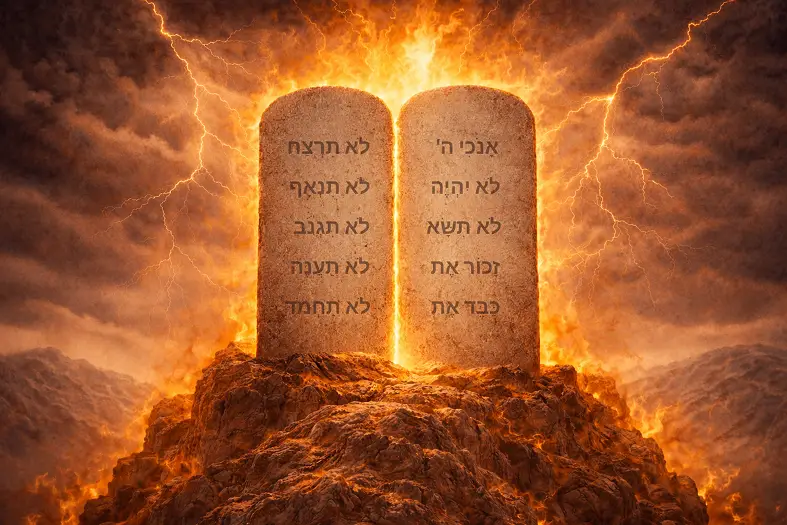
The Torah introduces Hashem at Sinai not as Creator of heaven and earth, but as Redeemer from Egypt:
[אֲשֶׁר הוֹצֵאתִיךָ מֵאֶרֶץ מִצְרַיִם — “Who took you out of the land of Egypt”].
This choice is deliberate. Creation demonstrates power. Exodus establishes relationship. And only relationship can obligate.
This essay asks why the Torah grounds mitzvah not in cosmic authorship, but in historical intervention.
Philosophically, creation would seem the strongest argument. If Hashem created everything, surely He has authority over everything. Yet Abarbanel and others note a crucial gap: power alone does not generate obligation.
A creator may abandon what he creates. Power may dominate without caring. Creation proves capability; it does not prove concern.
Torah obligation requires more than metaphysics.
Exodus reveals something creation alone does not: providential commitment. Hashem does not merely bring the world into being; He enters history, hears cries, judges oppressors, and redeems the powerless.
This is why Sinai speaks in the language of memory, not cosmology. Obligation flows from a G-d who acts for you, not merely one who made you.
Abarbanel emphasizes that law without relationship is tyranny. By invoking Exodus, Hashem frames mitzvah as covenantal response rather than imposed rule.
“I am Hashem” could command.
“I am Hashem who took you out of Egypt” binds.
Redemption precedes command so that obedience becomes gratitude rather than submission.
Exodus teaches hashgachah pratis—individual providence. Creation may be impersonal; redemption is personal. The people are addressed not as creatures, but as beneficiaries of care.
This transforms mitzvah from universal law into personal obligation. One obeys not because one exists, but because one was redeemed.
Rabbi Jonathan Sacks often stressed that freedom grounded only in power is unstable. Freedom grounded in relationship can sustain law without oppression.
Egypt represents power without morality. Sinai represents morality born from redemption. The Torah’s memory of Exodus prevents law from becoming Pharaoh’s system in religious form.
Rambam counts knowledge of Hashem as the first mitzvah—but he, too, frames it historically. Knowledge is not abstract proof; it is recognition of a G-d who acts in the world. Exodus supplies the content that makes knowledge relational rather than speculative.
Chassidic masters note that redemption awakens love and trust before obligation. Sinai does not begin with command because the heart must be addressed before the will. Exodus creates emotional truth so that law can endure without coercion.
Modern ethics often appeal to universal principles detached from story. Torah insists otherwise. Obligation grows from memory. We are bound not because G-d is powerful, but because He has been faithful.
Before asking what the law demands, Torah asks us to remember who stood with us when we had no power at all.
📖 Sources


5.3 — Why Exodus, Not Creation: Relationship as the Root of Obligation
The Torah introduces Hashem at Sinai not as Creator of heaven and earth, but as Redeemer from Egypt:
[אֲשֶׁר הוֹצֵאתִיךָ מֵאֶרֶץ מִצְרַיִם — “Who took you out of the land of Egypt”].
This choice is deliberate. Creation demonstrates power. Exodus establishes relationship. And only relationship can obligate.
This essay asks why the Torah grounds mitzvah not in cosmic authorship, but in historical intervention.
Philosophically, creation would seem the strongest argument. If Hashem created everything, surely He has authority over everything. Yet Abarbanel and others note a crucial gap: power alone does not generate obligation.
A creator may abandon what he creates. Power may dominate without caring. Creation proves capability; it does not prove concern.
Torah obligation requires more than metaphysics.
Exodus reveals something creation alone does not: providential commitment. Hashem does not merely bring the world into being; He enters history, hears cries, judges oppressors, and redeems the powerless.
This is why Sinai speaks in the language of memory, not cosmology. Obligation flows from a G-d who acts for you, not merely one who made you.
Abarbanel emphasizes that law without relationship is tyranny. By invoking Exodus, Hashem frames mitzvah as covenantal response rather than imposed rule.
“I am Hashem” could command.
“I am Hashem who took you out of Egypt” binds.
Redemption precedes command so that obedience becomes gratitude rather than submission.
Exodus teaches hashgachah pratis—individual providence. Creation may be impersonal; redemption is personal. The people are addressed not as creatures, but as beneficiaries of care.
This transforms mitzvah from universal law into personal obligation. One obeys not because one exists, but because one was redeemed.
Rabbi Jonathan Sacks often stressed that freedom grounded only in power is unstable. Freedom grounded in relationship can sustain law without oppression.
Egypt represents power without morality. Sinai represents morality born from redemption. The Torah’s memory of Exodus prevents law from becoming Pharaoh’s system in religious form.
Rambam counts knowledge of Hashem as the first mitzvah—but he, too, frames it historically. Knowledge is not abstract proof; it is recognition of a G-d who acts in the world. Exodus supplies the content that makes knowledge relational rather than speculative.
Chassidic masters note that redemption awakens love and trust before obligation. Sinai does not begin with command because the heart must be addressed before the will. Exodus creates emotional truth so that law can endure without coercion.
Modern ethics often appeal to universal principles detached from story. Torah insists otherwise. Obligation grows from memory. We are bound not because G-d is powerful, but because He has been faithful.
Before asking what the law demands, Torah asks us to remember who stood with us when we had no power at all.
📖 Sources


“Why Exodus, Not Creation: Relationship as the Root of Obligation”
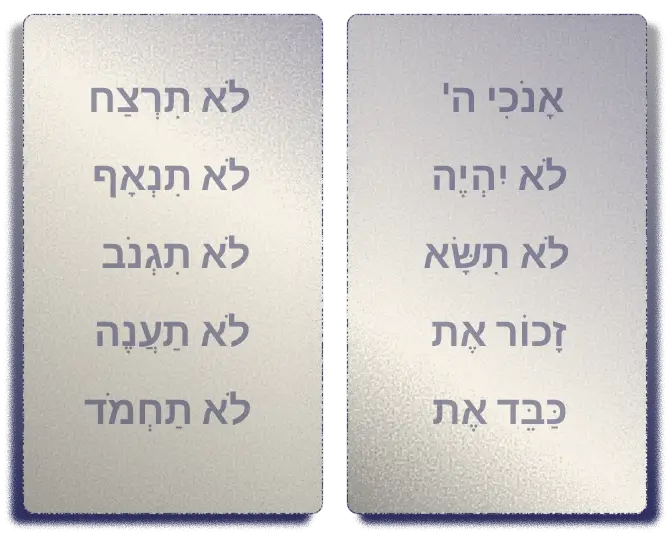
אָנֹכִי ה׳ אֱלֹקֶיךָ
Knowing Hashem means recognizing not only His existence, but His providential involvement. Exodus supplies the historical content that transforms knowledge into covenantal awareness.
לֹא יִהְיֶה לְךָ אֱלֹקִים אֲחֵרִים עַל פָּנָי
Rival powers may claim creation or force; only Hashem demonstrates redemptive loyalty. Exclusivity follows from relationship, not raw power.
אֶת ה׳ אֱלֹקֶיךָ תִּירָא
Yirah here reflects reverence for a G-d who intervenes in history. Fear arises from accountability to a caring authority, not terror before impersonal might.
וְאָהַבְתָּ אֵת ה׳ אֱלֹקֶיךָ
Love becomes possible only after redemption. Exodus awakens attachment that transforms law from burden into bond, preparing the heart for enduring obligation.


“Why Exodus, Not Creation: Relationship as the Root of Obligation”
Parshas Yisro frames the Aseres HaDibros through the memory of Exodus. By grounding obligation in redemption rather than creation, the Torah establishes covenantal law as relational, historical, and morally charged.

Dive into mitzvos, tefillah, and Torah study—each section curated to help you learn, reflect, and live with intention. New insights are added regularly, creating an evolving space for spiritual growth.

Explore the 613 mitzvos and uncover the meaning behind each one. Discover practical ways to integrate them into your daily life with insights, sources, and guided reflection.

Learn the structure, depth, and spiritual intent behind Jewish prayer. Dive into morning blessings, Shema, Amidah, and more—with tools to enrich your daily connection.

Each week’s parsha offers timeless wisdom and modern relevance. Explore summaries, key themes, and mitzvah connections to deepen your understanding of the Torah cycle.