The Mitzvah Minute newsletter brings the beauty of Torah learning to your inbox — exploring mitzvot, parsha insights, and timeless Jewish wisdom in a clear, uplifting format. Browse our latest issue below, or explore past editions to keep growing one mitzvah at a time.
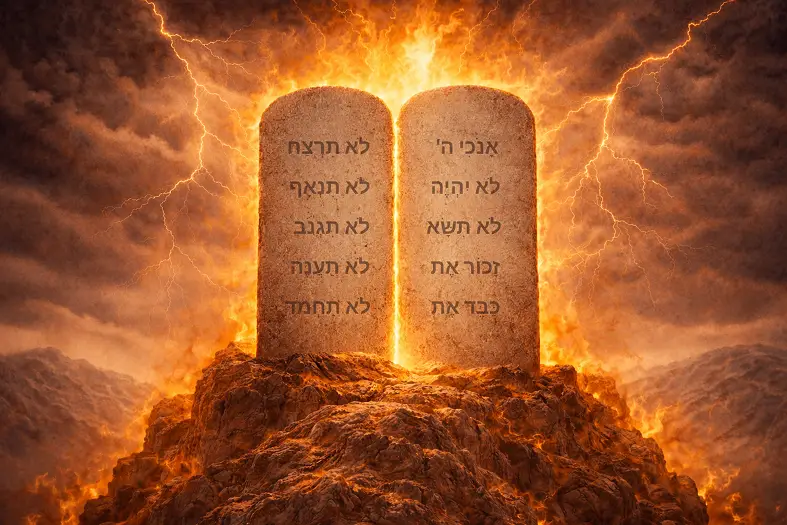

אָנֹכִי ה׳ אֱלֹקֶיךָ”
“I am Hashem your G-d.”
— Shemos 20:2
Mitzvah #1 is a command to know — to arrive at clarity through recognition, history, and encounter. At Sinai, emunah is not presented as a feeling, but as knowledge grounded in public revelation and lived experience.
The Torah begins obligation not with abstract philosophy, but with relationship: “Who took you out of Egypt.” Knowing Hashem means recognizing His presence in history, responsibility, and covenant — and allowing that knowledge to shape how we live.
Emunah, in Torah, is not inherited sentiment. It is disciplined awareness.
Explore the full mitzvah →
https://www.mitzvah-minute.com/613-mitzvahs/to-know-there-is-a-g-d

This week’s parsha marks the transition from redemption to responsibility.
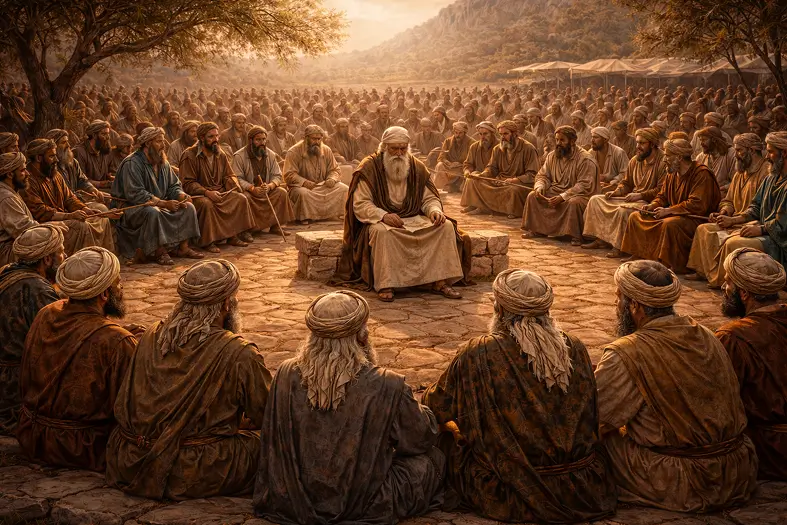
After leaving Egypt, Am Yisrael does not receive comfort or mysticism — it receives structure. Leadership, law, perception, obligation, and restraint all emerge from Sinai as the foundations of covenantal life.
Read the Parsha insights and commentaries →
https://www.mitzvah-minute.com/parshiyot/yisro

Read the full essays →
1.1 — “וַיִּשְׁמַע יִתְרוֹ”: What Kind of Hearing Changes a Person?
Why true spiritual hearing is not information, but submission and realignment.
1.2 — The Seven Names of Yisro: Identity as a Torah-Process
How identity shifts mark stages of genuine religious growth.
1.3 — Honor Flows Both Ways: “Choten Moshe” and the Geometry of Kavod
Why Torah leadership is defined by humility, not hierarchy.
1.4 — Universal Wisdom, Particular Covenant
How Torah learns from the outside without surrendering its inner core.

Read the full essays →
2.1 — “נָבֹל תִּבֹּל”: When Holy Leadership Becomes Self-Destruction
Why unsustainable leadership undermines the very holiness it seeks to serve.
2.2 — Advice That Must Pass Through Heaven: “וִיהִי אֱלֹקִים עִמָּךְ”
Why even brilliant systems require Divine ratification to become Torah.
2.3 — The Four Qualities of a Dayan: Wealth, Truth, and Hatred of Gain
Why Torah distrusts power, charisma, and wealth without moral restraint.
2.4 — Thousands, Hundreds, Fifties, Tens: The Holiness of Hierarchy
How structure protects both leaders and the people they serve.
2.5 — The “Empty Throne” and Limits on Power
Why Torah insists that no human authority is ever absolute.

Read the full essays →
3.1 — The Seven/Eight Sinai Phenomena: A Designed Overwhelm
How each miracle blocks a different escape from historical certainty.
3.2 — The Shofar That Grew Stronger: Sound as Proof
Why intensification, not fading, proves Sinai was not human or imagined.
3.3 — Four Elements Subjugated: Why Abarbanel Needed “Totality”
Why Abarbanel insists revelation had to be total, not partial.
3.4 — Freedom Needs Public Moral Memory
Why covenantal ethics require shared, public revelation.

Read the full essays →
4.1 — Ramban’s Chronology: The Storm Before the Speech
Why revelation begins with boundaries before commandments.
4.2 — “Seeing Voices”: What Does It Mean When Hearing Becomes Sight?
What it means when knowledge arrives with objectivity, not interpretation.
4.3 — Rav Kook: Sensory Unity as a Glimpse of Creation’s Root
How Sinai briefly restores the wholeness of creation.
4.4 — Holiness as Making Room for the Other
Why revelation demands discipline, not spiritual force.

Read the full essays →
5.1 — Is “אָנֹכִי ה׳ אֱלֹקֶיךָ” a Mitzvah? Abarbanel’s Foundational Question
Can belief be commanded — or must it precede all command?
5.2 — Rambam vs Abarbanel: Belief, Knowledge, and the Shape of Mitzvah #1
A foundational disagreement about faith, knowledge, and obligation.
5.3 — Why Exodus, Not Creation: Relationship as the Root of Obligation
Why covenant is rooted in relationship, not abstraction.
5.4 — Rav Avigdor Miller: “Anochi” as Intellectual Avodah—Training the Mind
Why emunah requires disciplined thinking, not passive belief.
5.5 — Gratitude Before Theology
How recognition stabilizes belief into lived covenant.

Read the full essays →
6.1 — Five Opposite Five: Why Two Luchos at All?
How unity is expressed through separation of domains.
6.2 — Mekhilta’s Pairings: From “Anochi” to “Lo Tirtzach”
How each interpersonal command becomes a declaration about the Divine image.
6.3 — Shabbos as Testimony: Time as Emunah
How time itself becomes evidence of creation and providence.
6.4 — Selective Holiness Makes a Humane World
Why structure prevents holiness from becoming destructive.

Read the full essays →
7.1 — “כִּי חַרְבְּךָ הֵנַפְתָּ עָלֶיהָ”: Why Iron Profanes the Altar
Why Torah rejects violence at the site of worship.
7.2 — No Steps on My Altar: Humility Built Into Architecture
How humility is built directly into sacred architecture.
7.3 — Covenant Creates Public Ethics, Not Only Private Spirit
Why revelation must cash out in restraint and dignity.

Read the full essay →
How emunah, structure, perception, gratitude, and restraint form a unified Torah life today.
Sinai teaches that emunah is not born in silence or solitude, but in encounter — when a people stands together and recognizes that life is not ownerless. Knowing Hashem means living with the awareness that our choices matter, that history is guided, and that covenant asks something of us. Faith begins not with certainty about the future, but with clarity about Who stands at the center of our lives.

Dive into mitzvot, prayer, and Torah study—each section curated to help you learn, reflect, and live with intention. New insights are added regularly, creating an evolving space for spiritual growth.
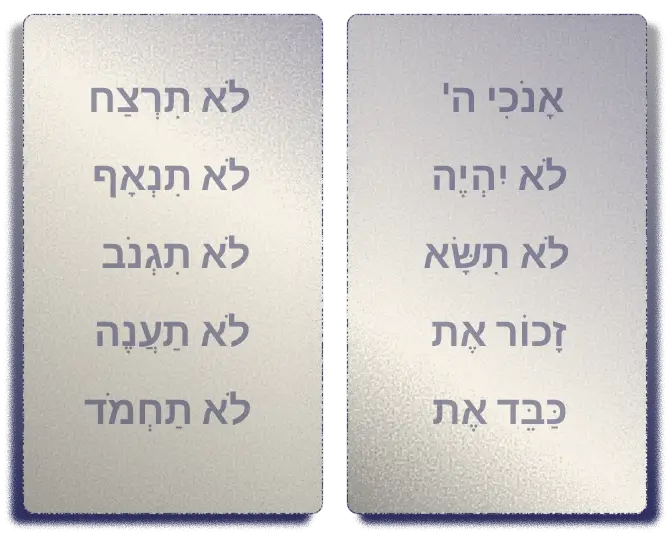
Explore the 613 mitzvot and uncover the meaning behind each one. Discover practical ways to integrate them into your daily life with insights, sources, and guided reflection.
Learn the structure, depth, and spiritual intent behind Jewish prayer. Dive into morning blessings, Shema, Amidah, and more—with tools to enrich your daily connection.
Each week’s parsha offers timeless wisdom and modern relevance. Explore summaries, key themes, and mitzvah connections to deepen your understanding of the Torah cycle.