The Mitzvah Minute newsletter brings the beauty of Torah learning to your inbox — exploring mitzvot, parsha insights, and timeless Jewish wisdom in a clear, uplifting format. Browse our latest issue below, or explore past editions to keep growing one mitzvah at a time.
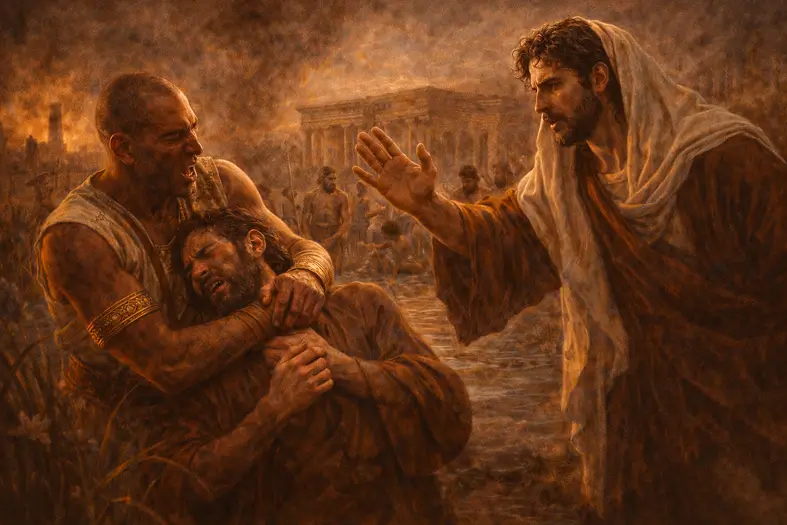
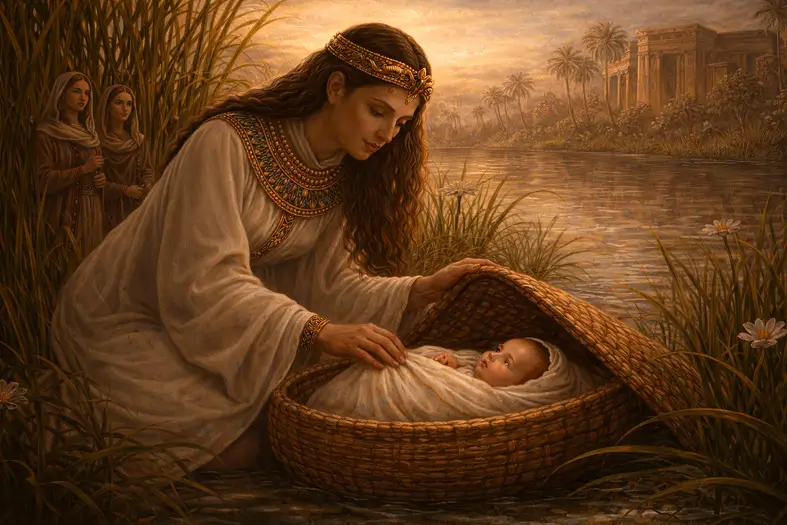
“:לֹ֖א תִּרְצָֽח”
— Exodus 20:13 - You shall not murder.
Parshas Shemos begins redemption with a refusal to kill. From the midwives to Moshe himself, the Torah shows that Mitzvah #482 — Not to Murder — is the moral axis of the parsha, teaching that geulah begins the moment human life becomes non-negotiable.
Explore the full mitzvah →
https://www.mitzvah-minute.com/613-mitzvahs/not-to-murder
How Redemption Begins with the Refusal to Kill
Part I — Mitzvah #482: Not to Murder
Why Shemos is built on a layered refusal to kill — from the midwives to Bat-Paroh to Moshe himself.
Part II — “וַתְּחַיֶּיןָ” — The Midwives Who Gave Life
How quiet moral courage sustains life before open resistance is possible.
Part III — Moshe and the Egyptian
Why stopping violence raises new moral questions — and how Torah refuses simple hero narratives.

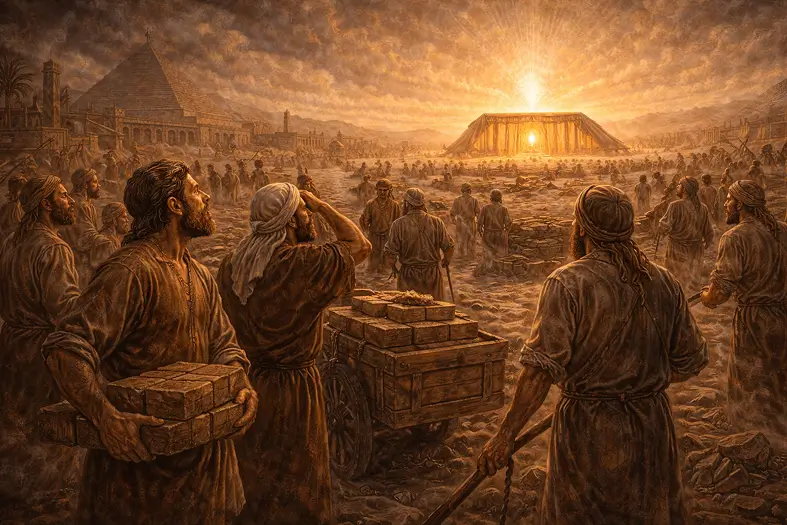
Parshas Shemos does not begin with miracles — it begins with pressure, silence, and moral testing. Before Moshe speaks, others act. Before redemption advances, suffering intensifies. And before freedom arrives, the Torah asks a deeper question: what kind of people are we becoming inside constriction?
Read the Parsha insights and commentaries →
https://www.mitzvah-minute.com/parshiyot/shemos
Shemos teaches that faith is not forged in clarity, but in narrow places — when answers are absent, pressure increases, and moral choices still matter.
Read Lessons from Parshas Shemos (4 - min read) →
https://www.mitzvah-minute.com/divrei-torah/living-with-emunah-inside-constriction---parshas-shemos----lessons-for-today

Read the full essays →
Part I — Speech vs. Power
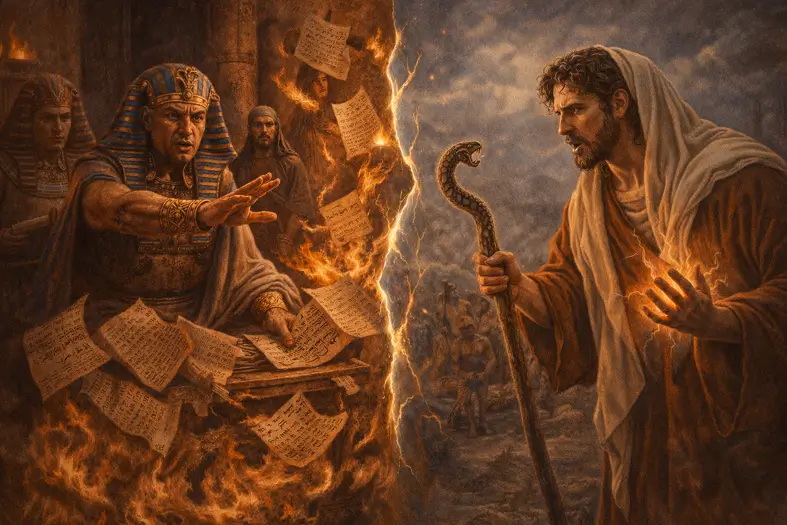
Why Pharaoh’s fluent cruelty contrasts with Moshe’s heavy mouth.
Part II — Rav Kook on Indestructible Emunah
How faith survives even when people cannot hear words of hope.

Read the full essays →
Ramban — Redemption Requires the Return of the Shechinah
Why political freedom alone is not geulah.
Abarbanel — Authority Without Ego
Why Moshe’s reluctance is the foundation of his leadership.
Rav Avigdor Miller — Training the Eye to See Hashem
Redemption as the re-education of awareness itself.

Read the full essays →
Part I — Galus of Da’as
How exile begins when awareness itself becomes constricted.
Part II — The Baal Shem Tov’s Warning
When religious avodah quietly turns inward and sustains ego instead of redemption.
Part III — Kedushas Levi on Names
How desire itself can be sanctified — and why naming is a redemptive act.

Read the full essays →
Presence, Attention, and the Shape of Redemption
Part I — The Bush That Burns but Doesn’t Disappear
Why Hashem reveals Himself inside pain, not above it.
Part II — “אָסֻרָה־נָּא וְאֶרְאֶה”
Why leadership begins when someone stops, turns aside, and truly sees.
Part III — “אֶהְיֶה אֲשֶׁר אֶהְיֶה”
A Divine Name of presence, not prediction — faith without timetables.

Read the full essays →
The Stages of Redemption from Egypt
Part I — Geulah Ripens: The Slow Birth of Redemption
Why redemption must mature — cruelty exposed, conscience awakened, and character refined — before salvation can arrive.
Part II — Abarbanel’s Anatomy of Delay
Why Moshe’s arrival initially makes suffering worse — and why delay is not failure, but the mechanism of geulah itself.
Part III — Oppression by Paperwork
How Pharaoh’s “wisdom” creates a bureaucratic evil that normalizes cruelty — and why rational systems can be more dangerous than rage.
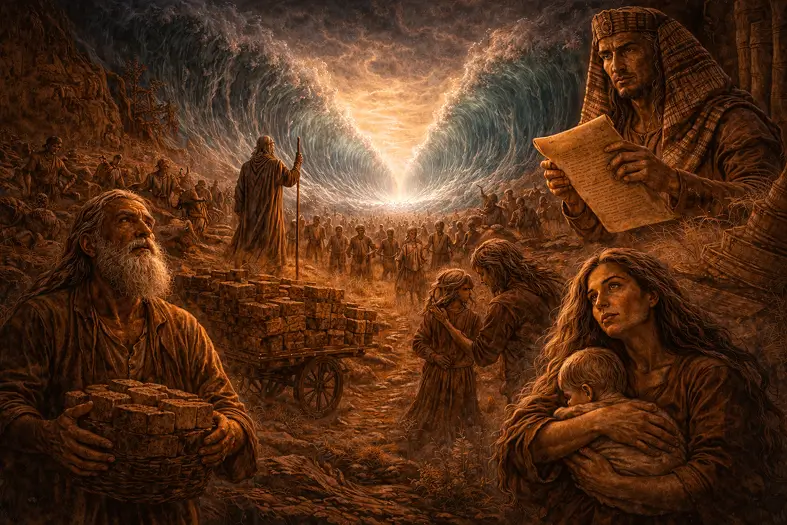
Shemos teaches that redemption begins long before freedom is visible. It begins when someone refuses to kill, refuses to look away, refuses to normalize cruelty, and refuses to abandon faith under pressure.
The Torah does not wait for miracles to demand moral responsibility. It asks for courage in silence, faith in constriction, and attention when it would be easier to walk past the fire and keep going.
This week reminds us that geulah is already underway — wherever human beings choose life, responsibility, and emunah even when the path forward remains hidden.

Dive into mitzvot, prayer, and Torah study—each section curated to help you learn, reflect, and live with intention. New insights are added regularly, creating an evolving space for spiritual growth.
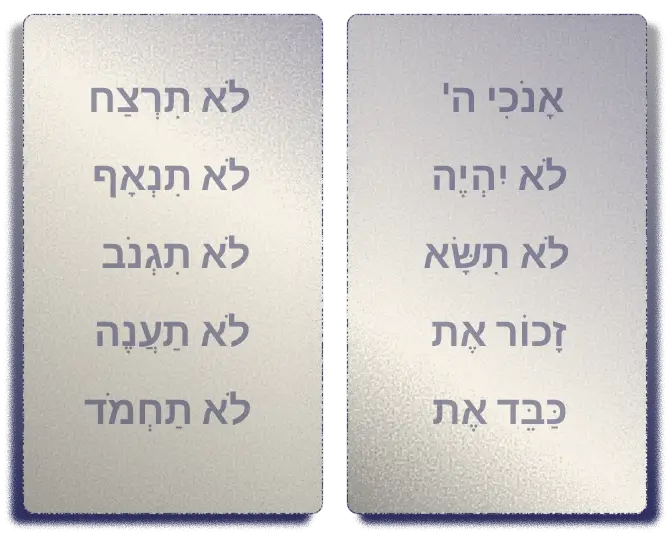
Explore the 613 mitzvot and uncover the meaning behind each one. Discover practical ways to integrate them into your daily life with insights, sources, and guided reflection.
Learn the structure, depth, and spiritual intent behind Jewish prayer. Dive into morning blessings, Shema, Amidah, and more—with tools to enrich your daily connection.

Each week’s parsha offers timeless wisdom and modern relevance. Explore summaries, key themes, and mitzvah connections to deepen your understanding of the Torah cycle.