1.1 — We Live in a World Belonging to Hashem
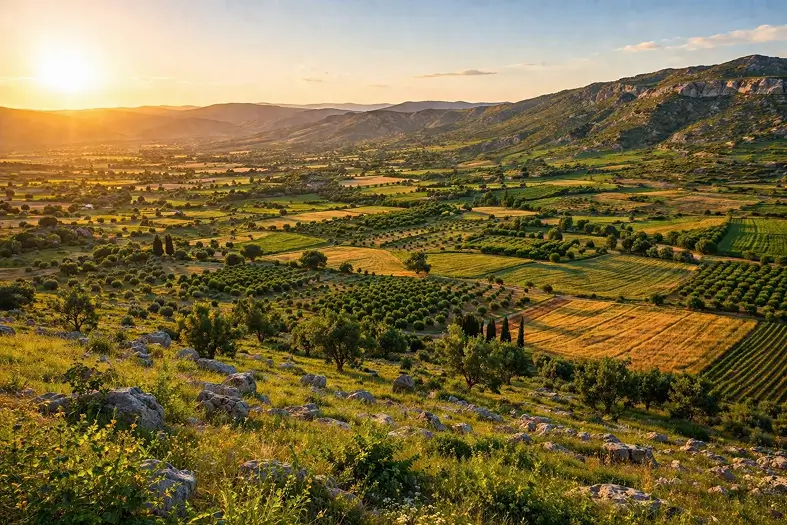
Parshas Behar begins with an unexpected emphasis: [וַיְדַבֵּר ה׳ אֶל־מֹשֶׁה בְּהַר סִינַי לֵאמֹר — “Hashem spoke to Moshe on Har Sinai, saying.”] The Torah places שמיטה — the Sabbatical year at Har Sinai because this mitzvah does not remain in the world of belief alone. It enters the soil. It reaches the field, the marketplace, the harvest, the storage room, and the human heart.
For six years, the farmer works as an owner. He plants, prunes, gathers, plans, sells, and stores. His hands are full of effort, and that effort is real. The Torah does not mock his labor. It does not erase private property. It allows ownership, honors work, and gives man room to build. But in the seventh year, the field becomes a rebbe. It teaches him what ownership really means.
[וְשָׁבְתָה הָאָרֶץ שַׁבָּת לַה׳ — “The land shall rest, a Shabbos for Hashem.”] The land does not rest only for recovery. It rests for Hashem. The farmer steps back, and the produce becomes הפקר — ownerless. He may eat, but not as a בעל הבית — exclusive master. He eats as one person among many.
In that moment, the field stops serving as a private fortress. It becomes a place where many stand together:
This is not chaos. It is Torah order. The produce is not destroyed; it is released from private control. The owner is not humiliated; he is corrected. He learns that access is not the same as possession, and success is not the same as control.
This is the force of [וְהָאָרֶץ לֹא תִמָּכֵר לִצְמִתֻת כִּי־לִי הָאָרֶץ — “The land shall not be sold permanently, for the land is Mine.”] Land may be sold, but not forever. Its price is measured by years of produce until יובל — the Jubilee year. A buyer is not purchasing earth absolutely. He is purchasing use, time, and crops. Beneath every contract stands Hashem’s claim.
A tenant who begins rearranging the landlord’s house as if it were his own has forgotten where he is. He may live there. He may use the rooms. He may keep them beautiful. But the house is not his to redefine. So too, a Jew lives in Hashem’s world. His home, land, strength, food, talent, money, and success are entrusted to him. They are not raw material for desire. They are tools for avodas Hashem — service of Hashem.
Bechukosai shows the same truth from the side of blessing. When Klal Yisroel walks with Hashem, rain comes בעתם — in its proper time. Food satisfies. Peace holds society together. The land, body, economy, and nation become ordered around the ברית — covenant. Nature does not become less natural. It becomes transparent. The world reveals that it was never independent.
שמיטה — the Sabbatical year trains דעת — clear spiritual understanding. A person must know that the world belongs to Hashem. He practices that truth until it becomes his way of seeing. He works without worshiping work. He owns without being owned. He receives the world fully, but never forgets Who gave it.
A person can build a life and still remain free from the illusion that life belongs to him absolutely. This is not weakness. It is clarity. The deepest dignity comes from knowing that one’s gifts are entrusted by Hashem.
A home becomes different when it is seen as a place of responsibility. Money becomes different when it is seen as a tool. Success becomes different when it is seen as a deposit. Even ordinary food becomes different when a person senses that he is eating at Hashem’s table.
שמיטה — the Sabbatical year speaks to the fear of release. The farmer lets go of control and discovers that this is Hashem’s world. That awareness gives a Jew strength to live fully knowing that everything comes from Hashem..
📖 Sources


1.1 — We Live in a World Belonging to Hashem
Parshas Behar begins with an unexpected emphasis: [וַיְדַבֵּר ה׳ אֶל־מֹשֶׁה בְּהַר סִינַי לֵאמֹר — “Hashem spoke to Moshe on Har Sinai, saying.”] The Torah places שמיטה — the Sabbatical year at Har Sinai because this mitzvah does not remain in the world of belief alone. It enters the soil. It reaches the field, the marketplace, the harvest, the storage room, and the human heart.
For six years, the farmer works as an owner. He plants, prunes, gathers, plans, sells, and stores. His hands are full of effort, and that effort is real. The Torah does not mock his labor. It does not erase private property. It allows ownership, honors work, and gives man room to build. But in the seventh year, the field becomes a rebbe. It teaches him what ownership really means.
[וְשָׁבְתָה הָאָרֶץ שַׁבָּת לַה׳ — “The land shall rest, a Shabbos for Hashem.”] The land does not rest only for recovery. It rests for Hashem. The farmer steps back, and the produce becomes הפקר — ownerless. He may eat, but not as a בעל הבית — exclusive master. He eats as one person among many.
In that moment, the field stops serving as a private fortress. It becomes a place where many stand together:
This is not chaos. It is Torah order. The produce is not destroyed; it is released from private control. The owner is not humiliated; he is corrected. He learns that access is not the same as possession, and success is not the same as control.
This is the force of [וְהָאָרֶץ לֹא תִמָּכֵר לִצְמִתֻת כִּי־לִי הָאָרֶץ — “The land shall not be sold permanently, for the land is Mine.”] Land may be sold, but not forever. Its price is measured by years of produce until יובל — the Jubilee year. A buyer is not purchasing earth absolutely. He is purchasing use, time, and crops. Beneath every contract stands Hashem’s claim.
A tenant who begins rearranging the landlord’s house as if it were his own has forgotten where he is. He may live there. He may use the rooms. He may keep them beautiful. But the house is not his to redefine. So too, a Jew lives in Hashem’s world. His home, land, strength, food, talent, money, and success are entrusted to him. They are not raw material for desire. They are tools for avodas Hashem — service of Hashem.
Bechukosai shows the same truth from the side of blessing. When Klal Yisroel walks with Hashem, rain comes בעתם — in its proper time. Food satisfies. Peace holds society together. The land, body, economy, and nation become ordered around the ברית — covenant. Nature does not become less natural. It becomes transparent. The world reveals that it was never independent.
שמיטה — the Sabbatical year trains דעת — clear spiritual understanding. A person must know that the world belongs to Hashem. He practices that truth until it becomes his way of seeing. He works without worshiping work. He owns without being owned. He receives the world fully, but never forgets Who gave it.
A person can build a life and still remain free from the illusion that life belongs to him absolutely. This is not weakness. It is clarity. The deepest dignity comes from knowing that one’s gifts are entrusted by Hashem.
A home becomes different when it is seen as a place of responsibility. Money becomes different when it is seen as a tool. Success becomes different when it is seen as a deposit. Even ordinary food becomes different when a person senses that he is eating at Hashem’s table.
שמיטה — the Sabbatical year speaks to the fear of release. The farmer lets go of control and discovers that this is Hashem’s world. That awareness gives a Jew strength to live fully knowing that everything comes from Hashem..
📖 Sources


“We Live in a World Belonging to Hashem”
וְשָׁבְתָה הָאָרֶץ שַׁבָּת לַה׳
This mitzvah gives the essay its foundation. The land’s rest teaches that the field is not merely a human asset. It belongs first to Hashem, and man’s use of it must pause when Hashem commands.
שָׂדְךָ לֹא תִזְרָע
The prohibition against working the land during שמיטה — the Sabbatical year turns belief into discipline. A person demonstrates that ownership is limited by stopping the very labor that usually expresses control.
אֵת סְפִיחַ קְצִירְךָ לֹא תִקְצוֹר
This mitzvah shows that even produce which grows on its own may not be harvested כדרך קציר — in the manner of an owner. The field’s produce must be treated through release, not private mastery.
וְהַשְּׁבִיעִת תִּשְׁמְטֶנָּה וּנְטַשְׁתָּהּ
This mitzvah expresses הפקר — ownerless release. שמיטה does not deny food; it changes the way food is held. The owner may eat, but only as part of Hashem’s wider order.
וְהָאָרֶץ לֹא תִמָּכֵר לִצְמִתֻת כִּי־לִי הָאָרֶץ
This mitzvah is the essay’s central ownership principle. Land may pass through human hands, but it cannot be sold forever, because Eretz Yisroel remains under Hashem’s permanent claim.


“We Live in a World Belonging to Hashem”
Behar opens with שמיטה — the Sabbatical year at Har Sinai, teaching that Torah enters the physical world with full halachic structure. The land rests as “שַׁבָּת לַה׳” — a Shabbos for Hashem, and its produce becomes הפקר — ownerless, removing it from private control. The central pasuk, “כִּי־לִי הָאָרֶץ” — “for the land is Mine,” frames all ownership as limited and held beneath Hashem’s higher claim. Bechukosai then shows the same truth through blessing: rain, food, peace, and stability reveal a world ordered around the ברית — covenant.

Dive into mitzvos, tefillah, and Torah study—each section curated to help you learn, reflect, and live with intention. New insights are added regularly, creating an evolving space for spiritual growth.

Explore the 613 mitzvos and uncover the meaning behind each one. Discover practical ways to integrate them into your daily life with insights, sources, and guided reflection.

Learn the structure, depth, and spiritual intent behind Jewish prayer. Dive into morning blessings, Shema, Amidah, and more—with tools to enrich your daily connection.

Each week’s parsha offers timeless wisdom and modern relevance. Explore summaries, key themes, and mitzvah connections to deepen your understanding of the Torah cycle.