"Behar-Bechukosai — Part II — שַׁבָּת לַה׳: Shabbos for Hashem"

Mitzvah Minute Logo Icon

2.1 — Shabbos, Shemitah, Yovel — The Secret of Seven

Yovel
שבת — Shabbos, שמיטה — the Sabbatical year, and יובל — the Jubilee year reveal that Torah time moves in sacred cycles. Six leads to seven, seven cycles lead to fifty, and history itself moves toward return. שמיטה is not merely agricultural rest; it is the land entering the rhythm of Creation. יובל makes time public through shofar, freedom, and restoration. A Jew learns that work is meaningful only when it moves toward Hashem.
4 - min read

"Behar-Bechukosai — Part II — שַׁבָּת לַה׳: Shabbos for Hashem"

2.1 — Shabbos, Shemitah, Yovel — The Secret of Seven

Time That Moves Toward Hashem

The Torah does not treat time as empty space. Time has shape. Six days move toward שבת — Shabbos. Six years move toward שמיטה — the Sabbatical year. Seven cycles of seven years move toward יובל — the Jubilee year. Life is not a straight line of work, pressure, and production. It moves through sacred rhythm.

[וְשָׁבְתָה הָאָרֶץ שַׁבָּת לַה׳ — “The land shall rest, a Shabbos for Hashem.”] This is more than agricultural rest. The land enters the same pattern that began at Creation. Just as שבת בראשית — the Shabbos of Creation declares that Hashem made the world, שמיטה — the Sabbatical year declares that the land still belongs to His order.

For six years, man acts. He plows, plants, prunes, gathers, plans, and counts. In the seventh year, time itself teaches him that action is not the final goal. Work is holy when it moves toward rest. Human effort is meaningful when it leads back to Hashem.

Ramban reveals the depth of this pattern. שבת — Shabbos is the seventh day of Creation. שמיטה — the Sabbatical year is the seventh year of the land. The six days hint to ימות עולם — the days of world history, and the seventh points toward עולם הבא — the World to Come. The land’s rest is therefore not only about fields. It teaches the direction of history.

This is why the Torah says: [שֵׁשׁ שָׁנִים תִּזְרַע שָׂדֶךָ... וּבַשָּׁנָה הַשְּׁבִיעִת שַׁבַּת שַׁבָּתוֹן יִהְיֶה לָאָרֶץ — “Six years you shall sow your field... and in the seventh year there shall be a complete rest for the land.”] The seventh does not cancel the six. It gives them meaning. The week is not whole until Shabbos. The land cycle is not whole until שמיטה.

יובל — the Jubilee year carries this rhythm even higher. The Torah commands: [וְסָפַרְתָּ לְךָ שֶׁבַע שַׁבְּתֹת שָׁנִים שֶׁבַע שָׁנִים שֶׁבַע פְּעָמִים — “You shall count for yourself seven Sabbaths of years, seven years seven times.”] Seven is completed seven times, and then the fiftieth year arrives.

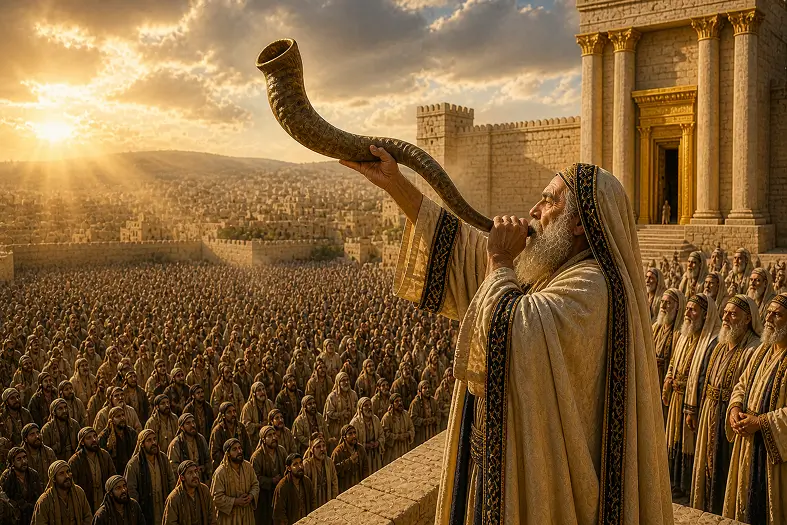
The fiftieth year is not merely another pause. It is return. Fields return. Servants go free. Families return to their place. The shofar sounds on Yom Kippur as a public הכרזה — proclamation. Time becomes audible. The whole land hears that a new reality has begun.

Rashi explains that even if the earlier שמיטות — Sabbatical years were not properly observed, יובל still arrives after forty-nine years. This is a powerful truth. Sacred time is not created by human success. Hashem placed it into the world. People may ignore it, but they cannot erase it.

Bechukosai echoes this from the side of consequence. If Klal Yisroel refuses שמיטה, the land later receives its missed שבתות — Sabbatical rests through desolation. Sacred time returns either as holy rest or as painful correction. The rhythm of Hashem’s world cannot be cancelled.

The Sfas Emes deepens this with Chassidic warmth. The seventh reveals the inner חיות — life-force hidden inside the six. Weekday labor, fieldwork, and ordinary movement are not empty. They carry a hidden light, but that light becomes visible only when life pauses for Hashem.

A Jew therefore does not live in ordinary time. His days, years, and generations are shaped by return. שבת restores the week. שמיטה restores the land. יובל restores society. All three teach that history itself is moving toward תיקון — repair.

Application for Today

Modern life often feels like endless motion. Work leads to more work. Pressure leads to more pressure. The Torah gives a different system. Time must include return.

שבת — Shabbos teaches that the week is not measured only by output. שמיטה — the Sabbatical year teaches that even long cycles of work need holy release. יובל — the Jubilee year teaches that no condition in life is absolutely final.

This gives a Jew a deeper identity. He does not belong to a culture of nonstop production. He lives by Hashem’s rhythm. Work matters, but it is not the master. Time itself becomes a path back to kedushah — holiness.

📖 Sources

  • Full sources available on the Mitzvah Minute Parshas Behar & Bechukosai pages under insights and commentaries

Written & Organized by
Boaz Solowitch
May 5, 2026
Mitzvah Minute Logo Icon

Connections

Mitzvah Minute Logo Icon

Mitzvah Links

Mitzvah 279

To rest the land during the seventh year by not doing any work which enhances growth
A Siddur
Learn this Mitzvah

Mitzvah 279

279
To rest the land during the seventh year by not doing any work which enhances growth

Mitzvah 280

Not to work the land during the seventh year
A Siddur
Learn this Mitzvah

Mitzvah 280

280
Not to work the land during the seventh year

Mitzvah 288

The Sanhedrin must count seven groups of seven years
A Siddur
Learn this Mitzvah

Mitzvah 288

288
The Sanhedrin must count seven groups of seven years

Mitzvah 289

The Sanhedrin must sanctify the fiftieth (Jubilee) year
A Siddur
Learn this Mitzvah

Mitzvah 289

289
The Sanhedrin must sanctify the fiftieth (Jubilee) year

Mitzvah 290

To blow the Shofar on the tenth of Tishrei (Yom Kippur of the Jubilee year) to free the slaves
A Siddur
Learn this Mitzvah

Mitzvah 290

290
To blow the Shofar on the tenth of Tishrei (Yom Kippur of the Jubilee year) to free the slaves
The Luchos - Ten Commandments
View Mitzvah Notes

Mitzvah Reference Notes

"x" close page navigation button

Mitzvah Reference Notes

“Shabbos, Shemitah, Yovel — The Secret of Seven”

Mitzvah #279 — To Rest the Land During the Seventh Year (Leviticus 25:2)

וְשָׁבְתָה הָאָרֶץ שַׁבָּת לַה׳

This mitzvah establishes שמיטה — the Sabbatical year as the land’s form of שבת — Shabbos. It teaches that the seventh year is not merely a pause in labor, but sacred time directed toward Hashem.

Mitzvah #280 — Not to Work the Land During the Seventh Year (Leviticus 25:4)

שָׂדְךָ לֹא תִזְרָע

The prohibition against planting during שמיטה gives the seventh year its practical force. Time becomes holy not only through thought, but through restraint from ordinary agricultural work.

Mitzvah #288 — The Sanhedrin Must Count Seven Groups of Seven Years (Leviticus 25:8)

וְסָפַרְתָּ לְךָ שֶׁבַע שַׁבְּתֹת שָׁנִים

This mitzvah is the structural heart of the essay. The count of seven cycles shows that Torah time is layered, ordered, and moving toward יובל — the Jubilee year.

Mitzvah #289 — The Sanhedrin Must Sanctify the Fiftieth Year (Leviticus 25:10)

וְקִדַּשְׁתֶּם אֵת שְׁנַת הַחֲמִשִּׁים שָׁנָה

The sanctification of the fiftieth year teaches that יובל stands beyond the regular sevenfold cycle. After completion within nature, the Torah reveals a higher year of restoration and return.

Mitzvah #290 — To Blow the Shofar on Yom Kippur of Yovel (Leviticus 25:9)

וְהַעֲבַרְתָּ שׁוֹפַר תְּרוּעָה... בְּיוֹם הַכִּפֻּרִים

The shofar makes יובל public. It announces that sacred time has arrived, and that freedom, return, and renewal are not private feelings but national Torah realities.

Parsha Links

בְּהַר – Behar

Haftarah: Jeremiah 32:6-22
A Siddur
Learn this Parsha

בְּהַר – Behar

בְּהַר – Behar

בְּחֻקֹּתַי – Bechukosai

Haftarah: Jeremiah 16:19 - 17:14
A Siddur
Learn this Parsha

בְּחֻקֹּתַי – Bechukosai

בְּחֻקֹּתַי – Bechukosai
A Sefer Torah
View Parsha Notes
"x" close page navigation button

Parsha Reference Notes

“Shabbos, Shemitah, Yovel — The Secret of Seven”

Parshas Behar-Bechukosai (Vayikra 25:2–10; 26:34–35)

Behar presents sacred time through the movement from six years of labor to the seventh year of שמיטה — the Sabbatical year, and from seven cycles of seven years to יובל — the Jubilee year. The land’s rest as “שַׁבָּת לַה׳” — a Shabbos for Hashem connects agricultural life to the rhythm of Creation. יובל then expands that rhythm into national restoration, where shofar, freedom, and return reshape society. Bechukosai echoes the same principle by teaching that ignored שבתות — Sabbatical rests are later reclaimed by the land.

Mitzvah Minute
Mitzvah Minute Logo

Learn more.

Dive into mitzvos, tefillah, and Torah study—each section curated to help you learn, reflect, and live with intention. New insights are added regularly, creating an evolving space for spiritual growth.

Luchos
Live a commandment-driven life

Mitzvah

Explore the 613 mitzvos and uncover the meaning behind each one. Discover practical ways to integrate them into your daily life with insights, sources, and guided reflection.

Learn more

Mitzvah #

534

Not to lend with interest
The Luchos - Ten Commandments
Learn this Mitzvah

Mitzvah Highlight

Siddur
Connection through Davening

Tefillah

Learn the structure, depth, and spiritual intent behind Jewish prayer. Dive into morning blessings, Shema, Amidah, and more—with tools to enrich your daily connection.

Learn more

Tefillah

COMING SOON.
A Siddur
Learn this Tefillah

Tefillah Focus

A Sefer Torah
Study the weekly Torah portion

Parsha

Each week’s parsha offers timeless wisdom and modern relevance. Explore summaries, key themes, and mitzvah connections to deepen your understanding of the Torah cycle.

Learn more

בְּחֻקֹּתַי – Bechukosai

Haftarah: Jeremiah 16:19 - 17:14
A Sefer Torah
Learn this Parsha

Weekly Parsha