4.5 — Living With the Shechinah: The Lessons of Pekudei for Our Lives (Application for Today)
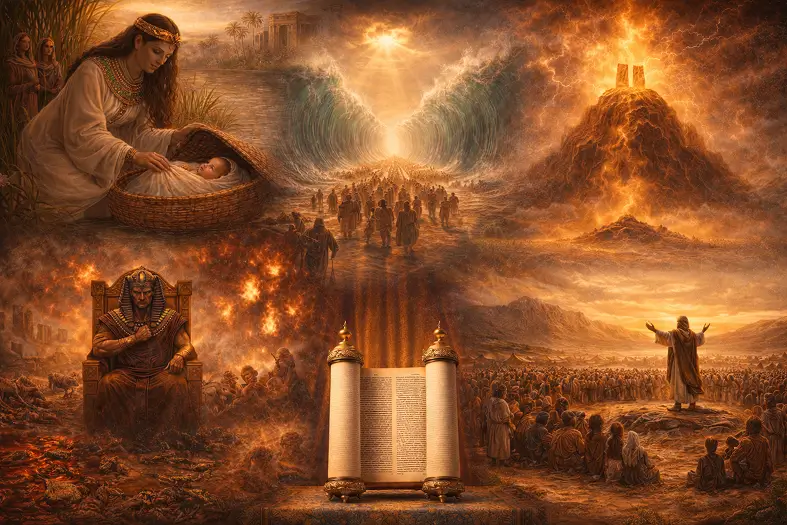
Parshas Pekudei brings the narrative of the Mishkan to completion and closes the entire book of Sefer Shemos. The Torah describes the final steps of a long national transformation: from slavery in Egypt to a people capable of hosting the Divine Presence.
The parsha begins with a meticulous accounting:
שמות ל״ח:כ״א
“אֵלֶּה פְקוּדֵי הַמִּשְׁכָּן.”
Every donation of gold, silver, and copper is recorded. The Torah insists that even the holiest project must be governed by integrity and transparency.
The narrative continues by repeatedly emphasizing that every element of the Mishkan was completed exactly according to the Divine command:
שמות ל״ט:ל״ב
“כַּאֲשֶׁר צִוָּה ה׳ אֶת מֹשֶׁה.”
Moshe then erects the Mishkan itself:
שמות מ׳:י״ח
“וַיָּקֶם מֹשֶׁה אֶת הַמִּשְׁכָּן.”
Finally, the moment arrives when the Divine Presence fills the sanctuary:
שמות מ׳:ל״ד
“וּכְבוֹד ה׳ מָלֵא אֶת הַמִּשְׁכָּן.”
Ramban explains that this moment represents the fulfillment of the Exodus. The purpose of leaving Egypt was not simply freedom from oppression but the restoration of a living relationship between Hashem and Israel. The Mishkan allows the revelation that began at Sinai to dwell permanently among the people.
Rambam similarly emphasizes that redemption in the Torah always leads toward divine service. Freedom becomes meaningful when it allows human beings to organize their lives around higher purpose and sacred responsibility.
The Mishkan therefore represents the culmination of the entire narrative of Sefer Shemos.
The construction of the Mishkan reveals that holiness does not appear suddenly. It emerges through the careful ordering of human life.
Rashi emphasizes the Torah’s repeated phrase “כַּאֲשֶׁר צִוָּה ה׳”, highlighting that every detail of the Mishkan followed divine instruction. Holiness requires discipline and precision rather than improvisation.
Rav Kook saw in the Mishkan a profound harmony between human creativity and divine purpose. The sanctuary was built through the talents of artisans, the generosity of donors, and the leadership of Moshe. Yet its ultimate meaning lies beyond human achievement.
Human effort prepares the structure, but the Divine Presence fills it.
The Sfas Emes adds that the Mishkan demonstrates a deeper spiritual truth. Holiness becomes visible when human beings organize their lives in a way that reflects their relationship with Hashem. The sanctuary stands as a physical expression of a people who have aligned their society with divine purpose.
The Mishkan therefore represents more than architecture. It reveals the spiritual structure through which divine presence enters human life.
Rabbi Jonathan Sacks frequently noted that the Torah distinguishes between two kinds of freedom.
There is freedom from, the liberation from oppression experienced in Egypt. But there is also freedom for, the ability to build a life directed toward meaning and responsibility.
The Exodus provided the first. The Mishkan created the second.
Through the sanctuary, the people of Israel transform their freedom into a covenant society. Their generosity, craftsmanship, discipline, and obedience become the foundation for a community capable of sustaining the Divine Presence.
The Mishkan therefore represents the moral architecture of freedom.
Rav Avigdor Miller often emphasized that the Torah’s ultimate goal is to cultivate awareness of Hashem within daily life.
The Mishkan made that awareness tangible for the people of Israel. The cloud resting upon the sanctuary reminded the nation that the Divine Presence accompanied them throughout their journey.
Every camp, every movement, and every act of service unfolded in the shadow of the sanctuary.
Through the Mishkan, the people learned to live their lives with constant awareness of Hashem.
The lessons of Pekudei extend far beyond the wilderness sanctuary.
The Torah presents the Mishkan as a model for how human societies can create environments where holiness flourishes.
Several principles emerge from the narrative of the parsha.
The Torah begins Pekudei with a careful accounting of the Mishkan’s resources. Spiritual leadership requires transparency, responsibility, and trust.
Communities flourish when their institutions are governed by ethical integrity.
The repeated phrase “כַּאֲשֶׁר צִוָּה ה׳” reminds us that holiness grows through disciplined attention to detail. The small actions of daily life—how we speak, work, and fulfill our responsibilities—shape the spiritual environment around us.
Moshe erects the Mishkan, yet the sanctuary ultimately becomes complete when the Divine Presence fills it. Human effort prepares the conditions for divine blessing.
Success therefore requires both dedication and humility.
Moshe blesses the people that the Shechinah should rest upon their work. The Torah teaches that meaningful achievement is measured not only by productivity but by whether our efforts contribute to a life aligned with spiritual values.
Sefer Shemos begins with slavery and ends with the Divine Presence dwelling among Israel. The Torah teaches that freedom is not an end in itself.
It is the opportunity to build a society rooted in justice, generosity, and reverence for Hashem.
The final scene of Sefer Shemos presents a powerful image.
The Mishkan stands complete. The cloud of the Divine Presence rests upon it. The people of Israel encamp around the sanctuary, their lives oriented toward the presence of Hashem.
The book that began with oppression in Egypt concludes with the possibility that human life itself can become a dwelling place for the Divine.
The Mishkan therefore becomes more than a structure in the wilderness.
It becomes a vision for every generation—a reminder that when human communities are built upon integrity, responsibility, and awareness of Hashem, the Shechinah can dwell among them.
📖 Sources

4.5 — Living With the Shechinah: The Lessons of Pekudei for Our Lives (Application for Today)
Parshas Pekudei brings the narrative of the Mishkan to completion and closes the entire book of Sefer Shemos. The Torah describes the final steps of a long national transformation: from slavery in Egypt to a people capable of hosting the Divine Presence.
The parsha begins with a meticulous accounting:
שמות ל״ח:כ״א
“אֵלֶּה פְקוּדֵי הַמִּשְׁכָּן.”
Every donation of gold, silver, and copper is recorded. The Torah insists that even the holiest project must be governed by integrity and transparency.
The narrative continues by repeatedly emphasizing that every element of the Mishkan was completed exactly according to the Divine command:
שמות ל״ט:ל״ב
“כַּאֲשֶׁר צִוָּה ה׳ אֶת מֹשֶׁה.”
Moshe then erects the Mishkan itself:
שמות מ׳:י״ח
“וַיָּקֶם מֹשֶׁה אֶת הַמִּשְׁכָּן.”
Finally, the moment arrives when the Divine Presence fills the sanctuary:
שמות מ׳:ל״ד
“וּכְבוֹד ה׳ מָלֵא אֶת הַמִּשְׁכָּן.”
Ramban explains that this moment represents the fulfillment of the Exodus. The purpose of leaving Egypt was not simply freedom from oppression but the restoration of a living relationship between Hashem and Israel. The Mishkan allows the revelation that began at Sinai to dwell permanently among the people.
Rambam similarly emphasizes that redemption in the Torah always leads toward divine service. Freedom becomes meaningful when it allows human beings to organize their lives around higher purpose and sacred responsibility.
The Mishkan therefore represents the culmination of the entire narrative of Sefer Shemos.
The construction of the Mishkan reveals that holiness does not appear suddenly. It emerges through the careful ordering of human life.
Rashi emphasizes the Torah’s repeated phrase “כַּאֲשֶׁר צִוָּה ה׳”, highlighting that every detail of the Mishkan followed divine instruction. Holiness requires discipline and precision rather than improvisation.
Rav Kook saw in the Mishkan a profound harmony between human creativity and divine purpose. The sanctuary was built through the talents of artisans, the generosity of donors, and the leadership of Moshe. Yet its ultimate meaning lies beyond human achievement.
Human effort prepares the structure, but the Divine Presence fills it.
The Sfas Emes adds that the Mishkan demonstrates a deeper spiritual truth. Holiness becomes visible when human beings organize their lives in a way that reflects their relationship with Hashem. The sanctuary stands as a physical expression of a people who have aligned their society with divine purpose.
The Mishkan therefore represents more than architecture. It reveals the spiritual structure through which divine presence enters human life.
Rabbi Jonathan Sacks frequently noted that the Torah distinguishes between two kinds of freedom.
There is freedom from, the liberation from oppression experienced in Egypt. But there is also freedom for, the ability to build a life directed toward meaning and responsibility.
The Exodus provided the first. The Mishkan created the second.
Through the sanctuary, the people of Israel transform their freedom into a covenant society. Their generosity, craftsmanship, discipline, and obedience become the foundation for a community capable of sustaining the Divine Presence.
The Mishkan therefore represents the moral architecture of freedom.
Rav Avigdor Miller often emphasized that the Torah’s ultimate goal is to cultivate awareness of Hashem within daily life.
The Mishkan made that awareness tangible for the people of Israel. The cloud resting upon the sanctuary reminded the nation that the Divine Presence accompanied them throughout their journey.
Every camp, every movement, and every act of service unfolded in the shadow of the sanctuary.
Through the Mishkan, the people learned to live their lives with constant awareness of Hashem.
The lessons of Pekudei extend far beyond the wilderness sanctuary.
The Torah presents the Mishkan as a model for how human societies can create environments where holiness flourishes.
Several principles emerge from the narrative of the parsha.
The Torah begins Pekudei with a careful accounting of the Mishkan’s resources. Spiritual leadership requires transparency, responsibility, and trust.
Communities flourish when their institutions are governed by ethical integrity.
The repeated phrase “כַּאֲשֶׁר צִוָּה ה׳” reminds us that holiness grows through disciplined attention to detail. The small actions of daily life—how we speak, work, and fulfill our responsibilities—shape the spiritual environment around us.
Moshe erects the Mishkan, yet the sanctuary ultimately becomes complete when the Divine Presence fills it. Human effort prepares the conditions for divine blessing.
Success therefore requires both dedication and humility.
Moshe blesses the people that the Shechinah should rest upon their work. The Torah teaches that meaningful achievement is measured not only by productivity but by whether our efforts contribute to a life aligned with spiritual values.
Sefer Shemos begins with slavery and ends with the Divine Presence dwelling among Israel. The Torah teaches that freedom is not an end in itself.
It is the opportunity to build a society rooted in justice, generosity, and reverence for Hashem.
The final scene of Sefer Shemos presents a powerful image.
The Mishkan stands complete. The cloud of the Divine Presence rests upon it. The people of Israel encamp around the sanctuary, their lives oriented toward the presence of Hashem.
The book that began with oppression in Egypt concludes with the possibility that human life itself can become a dwelling place for the Divine.
The Mishkan therefore becomes more than a structure in the wilderness.
It becomes a vision for every generation—a reminder that when human communities are built upon integrity, responsibility, and awareness of Hashem, the Shechinah can dwell among them.
📖 Sources


4.5 — Living With the Shechinah: The Lessons of Pekudei for Our Lives
Exodus 25:8 — וְעָשׂוּ לִי מִקְדָּשׁ
The Mishkan establishes a dwelling place for the Divine Presence among Israel. Its completion represents the culmination of the redemption from Egypt.
Deuteronomy 15:8 — פָּתֹחַ תִּפְתַּח אֶת יָדֶךָ
The Mishkan was built through the generous contributions of the people, demonstrating that communal generosity forms the foundation of sacred institutions.
Deuteronomy 28:9 — וְהָלַכְתָּ בִּדְרָכָיו
A society capable of hosting the Divine Presence must reflect the moral attributes of Hashem—justice, compassion, and integrity.
Deuteronomy 6:7 — וְשִׁנַּנְתָּם לְבָנֶיךָ
The covenant established at Sinai continues through Torah study and transmission, sustaining the spiritual life of the nation.
Deuteronomy 10:20 — אֶת־ה׳ אֱלֹקֶיךָ תִּירָא
Living in the presence of Hashem requires cultivating reverence and humility before the Divine.


4.5 — Living With the Shechinah: The Lessons of Pekudei for Our Lives
The Torah begins Pekudei with a detailed accounting of the Mishkan’s materials, establishing the principle that sacred leadership requires transparency and integrity.
The repeated phrase emphasizes that holiness emerges through disciplined obedience to divine instruction.
Moshe erects the Mishkan, completing the human effort that prepared the sanctuary for the Divine Presence.
The cloud of Hashem fills the sanctuary, marking the fulfillment of the Exodus narrative and the beginning of Israel’s life with the Divine Presence dwelling among them.

Dive into mitzvos, tefillah, and Torah study—each section curated to help you learn, reflect, and live with intention. New insights are added regularly, creating an evolving space for spiritual growth.

Explore the 613 mitzvos and uncover the meaning behind each one. Discover practical ways to integrate them into your daily life with insights, sources, and guided reflection.

Learn the structure, depth, and spiritual intent behind Jewish prayer. Dive into morning blessings, Shema, Amidah, and more—with tools to enrich your daily connection.

Each week’s parsha offers timeless wisdom and modern relevance. Explore summaries, key themes, and mitzvah connections to deepen your understanding of the Torah cycle.