4.1 — Torah: The Sustaining Force of Klal Yisroel
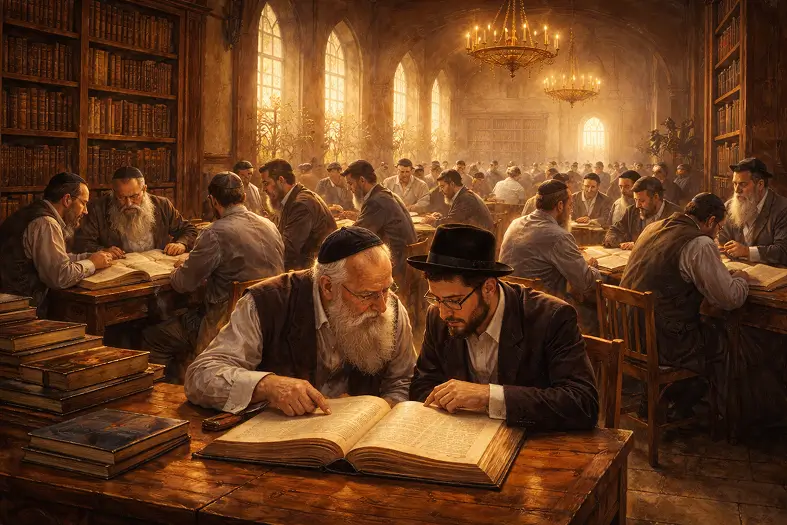
Parshas Bechukosai begins with [אִם־בְּחֻקֹּתַי תֵּלֵכוּ — “If you walk in My statutes.”] Rashi explains that this means עמל בתורה — labor in Torah. The blessings do not begin with rain, crops, peace, or strength. They begin with Torah effort, because Torah is the inner force that sustains the life of Klal Yisroel.
Torah is not one part of Jewish life. It is the root that gives every part its direction. A nation can have land, wealth, food, power, and confidence, yet still lack the force that holds life together. When Klal Yisroel walks in Torah, those blessings gain a root. They become vessels for avodas Hashem — service of Hashem.
Behar prepares this idea by placing שמיטה — the Sabbatical year at Har Sinai. Torah does not remain in the beis midrash alone. It enters the field, the harvest, the market, the home, and the structure of society. It comes with כללות — general principles, פרטות — specific details, and דקדוקים — precise laws. Torah is not vague inspiration. It is a full path for life.
Bechukosai then shows what happens when that path becomes the center of the nation. [וְנָתַתִּי גִשְׁמֵיכֶם בְּעִתָּם — “I will give your rains in their proper time.”] Rain comes at the right time. The land gives produce. Bread satisfies. Peace fills the land. National strength rises beyond ordinary numbers. Finally, [וְנָתַתִּי מִשְׁכָּנִי בְּתוֹכְכֶם — “I will place My dwelling among you.”]
These are not separate prizes. They form one ordered movement:
Ramban frames these blessings as a life beyond ordinary nature. Nature does not disappear. It becomes readable. Rain, food, health, strength, and peace reveal Hashem’s הנהגה — Divine conduct over a nation living close to Him. The world itself becomes transparent to the ברית — covenant.
Rambam deepens this point. Physical blessing is not the highest goal. Rain, food, and peace are precious because they create the conditions for Torah life. When people are not crushed by hunger, danger, and disorder, they can learn, daven, build families, keep mitzvos, and form a holy society.
This is why עמל בתורה — labor in Torah matters so deeply. Torah learning is not only information. It forms the person. It disciplines desire, steadies the heart, and trains the mind to see clearly. A Jew does not merely possess Torah ideas. Through effort, those ideas begin to possess him.
Chassidus gives this an inner warmth. The word חוקים — statutes is related to חקיקה — engraving. Written ink can remain on the surface. Engraving becomes part of the stone. עמל התורה — toil in Torah engraves the heart, so thought, speech, action, work, food, and relationships begin to carry the mark of Hashem.
The blessings reach their height with [וְהִתְהַלַּכְתִּי בְּתוֹכְכֶם — “I will walk among you.”] The parsha begins with “תֵּלֵכוּ” — you shall walk, and rises toward Hashem “walking” among Klal Yisroel. When the people walk in Torah below, the Shechinah rests among them from Above.
This is the sustaining force of Klal Yisroel. Not land alone. Not wealth alone. Not strength alone. Torah gives all of them purpose, direction, and life. With Torah, daily life can become a dwelling place for Hashem.
A person can feel pulled in many directions. Work, pressure, family, money, news, and responsibility can scatter the heart. Torah gives life a path. It teaches a person how to walk, not drift.
עמל בתורה — labor in Torah creates steadiness. It does not remove every difficulty, but it gives the soul a center. It teaches what matters, what can wait, what must be guarded, and what kind of person a Jew is meant to become.
This is also true for a community. A strong Jewish future cannot be built on activity alone. It needs Torah as its living center. When Torah shapes learning, speech, homes, schools, business, chesed, and public life, וְהִתְהַלַּכְתִּי בְּתוֹכְכֶם Hashem walks amongst Klal Yisroel.
📖 Sources


4.1 — Torah: The Sustaining Force of Klal Yisroel
Parshas Bechukosai begins with [אִם־בְּחֻקֹּתַי תֵּלֵכוּ — “If you walk in My statutes.”] Rashi explains that this means עמל בתורה — labor in Torah. The blessings do not begin with rain, crops, peace, or strength. They begin with Torah effort, because Torah is the inner force that sustains the life of Klal Yisroel.
Torah is not one part of Jewish life. It is the root that gives every part its direction. A nation can have land, wealth, food, power, and confidence, yet still lack the force that holds life together. When Klal Yisroel walks in Torah, those blessings gain a root. They become vessels for avodas Hashem — service of Hashem.
Behar prepares this idea by placing שמיטה — the Sabbatical year at Har Sinai. Torah does not remain in the beis midrash alone. It enters the field, the harvest, the market, the home, and the structure of society. It comes with כללות — general principles, פרטות — specific details, and דקדוקים — precise laws. Torah is not vague inspiration. It is a full path for life.
Bechukosai then shows what happens when that path becomes the center of the nation. [וְנָתַתִּי גִשְׁמֵיכֶם בְּעִתָּם — “I will give your rains in their proper time.”] Rain comes at the right time. The land gives produce. Bread satisfies. Peace fills the land. National strength rises beyond ordinary numbers. Finally, [וְנָתַתִּי מִשְׁכָּנִי בְּתוֹכְכֶם — “I will place My dwelling among you.”]
These are not separate prizes. They form one ordered movement:
Ramban frames these blessings as a life beyond ordinary nature. Nature does not disappear. It becomes readable. Rain, food, health, strength, and peace reveal Hashem’s הנהגה — Divine conduct over a nation living close to Him. The world itself becomes transparent to the ברית — covenant.
Rambam deepens this point. Physical blessing is not the highest goal. Rain, food, and peace are precious because they create the conditions for Torah life. When people are not crushed by hunger, danger, and disorder, they can learn, daven, build families, keep mitzvos, and form a holy society.
This is why עמל בתורה — labor in Torah matters so deeply. Torah learning is not only information. It forms the person. It disciplines desire, steadies the heart, and trains the mind to see clearly. A Jew does not merely possess Torah ideas. Through effort, those ideas begin to possess him.
Chassidus gives this an inner warmth. The word חוקים — statutes is related to חקיקה — engraving. Written ink can remain on the surface. Engraving becomes part of the stone. עמל התורה — toil in Torah engraves the heart, so thought, speech, action, work, food, and relationships begin to carry the mark of Hashem.
The blessings reach their height with [וְהִתְהַלַּכְתִּי בְּתוֹכְכֶם — “I will walk among you.”] The parsha begins with “תֵּלֵכוּ” — you shall walk, and rises toward Hashem “walking” among Klal Yisroel. When the people walk in Torah below, the Shechinah rests among them from Above.
This is the sustaining force of Klal Yisroel. Not land alone. Not wealth alone. Not strength alone. Torah gives all of them purpose, direction, and life. With Torah, daily life can become a dwelling place for Hashem.
A person can feel pulled in many directions. Work, pressure, family, money, news, and responsibility can scatter the heart. Torah gives life a path. It teaches a person how to walk, not drift.
עמל בתורה — labor in Torah creates steadiness. It does not remove every difficulty, but it gives the soul a center. It teaches what matters, what can wait, what must be guarded, and what kind of person a Jew is meant to become.
This is also true for a community. A strong Jewish future cannot be built on activity alone. It needs Torah as its living center. When Torah shapes learning, speech, homes, schools, business, chesed, and public life, וְהִתְהַלַּכְתִּי בְּתוֹכְכֶם Hashem walks amongst Klal Yisroel.
📖 Sources


“Torah: The Sustaining Force of Klal Yisroel”
וְשִׁנַּנְתָּם לְבָנֶיךָ
This mitzvah is the direct foundation of עמל בתורה — labor in Torah. Bechukosai teaches that Torah study is not only a personal obligation; it is the root of blessing, mitzvah observance, and the spiritual strength of Klal Yisroel.
וְהָדַרְתָּ פְּנֵי זָקֵן
Honoring Torah scholars protects the place of Torah within communal life. A nation sustained by Torah must honor those who carry its wisdom, transmit its depth, and shape its continuity.
וְשָׁבְתָה הָאָרֶץ שַׁבָּת לַה׳
This mitzvah shows that Torah from Sinai governs land and work, not only study and ritual life. שמיטה — the Sabbatical year turns Torah into the structure of agricultural, economic, and national existence.
וְכִי־תִמְכְּרוּ מִמְכָּר לַעֲמִיתֶךָ אוֹ קָנֹה מִיַּד עֲמִיתֶךָ
This mitzvah reflects the essay’s claim that Torah sustains all parts of life. Commerce, pricing, and exchange become part of avodas Hashem — service of Hashem when they are governed by Torah law.
וַהֲרֵעֹתֶם בַּחֲצֹצְרֹת
This mitzvah connects to Bechukosai’s vision of a nation living under Hashem’s הנהגה — Divine conduct. A Torah-sustained people does not treat history as random; it turns to Hashem and understands national life through the ברית — covenant.


“Torah: The Sustaining Force of Klal Yisroel”
Behar links שמיטה — the Sabbatical year to Har Sinai, teaching that Torah enters real life with full structure, detail, and halachic precision. Bechukosai then begins the blessings with “אִם־בְּחֻקֹּתַי תֵּלֵכוּ” — “If you walk in My statutes,” which Rashi explains as עמל בתורה — labor in Torah. The blessings unfold from Torah effort into rain, produce, satisfaction, peace, national strength, and finally the Shechinah — Divine Presence. The parshiyos together show that Torah sustains land, society, body, nation, and spirit.

Dive into mitzvos, tefillah, and Torah study—each section curated to help you learn, reflect, and live with intention. New insights are added regularly, creating an evolving space for spiritual growth.

Explore the 613 mitzvos and uncover the meaning behind each one. Discover practical ways to integrate them into your daily life with insights, sources, and guided reflection.

Learn the structure, depth, and spiritual intent behind Jewish prayer. Dive into morning blessings, Shema, Amidah, and more—with tools to enrich your daily connection.

Each week’s parsha offers timeless wisdom and modern relevance. Explore summaries, key themes, and mitzvah connections to deepen your understanding of the Torah cycle.