“וַתְּחַיֶּיןָ” — The Midwives Who Didn’t Just Refuse: They Gave Life
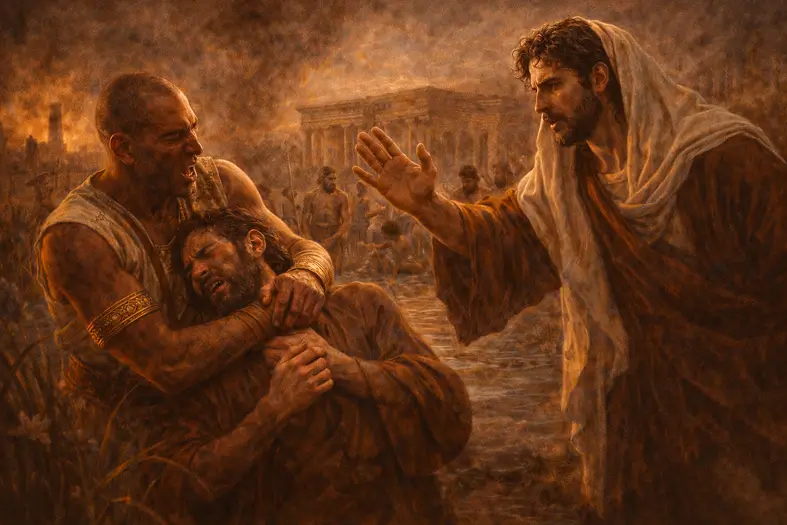
Parshas Shemos introduces the first crack in Pharaoh’s empire not through confrontation, revolt, or prophecy—but through two women who quietly choose life.
Before Moshe speaks.
Before miracles occur.
Before redemption is imaginable.
The Torah records:
“וַתִּירֶאןָ הַמְיַלְּדֹת אֶת־הָאֱלֹקִים… וַתְּחַיֶּיןָ אֶת־הַיְלָדִים”
“The midwives feared G-d… and they gave life to the children.” (Shemos 1:17)
The Torah does not say they refrained from killing.
It says they gave life.
This is not passive morality. It is active defiance.
Rashi pauses on a detail that reshapes the entire episode.
On the words “וַתְּחַיֶּיןָ”, Rashi explains that the midwives did more than refuse Pharaoh’s command. They actively sustained the newborns—providing food and water, ensuring survival beyond the moment of birth.
Yiras Shamayim, the Torah teaches here, is not an inner emotion.
It is a willingness to act when life is threatened, even under lethal authority.
The midwives do not argue with Pharaoh.
They do not denounce him.
They simply refuse to let death proceed unchecked.
Pharaoh’s violence is bureaucratic, impersonal, and loud.
The midwives’ resistance is intimate, local, and quiet.
This contrast is intentional.
Empires kill by abstraction.
Covenants preserve life by proximity.
By feeding, sheltering, and sustaining infants, the midwives restore individuality where the regime demands anonymity. Every child is treated as a soul worth effort, time, and risk.
The Torah frames this as the first moral act of redemption.
The Torah names the midwives.
Names matter. They restore dignity. They assert that individuals—not systems—carry moral weight.
By naming the midwives, the Torah ensures that the first victory over Pharaoh’s policy belongs not to kings or warriors, but to caretakers whose courage expresses itself through chessed.
Life is defended not only by law, but by those willing to nurture it quietly.
The Torah records Hashem’s response:
“וַיַּעַשׂ לָהֶם בָּתִּים”
“And He made for them houses.” (Shemos 1:21)
Rashi explains that these “houses” refer to enduring lineages—structures of continuity, priesthood, and leadership.
Measure for measure, those who preserved life are granted permanence.
The Torah teaches a profound principle:
Societies endure not by power, but by those who protect the vulnerable when power demands otherwise.
It is crucial to notice the timing.
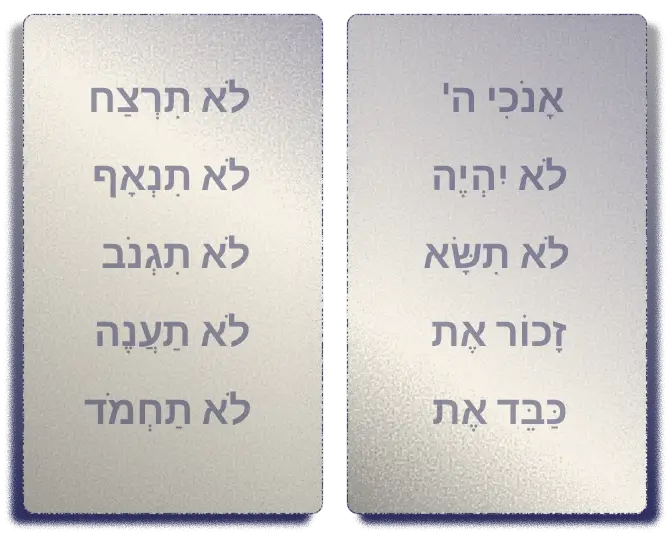
The mitzvah “Lo tirtzach” has not yet been commanded.
Sinai has not occurred.
Formal law does not yet exist.
And yet the midwives act as if murder is already forbidden.
The Torah insists that the sanctity of life is not created by legislation.
It is recognized by those who fear Hashem.
Law will come later.
But life must be defended now.
The midwives teach that moral courage does not always look heroic.
Sometimes it looks like:
They did not topple Pharaoh.
They made his decree unworkable.
Redemption often begins not by overthrowing evil, but by refusing to cooperate with it at the human level.
Parshas Shemos does not begin redemption with miracles.
It begins with women who fear Hashem enough to feed a child marked for death.
“וַתְּחַיֶּיןָ” is not a footnote.
It is the Torah’s first declaration that life will not be surrendered.
Before there is law, there is responsibility.
Before revelation, there is chessed.
Before freedom, there are those who choose life.
And because they did, redemption becomes possible.
📖 Sources


“וַתְּחַיֶּיןָ” — The Midwives Who Didn’t Just Refuse: They Gave Life
Parshas Shemos introduces the first crack in Pharaoh’s empire not through confrontation, revolt, or prophecy—but through two women who quietly choose life.
Before Moshe speaks.
Before miracles occur.
Before redemption is imaginable.
The Torah records:
“וַתִּירֶאןָ הַמְיַלְּדֹת אֶת־הָאֱלֹקִים… וַתְּחַיֶּיןָ אֶת־הַיְלָדִים”
“The midwives feared G-d… and they gave life to the children.” (Shemos 1:17)
The Torah does not say they refrained from killing.
It says they gave life.
This is not passive morality. It is active defiance.
Rashi pauses on a detail that reshapes the entire episode.
On the words “וַתְּחַיֶּיןָ”, Rashi explains that the midwives did more than refuse Pharaoh’s command. They actively sustained the newborns—providing food and water, ensuring survival beyond the moment of birth.
Yiras Shamayim, the Torah teaches here, is not an inner emotion.
It is a willingness to act when life is threatened, even under lethal authority.
The midwives do not argue with Pharaoh.
They do not denounce him.
They simply refuse to let death proceed unchecked.
Pharaoh’s violence is bureaucratic, impersonal, and loud.
The midwives’ resistance is intimate, local, and quiet.
This contrast is intentional.
Empires kill by abstraction.
Covenants preserve life by proximity.
By feeding, sheltering, and sustaining infants, the midwives restore individuality where the regime demands anonymity. Every child is treated as a soul worth effort, time, and risk.
The Torah frames this as the first moral act of redemption.
The Torah names the midwives.
Names matter. They restore dignity. They assert that individuals—not systems—carry moral weight.
By naming the midwives, the Torah ensures that the first victory over Pharaoh’s policy belongs not to kings or warriors, but to caretakers whose courage expresses itself through chessed.
Life is defended not only by law, but by those willing to nurture it quietly.
The Torah records Hashem’s response:
“וַיַּעַשׂ לָהֶם בָּתִּים”
“And He made for them houses.” (Shemos 1:21)
Rashi explains that these “houses” refer to enduring lineages—structures of continuity, priesthood, and leadership.
Measure for measure, those who preserved life are granted permanence.
The Torah teaches a profound principle:
Societies endure not by power, but by those who protect the vulnerable when power demands otherwise.
It is crucial to notice the timing.
The mitzvah “Lo tirtzach” has not yet been commanded.
Sinai has not occurred.
Formal law does not yet exist.
And yet the midwives act as if murder is already forbidden.
The Torah insists that the sanctity of life is not created by legislation.
It is recognized by those who fear Hashem.
Law will come later.
But life must be defended now.
The midwives teach that moral courage does not always look heroic.
Sometimes it looks like:
They did not topple Pharaoh.
They made his decree unworkable.
Redemption often begins not by overthrowing evil, but by refusing to cooperate with it at the human level.
Parshas Shemos does not begin redemption with miracles.
It begins with women who fear Hashem enough to feed a child marked for death.
“וַתְּחַיֶּיןָ” is not a footnote.
It is the Torah’s first declaration that life will not be surrendered.
Before there is law, there is responsibility.
Before revelation, there is chessed.
Before freedom, there are those who choose life.
And because they did, redemption becomes possible.
📖 Sources


“The Anti-Murder Axis — Part II
‘וַתְּחַיֶּיןָ’ — The Midwives Who Didn’t Just Refuse: They Gave Life”
אֶת־ה׳ אֱלֹקֶיךָ תִּירָא
The Torah explicitly grounds the midwives’ actions in yiras Elokim:
“וַתִּירֶאןָ הַמְיַלְּדֹת אֶת־הָאֱלֹקִים”.
Rashi explains that this fear expressed itself not in inner sentiment but in courageous behavior. The midwives did more than refuse Pharaoh’s order; “וַתְּחַיֶּיןָ”—they actively sustained life with food and water. Parshas Shemos thus defines fear of Hashem as moral resolve under threat: the willingness to defy unjust authority in order to protect life. Yirah is revealed as action-oriented fidelity, not emotional piety.
לֹא תִרְצָח
Although the formal commandment is given later at Sinai, Parshas Shemos presents its moral force in lived form. The midwives’ conduct demonstrates that the sanctity of life precedes legislation. By actively preserving infants targeted for death, they reject the normalization of murder at the most vulnerable point of human existence. The Torah teaches that murder is not merely forbidden behavior but an intolerable condition for covenantal society. The midwives’ actions embody the issur of murder before it is commanded, showing that life must be defended even when law has not yet spoken.
לֹא תַעֲמֹד עַל דַּם רֵעֶךָ
The midwives’ behavior exemplifies the Torah’s rejection of moral passivity. Faced with a lethal decree, they refuse silence and inaction, choosing instead to intervene quietly but decisively. Parshas Shemos teaches that preventing murder requires more than abstention; it demands engagement, care, and personal risk. This mitzvah emerges here in narrative form: life is preserved because someone refuses to stand aside while blood is threatened. The Torah presents such intervention as an essential component of fearing Hashem and sustaining a moral world.


“The Anti-Murder Axis — Part II
‘וַתְּחַיֶּיןָ’ — The Midwives Who Didn’t Just Refuse: They Gave Life”
Parshas Shemos introduces the Torah’s earliest act of redemptive resistance through the midwives, whose fear of Hashem manifests as active preservation of life. The Torah emphasizes not merely their refusal to obey Pharaoh’s decree, but their positive action — “וַתְּחַיֶּיןָ אֶת־הַיְלָדִים” — underscoring that yiras Elokim expresses itself through responsibility and chessed under threat. Rashi explains that the midwives sustained the newborns with food and water, transforming moral resistance into daily life-preservation. This episode establishes that redemption begins quietly, before law or miracle, through individuals who refuse to normalize murder and instead nurture the vulnerable. Parshas Shemos thus frames the sanctity of life as a pre-Sinai moral truth upheld by those who fear Hashem enough to act, laying the groundwork for covenantal society long before formal commandment.

Dive into mitzvos, tefillah, and Torah study—each section curated to help you learn, reflect, and live with intention. New insights are added regularly, creating an evolving space for spiritual growth.

Explore the 613 mitzvos and uncover the meaning behind each one. Discover practical ways to integrate them into your daily life with insights, sources, and guided reflection.

Learn the structure, depth, and spiritual intent behind Jewish prayer. Dive into morning blessings, Shema, Amidah, and more—with tools to enrich your daily connection.

Each week’s parsha offers timeless wisdom and modern relevance. Explore summaries, key themes, and mitzvah connections to deepen your understanding of the Torah cycle.