Why Yaakov Refuses to Enter Egypt Casually — and How Torah Builds Prosperity Without Assimilation
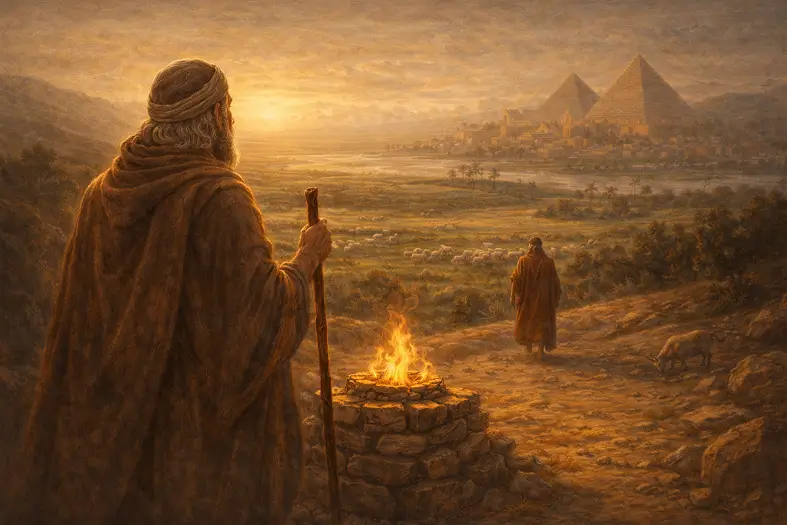
Parshas Vayigash does not merely describe the descent of Yaakov and his family into Egypt. It records how exile begins — and insists that how exile is entered determines whether it will preserve identity or dissolve it. Egypt is not simply a geographic relocation. It is a civilizational force: powerful, sophisticated, prosperous, and spiritually dangerous. The Torah therefore treats the entry into Egypt not as a logistical move, but as a theological turning point.
Yaakov Avinu does not rush. He does not follow opportunity blindly. He does not allow relief, reunion, or emotional momentum to dictate destiny. Instead, he pauses, prepares, seeks Divine reassurance, and establishes spiritual infrastructure before settling. The Torah teaches a radical principle: galus entered deliberately can preserve identity; galus entered impulsively almost always erodes it.
This essay traces three tightly bound movements in Parshas Vayigash:
why Yaakov refuses to enter Egypt casually,
why Yehudah is sent ahead to establish Torah leadership,
and how Goshen becomes a model for prosperity without assimilation.
Together, they form the Torah’s enduring map for surviving exile without losing oneself.
Once Yosef reveals himself and the path to Egypt opens, the Torah inserts a deliberate pause. Yaakov does not immediately descend. Instead, the Torah records:
“וַיִּזְבַּח זְבָחִים לֵאלֹקֵי אָבִיו יִצְחָק”
[“And he offered sacrifices to the G-d of his father Yitzchak”] (Bereishis 46:1)
Rashi explains that Yaakov was afraid to leave Eretz Yisrael. This fear is not emotional hesitation or trauma from the past. It is covenantal sensitivity. Yaakov knows that Avraham was told his descendants would descend to Egypt, but Yitzchak was explicitly forbidden to leave the land. The promise of exile is real — but so is the danger of entering it improperly.
Ramban deepens this point. Egypt is not merely another land among nations. It is the seedbed of the first long galus. It is a place of abundance that becomes bondage, cultural dominance that becomes spiritual erosion. Ramban emphasizes that exile itself is not sinful — but exile entered without Divine instruction becomes disorientation.
The Divine response is precise:
“אַל־תִּירָא מֵרְדָה מִצְרָיְמָה”
[“Do not fear descending to Egypt”] (46:3)
Hashem does not say that Egypt is harmless. He does not say that identity will survive automatically. He says, “I will go down with you.” Exile becomes survivable not because of geography, but because of orientation.
The Torah establishes a foundational rule:
Galus without a map erodes identity.
Galus with Divine orientation preserves it.
The Torah’s insistence on preparation implies its opposite. Jewish history testifies to what happens when exile is entered casually. Cultures do not assimilate Jews through ideology first; they assimilate through comfort, access, and unexamined participation.
Rav Kook later articulates this danger sharply. Engagement with the world without spiritual anchoring does not lead to influence — it leads to dilution. When identity follows opportunity instead of preceding it, erosion is inevitable.
Yaakov’s pause is therefore a refusal to repeat earlier failures in Torah history:
This is not fear of exile. It is mastery of it. Yaakov understands that survival in galus is never accidental. It must be engineered.
The Torah then records a verse that quietly defines Jewish survival for all time:
“וְאֶת־יְהוּדָה שָׁלַח לְפָנָיו… לְהוֹרֹת לְפָנָיו גֹּשְׁנָה”
[“And he sent Yehudah ahead of him… to prepare before him in Goshen”] (46:28)
Rashi explains לְהוֹרֹת not as logistical direction, but as instruction — to establish a Beis Midrash. Before housing, before food systems, before political arrangements, Yaakov sends Yehudah to build Torah leadership.
The Torah emphasizes לְפָנָיו — before arrival. Torah is not reactive insulation. It is preemptive structure.
Why Yehudah? Because Yehudah embodies:
Yosef governs Egypt. Yehudah anchors Israel.
The Torah is teaching an uncompromising principle: physical survival without Torah leads to assimilation. Prosperity without leadership leads to erosion. Community without learning dissolves under pressure.
A Beis Midrash is not an accessory to Jewish life in exile. It is its firewall.
This ordering teaches:
Yehudah is sent ahead not because Torah is fragile, but because it must define the terms of engagement.
Rav Kook frames this as a universal principle of Jewish survival. When engagement comes before Torah, identity weakens. When Torah comes without engagement, holiness risks isolation. Redemption requires integration — but integration must be led.
Sending Yehudah ahead ensures that:
This is not fear of the world. It is confidence anchored in Torah.
Once in Egypt, Yaakov makes another deliberate choice. He does not disperse his family across the land. He settles them in Goshen.
Goshen is fertile, economically strategic, and socially distinct. Rashi explains that Goshen allows separation from Egyptian idolatry and immorality. Yet this separation is not retreat. Goshen enables productivity without cultural surrender.
Goshen represents:
It is not the ideal Jewish condition — but it is a necessary containment zone during exile.
Vayigash offers a Torah blueprint for non-assimilated prosperity. The Torah does not demand poverty as a shield against erosion. It demands structure.
Prosperity without assimilation requires:
Yosef manages Egypt’s economy. Yaakov manages identity. Their cooperation allows Israel to thrive materially without dissolving spiritually.
Rav Kook sees Goshen as a prototype for modern Jewish life. True engagement:
Assimilation, Rav Kook warns, often begins not with ideology, but with comfort. Goshen teaches that success is survivable only when Torah defines the terms.
Vayigash reframes galus entirely. Exile is not merely punishment or displacement. It is a training ground for identity, responsibility, and moral clarity — but only when entered deliberately.
Yaakov’s method teaches that exile must be:
Otherwise, it consumes rather than refines.
Parshas Vayigash teaches that Jewish survival is never automatic. It is engineered through discipline, leadership, and deliberate structure. Yaakov refuses to enter Egypt casually. Yehudah is sent ahead to build Torah. Goshen becomes a space for prosperity without surrender.
Together, they form the Torah’s enduring blueprint:
This is not fear of exile.
It is mastery of it.
And it is how Israel survives history intact — with a map in hand, and Torah at its center.
📖 Sources


Why Yaakov Refuses to Enter Egypt Casually — and How Torah Builds Prosperity Without Assimilation
Parshas Vayigash does not merely describe the descent of Yaakov and his family into Egypt. It records how exile begins — and insists that how exile is entered determines whether it will preserve identity or dissolve it. Egypt is not simply a geographic relocation. It is a civilizational force: powerful, sophisticated, prosperous, and spiritually dangerous. The Torah therefore treats the entry into Egypt not as a logistical move, but as a theological turning point.
Yaakov Avinu does not rush. He does not follow opportunity blindly. He does not allow relief, reunion, or emotional momentum to dictate destiny. Instead, he pauses, prepares, seeks Divine reassurance, and establishes spiritual infrastructure before settling. The Torah teaches a radical principle: galus entered deliberately can preserve identity; galus entered impulsively almost always erodes it.
This essay traces three tightly bound movements in Parshas Vayigash:
why Yaakov refuses to enter Egypt casually,
why Yehudah is sent ahead to establish Torah leadership,
and how Goshen becomes a model for prosperity without assimilation.
Together, they form the Torah’s enduring map for surviving exile without losing oneself.
Once Yosef reveals himself and the path to Egypt opens, the Torah inserts a deliberate pause. Yaakov does not immediately descend. Instead, the Torah records:
“וַיִּזְבַּח זְבָחִים לֵאלֹקֵי אָבִיו יִצְחָק”
[“And he offered sacrifices to the G-d of his father Yitzchak”] (Bereishis 46:1)
Rashi explains that Yaakov was afraid to leave Eretz Yisrael. This fear is not emotional hesitation or trauma from the past. It is covenantal sensitivity. Yaakov knows that Avraham was told his descendants would descend to Egypt, but Yitzchak was explicitly forbidden to leave the land. The promise of exile is real — but so is the danger of entering it improperly.
Ramban deepens this point. Egypt is not merely another land among nations. It is the seedbed of the first long galus. It is a place of abundance that becomes bondage, cultural dominance that becomes spiritual erosion. Ramban emphasizes that exile itself is not sinful — but exile entered without Divine instruction becomes disorientation.
The Divine response is precise:
“אַל־תִּירָא מֵרְדָה מִצְרָיְמָה”
[“Do not fear descending to Egypt”] (46:3)
Hashem does not say that Egypt is harmless. He does not say that identity will survive automatically. He says, “I will go down with you.” Exile becomes survivable not because of geography, but because of orientation.
The Torah establishes a foundational rule:
Galus without a map erodes identity.
Galus with Divine orientation preserves it.
The Torah’s insistence on preparation implies its opposite. Jewish history testifies to what happens when exile is entered casually. Cultures do not assimilate Jews through ideology first; they assimilate through comfort, access, and unexamined participation.
Rav Kook later articulates this danger sharply. Engagement with the world without spiritual anchoring does not lead to influence — it leads to dilution. When identity follows opportunity instead of preceding it, erosion is inevitable.
Yaakov’s pause is therefore a refusal to repeat earlier failures in Torah history:
This is not fear of exile. It is mastery of it. Yaakov understands that survival in galus is never accidental. It must be engineered.
The Torah then records a verse that quietly defines Jewish survival for all time:
“וְאֶת־יְהוּדָה שָׁלַח לְפָנָיו… לְהוֹרֹת לְפָנָיו גֹּשְׁנָה”
[“And he sent Yehudah ahead of him… to prepare before him in Goshen”] (46:28)
Rashi explains לְהוֹרֹת not as logistical direction, but as instruction — to establish a Beis Midrash. Before housing, before food systems, before political arrangements, Yaakov sends Yehudah to build Torah leadership.
The Torah emphasizes לְפָנָיו — before arrival. Torah is not reactive insulation. It is preemptive structure.
Why Yehudah? Because Yehudah embodies:
Yosef governs Egypt. Yehudah anchors Israel.
The Torah is teaching an uncompromising principle: physical survival without Torah leads to assimilation. Prosperity without leadership leads to erosion. Community without learning dissolves under pressure.
A Beis Midrash is not an accessory to Jewish life in exile. It is its firewall.
This ordering teaches:
Yehudah is sent ahead not because Torah is fragile, but because it must define the terms of engagement.
Rav Kook frames this as a universal principle of Jewish survival. When engagement comes before Torah, identity weakens. When Torah comes without engagement, holiness risks isolation. Redemption requires integration — but integration must be led.
Sending Yehudah ahead ensures that:
This is not fear of the world. It is confidence anchored in Torah.
Once in Egypt, Yaakov makes another deliberate choice. He does not disperse his family across the land. He settles them in Goshen.
Goshen is fertile, economically strategic, and socially distinct. Rashi explains that Goshen allows separation from Egyptian idolatry and immorality. Yet this separation is not retreat. Goshen enables productivity without cultural surrender.
Goshen represents:
It is not the ideal Jewish condition — but it is a necessary containment zone during exile.
Vayigash offers a Torah blueprint for non-assimilated prosperity. The Torah does not demand poverty as a shield against erosion. It demands structure.
Prosperity without assimilation requires:
Yosef manages Egypt’s economy. Yaakov manages identity. Their cooperation allows Israel to thrive materially without dissolving spiritually.
Rav Kook sees Goshen as a prototype for modern Jewish life. True engagement:
Assimilation, Rav Kook warns, often begins not with ideology, but with comfort. Goshen teaches that success is survivable only when Torah defines the terms.
Vayigash reframes galus entirely. Exile is not merely punishment or displacement. It is a training ground for identity, responsibility, and moral clarity — but only when entered deliberately.
Yaakov’s method teaches that exile must be:
Otherwise, it consumes rather than refines.
Parshas Vayigash teaches that Jewish survival is never automatic. It is engineered through discipline, leadership, and deliberate structure. Yaakov refuses to enter Egypt casually. Yehudah is sent ahead to build Torah. Goshen becomes a space for prosperity without surrender.
Together, they form the Torah’s enduring blueprint:
This is not fear of exile.
It is mastery of it.
And it is how Israel survives history intact — with a map in hand, and Torah at its center.
📖 Sources


"Exile with a Map — Why Yaakov Refuses to Enter Egypt Casually"
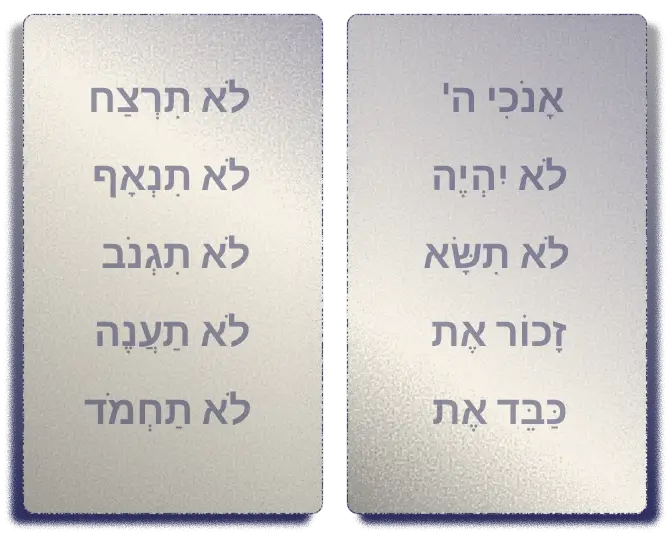
אָנֹכִי ה׳ אֱלֹקֶיךָ
Yaakov’s pause before descending to Egypt expresses lived awareness of Hashem’s presence and authority. Knowledge of G-d here is not abstract belief but covenantal consciousness that governs movement, opportunity, and risk. Vayigash teaches that exile may only be entered when identity is anchored in da’at Elokim, not in circumstance.
שְׁמַע יִשְׂרָאֵל ה׳ אֱלֹקֵינוּ ה׳ אֶחָד
Divine unity demands coherence between inner faith and outer action. Yaakov’s insistence on Divine reassurance before descent affirms that fragmentation—between spiritual loyalty and worldly movement—violates the oneness proclaimed by Shema. Exile must therefore be entered as an integrated expression of covenant.
וְהָלַכְתָּ בִּדְרָכָיו
Hashem governs the world with order, purpose, and restraint. Yaakov’s deliberate preparation models this Divine pattern. Entering exile with structure and leadership reflects halicha bidrachav: engaging reality without surrendering identity, and allowing purpose—not impulse—to direct history.
וּבוֹ תִדְבָּק
Sending Yehudah ahead to establish Torah instruction ensures that attachment to Hashem is preserved through attachment to Torah leadership. This mitzvah frames the Beis Midrash as the primary safeguard of identity in exile, anchoring the nation to spiritual guides before exposure to foreign culture.
וְשִׁנַּנְתָּם לְבָנֶיךָ
Rashi’s reading of לְהוֹרֹת לְפָנָיו as establishing Torah instruction places learning before settlement. The Torah teaches that prosperity without education erodes continuity, while Torah learning transforms exile into a structured environment of transmission rather than absorption.
וְנִקְדַּשְׁתִּי בְּתוֹךְ בְּנֵי יִשְׂרָאֵל
Goshen becomes a vehicle for Kiddush Hashem: material success governed by Torah boundaries. Rav Kook explains that sanctifying Hashem’s Name in exile occurs when Jews engage the world ethically and productively without erasing spiritual distinction.
וְלֹא תְחַלְּלוּ אֶת שֵׁם קָדְשִׁי
Assimilation born of comfort, unexamined participation, or leadership vacuum constitutes chilul Hashem. The Torah’s insistence on preparation, Torah leadership, and geographic intentionality protects against profanation by ensuring that engagement reflects covenant rather than conformity.


"Exile with a Map — Why Yaakov Refuses to Enter Egypt Casually"
Vayigash presents exile not as movement but as mission. Yaakov’s refusal to descend to Egypt impulsively, his sacrifices at Be’er Sheva, and Hashem’s reassurance—“אַל־תִּירָא מֵרְדָה מִצְרָיְמָה”—establish that galus must be entered with Divine orientation, not opportunity alone. The sending of Yehudah לְפָנָיו to establish Torah instruction before settlement teaches that identity must precede prosperity. Goshen then becomes the Torah’s model for survival in exile: geographic and cultural distinction without withdrawal, allowing material success while safeguarding spiritual continuity. Vayigash thus frames galus as survivable only when entered deliberately, structured by Torah leadership, and bounded by moral clarity.
Vayechi confirms that the structures established in Vayigash are not temporary measures but enduring safeguards. Yaakov’s blessings assign Yosef material strength and Yehudah leadership, preserving the balance between outward engagement and inward identity. Yosef’s continued ethical restraint and Yaakov’s insistence on burial in Eretz Yisrael underscore that prosperity in exile must never replace orientation toward covenantal destiny. Together, the parshiyot teach that exile refines rather than erodes only when Torah governs its terms from the outset.
Across Vayigash and Vayechi, the Torah insists that exile is never neutral. When entered with preparation, leadership, and Divine accompaniment, it becomes a training ground for identity. When entered casually, it becomes a solvent. Yaakov’s descent maps the difference.

Dive into mitzvos, tefillah, and Torah study—each section curated to help you learn, reflect, and live with intention. New insights are added regularly, creating an evolving space for spiritual growth.

Explore the 613 mitzvos and uncover the meaning behind each one. Discover practical ways to integrate them into your daily life with insights, sources, and guided reflection.

Learn the structure, depth, and spiritual intent behind Jewish prayer. Dive into morning blessings, Shema, Amidah, and more—with tools to enrich your daily connection.

Each week’s parsha offers timeless wisdom and modern relevance. Explore summaries, key themes, and mitzvah connections to deepen your understanding of the Torah cycle.