The Mitzvah Minute newsletter brings the beauty of Torah learning to your inbox — exploring mitzvot, parsha insights, and timeless Jewish wisdom in a clear, uplifting format. Browse our latest issue below, or explore past editions to keep growing one mitzvah at a time.
This week's Ki Sisa Divrei Torah series explores the parsha as an eight-part journey through covenant responsibility, failure, and renewal:
Contribution → Sacred Discipline → Spiritual Collapse → Covenant Leadership → Seeking Divine Understanding → Rebuilding the Covenant → Living the Renewed Relationship → Covenant Life After Crisis.
Together, these themes reveal how the Torah transforms failure into growth, guiding a covenant people toward deeper responsibility, humility, and enduring faith.
This newsletter begins with Mitzvah #119 — Each man must give a half shekel annually, followed by parsha insights and additional mitzvah highlights.
Next, we explore the eight-part journey of themes and conclude with a selection of Divrei Torah from the Ki Sisa series.
*Sourced from Rashi, Ramban, Sforno, Abarbanel, Rambam, Ralbag, Rav Avigdor Miller, Rav Kook, Rabbi Jonathan Sacks, and more.
Additional Mitzvah highlights include:
These Mitzvos reflect the Torah’s vision of a society sustained through responsibility, generosity, discipline, and reverence.


זֶה יִתְּנוּ כָּל הָעֹבֵר עַל־הַפְּקֻדִים מַחֲצִית הַשֶּׁקֶל בְּשֶׁקֶל הַקֹּדֶשׁ… הֶעָשִׁיר לֹא יַרְבֶּה וְהַדַּל לֹא יַמְעִיט”
“This they shall give—everyone who passes among those counted: a half-shekel according to the sacred shekel… The rich shall not give more and the poor shall not give less.”
— Shemos 30:13-15
The half-shekel establishes that Israel is counted through contribution rather than numbers. Ki Sisa teaches that covenant strength lies in shared responsibility and equal participation in sacred service.
Explore the full mitzvah →
https://www.mitzvah-minute.com/613-mitzvahs/each-man-must-give-a-half-shekel-annually

Parshas Ki Sisa traces the journey of covenant responsibility — from the half-shekel that unites the nation to the crisis of the Golden Calf and the renewal of the Second Luchos. The parsha teaches that holiness is sustained not by perfection but through responsibility, repentance, and renewed commitment before Hashem.
Read the Parsha insights and commentaries →
https://www.mitzvah-minute.com/parshiyot/ki-sisa

כִּי לֹא־יֶחְדַּ֥ל אֶבְי֖וֹן מִקֶּ֣רֶב הָאָ֑רֶץ עַל־כֵּ֞ן אָנֹכִ֤י מְצַוְּךָ֙ לֵאמֹ֔ר פָּתֹ֠חַ תִּפְתַּ֨ח אֶת־יָדְךָ֜ לְאָחִ֧יךָ לַעֲנִיֶּ֛ךָ וּלְאֶבְיֹנְךָ֖ בְּאַרְצֶֽךָ׃"
"For there will never cease to be needy within the land. Therefore I command you, saying: you shall surely open your hand to your brother, to your poor one, and to your needy one in your land."
— Devarim 15:11
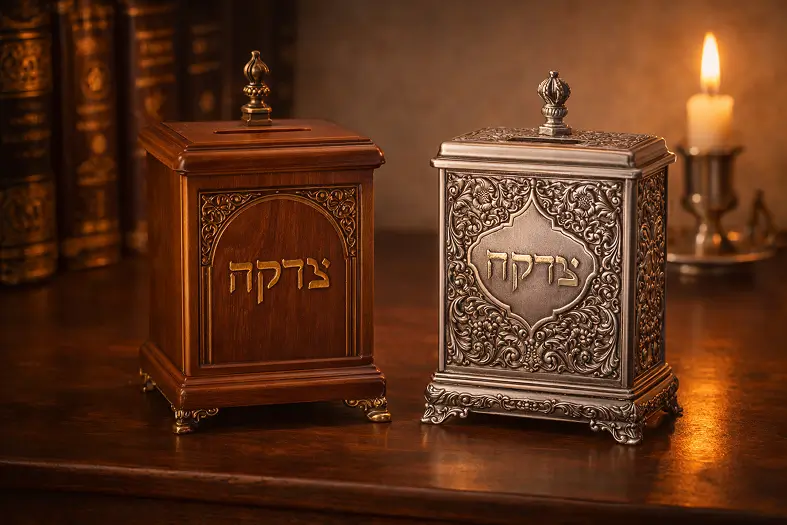
Parshas Ki Sisa teaches that covenant life is sustained through shared responsibility. The mitzvah of the half-shekel established that every member of Israel contributes equally toward the service of Hashem, expressing the principle that holiness is built through communal giving. The mitzvah of tzedakah extends this idea into daily life, teaching that responsibility for others is a permanent obligation. Ki Sisa shows that the covenant is preserved not only through faith and repentance but through acts of giving that bind the Jewish people together.
Explore the full mitzvah →
https://www.mitzvah-minute.com/613-mitzvahs/to-give-charity

בְּבֹאָם אֶל־אֹהֶל מוֹעֵד יִרְחֲצוּ־מַיִם וְלֹא יָמֻתוּ… וְרָחֲצוּ יְדֵיהֶם וְרַגְלֵיהֶם וְלֹא יָמֻתוּ"
"When they enter the Tent of Meeting they shall wash with water, that they not die… they shall wash their hands and their feet so that they not die."
— Shemos 30:20-21
Parshas Ki Sisa teaches that approaching holiness requires preparation. The Kohanim washed their hands and feet before entering the Mishkan, emphasizing that Divine service demands discipline and reverence. The repeated warning "וְלֹא יָמֻתוּ" shows that sacred service cannot be approached casually. The כיור represents ordered avodah that stands in contrast to the disorder of the Golden Calf, teaching that closeness to Hashem depends on readiness and obedience.
Explore the full mitzvah →
https://www.mitzvah-minute.com/613-mitzvahs/a-kohen-must-wash-his-hands-and-feet-before-service

וְעָשִׂיתָ אֹתוֹ שֶׁמֶן מִשְׁחַת־קֹדֶשׁ רֹקַח מִרְקַחַת מַעֲשֵׂה רֹקֵחַ שֶׁמֶן מִשְׁחַת־קֹדֶשׁ יִהְיֶה׃"
"You shall make it a sacred anointing oil, a compound mixture prepared by the perfumer; it shall be a holy anointing oil."
— Shemos 30:25
The Shemen HaMishchah established the sanctity of the Mishkan and those chosen for Divine service. Parshas Ki Sisa emphasizes that holiness is created through precise boundaries and sacred designation. The anointing oil was prepared according to exact proportions and reserved for Hashem’s service alone. After the disorder of the Golden Calf, these laws teach that Divine service depends on structure and discipline.
Explore the full mitzvah →
https://www.mitzvah-minute.com/613-mitzvahs/to-prepare-the-anointing-oil

וְהַקְּטֹרֶת אֲשֶׁר תַּעֲשֶׂה בְּמַתְכֻּנְתָּהּ לֹא תַעֲשׂוּ לָכֶם קֹדֶשׁ תִּהְיֶה לְךָ לַה׳"
"The incense that you shall make according to its formula you shall not make for yourselves; it shall be holy for you for Hashem."
— Shemos 30:37
The Ketores was prepared according to a precise formula and designated exclusively for the service of Hashem. Parshas Ki Sisa teaches that sacred practices must remain distinct and may not be used for personal benefit. The prohibition against reproducing the incense mixture emphasizes the boundaries that define holiness. The parsha contrasts the misuse of physical objects in the Golden Calf with their disciplined use in the Mishkan.
Explore the full mitzvah →
https://www.mitzvah-minute.com/613-mitzvahs/not-to-reproduce-the-incense-formula-for-personal-use
The Parshas Ki Sisa Divrei Torah series explores the parsha as a profound journey through covenant responsibility, crisis, and renewal. Each Part reveals another dimension of how the Torah transforms failure into growth and guides a people toward deeper faith, humility, and enduring covenant life.
Explore Ki Sisa Divrei Torah Series →
https://www.mitzvah-minute.com/divrei-torah---archive
Building a Covenant Community
The command of the half-shekel teaches that a covenant community is built through shared responsibility. Each individual contributes equally, reminding us that no person stands complete alone — the strength of Israel emerges when individuals unite in service of a higher mission.
Holiness Through Preparation and Structure
Before the crisis of the Golden Calf, the Torah establishes the disciplines of sacred service. The Kiyor, anointing oil, and incense reveal that holiness requires preparation, boundaries, and humility before Hashem.

When Faith Becomes Confusion
The sin of the Golden Calf shows how fear, impatience, and misplaced devotion can distort religious life. The Torah warns that without clarity and discipline, spiritual passion can quickly turn into spiritual chaos.
Leadership in a Moment of Crisis
Moshe rises as the defender of the covenant — breaking the Tablets, interceding for the people, and restoring the possibility of forgiveness. True leadership means accepting responsibility for the fate of the entire nation.

Seeking to Know the Ways of Hashem
Moshe’s profound request — “Show me Your ways” — opens a path to deeper spiritual understanding. Through humility and prayer, the Torah teaches that knowledge of Hashem comes through recognizing His providence in the unfolding story of life.

Rebuilding the Covenant After Failure
The Second Tablets reveal a deeper and more enduring covenant — one built through repentance, responsibility, and renewed commitment. Holiness becomes stronger when it is rebuilt after struggle.
Living With the Renewed Relationship
Moshe descends from Sinai with a radiant face, symbolizing the transformative power of Torah. Through Shabbos, mitzvos, and study, covenant life becomes a source of light and guidance for everyday life.

Covenant After Crisis
Ki Sisa teaches that failure does not end the covenant. Through humility, repentance, and renewed dedication, a people can rebuild holiness and continue its mission in the world.
Explore Ki Sisa Divrei Torah Series →
https://www.mitzvah-minute.com/divrei-torah---archive
(Click any title to read the full essay.)
1.4 — The Coin of Fire
Why did Moshe need to be shown a coin of fire in order to understand the half-shekel? This essay explores how the mitzvah reveals a deeper truth about covenant life: institutions and structure can sustain a nation, but only when they are animated by the inner fire of devotion and commitment.
3.3 — Aharon's Tragic Strategy
When the people demanded a new leader, Aharon faced an impossible choice between confrontation and delay. This essay examines the painful leadership dilemma of the Golden Calf, revealing how even well-intentioned decisions can carry unforeseen consequences in moments of national crisis.
3.5 — The Erev Rav and Spiritual Fragility
The sudden collapse of faith at the Golden Calf raises a difficult question: how could a nation that witnessed revelation fall so quickly? This essay explores the role of the Erev Rav and the deeper vulnerability of spiritual communities when clarity and leadership falter.
4.4 — The Tribe That Stood Firm
In the midst of chaos, one group refused to join the rebellion. This essay reflects on the courage of the tribe of Levi and the moral strength required to stand for truth when an entire society begins to drift away from its sacred foundations.
5.5 — The Thirteen Middos
After the greatest national failure, Moshe ascends the mountain and hears the revelation of the Thirteen Attributes of Mercy. This essay explores how these Divine attributes redefine the covenant, showing that the relationship between Hashem and Israel is sustained through forgiveness, patience, and enduring compassion.
6.3 — The Light Hidden in Failure
The Second Luchos mark a new stage in the history of the covenant. This essay explores the profound idea that holiness can emerge from brokenness, teaching that spiritual maturity often grows not from perfection but from the process of repentance and renewal.
7.4 — The Veil and Transmission
When Moshe descends with the renewed covenant, his face shines with a radiant light that the people cannot bear to see. This essay reflects on the meaning of Moshe’s veil and what it teaches about leadership, humility, and the careful transmission of Torah from generation to generation.
8.1 — Covenant After Crisis
Parshas Ki Sisa ultimately tells the story of a covenant that survives its greatest test. This concluding essay reflects on how responsibility, repentance, and renewed commitment allow the Jewish people to rebuild after failure and continue their mission across generations.
Parshas Ki Sisa reminds us that the strength of a covenant people is not measured by perfection but by the ability to return.
The half-shekel teaches responsibility.
The Golden Calf warns against confusion.
Moshe’s prayers reveal the power of intercession.
The Second Luchos show that renewal is always possible.
Through discipline, humility, and faith, the covenant endures — guiding each generation to rebuild holiness and bring the light of Torah into the world.


Dive into mitzvot, prayer, and Torah study—each section curated to help you learn, reflect, and live with intention. New insights are added regularly, creating an evolving space for spiritual growth.

Explore the 613 mitzvot and uncover the meaning behind each one. Discover practical ways to integrate them into your daily life with insights, sources, and guided reflection.

Learn the structure, depth, and spiritual intent behind Jewish prayer. Dive into morning blessings, Shema, Amidah, and more—with tools to enrich your daily connection.

Each week’s parsha offers timeless wisdom and modern relevance. Explore summaries, key themes, and mitzvah connections to deepen your understanding of the Torah cycle.