Mitzvah 584 — Honor Your Father and Mother
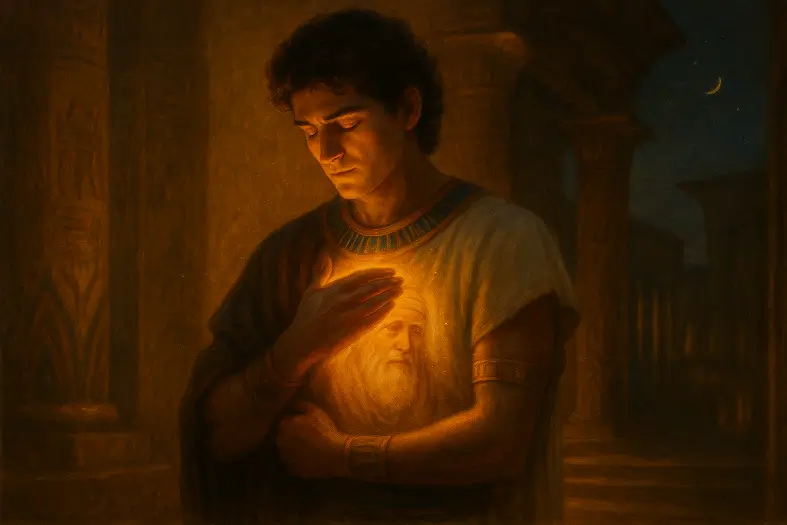
Yaakov is hundreds of miles away. Yosef is surrounded by wealth, power, culture, and temptation. No one from home is watching — and no one would know if he abandoned the values of his father.
Yet every step Yosef takes in Egypt is shaped by one sacred truth:
A Jew carries their parents’ honor everywhere they go.
Even before Yosef utters the famous words
“Ha’avichem ha’od chai?”
Mikeitz reveals that his heart has never left his father.
When the brothers stand before Yosef in fear, what do they emphasize?
“We are sons of one man.”
Their first instinct is to preserve Yaakov’s honor — even when on trial.
Their conscience revolves around their father.
And Yosef’s entire test is centered on Binyamin, the last child of Rachel, the son Yaakov cannot bear to lose.
This isn’t petty revenge — it’s a moral examination:
Protecting a sibling is protecting a parent’s dignity.
Yosef rises to immense power — yet refuses arrogance:
“Bil’adai — it is not from me.”
Hashem will answer Pharaoh.
Every noble act in Egypt reflects back on the house of Yaakov.
That is Kibbud Av Va’eim without words.
Rashi and Ralbag reveal:
Why?
Because their failing shamed Yaakov —
and their healing will restore Yaakov’s honor.
Compassion for siblings = compassion for a parent’s legacy.
Yosef and Yehudah represent two missions, but redemption demands both.
Unity is the seed of geulah.
When a family is fractured…
When a family is healed…
Honoring a parent is not just personal ethics —
it maintains the spiritual architecture of the Jewish Nation.
Three daily practices Yosef teaches us:
🕊 Honor in Absence
🕯 Carry Their Values
❤️ Mercy Within Family
One Action Today
Do a hidden kindness that honors your parents —
even if they never find out.
Because where a Jew stands, their parents’ dignity stands with them.
📖 Sources


Mitzvah 584 — Honor Your Father and Mother
Yaakov is hundreds of miles away. Yosef is surrounded by wealth, power, culture, and temptation. No one from home is watching — and no one would know if he abandoned the values of his father.
Yet every step Yosef takes in Egypt is shaped by one sacred truth:
A Jew carries their parents’ honor everywhere they go.
Even before Yosef utters the famous words
“Ha’avichem ha’od chai?”
Mikeitz reveals that his heart has never left his father.
When the brothers stand before Yosef in fear, what do they emphasize?
“We are sons of one man.”
Their first instinct is to preserve Yaakov’s honor — even when on trial.
Their conscience revolves around their father.
And Yosef’s entire test is centered on Binyamin, the last child of Rachel, the son Yaakov cannot bear to lose.
This isn’t petty revenge — it’s a moral examination:
Protecting a sibling is protecting a parent’s dignity.
Yosef rises to immense power — yet refuses arrogance:
“Bil’adai — it is not from me.”
Hashem will answer Pharaoh.
Every noble act in Egypt reflects back on the house of Yaakov.
That is Kibbud Av Va’eim without words.
Rashi and Ralbag reveal:
Why?
Because their failing shamed Yaakov —
and their healing will restore Yaakov’s honor.
Compassion for siblings = compassion for a parent’s legacy.
Yosef and Yehudah represent two missions, but redemption demands both.
Unity is the seed of geulah.
When a family is fractured…
When a family is healed…
Honoring a parent is not just personal ethics —
it maintains the spiritual architecture of the Jewish Nation.
Three daily practices Yosef teaches us:
🕊 Honor in Absence
🕯 Carry Their Values
❤️ Mercy Within Family
One Action Today
Do a hidden kindness that honors your parents —
even if they never find out.
Because where a Jew stands, their parents’ dignity stands with them.
📖 Sources


"Respecting Parents in Exile: Yosef’s Hidden Kibbud Av Va’eim"
Yosef’s entire strategy protects Yaakov’s honor and wellbeing, showing Kibbud Av Va’eim continues even across distance and silence.
Yosef’s awe-driven behavior — even as viceroy — reflects reverence for his father’s legacy.
Yosef avoids any act or word that would degrade his father’s dignity — even in the presence of Egyptian officials.
The brothers’ renewed loyalty ensures they will no longer harm Yaakov emotionally or spiritually.
Repairing brotherly relationships restores Yaakov’s family dignity — unity is the greatest honor children give a parent.
Yosef refuses to punish his brothers for the past — vengeance would deepen his father’s heartbreak.
Yosef weeps privately, choosing compassion and healing instead of resentment — honoring Yaakov through family repair.
Yosef conducts himself with holiness in Pharaoh’s palace — sanctifying Hashem’s Name reflects honor upon Yaakov, who raised him.


"Respecting Parents in Exile: Yosef’s Hidden Kibbud Av Va’eim"
The sale of Yosef creates the fracture that wounds Yaakov’s dignity — the very wound Yosef works to heal through his restrained and compassionate reunion plan.
Though Yosef stands in royal power, he preserves Yaakov’s honor with humility, kedushah, and decisive protection of Binyamin — hidden Kibbud Av Va’eim in action.
While still hidden as “the man,” Yosef presses the brothers with deeply personal questions:
“Ha’od avichem chai?” — Is your father still alive?
His concern for Yaakov’s wellbeing drives the entire test — ensuring that this time, they will protect their father’s heart by safeguarding Binyamin.
Yosef asks the same question again — but this time openly, as a son longing for his father:
“Ani Yosef — ha’od avi chai?”
The emotional revelation restores Yaakov’s honor and reunites the family with dignity.
Yaakov’s final blessings emphasize that honor to parents is not only upward but also downward — continuity of values and dignity from generation to generation.
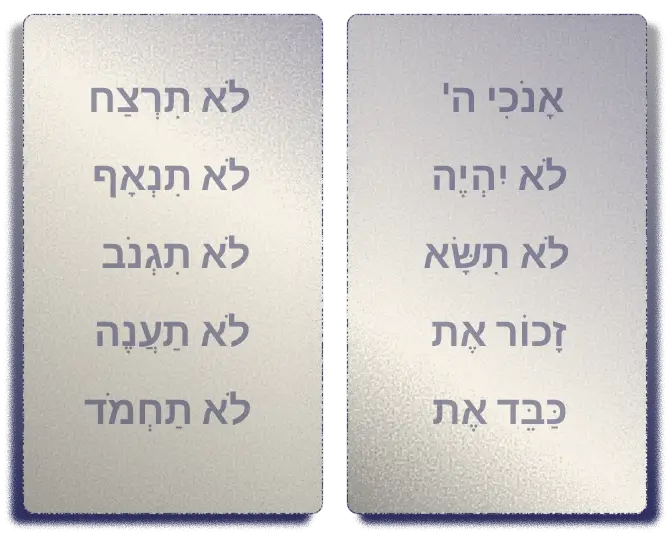
This is the moment Hashem gives the mitzvah of honoring parents — rooting Kibbud Av Va’eim in national identity and the Aseres HaDibros themselves.
Mitzvah 584 — Respect your father and mother (Exodus 20:12)
Reverence for parents is embedded in the Torah’s Holiness Code — everyday family honor is a direct expression of kedushah.
Mitzvah 585 — Fear your father and mother (Leviticus 19:3)
The Torah legislates dignity and protection for parents — safeguarding family honor within the core justice of Jewish society.
Mitzvah 582 — Not to curse your father or mother (Exodus 21:17)
Mitzvah 583 — Not to strike your father or mother (Exodus 21:15)

Dive into mitzvos, tefillah, and Torah study—each section curated to help you learn, reflect, and live with intention. New insights are added regularly, creating an evolving space for spiritual growth.

Explore the 613 mitzvos and uncover the meaning behind each one. Discover practical ways to integrate them into your daily life with insights, sources, and guided reflection.

Learn the structure, depth, and spiritual intent behind Jewish prayer. Dive into morning blessings, Shema, Amidah, and more—with tools to enrich your daily connection.

Each week’s parsha offers timeless wisdom and modern relevance. Explore summaries, key themes, and mitzvah connections to deepen your understanding of the Torah cycle.