www.Mitzvah-Minute.com
"The Silence Is Part of the Story: What Yosef Learned Waiting"
Forgotten by Man, Remembered by Hashem
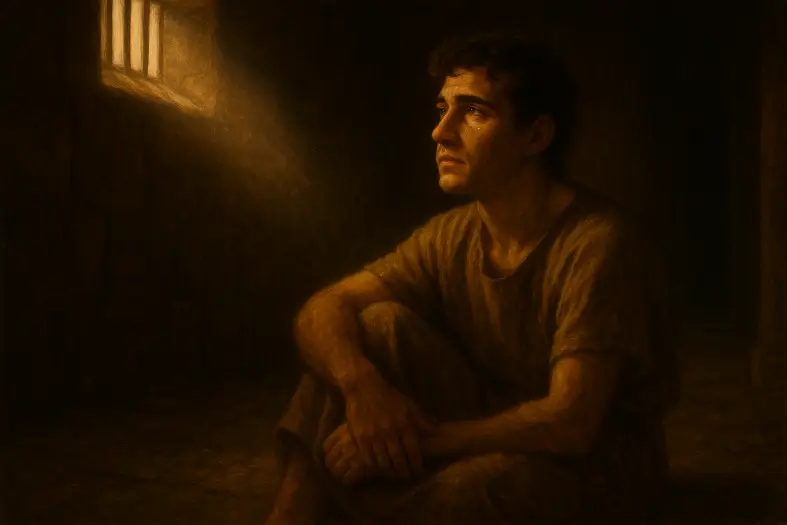
There is a moment in Yosef’s journey that feels unbearably human. After interpreting the dreams of the chief cupbearer and baker, Yosef senses the shift in his own destiny. For the first time since being thrown into the pit, there is a glimmer of hope — a path upward, a person who can help.
And so Yosef pleads:
כִּ֛י אִ֥ם זְכַרְתַּ֛נִי אִתְּךָ֖… וְהִזְכַּרְתַּ֣נִי אֶל־פַּרְעֹ֑ה
[“If only you would remember me… and mention me to Pharaoh.”]
— Bereishis 40:14
But the Torah closes the door on this hope with painful clarity:
וְלֹ֤א זָכַר֙ שַׂ֣ר הַמַּשְׁקִ֔ים אֶת־יוֹסֵ֖ף וַיִּשְׁכָּחֵֽהוּ
[“But the chief cupbearer did not remember Yosef — and he forgot him.”]
— Bereishis 40:23
A double-verb that echoes like loneliness in the dungeon.
He did not remember — and he forgot.
Two verbs, say Chazal, for two years.
Two more years of waiting.
Two more years of silence that felt like abandonment — but were actually Divine preparation.
This essay explores what Yosef learned in the dungeon, why Hashem delayed redemption, and how waiting becomes one of the deepest forms of spiritual growth.
1. The Double Verb — Silence as a Divine Tool
The Torah did not need both verbs. It could have said “the cupbearer forgot.” Instead, it says:
לֹ֤א זָכַר֙… וַיִּשְׁכָּחֵֽהוּ
[“He did not remember… and he forgot him.”]
Why the repetition?
Chazal teach that the double expression signals:
- A complete severing of natural hope
- A deliberate Divine withholding
- A spiritual transition Yosef was not yet ready for
Yosef had relied — even slightly — on human intervention. The Midrash says that because he placed his trust in the cupbearer, he needed two more years to realign that trust.
But this is not a punishment. It is a refinement.
Hashem was writing a story in which Yosef would rise too suddenly, too dramatically, and too flawlessly for anyone to credit a human being. The silence Yosef endured was part of the script.
2. Rashi: Salvation Cannot Come From Human Hands Alone
Rashi famously comments that Yosef was forced to wait two more years because he said “remember me” twice.
Not because asking for help is wrong — it isn’t — but because Yosef was meant to reach a level of absolute emunah, a clear recognition that:
אֵין עוֹד מִלְבַדּוֹ
[“There is no power besides Him.”]
Human beings are messengers.
Hashem is the Source.
Yosef would one day stand before Pharaoh and say the words that defined his greatness:
בִּלְעָדָ֑י אֱלֹקִים יַעֲנֶ֕ה אֶת־שְׁלוֹם֖ פַּרְעֹֽה
[“It is not me — G-d will answer Pharaoh.”]
— Bereishis 41:16
Where did he learn this sentence?
In the dungeon.
In the waiting.
In the two years that felt like silence.
The dungeon was Yosef’s spiritual beis midrash — the place where he stopped relying on a cupbearer and learned to rely only on Hashem.
3. Rav Sacks: Waiting as Spiritual Formation
Rav Sacks זצ״ל writes that waiting is not an interruption of life — it is a form of divine education.
Waiting shapes:
- patience
- humility
- resilience
- perspective
It transforms hope from something sentimental into something strong.
According to Rav Sacks, Yosef’s leadership was not formed in the palace but in the silence of the dungeon, where he learned:
- He cannot control timing
- He cannot orchestrate outcomes
- He cannot force redemption
- He can only remain faithful
Waiting is not passive.
It is active trust.
Yosef does not give up.
He continues interpreting dreams, supporting prisoners, radiating kindness — even when nothing changes externally.
Yosef learns that Hashem works slowly, then suddenly.
4. Chassidus: Hidden Greatness Develops Unseen
Chassidic masters explain that Yosef’s hidden years mirror the way a seed grows:
Everything essential happens underground.
Yosef’s identity — his humility, his clarity, his emotional maturity, his radical trust — were all formed in secret.
Chassidus teaches:
הַהַסְתָּרָה הִיא הַהֲכָנָה
[“Concealment is preparation.”]
What looks like delay is actually:
- the birth of deeper strength
- the refinement of ego
- the construction of inner vessels
- the softening of the heart
- the alignment of the soul with its mission
Just as the Menorah’s light of Chanukah grows from one flame to eight, Yosef’s greatness grows from one silent year to another — until he becomes a man who can rescue a world from famine.
Silence is not emptiness.
It is incubation.
5. The Emotional Reality — Yosef Was Human
It is easy to romanticize Yosef’s wait, but the Torah reveals his humanity. He longed for freedom. He pinned hope on the cupbearer. His request — “remember me” — was a cry from a broken heart.
Waiting transforms us only because it hurts.
But hurt is not the enemy of growth.
It is the birthplace of dependence on Hashem.
Every time Yosef hoped to hear footsteps descending the prison stairs, every moment he expected a messenger from Pharaoh, every night he closed his eyes thinking maybe tomorrow — those were the moments his soul was being shaped.
Waiting does not break him.
It makes him.
6. Why Hashem Waited — Divine Timing in the Yosef Narrative
Let’s ask the hard question:
Why didn’t Hashem free Yosef immediately after the cupbearer’s release?
The answer lies in a pattern throughout Tanach:
Hashem aligns redemption with the perfect moment — not a moment earlier.
Yosef needed to wait because:
- Pharaoh had not yet dreamed
- Egypt was not yet ready
- The brothers had not yet descended
- The famine had not yet begun
- The world was not yet positioned for Yosef’s rise
Hashem was synchronizing global events while Yosef waited in a dungeon.
Thus, the waiting itself becomes a teaching:
- You are not forgotten
- You are being positioned
- Hashem is orchestrating events beyond your field of vision
Yosef became ruler overnight, but only after years when nothing seemed to move.
Sometimes Hashem works in silence — then all at once.
7. What Yosef Learned in the Waiting
The two silent years taught Yosef lessons that would define his leadership:
Yosef learns:
- Hashem’s timing is flawless
- Dependence on people is fragile
- Dependence on Hashem is unbreakable
- Silence is a form of Divine speech
- Growth happens in hidden places
He emerges not merely freed, but transformed.
When Pharaoh summons him, Yosef is not the dreamer of seventeen. He is a man who can carry a world in famine because he learned to carry himself in darkness.
8. How to Live This Torah Today
We all face waiting:
- waiting for answers
- waiting for clarity
- waiting for healing
- waiting for opportunities
- waiting for a prayer to be fulfilled
And often, the silence feels personal.
Like the cupbearer, each person or situation we trust seems to move on — forgetting us.
But Yosef teaches that waiting is not empty.
It is holy.
This week, try one practice:
- Turn one moment of waiting into whispered emunah.
Quietly say:
"הַכֹּל מִמְּךָ הַכֹּל לְטוֹבָה"
[“Everything is from You, everything is for my good.”] - Write down one blessing that emerged from something you once waited for.
- Transform frustration into tefillah — not anger.
Waiting becomes a spiritual tool only when we allow it to open our hearts rather than close them.
9. A Closing Reflection — Forgotten by Man, Remembered by Hashem
The cupbearer forgot Yosef.
But Hashem did not.
The silence was part of the story — the part that shaped Yosef into the man who would save nations and reunite a shattered family.
Your silence may also be part of a story still unfolding.
The waiting may be forming the strength you will one day need.
The hidden years may be preparing you for sudden light.
Human beings may forget.
Hashem never does.
And when the moment comes, the dungeon door opens so quickly that the years of silence seem like a dream.
📖 Sources
- Full sources available on the Mitzvah Minute Parshas Mikeitz page under insights and commentaries.