Divrei Torah

Mitzvah Minute Logo Icon

Each essay examines central themes in Torah and Halachah through classical and modern sources, tracing the development of ethical and spiritual concepts across the Parsha and the 613 mitzvos.
Readers are invited to engage critically and contemplatively — to explore how enduring principles of faith, law, and character formation continue to inform Jewish life today.

Divrei Torah — תַּזְרִיעַ-מְצֹרָע — Tazria-Metzora

The Mystery of Beginnings

"Tazria–Metzora — Part I — “אָדָם כִּי יִהְיֶה”: The Mystery of Beginnings"

Baby on the Kisseh shel Eliyahu

"Tazria–Metzora — Part II — “טֻמְאַת לֵדָה”: Covenant in the Body"

Revelation Through Concealment

"Tazria–Metzora — Part III — “טָמֵא טָמֵא”: When the Hidden Becomes Visible"

Discipline of Distinction

"Tazria–Metzora — Part IV — “כְּנֶגַע נִרְאָה לִי”: The Discipline of Distinction"

Speech and Collapse

"Tazria–Metzora — Part V — “בָּדָד יֵשֵׁב”: Speech and Collapse"

Cedar and Hyssop

"Tazria–Metzora — Part VI — “עֵץ אֶרֶז וְאֵזוֹב”: Exile and Inner Correction"

The House as the Soul

"Tazria–Metzora — Part VII — “נֶגַע בְּבֵית”: Return and Reconstruction"

From Nega to Oneg

"Tazria–Metzora — Part VIII — “לְהוֹרֹת בְּיוֹם”: From Nega to Oneg"

Mitzvah Minute
Mitzvah Minute Logo

Divrei Torah Archive

Filter
Total Divrei Torah
0
Mitzvah Minute Logo
Reset Filters

Filter Menu

Giving, Generosity, and Human Dignity

4.4 — The Freedom to Give

"Terumah — Part IV — “אֲשֶׁר יִדְּבֶנּוּ לִבּוֹ”: Giving, Generosity, and Human Dignity"
The Mishkan is built from voluntary contributions, teaching that human dignity comes from giving rather than consuming. Rabbi Sacks explains that slavery removes dignity because it removes the ability to choose, while freedom allows a person to contribute to a higher purpose. Rav Miller teaches that happiness comes from being a giver, not a taker. The sanctuary becomes a monument to generosity, showing that a meaningful life is defined by contribution, not accumulation.

"Terumah — Part IV — “אֲשֶׁר יִדְּבֶנּוּ לִבּוֹ”: Giving, Generosity, and Human Dignity"

4.4 — The Freedom to Give

The Measure of a Human Life

Modern culture often measures success by what a person possesses. Wealth, comfort, status, and consumption are treated as the primary signs of a good life. A person is admired for what he has accumulated.

But the Torah presents a radically different vision. In the world of the Mishkan, the central question is not, “What do you own?” but, “What are you willing to give?”

The sanctuary is not built from what people kept.
It is built from what they gave away.

This shift in perspective lies at the heart of human dignity. A life focused only on consumption turns inward. A life focused on contribution turns outward and upward.

Rabbi Jonathan Sacks: The Dignity of Contribution

Rabbi Jonathan Sacks explains that one of the Torah’s most profound social teachings is the dignity that comes from giving. In Egypt, the Israelites were slaves. Their labor was extracted from them by force. They worked, but not by choice.

Slavery strips a person of dignity because it removes the ability to choose how to use one’s time, energy, and resources.

In the building of the Mishkan, everything changes. The people are no longer forced to give. They are invited to contribute. Each person becomes a partner in a sacred project.

The difference between slavery and freedom is not only the absence of oppression. It is the presence of responsibility and contribution.

A free society is not built on what people take.
It is built on what they give.

Rav Avigdor Miller: The Joy of Being a Giver

Rav Avigdor Miller teaches that one of the greatest sources of happiness is the ability to give. A person who lives only for himself is constantly preoccupied with what he lacks. His happiness depends on circumstances, possessions, and external success.

But a giver experiences life differently. He sees opportunities to help, to share, and to build. His happiness comes from contribution, not consumption.

Rav Miller explains that this is one of the great secrets of spiritual growth. When a person trains himself to give—whether through charity, kindness, or service—he reshapes his character. He becomes generous, expansive, and inwardly rich.

The Mishkan is built from this kind of giving. Each person who donates is not losing something. He is becoming something.

He is becoming a giver.

The Sanctuary of Shared Contribution

The Mishkan is unique among ancient structures. Most temples and palaces were built by kings, financed by taxes, and constructed through forced labor.

The Mishkan is different. It is built through voluntary gifts. Every board, every curtain, every vessel carries the intention of a giver.

This means the sanctuary is not only a house for the Divine presence. It is a monument to human generosity.

Each part of the Mishkan tells a story:

  • A bracelet given with love.
  • A piece of fabric offered with sincerity.
  • A measure of oil contributed with faith.

The sanctuary is not built by wealth alone.
It is built by willing hearts.

Consumption and Its Limits

A life of consumption promises satisfaction, but it rarely delivers. The more a person consumes, the more he desires. Possessions create new expectations, new comparisons, and new anxieties.

Consumption is endless because it depends on what one does not yet have.

Contribution is different. When a person gives, he experiences completion. He sees the result of his action in the good it creates. Giving produces a sense of meaning that consumption cannot match.

The Mishkan embodies this truth. It is not a monument to accumulation. It is a monument to generosity.

Freedom Expressed Through Giving

True freedom is not the ability to do whatever one wants. It is the ability to choose what is right and meaningful.

A slave cannot give freely. Everything he produces belongs to someone else. He may work, but he cannot contribute by choice.

A free person, however, can choose to give. He can take his time, his resources, and his talents and direct them toward a higher purpose.

In this sense, generosity is the clearest expression of freedom.

When the people of Israel give to the Mishkan, they are not only building a sanctuary. They are expressing their freedom. Each act of giving is a declaration: we are no longer slaves. We are partners in a sacred mission.

The Source of Human Dignity

Human dignity does not come from wealth alone. It does not come from status or consumption. It comes from the ability to contribute.

A person who gives feels that his life matters. He becomes part of something larger than himself. His actions shape the world.

This is why the Mishkan is built through voluntary giving. The Torah wants each person to experience the dignity of contribution.

The sanctuary is not imposed from above.
It rises from the generosity of the people.

Application for Today — Choosing to Be a Giver

In a world that constantly encourages consumption, the message of the Mishkan is deeply countercultural. It teaches that fulfillment comes not from what we take, but from what we give.

Every person has opportunities to contribute:

  • Supporting those in need.
  • Giving time to family and community.
  • Offering encouragement to someone who is struggling.
  • Building institutions of Torah and kindness.
  • Sharing knowledge, skills, or resources.

These acts of giving create dignity. They turn life into a series of meaningful contributions rather than a pursuit of endless consumption.

A person who lives as a giver experiences freedom in its truest form. He is not enslaved to his desires or possessions. He directs his life toward purpose.

The Mishkan teaches that the highest human achievement is not to accumulate, but to contribute.

Holiness is built from giving.
And dignity is born from generosity.

📖 Sources

  • Full sources available on the Mitzvah Minute Parshas Terumah page under insights and commentaries
תְּרוּמָה – Terumah
Giving, Generosity, and Human Dignity

4.3 — The Spiritual Meaning of Materials

"Terumah — Part IV — “אֲשֶׁר יִדְּבֶנּוּ לִבּוֹ”: Giving, Generosity, and Human Dignity"
The metals of the Mishkan—copper, silver, and gold—form a spiritual hierarchy. Abarbanel explains that copper represents the outer world of action, silver represents refinement and transition, and gold represents the highest level of sanctity. Rav Kook teaches that this progression reflects the elevation of the material world. The Mishkan shows that holiness is built step by step, transforming the physical into the spiritual until the entire structure shines with inner light.

"Terumah — Part IV — “אֲשֶׁר יִדְּבֶנּוּ לִבּוֹ”: Giving, Generosity, and Human Dignity"

4.3 — The Spiritual Meaning of Materials

More Than Construction Supplies

When the Torah lists the materials for the Mishkan, it begins with three metals:

זָהָב וָכֶסֶף וּנְחֹשֶׁת
Gold, silver, and copper (Shemos 25:3)

At first glance, these appear to be simple building materials. Every structure requires physical components. The Mishkan is no different.

But the Torah is rarely interested in materials for their own sake. The Mishkan is not merely a building. It is a symbolic structure, a model of the world and of the human being. Its materials are therefore charged with meaning.

The graded metals of the Mishkan reflect graded levels of existence and spiritual refinement.

Abarbanel: The Hierarchy of the Materials

Abarbanel explains that the Mishkan’s materials are arranged in a clear hierarchy. Gold is used in the innermost, most sacred areas. Silver appears in the supporting structures. Copper is used in the outer courtyard.

This is not only a practical choice. It is a symbolic one.

Each metal represents a different level of existence:

  • Gold represents the highest and most refined spiritual state.
  • Silver represents an intermediate level—valuable, but not as pure or radiant as gold.
  • Copper represents the outer, more physical level of existence.

The structure of the Mishkan follows this pattern. The closer one moves toward the inner sanctuary, the more precious and refined the materials become.

The outer courtyard contains copper.
The inner chamber contains gold.
The Holy of Holies shines entirely with gold.

This progression reflects a spiritual ascent—from the coarse to the refined, from the external to the inner, from the physical to the sacred.

The Courtyard: Copper and the World of Action

In the outer courtyard, the dominant material is copper. The altar, the sockets, and many of the structural elements are made of this metal.

Copper is strong and functional. It is associated with durability and utility rather than beauty or brilliance. Abarbanel explains that this reflects the nature of the physical world.

The courtyard represents the realm of action, labor, and material existence. It is the space where offerings are brought, where physical substances are transformed through fire.

The use of copper teaches that the outer world is not yet fully refined. It is the place where work begins.

The Inner Chamber: Silver and Transition

Silver appears in the sockets and structural components that support the Mishkan’s boards. It is more precious than copper, but less radiant than gold.

This intermediate material reflects the transitional nature of the inner chamber. It is a space that stands between the outer world and the innermost sanctum.

Silver represents a stage of spiritual growth—a movement away from the purely physical, but not yet at the highest level of refinement.

It is the realm of striving, of elevation, of movement toward holiness.

The Holy of Holies: Gold and Pure Sanctity

In the innermost chamber, gold dominates. The Ark, the cherubim, and the inner surfaces are all covered with gold.

Gold is luminous, untarnished, and precious. It represents the highest level of spiritual refinement.

The Holy of Holies symbolizes the deepest point of connection between the human being and the Divine. It is the realm where the material world is fully transformed into a vessel for holiness.

Gold, in this sense, represents the perfected state—the soul aligned with its highest purpose.

Rav Kook: Elevating the Material World

Rav Kook expands this idea into a broader philosophical vision. He explains that the Torah does not seek to escape the material world. Instead, it seeks to elevate it.

The Mishkan does not appear suddenly in gold alone. It begins with copper, continues with silver, and culminates in gold. This progression reflects the process of spiritual growth.

The material world is not rejected. It is refined.

Copper becomes the starting point of holiness. Silver represents development. Gold represents completion.

According to Rav Kook, this teaches that every level of existence has a role in the Divine plan. Even the lowest, most physical aspects of life can be elevated and transformed.

Holiness is not created by abandoning the material.
It is created by refining it.

A Ladder of Ascent

When viewed together, the metals of the Mishkan form a ladder:

  • Copper: the physical world of action and effort.
  • Silver: the world of growth and refinement.
  • Gold: the world of spiritual illumination.

The structure of the Mishkan teaches that holiness is not a single step. It is a process.

A person begins in the “copper” stage of life—focused on survival, work, and physical needs. Through discipline, learning, and devotion, he moves into the “silver” stage—refinement of character and intention.

Ultimately, he can reach the “gold” stage, where his inner life becomes luminous with awareness and connection to Hashem.

The Unity of the Materials

Although the metals represent different levels, they all belong to the same sanctuary. Copper, silver, and gold are all part of the Mishkan.

This teaches that no part of life is outside the possibility of holiness. The physical world is not excluded. It is included as the foundation of the entire structure.

Without the copper courtyard, there is no path to the golden sanctuary. The journey begins in the material world.

The Mishkan therefore teaches not only hierarchy, but unity. All levels of existence can become part of the same sacred structure.

Application for Today — Elevating the Material World

The graded metals of the Mishkan reflect the stages of a person’s own life.

At times, life feels like copper—focused on work, responsibility, and physical concerns. There may be little sense of spiritual illumination. But the Mishkan teaches that even this stage is part of holiness.

When a person:

  • Works honestly,
  • Eats with gratitude,
  • Speaks kindly,
  • Uses resources responsibly,

he is refining the “copper” of his life.

As a person grows, he begins to enter the “silver” stage—more awareness, more intention, more refinement of character. He starts to think more deeply about purpose and meaning.

Eventually, he may experience moments of “gold”—clarity, inspiration, and connection with Hashem.

The Torah teaches that this process is natural and necessary. Holiness does not appear fully formed. It is built step by step, material by material.

Every honest effort, every refined action, and every moment of awareness adds another layer to the inner Mishkan.

The path to gold begins with copper.
And every level of life can become sacred.

📖 Sources

  • Full sources available on the Mitzvah Minute Parshas Terumah page under insights and commentaries
תְּרוּמָה – Terumah
Giving, Generosity, and Human Dignity

4.2 — From Slaves to Givers

"Terumah — Part IV — “אֲשֶׁר יִדְּבֶנּוּ לִבּוֹ”: Giving, Generosity, and Human Dignity"
The donations for the Mishkan mark the transformation of the Israelites from slaves into free people. Rabbi Sacks explains that Egypt was built through forced labor, while the Mishkan was built through voluntary generosity. Rambam teaches that repeated acts of giving shape the soul and create moral character. By contributing materials for the sanctuary, the people become partners in a sacred mission. Giving reshapes identity, turning former slaves into free and responsible moral agents.

"Terumah — Part IV — “אֲשֶׁר יִדְּבֶנּוּ לִבּוֹ”: Giving, Generosity, and Human Dignity"

4.2 — From Slaves to Givers

The First Act After Freedom

Only a short time before the events of Parshas Terumah, the people of Israel were slaves in Egypt. Their days were not their own. Their labor belonged to others. Their identity was shaped by compulsion and oppression.

A slave does not choose.
A slave obeys.

And yet, when the Torah introduces the command to build the Mishkan, it begins not with an obligation, but with a voluntary act of giving:

מֵאֵת כָּל־אִישׁ
אֲשֶׁר יִדְּבֶנּוּ לִבּוֹ
“From every person whose heart inspires him” (Shemos 25:2)

This is the first national project after the Exodus. And it is built not through force, but through generosity.

The transition is striking.
Slaves are commanded.
Free people are invited to give.

The Materials of Transformation

The Torah lists the materials that the people are asked to donate:

זָהָב וָכֶסֶף וּנְחֹשֶׁת
Gold, silver, and copper
וּתְכֵלֶת וְאַרְגָּמָן וְתוֹלַעַת שָׁנִי
Blue, purple, and crimson wool
וְשֵׁשׁ וְעִזִּים
Fine linen and goat hair
עֹרֹת אֵילִם מְאָדָּמִים
Ram skins dyed red
עֲצֵי שִׁטִּים
Acacia wood
שֶׁמֶן לַמָּאֹר
Oil for lighting
(25:3–7)

Each of these materials represents a part of the people’s wealth, labor, or creativity. Some give precious metals. Others give fabric, skins, or oil. Each contribution reflects the unique resources of the giver.

But beyond the materials themselves, something deeper is happening. The act of giving is reshaping the identity of the nation.

Rabbi Jonathan Sacks: The Birth of a Free Society

Rabbi Jonathan Sacks explains that the Mishkan marks a turning point in Jewish history. Egypt was a society built on forced labor. The pyramids were constructed through slavery. People were treated as tools for someone else’s ambition.

The Mishkan is the opposite.

It is not built through compulsion.
It is built through voluntary generosity.

In Egypt, the Israelites were forced to build for Pharaoh. In the desert, they choose to build for Hashem. The difference is not only in the object of their labor. It is in the nature of the act itself.

Forced labor degrades the human spirit.
Voluntary giving elevates it.

The Mishkan becomes the first collective act of a free people. It is the moment when the nation begins to define itself not as slaves, but as partners in a sacred mission.

Rambam: Generosity as a Path to Moral Freedom

Rambam teaches that human character is shaped through action. A person becomes generous by giving, just as he becomes kind through acts of kindness.

In Hilchos De’os, Rambam explains that the path to proper character is through repeated, deliberate actions that shape the soul. A person who gives regularly trains himself to become a giver.

This principle lies at the heart of the Mishkan’s construction. The people are not merely funding a building. They are training themselves to become a nation of generosity.

A slave lives only for himself, or for his master’s command. A free person lives with responsibility toward others and toward higher ideals.

Giving is therefore not only a social act.
It is a spiritual transformation.

Each donation moves the people one step further from the mentality of slavery and closer to the identity of free moral agents.

The Soul of a Giver

Slavery trains a person to think in terms of survival: what must I do, what must I endure, what must I obey?

Freedom introduces a different question: what will I choose to give?

The Torah’s language emphasizes this shift. It does not command a fixed donation. It invites each person to give according to what his heart moves him to give.

This invitation creates dignity. Each person becomes an active participant in the creation of the sanctuary. Each person becomes a contributor, not a tool.

The Mishkan is built from the materials of the people.
But more importantly, it is built from their transformed identities.

Giving as the Opposite of Slavery

At its core, slavery is a system in which a person’s energy is extracted without his consent. He gives, but not by choice.

True freedom, however, is expressed through voluntary giving. When a person gives by choice, he demonstrates ownership over his time, his resources, and his decisions.

In this sense, generosity is the opposite of slavery.

  • Slavery takes.
  • Freedom gives.

The Mishkan becomes the symbol of that transformation. A nation that once labored under compulsion now builds a sanctuary through generosity.

A Nation Built Through Contribution

The Mishkan is not constructed by a single leader or a professional class. It is built through the contributions of the entire people.

Some give gold.
Some give fabric.
Some give labor.
Some give skill.

Each person participates according to his ability. This creates a society built on contribution, not coercion.

The Mishkan therefore becomes more than a sanctuary. It becomes the foundation of a free and responsible nation.

Application for Today — Freedom Through Responsibility

Modern culture often defines freedom as the absence of obligation. Freedom is seen as the ability to do whatever one wants, without responsibility or restraint.

But the Torah presents a different model. True freedom is not the absence of responsibility. It is the ability to choose responsibility.

A person becomes truly free when he can say:

  • I will give my time to help another.
  • I will use my resources for something meaningful.
  • I will build something that serves a higher purpose.

These choices reflect ownership over one’s life.

When a person:

  • Gives charity regularly,
  • Volunteers time for others,
  • Invests energy into family or community,
  • Supports institutions of Torah and kindness,

he is expressing freedom in its highest form.

He is no longer living only for himself or under the pressure of others. He is choosing to give.

The people of Israel left Egypt as former slaves.
They became a nation of free people when they began to give.

The Mishkan teaches that generosity is not only a virtue.
It is the foundation of freedom.

📖 Sources

  • Full sources available on the Mitzvah Minute Parshas Terumah page under insights and commentaries
תְּרוּמָה – Terumah
Giving, Generosity, and Human Dignity

4.1 — The Willing Heart as the Foundation of Holiness

"Terumah — Part IV — “אֲשֶׁר יִדְּבֶנּוּ לִבּוֹ”: Giving, Generosity, and Human Dignity"
Parshas Terumah begins not with materials, but with the heart: “אֲשֶׁר יִדְּבֶנּוּ לִבּוֹ.” Rashi explains that the donations for the Mishkan were voluntary, teaching that holiness cannot be forced. The Chassidic masters add that the true offering is the intention behind the gift. The sanctuary is built from the generosity of the heart, not merely from gold and silver. Terumah teaches that intentional, willing action transforms ordinary deeds into sacred service.

"Terumah — Part IV — “אֲשֶׁר יִדְּבֶנּוּ לִבּוֹ”: Giving, Generosity, and Human Dignity"

4.1 — The Willing Heart as the Foundation of Holiness

The First Instruction: Not What to Give, but How

When the Torah begins the instructions for the Mishkan, it does not start with measurements, materials, or vessels. Instead, it begins with the spirit of the donation:

דַּבֵּר אֶל־בְּנֵי יִשְׂרָאֵל
וְיִקְחוּ־לִי תְּרוּמָה
מֵאֵת כָּל־אִישׁ
אֲשֶׁר יִדְּבֶנּוּ לִבּוֹ
תִּקְחוּ אֶת־תְּרוּמָתִי
“Speak to the children of Israel, and they shall take for Me an offering; from every person whose heart inspires him, you shall take My offering” (Shemos 25:2)

Before the Torah lists gold, silver, copper, or any material, it introduces the most important element of all: the heart.

The Mishkan is not built from metals or fabrics alone.
It is built from willingness.

Rashi: A Gift of the Heart

Rashi explains the phrase “אֲשֶׁר יִדְּבֶנּוּ לִבּוֹ” to mean a voluntary gift—something given from the generosity of the heart, not from compulsion.

Unlike other contributions in the Torah that are required or fixed in amount, the donations for the Mishkan are voluntary. Each person gives according to what his heart moves him to give.

This is significant. The Mishkan is the dwelling place of the Shechinah. One might expect such a project to be funded through obligation or command. Instead, the Torah makes it dependent on voluntary generosity.

This teaches that holiness cannot be forced.
It must be invited.

The Sanctuary Built from Intention

The Torah could have commanded every person to give a fixed amount. That would have been simpler and more predictable. But such a structure would have been built from obligation alone.

Instead, the Mishkan is constructed from individual acts of generosity. Each donation carries the intention of the giver. Each piece of gold or fabric contains a fragment of a person’s inner world.

The sanctuary becomes more than a building. It becomes a collection of human hearts, woven together into a single sacred structure.

The walls are made of boards and curtains.
But the true foundation is intention.

Chassidus: The Heart as the True Contribution

The Chassidic masters explain that the real offering is not the material object. The real offering is the heart behind it.

A person can give a great deal of money with little feeling. Another person can give a small coin with deep sincerity. In the language of Chassidus, the second gift may carry greater spiritual weight.

The phrase “אֲשֶׁר יִדְּבֶנּוּ לִבּוֹ” therefore becomes the essence of the Mishkan. The sanctuary is built not from the quantity of the gifts, but from the quality of the hearts that give them.

Each act of generosity opens the heart.
And an open heart becomes a מקום for the Shechinah.

Why the Mishkan Begins with Giving

It is no accident that the parsha begins with donations. Before describing the vessels, the Torah describes generosity. Before building the sanctuary, it builds the heart.

This order teaches a profound lesson. Holiness does not begin with structure. It begins with willingness.

A person cannot build a sanctuary—externally or internally—without first opening his heart. Generosity creates space within the personality. It loosens the grip of selfishness and creates room for something higher.

The Mishkan is therefore built through a spiritual process:

  • The heart opens.
  • The gift is given.
  • The sanctuary is constructed.
  • The Divine presence dwells.

The physical building is the final step.
The inner generosity is the first.

The Dignity of Voluntary Giving

There is also a deeper ethical dimension to voluntary giving. When a person gives freely, he is not simply transferring resources. He is expressing his dignity as a moral being.

Compulsory giving may accomplish practical goals, but it does not always transform the giver. Voluntary giving, however, reflects choice, intention, and character.

By making the Mishkan dependent on voluntary contributions, the Torah honors the dignity of the individual. Each person becomes a partner in the creation of the sanctuary.

The Mishkan is not imposed upon the people.
It is created through them.

The Unity of the Community

Because the Mishkan is built from voluntary gifts, it becomes a symbol of unity. Each person contributes something different: gold, silver, copper, wool, skins, wood, or oil.

No single person builds the Mishkan.
It is built collectively.

The sanctuary becomes a shared creation, reflecting the combined generosity of the entire nation. In this way, the Mishkan embodies not only holiness, but community.

Holiness is not only an individual achievement.
It is a collective act of giving.

Application for Today — Living with a Willing Heart

The lesson of “אֲשֶׁר יִדְּבֶנּוּ לִבּוֹ” extends far beyond the donations for the Mishkan. It speaks to the way a person approaches all of life.

Two people can perform the same action, but with completely different inner worlds. One acts out of habit or pressure. The other acts with intention and generosity of spirit.

The difference lies in the heart.

Intentional living means approaching daily actions with willingness and awareness:

  • Giving charity not as an obligation alone, but as an expression of care.
  • Helping another person because the heart is moved, not just because it is expected.
  • Learning Torah with curiosity and love, not only from routine.
  • Observing mitzvos with a sense of privilege, not just duty.

When actions flow from a willing heart, they become more than tasks. They become offerings.

The Mishkan teaches that holiness is built not only from what we do, but from how we do it. A small act done with sincerity can carry more sanctity than a great act done without heart.

A life built from obligation alone may function.
But a life built from generosity becomes a sanctuary.

📖 Sources

  • Full sources available on the Mitzvah Minute Parshas Terumah page under insights and commentaries
תְּרוּמָה – Terumah
Inner Mishkan of a person

3.4 — Carrying the Mishkan Inside

"Terumah — Part III — “וְשָׁכַנְתִּי בְּתוֹכָם”: The Sanctuary Within the Human Soul"
The phrase “וְשָׁכַנְתִּי בְּתוֹכָם” teaches that the true dwelling place of the Shechinah is not only a building, but the human being. Rabbi Sacks explains that the Torah’s goal is to create a holy people, not just a holy place. Rav Miller teaches that constant awareness of Hashem transforms ordinary actions into sacred service. The Mishkan becomes a model for life itself, showing that holiness is carried within the person who lives with consciousness, gratitude, and intention.

"Terumah — Part III — “וְשָׁכַנְתִּי בְּתוֹכָם”: The Sanctuary Within the Human Soul"

3.4 — Carrying the Mishkan Inside

The Final Message of “בתוכם”

At the heart of Parshas Terumah lies a phrase that reframes the entire concept of the Mishkan:

וְשָׁכַנְתִּי בְּתוֹכָם
“And I shall dwell among them” (Shemos 25:8)

The Torah does not say that Hashem will dwell within the structure. It says He will dwell within the people. The sanctuary is the instrument, but the human being is the destination.

The deeper message of the Mishkan is that holiness is not meant to remain confined to a sacred building. It is meant to enter the fabric of daily life. The sanctuary in the desert is a model for the sanctuary that each person must carry within.

Rabbi Jonathan Sacks: Holiness in the Everyday

Rabbi Jonathan Sacks explains that one of the Torah’s greatest revolutions is the idea that holiness is not limited to sacred places. In the ancient world, temples were isolated spaces where the gods were thought to reside. Holiness belonged to a specific location, and everyday life remained separate from it.

The Mishkan introduces a different vision. The sanctuary stands in the center of the camp, surrounded by the tents of the people. The Divine presence is not distant. It is embedded within the daily life of the nation.

The Torah’s goal is not to create a single holy building. It is to create a holy people.

This is why the verse says “בתוכם”—within them. The physical sanctuary is only the beginning. The true sanctuary is the human being who carries awareness of Hashem into every aspect of life.

Rav Avigdor Miller: Awareness as the Core of Avodah

Rav Avigdor Miller teaches that the essence of avodah is awareness. A person becomes close to Hashem not only through grand spiritual acts, but through constant consciousness of the Divine presence.

He explains that a person who lives with awareness transforms ordinary moments into sacred ones. Eating becomes an act of gratitude. Walking becomes an opportunity to observe the world Hashem created. Speaking becomes an act of responsibility.

In this sense, the Mishkan is not only a place where sacrifices are offered. It is a symbol of a life in which everything becomes an offering.

When a person lives with awareness, his entire life becomes a sanctuary.

From a Building to a Way of Life

The Mishkan was a physical structure, built with gold, silver, copper, and fabric. It had precise measurements, sacred vessels, and a defined system of service.

But the Torah does not intend for holiness to remain within those walls. The Mishkan is a training ground. It teaches the people what holiness looks like so they can carry that model into their lives.

The Mishkan establishes principles:

  • There is a sacred center.
  • There are boundaries and levels of holiness.
  • There is a daily rhythm of service.
  • There is order, beauty, and intention.

These principles are not meant only for a building. They are meant for life itself.

A person’s schedule can have a sacred center.
His speech can have boundaries.
His actions can follow a rhythm of service.
His home can reflect order and holiness.

In this way, the Mishkan becomes a template for living.

The Portable Sanctuary

Unlike the great temples of other civilizations, the Mishkan was portable. It moved with the people wherever they traveled. It was dismantled, carried, and rebuilt again and again.

This portability carries a profound message. Holiness is not tied to a single location. It travels with the people.

The Mishkan in the desert becomes the Beis HaMikdash in Jerusalem. After its destruction, holiness moves again—into synagogues, study halls, and Jewish homes across the world.

Ultimately, the Mishkan’s portability points to its deepest meaning: the sanctuary is meant to exist within the person himself. Wherever a Jew goes, the possibility of holiness goes with him.

A Life of Sacred Awareness

The Mishkan teaches that holiness is not only about dramatic acts. It is about awareness within the ordinary.

A life without awareness becomes mechanical. Eating, working, speaking, and resting become empty routines. But a life lived with awareness becomes sacred.

When a person remembers Hashem:

  • Work becomes a means of honest service.
  • Food becomes an opportunity for gratitude.
  • Speech becomes a vehicle for kindness and truth.
  • Time becomes a gift, not just a burden.

Awareness transforms the physical into the spiritual.

The Mishkan in the desert was filled with sacred vessels.
A life of awareness turns the entire day into a vessel.

The Inner Sanctuary as the Goal

The Mishkan’s physical structure eventually disappeared. The sanctuary in the desert was dismantled. The Beis HaMikdash was destroyed. But the inner Mishkan—the one carried within the human being—remains possible in every generation.

The ultimate message of Terumah is that holiness is not dependent on a building. It depends on the human heart, mind, and actions.

A person who lives with awareness becomes a walking sanctuary. His thoughts become the inner chamber. His speech becomes the incense. His actions become offerings.

The Shechinah dwells not only in sacred places, but in sacred lives.

Application for Today — Turning the Day into a Sanctuary

Modern life is fast, noisy, and distracted. Many people search for holiness in rare experiences: a special retreat, a powerful speech, or a moment of inspiration.

But the message of the Mishkan is different. Holiness is not meant to be rare. It is meant to be constant.

A person carries the Mishkan inside by cultivating awareness throughout the day:

  • Saying brachos slowly, with attention.
  • Pausing before speaking, to choose words carefully.
  • Setting fixed times for Torah and tefillah.
  • Treating other people with dignity and patience.
  • Remembering that every moment is lived before Hashem.

These are not dramatic acts. They are quiet acts of awareness. But over time, they transform a life.

The Mishkan was built from gold, silver, and copper.
The inner Mishkan is built from thoughts, words, and actions.

When those are shaped with awareness, a person’s life itself becomes a sanctuary.

📖 Sources

  • Full sources available on the Mitzvah Minute Parshas Terumah page under insights and commentaries
תְּרוּמָה – Terumah
Inner Mishkan of a person

3.3 — The Vessels as the Faculties of the Soul

"Terumah — Part III — “וְשָׁכַנְתִּי בְּתוֹכָם”: The Sanctuary Within the Human Soul"
The vessels of the Mishkan symbolize the inner faculties of the human being. The Aron represents the mind and the hidden core of Torah. The Menorah represents illumination and understanding. The Shulchan represents material life and action, while the Golden Altar represents prayer and speech. Together, these vessels form a model of the human personality, teaching that holiness requires harmony among all inner powers. The Mishkan becomes a blueprint for building a sanctified inner life.

"Terumah — Part III — “וְשָׁכַנְתִּי בְּתוֹכָם”: The Sanctuary Within the Human Soul"

3.3 — The Vessels as the Faculties of the Soul

The Inner Meaning of the Vessels

At the heart of Parshas Terumah stands the description of the sacred vessels: the Aron, the Menorah, the Shulchan, and the altars. Each vessel is constructed with precise measurements and materials, and each occupies a specific place within the Mishkan.

On the surface, these are physical objects used for ritual service. But the Chassidic masters explain that the vessels also represent the inner faculties of the human being.

If the Mishkan as a whole reflects the human soul, then its vessels represent the different powers within that soul—intellect, emotion, nourishment, and spiritual connection.

The sanctuary is therefore not only a structure in the desert.
It is a map of the human inner world.

The Aron: The Mind and the Core of Torah

The first vessel described in the Torah is the Aron—the Ark. It stands in the Kodesh HaKodashim, the innermost chamber of the Mishkan. Inside it rest the Luchos, the tablets of the covenant.

The Chassidic masters explain that the Aron represents the intellectual and spiritual core of a person. Just as the Ark houses the Torah, the human mind houses knowledge, awareness, and understanding.

The position of the Aron teaches an important lesson. It is hidden behind the curtain, unseen by the people. This suggests that the deepest spiritual truths are not found in external display, but in the quiet inner chambers of the mind and heart.

Torah is not meant to be a decoration.
It is meant to be the hidden center of the personality.

When the mind is filled with Torah, it becomes a dwelling place for the Divine word, just as the Ark is the dwelling place of the Luchos.

The Menorah: The Light of Understanding

In the inner chamber of the Mishkan stands the Menorah, its lamps shining constantly. The Menorah is associated with light, wisdom, and illumination.

The Sfas Emes explains that the Menorah represents the light of understanding within the human being. Just as the Menorah spreads light throughout the sanctuary, the intellect spreads clarity throughout the personality.

When a person learns Torah or reflects deeply, he kindles the lamps of the inner Menorah. Insight and awareness illuminate the darkness of confusion and ignorance.

The Menorah’s light is not a sudden flash. It is steady, gentle, and continuous. This reflects the nature of true understanding, which grows gradually and spreads quietly through the soul.

The Shulchan: Sustenance and the World of Action

Opposite the Menorah stands the Shulchan, the table upon which the showbread is placed. The Shulchan represents nourishment, material sustenance, and physical life.

The Chassidic masters explain that the Shulchan symbolizes the realm of action—how a person engages with the material world. Food represents livelihood, provision, and the physical dimension of existence.

The placement of the Shulchan inside the sanctuary teaches that the physical world is not outside of holiness. It, too, belongs within the sacred structure of life.

When a person earns honestly, eats with gratitude, and uses material resources for good, his “table” becomes part of the Mishkan.

The Shulchan teaches that the physical world can be elevated when it is brought into the service of Hashem.

The Golden Altar: The Power of Prayer

In front of the curtain that leads to the Holy of Holies stands the Golden Altar, the Mizbeach HaZahav, where incense is offered daily.

This altar represents prayer—the power of speech and longing that rises from the heart toward heaven. The rising incense symbolizes the ascent of the soul, the yearning to connect with the Divine.

Speech occupies a unique place in human life. It stands between thought and action. It expresses the inner world and shapes the outer world.

The Golden Altar teaches that speech can become sacred. Words of prayer, blessing, and Torah elevate the soul, just as incense rises upward.

Ralbag: The Sanctuary as the Model of the Perfected Human Being

Ralbag explains that the vessels of the Mishkan are not only ritual objects, but symbols of the faculties of the human being. The sanctuary is structured in a way that reflects the proper ordering of the human soul. The Aron, which contains the Torah, represents the intellect—the highest faculty, which must be centered upon Divine wisdom. The Menorah represents understanding and insight, spreading intellectual light throughout the personality. The Shulchan represents material sustenance and the physical dimension of life, which must be properly guided and restrained. The altar represents the elevation of action and intention. According to Ralbag, the Mishkan is therefore a model of the perfected person, whose intellect, material life, emotions, and actions are all arranged in proper order and directed toward the service of Hashem.

The Human Being as a Living Mishkan

When these vessels are viewed together, they form a complete picture of the human personality.

Each vessel corresponds to a different inner faculty:

  • The Aron represents the mind and the hidden core of Torah.
  • The Menorah represents understanding and illumination.
  • The Shulchan represents material life and action.
  • The Golden Altar represents speech and prayer.

Together, they form a complete inner sanctuary.

The Mishkan teaches that holiness is not confined to one part of life. It must encompass the mind, the emotions, the actions, and the words. Only when all these faculties are aligned does a person become a true dwelling place for the Shechinah.

Harmony Within the Inner Sanctuary

The vessels are not scattered randomly. Each has its place, its function, and its relationship to the others. The Mishkan is a system of harmony.

This teaches that the inner life must also be ordered and balanced.

  • Intellect must guide emotion.
  • Material life must be aligned with spiritual values.
  • Speech must express truth and kindness.
  • Prayer must connect the inner and outer worlds.

When these faculties are in harmony, the human being becomes a living Mishkan.

Application for Today — Building the Inner Vessels

The symbolism of the vessels invites each person to ask: What does my inner Mishkan look like?

Is the Aron present—do I give my mind regular contact with Torah?

Is the Menorah lit—do I cultivate understanding, reflection, and wisdom?

Is the Shulchan elevated—do I use my material life for higher purposes?

Is the Golden Altar active—do I use my speech for prayer, blessing, and encouragement?

A person builds the inner vessels through daily choices. Each act of learning, each moment of honest work, each word of prayer, and each expression of kindness becomes part of the inner sanctuary.

Over time, these choices create an ordered inner world. The mind becomes an Ark, the understanding becomes a Menorah, the table becomes sacred, and the voice becomes incense.

The Mishkan is not only a structure in the desert.
It is the blueprint of the human soul.

📖 Sources

  • Full sources available on the Mitzvah Minute Parshas Terumah page under insights and commentaries
תְּרוּמָה – Terumah
Inner Mishkan of a person

3.2 — The Heart as the True Altar

"Terumah — Part III — “וְשָׁכַנְתִּי בְּתוֹכָם”: The Sanctuary Within the Human Soul"
The altar at the center of the courtyard represents the inner emotional world of the human being. The Kedushas Levi teaches that the true offering is not an animal, but the ego and impulses that distance a person from holiness. The Sfas Emes explains that every person carries an inner fire that must be kept burning. The heart becomes the true altar, where emotions and desires are transformed into closeness with Hashem. Spiritual growth is not a one-time act, but a daily process of inner offering.

"Terumah — Part III — “וְשָׁכַנְתִּי בְּתוֹכָם”: The Sanctuary Within the Human Soul"

3.2 — The Heart as the True Altar

The Center of the Courtyard

In the physical Mishkan, the most prominent feature of the outer courtyard is the Mizbeach—the altar. It stands at the center of the courtyard, visible to all, and it is the place where offerings are brought and transformed through fire.

Animals, grain, oil, and incense are placed upon the altar. What begins as something physical is elevated through the flames into something spiritual. The offering ascends, symbolizing the movement from earth toward heaven.

But the Chassidic masters teach that this process is not only about animals or offerings. It is about the human heart.

Kedushas Levi: The Inner Altar

The Kedushas Levi explains that the altar represents the inner emotional life of a person. Just as offerings are brought to the physical altar, so too a person must bring his own desires, impulses, and emotions before Hashem.

The true sacrifice is not the animal.
The true sacrifice is the ego, the anger, the selfishness, and the distractions that separate a person from holiness.

When the Torah describes offerings ascending in fire, the deeper meaning is the burning away of the lower impulses within the human heart. The altar represents the place where the raw material of the personality is refined and elevated.

The courtyard, therefore, is not only a physical space. It is the arena of the human emotional world. And at its center stands the inner altar—the place of transformation.

Sfas Emes: The Fire Within

The Sfas Emes teaches that every person carries an inner flame. This is the spark of the Divine soul, the part of a person that longs for connection with Hashem.

But that flame is often covered by layers of distraction, habit, and physical desire. The purpose of avodah is to reveal that inner fire.

In the Mishkan, the altar’s fire is constant. It is not lit only occasionally. It must burn continuously. The Torah commands:

אֵשׁ תָּמִיד תּוּקַד עַל הַמִּזְבֵּחַ
“A constant fire shall burn upon the altar” (Vayikra 6:6)

The Sfas Emes explains that this fire represents the inner yearning of the soul. It must be guarded, nourished, and kept alive. If it is neglected, it grows weak. If it is fed, it grows strong and illuminates the entire inner world.

The Nature of an Offering

The Hebrew word for offering is korban, from the root קרב, meaning “to come close.” The purpose of a korban is not destruction, but closeness.

This idea applies to the inner altar as well. When a person sacrifices his anger, his arrogance, or his selfish impulses, he is not losing something. He is coming closer to Hashem.

Each inner offering creates a moment of transformation:

  • Anger becomes patience.
  • Envy becomes gratitude.
  • Selfishness becomes generosity.
  • Distraction becomes focus.

The altar is therefore not a place of loss.
It is a place of elevation.

The Heart as the Center of Avodah

Just as the physical altar stands at the center of the courtyard, the emotional life stands at the center of the human experience.

A person may possess knowledge, skills, and resources, but it is the heart that determines direction. The heart chooses what to love, what to pursue, and what to resist.

If the heart is unrefined, even the most sacred structures remain external. But when the heart becomes an altar—when it is a place of transformation and offering—then holiness enters the entire person.

The Mishkan teaches that the true center of avodah is not a building. It is the inner world of feeling, desire, and intention.

Continuous Transformation

One of the most striking features of the altar is that its service never truly ends. Offerings are brought daily. The fire is kept burning constantly. The work is ongoing.

This reflects the nature of the human heart. Inner work is never finished. Each day brings new challenges, new impulses, and new opportunities for growth.

The altar teaches that transformation is not a one-time event. It is a daily process.

A person does not become refined in a single moment. He becomes refined through repeated acts of self-offering—small choices that gradually shape the heart.

From Outer Fire to Inner Flame

In the physical Mishkan, the fire consumes the offering and sends its smoke upward. In the inner Mishkan, the “fire” of devotion and awareness consumes the lower impulses and transforms them into spiritual growth.

The process is the same:

  • Something physical is placed upon the altar.
  • It passes through the fire.
  • It emerges in a more elevated form.

In life, the raw material is our experience—our emotions, desires, and struggles. When these are brought into the service of Hashem, they become the fuel for spiritual ascent.

The altar teaches that nothing in life is wasted. Even struggle can become an offering.

Application for Today — Feeding the Inner Fire

Every person carries an inner altar, but not everyone tends its fire.

In modern life, it is easy for the inner flame to grow dim. Distraction, pressure, and routine can cover the soul’s natural yearning. The fire is still there, but it may be buried beneath layers of noise.

The lesson of the altar is to keep the inner fire alive.

This does not require dramatic sacrifices. It requires steady, consistent acts of inner offering:

  • Choosing patience instead of anger.
  • Giving time to another person when it is inconvenient.
  • Speaking kindly when it would be easier to speak harshly.
  • Setting aside time for Torah or tefillah even when busy.

Each of these is a small korban—a moment where something personal is placed upon the inner altar.

Over time, these acts create a steady flame. The heart becomes a place of warmth, clarity, and connection.

The Mishkan teaches that the true altar is not made of copper or stone.
It is made of the human heart.

📖 Sources

  • Full sources available on the Mitzvah Minute Parshas Terumah page under insights and commentaries
תְּרוּמָה – Terumah
Inner Mishkan of a person

3.1 — Not “Within It,” but “Within Them”

"Terumah — Part III — “וְשָׁכַנְתִּי בְּתוֹכָם”: The Sanctuary Within the Human Soul"
“וְשָׁכַנְתִּי בְּתוֹכָם” does not mean Hashem will dwell only within the Mishkan, but within the people. The Kedushas Levi and Sfas Emes explain that the physical sanctuary is a reflection of an inner spiritual reality: every person is meant to become a Mishkan. The external structure trains the heart to make room for holiness through intention, refinement, and devotion. Terumah teaches that the true sanctuary is built inside the human soul.

"Terumah — Part III — “וְשָׁכַנְתִּי בְּתוֹכָם”: The Sanctuary Within the Human Soul"

3.1 — Not “Within It,” but “Within Them”

The Torah’s Most Revealing Word

Parshas Terumah contains a verse that changes the way we understand the Mishkan entirely:

וְעָשׂוּ לִי מִקְדָּשׁ
וְשָׁכַנְתִּי בְּתוֹכָם
“And they shall make for Me a sanctuary, and I shall dwell among them” (Shemos 25:8)

The Torah could have said: “I will dwell within it”—within the Mishkan. That would have sounded logical. After all, the whole parsha is describing a physical structure.

But the Torah chooses a different word: בְּתוֹכָם — within them.

This single word reveals the inner purpose of the Mishkan. The sanctuary is not meant to be only a location in the desert. It is meant to become a reality inside the human being.

The Mishkan is built outside.
But the dwelling is meant to happen within.

Kedushas Levi: The Mishkan as a Mirror

The Kedushas Levi teaches that the physical Mishkan is a reflection of an inner spiritual reality. The external structure is not the destination—it is the instrument.

Hashem does not “need” a building. The Divine presence cannot be confined to wood, gold, and fabric. The purpose of the Mishkan is to train the people to become a sanctuary themselves.

The phrase “וְשָׁכַנְתִּי בְּתוֹכָם” therefore means: the Shechinah rests where a person makes room for it within his inner world—his thoughts, desires, choices, and character.

The Mishkan becomes a kind of spiritual mirror. When a person looks at it, he is meant to recognize something about himself: that he, too, is designed to be an מקום השראה—an abode for holiness.

Sfas Emes: “Within Them” Means Within Every One

The Sfas Emes sharpens the point. The Torah does not say, “I will dwell among the nation” in a vague collective sense. It speaks in a way that implies individuals. The Shechinah is meant to rest within each person.

In this reading, the Mishkan is not the sole dwelling place of Hashem; it is the model that awakens the deeper truth: that every Jew can become a Mishkan.

That means the Mishkan is both:

  • A physical structure in the world, built according to Divine command, and
  • A spiritual structure within the human being, built through avodah, refinement, and devotion.

The Mishkan teaches a person how to live so that holiness is not something he visits occasionally—but something he carries.

Why Build a Physical Mishkan at All?

If the real sanctuary is inside the person, why does the Torah command the building of an external sanctuary?

The answer lies in the nature of human beings. We are shaped by what we see, by what we touch, and by what we build. A physical Mishkan helps the inner Mishkan emerge.

The physical structure:

  • Creates a center for the nation’s consciousness.
  • Establishes a language of holiness in space, order, and beauty.
  • Trains the heart to recognize that holiness is not accidental—it is constructed.

The outer Mishkan is the teacher.
The inner Mishkan is the goal.

The Inner Meaning of “Make for Me”

The verse begins:

וְעָשׂוּ לִי מִקְדָּשׁ
“And they shall make for Me a sanctuary…”

The phrasing implies more than construction. It is not just “make a sanctuary.” It is “make for Me”—create something oriented toward Hashem.

The Kedushas Levi explains that when a person’s inner life is oriented toward Hashem—his desires, motivations, and choices—then that person becomes the מקום of “ושכנתי בתוכם.”

The sanctuary begins as a building.
But it completes itself as a person.

From Space to Soul

The Mishkan is described with boundaries and layers. There is an outer courtyard, an inner chamber, and the Kodesh HaKodashim. The Torah teaches that holiness intensifies as one moves inward.

This is not only a map of space. It is a map of the human soul.

A person also has “outer layers” and “inner chambers”:

  • External life: action, speech, daily responsibility.
  • Inner life: thought, intention, desire.
  • The deepest core: faith, awe, and the quiet place where a person stands before Hashem.

The Mishkan teaches that spiritual life is a journey inward. Holiness is built by moving from the superficial toward the essential, from the outer to the inner, from noise to sacred focus.

The Heart as Sanctuary

When the Torah says “within them,” it is not speaking poetically. It is giving a definition of what holiness is meant to become.

Holiness is not confined to the extraordinary. It is meant to enter the ordinary: how a person speaks, how he chooses, how he restrains himself, how he gives, how he thinks.

A person becomes a Mishkan when he builds an inner life that can hold the Shechinah.

This is why the parsha begins with תרומה—giving. Giving is not merely a financial act. It is a spiritual posture: making room for something beyond the self.

The one who gives learns how to become a vessel.
And vessels are made to contain holiness.

Application for Today — Building Personal Sanctity

The Torah’s message is that holiness is not only “out there,” located in sacred buildings or rare moments. Holiness is meant to be “within them”—within the daily inner world of each person.

Building personal sanctity begins by treating your inner life like a sanctuary that must be constructed intentionally. A Mishkan does not happen by accident; it is built with design, care, and boundaries.

That can look like:

  • Setting a fixed time each day for Torah learning, even if brief, so that holiness has a stable place in your schedule.
  • Creating moments of silence and intention in tefillah, so that prayer is not only words, but presence.
  • Guarding speech, because the sanctuary cannot be built with careless words.
  • Making space for giving—time, attention, kindness—so that the self is not the center of everything.

The physical Mishkan was built once.
But the inner Mishkan must be built continually.

The question Parshas Terumah places in front of us is not only: “Do you have a sanctuary?”
It is: “Are you becoming one?”

📖 Sources

  • Full sources available on the Mitzvah Minute Parshas Terumah page under insights and commentaries
תְּרוּמָה – Terumah
The Beis HaMikdash

2.4 — Building Order in a Chaotic World

"Terumah — Part II — “וְעָשׂוּ לִי מִקְדָּשׁ”: Creation and the Architecture of Holiness"
The Mishkan represents the creation of sacred order in the midst of a chaotic world. Just as Hashem brought order to creation, the people are commanded to build a structured sanctuary in the wilderness. Rabbi Jonathan Sacks teaches that meaning emerges from structure, while Rav Avigdor Miller emphasizes the stabilizing power of sacred routine. The Mishkan becomes an island of order in the desert, teaching that both physical and moral structures are essential for a life of stability, freedom, and holiness.

"Terumah — Part II — “וְעָשׂוּ לִי מִקְדָּשׁ”: Creation and the Architecture of Holiness"

2.4 — Building Order in a Chaotic World

The World Without Structure

Human life, left to itself, tends toward disorder. Emotions rise and fall. Desires conflict. Societies experience upheaval. Economies fluctuate. Health, security, and stability are never guaranteed. From the earliest days of history, the human condition has been marked by uncertainty and fragility.

The wilderness through which the Jewish people traveled after the Exodus embodied this reality. It was a place without cities, without agriculture, without permanent structures. The desert represents a world without stability—an environment where survival depends on constant vigilance.

Into that unstable world, the Torah introduces the Mishkan.

The command to build the sanctuary is not only about ritual. It is about creating order in the midst of chaos.

Rabbi Jonathan Sacks: Order as the Foundation of Meaning

Rabbi Jonathan Sacks explains that one of the Torah’s central messages is that meaning is created through structure. The world of Bereishis begins with chaos—תֹהוּ וָבֹהוּ—formlessness and void. Creation itself is the process of imposing order on that chaos.

Light is separated from darkness.
Waters are divided.
Land emerges from the sea.
Life is organized into patterns and systems.

The Mishkan reflects this same process on a human scale. Just as Hashem created a structured world, the people are commanded to create a structured space for the Divine presence.

The sanctuary is therefore an act of imitation. By building the Mishkan, the people are doing in miniature what Hashem did in creation: transforming chaos into order.

In this sense, sacred architecture becomes an expression of faith. It proclaims that the world is not random, and that human beings are capable of shaping it into a place of meaning.

Rav Avigdor Miller: Stability Through Sacred Routine

Rav Avigdor Miller emphasizes a complementary idea. He teaches that spiritual greatness is not achieved through occasional moments of inspiration, but through consistent structure and routine.

A person who relies on emotional highs will rise and fall with them. But a person who builds steady habits—daily prayer, regular Torah study, acts of kindness, and disciplined living—creates a stable inner world.

The Mishkan embodies this principle on a national level. It introduces a rhythm of service:

  • Daily offerings in the morning and evening.
  • Regular lighting of the Menorah.
  • Structured roles for the kohanim.
  • Appointed times for national gathering.

Instead of a life driven by dramatic miracles, the nation enters a life of steady service. This rhythm creates spiritual stability.

Rav Miller explains that such structure is not a limitation. It is the source of strength. When life is anchored in sacred routines, a person gains clarity, discipline, and inner peace.

The Sanctuary as an Island of Order

The Mishkan stands in the center of the desert—a carefully measured, beautifully arranged structure surrounded by an endless wilderness. The contrast is striking.

Outside the camp lies the chaos of the desert.
Inside the camp stands the ordered sanctuary.

Every measurement is precise. Every vessel has its place. Every action follows a pattern. The Mishkan becomes an island of order in a sea of uncertainty.

This image carries a powerful message. The Torah does not promise a world free of chaos. Instead, it teaches that human beings can build spaces of order within it.

The Mishkan is the prototype of that effort.

Moral Architecture

The order of the Mishkan is not only physical. It reflects a deeper moral structure. Just as the sanctuary is built with measurements, boundaries, and hierarchy, so too the Torah builds a moral world with laws, obligations, and responsibilities.

Without moral structure, human society descends into chaos. Desires clash. Power dominates. Justice disappears. The Torah’s system of mitzvos creates a framework that channels human behavior into patterns of holiness.

In this sense, the mitzvos themselves are a kind of spiritual architecture. They build order into the fabric of daily life.

The Mishkan is the physical symbol of that idea.
The mitzvos are its moral counterpart.

Freedom Requires Structure

One of the paradoxes of freedom is that it cannot survive without structure. A society without rules collapses into disorder. A person without discipline becomes a slave to impulse.

The Israelites were freed from Egypt, but freedom alone was not enough. Without structure, the wilderness could become a place of confusion and moral drift.

The Mishkan provides a center, a focus, and a system. It teaches the people how to live with order, rhythm, and purpose.

True freedom is not the absence of structure.
It is the presence of the right structure.

The Lesson of the Desert Sanctuary

The setting of the Mishkan amplifies its message. It is not built in a city, a palace, or a stable homeland. It is built in the wilderness, the most unstable environment imaginable.

This teaches that sacred order is not dependent on perfect conditions. Holiness is not reserved for ideal circumstances. It can be built even in the midst of uncertainty.

The Mishkan shows that stability is not found only in the world around us. It is created through the structures we build.

Application for Today — Creating Islands of Order

Modern life is filled with noise, distraction, and instability. Technology accelerates the pace of life. News cycles bring constant anxiety. Schedules shift. Plans change. The world often feels like a desert of uncertainty.

The message of the Mishkan is that we do not need to eliminate chaos in order to live with meaning. We need to build islands of order within it.

This can be done through simple but powerful structures:

  • Fixed times for Torah learning.
  • Daily tefillah.
  • A Shabbos-centered home.
  • Regular acts of kindness.
  • Consistent moral boundaries.

These structures create stability in a shifting world. They become the personal Mishkanim of everyday life.

A person who builds such patterns creates an inner sanctuary. Even when the world outside is unstable, the inner world remains anchored.

Communities function the same way. A synagogue, a school, or a beis midrash becomes an island of order in the chaos of modern society. It offers rhythm, stability, and meaning.

The lesson of Terumah is therefore timeless:

We cannot always control the chaos around us.
But we can build structures of holiness within it.

📖 Sources

  • Full sources available on the Mitzvah Minute Parshas Terumah page under insights and commentaries
תְּרוּמָה – Terumah
The Beis HaMikdash

2.3 — The Courtyard and the Human Condition

"Terumah — Part II — “וְעָשׂוּ לִי מִקְדָּשׁ”: Creation and the Architecture of Holiness"
The courtyard of the Mishkan symbolizes the human condition. Its bounded dimensions reflect the limits of physical existence, while its materials represent the practical world of action and effort. The gate of the courtyard marks the threshold between the ordinary and the sacred, and the altar at its center represents the transformation of the material into the spiritual. According to Abarbanel, the courtyard is the starting point of the human journey, teaching that holiness begins in the physical world and progresses inward toward the Divine.

"Terumah — Part II — “וְעָשׂוּ לִי מִקְדָּשׁ”: Creation and the Architecture of Holiness"

2.3 — The Courtyard and the Human Condition

The First Space of Encounter

The Torah’s description of the Mishkan begins with the innermost vessels, but the actual experience of the sanctuary begins outside—in the courtyard.

The courtyard surrounds the Mishkan and forms the outermost sacred space. It is here that the people approach. It is here that offerings are brought. It is here that the encounter between human beings and the Divine begins.

The Torah describes the courtyard in precise detail:

וְעָשִׂיתָ אֵת חֲצַר הַמִּשְׁכָּן
“And you shall make the courtyard of the Mishkan” (Shemos 27:9)

The verses that follow outline its dimensions, its materials, its pillars, its sockets, and its entrance. At first glance, these seem like technical architectural instructions. But Abarbanel reveals that the courtyard is deeply symbolic. Its structure reflects the human condition itself.

Abarbanel: The Courtyard as a Symbol of Existence

Abarbanel explains that every part of the Mishkan corresponds to aspects of the world and the human journey within it. The courtyard, as the outermost space, represents the physical world—the realm of action, struggle, and material existence.

This is the space where offerings are brought, where transformation occurs, and where the raw materials of life are elevated toward holiness.

The courtyard is not the ultimate destination. It is the starting point.

It represents the world as we experience it: a place of labor, sacrifice, and growth.

The Dimensions of the Courtyard

The Torah describes the courtyard as measuring one hundred cubits in length and fifty cubits in width. These numbers are not arbitrary.

Abarbanel explains that the structure of the courtyard reflects proportion and limitation. Unlike the open wilderness, the courtyard is bounded. It has fixed measurements and defined edges.

This teaches that human existence is not infinite or unbounded. Life is measured. Time is limited. Strength is finite. Every person lives within the boundaries of a physical world.

The courtyard’s dimensions therefore reflect the reality of human life:

  • We live within limits of time.
  • We live within limits of strength.
  • We live within limits of physical existence.

The courtyard is a symbolic world of boundaries.

Materials: Linen, Copper, and Earthly Reality

The materials of the courtyard also carry symbolic meaning. The structure is composed of linen hangings supported by copper sockets and pillars.

Unlike the inner sanctuary, which is filled with gold, the courtyard is built from more ordinary materials. Copper is strong, durable, and functional, but it lacks the brilliance of gold.

Abarbanel explains that this reflects the nature of the physical world. The outer realm of existence is practical, heavy, and bound to material concerns. It is the place of work, effort, and transformation.

Gold belongs to the inner sanctuary, the realm of higher spiritual awareness. Copper belongs to the courtyard, the realm of action and physical reality.

The courtyard teaches that the path to holiness begins in the material world, not outside of it.

The Gate of the Courtyard

At the eastern side of the courtyard stands its entrance:

וְשַׁעַר הֶחָצֵר
“The gate of the courtyard” (27:16)

This gate is the only way in. It is covered with a woven screen of blue, purple, and red threads, along with fine linen.

Abarbanel explains that this entrance represents the transition from ordinary life into sacred space. One does not simply wander into the sanctuary. There is a threshold, a boundary, a point of entry.

The gate symbolizes the reality that spiritual growth requires passage. A person must move from one level of existence to another. He must cross a boundary between the purely physical and the sacred.

The presence of a single gate teaches that there is a path inward, but it must be entered intentionally.

The Courtyard as the Arena of Transformation

The central feature of the courtyard is the Mizbeach—the altar. This is where offerings are brought and transformed through fire.

Symbolically, this reflects the human condition. Life in the physical world is not static. It is a process of transformation.

The courtyard is the place where:

  • Physical offerings are elevated into spiritual service.
  • Raw materials become sacred acts.
  • Human effort becomes a vehicle for holiness.

The fire of the altar represents the process through which the material world is lifted toward the Divine.

From the Courtyard to the Inner Sanctuary

The structure of the Mishkan reflects a journey. A person begins in the courtyard—the realm of action, struggle, and material existence. From there, he moves inward toward greater sanctity.

The progression is clear:

  • The courtyard represents the physical world.
  • The inner chamber represents spiritual awareness.
  • The Holy of Holies represents the hidden Divine core.

The Mishkan therefore maps the journey of the human soul. One begins in the outer world, engages in effort and transformation, and gradually moves toward the inner sanctum of holiness.

The courtyard is not a place to remain.
It is a place to begin.

The Meaning of Barriers

The courtyard is enclosed by hangings on all sides. These boundaries serve a practical purpose, but they also carry symbolic meaning.

They teach that not every space is the same. There is a distinction between the ordinary world and the sacred domain. Holiness requires separation, definition, and protection.

At the same time, the presence of the gate shows that the sacred is not sealed off. It is accessible—but only through a deliberate path.

Life is full of barriers: limitations, struggles, distractions, and obstacles. The courtyard reminds us that these barriers are not merely constraints. They are part of the journey toward inner holiness.

Application for Today — The Journey from the Outer Court to the Inner Life

The symbolism of the courtyard speaks directly to the human experience. Every person begins life in the outer courtyard—the world of physical needs, responsibilities, and limitations.

We live in a world of:

  • Work and livelihood.
  • Time pressures.
  • Physical concerns.
  • Emotional struggles.

These realities are not obstacles to holiness. They are the starting point of it.

The Mishkan teaches that spiritual growth does not begin by escaping the physical world. It begins by transforming it. Just as offerings are brought to the altar and elevated through fire, so too the actions of daily life can be elevated.

When a person:

  • Earns honestly,
  • Speaks kindly,
  • Helps another,
  • Observes Shabbos,
  • Sets aside time for Torah,

he is moving from the courtyard toward the inner sanctuary.

Life is a journey inward. It begins in the outer court of material existence, but it does not end there. Each act of discipline, kindness, and faith moves a person closer to the sacred center.

The message of the courtyard is simple but profound:

The physical world is not the end of the journey.
It is the beginning of it.

📖 Sources

  • Full sources available on the Mitzvah Minute Parshas Terumah page under insights and commentaries
תְּרוּמָה – Terumah
The Beis HaMikdash

2.2 — The Sanctuary as the Structure of Reality

"Terumah — Part II — “וְעָשׂוּ לִי מִקְדָּשׁ”: Creation and the Architecture of Holiness"
The Mishkan is more than a sanctuary; it is a model of the structure of reality. Its three zones—the courtyard, the holy chamber, and the Holy of Holies—reflect the layered nature of existence, with holiness radiating from a sacred center. Its vessels symbolize the key dimensions of life, while its hidden core teaches that the deepest truths lie beyond what is visible. The sanctuary reveals that holiness requires structure, boundaries, and a central point of connection. It offers a blueprint for building a life organized around a sacred center.

"Terumah — Part II — “וְעָשׂוּ לִי מִקְדָּשׁ”: Creation and the Architecture of Holiness"

2.2 — The Sanctuary as the Structure of Reality

Not Just a Building

At first glance, the Mishkan appears to be a sacred structure built for ritual service. The Torah describes its dimensions, materials, vessels, and coverings with remarkable precision. It reads almost like an architectural manual.

Yet the classical commentators insist that the Mishkan is far more than a building. It is a symbolic structure that reflects the deepest truths about reality itself.

The Mishkan is not only a place where holiness happens.
It is a model of how holiness is structured.

Its design reveals a fundamental principle: the world itself is built in layers of meaning, sanctity, and purpose. The sanctuary simply makes that hidden structure visible.

Three Zones of Holiness

One of the most striking features of the Mishkan is its layered structure. It is not a single open space. Instead, it is organized into distinct zones, each with its own level of sanctity and access.

The Mishkan is divided into three primary areas:

  • The Outer Courtyard — the area accessible to the people, where the altar stands and offerings are brought.
  • The Holy Chamber (Kodesh) — the inner sanctuary containing the Menorah, the Shulchan, and the Golden Altar.
  • The Holy of Holies (Kodesh HaKodashim) — the innermost chamber, housing the Aron, entered only by the Kohen Gadol on Yom Kippur.

This structure reflects a profound truth: not all spaces are equal. Reality itself is layered. There are outer realms and inner realms, visible dimensions and hidden centers.

The Mishkan gives physical form to this spiritual hierarchy.

Ramban: The Center of the World

Ramban explains that the Mishkan functions as the focal point of the Divine presence in the world. Just as Sinai was the place where the Shechinah descended in fire and cloud, the Mishkan becomes the permanent location of that presence among the people.

At its heart lies the Kodesh HaKodashim, where the Aron rests beneath the wings of the keruvim. This is the symbolic center of holiness, the point where heaven and earth meet.

The structure teaches that holiness is not evenly distributed. It radiates outward from a sacred center.

The closer one comes to that center, the greater the sanctity.

The Universe as a Layered Structure

The sanctuary’s structure mirrors the structure of creation itself. The world, too, is built in layers:

  • The physical world we see and touch.
  • The realm of life, consciousness, and moral choice.
  • The hidden spiritual dimension at the core of existence.

The Mishkan makes this invisible structure visible. Its architecture is a map of reality.

The outer courtyard represents the physical world, where action takes place. The inner chamber represents the realm of illumination, sustenance, and spiritual service. The Holy of Holies represents the hidden core of existence—the place of pure Divine presence.

By walking through the Mishkan, one symbolically journeys from the outer layers of reality toward its sacred center.

Rabbi Yehudah HaLevi: The Point of Divine Contact

Rabbi Yehudah HaLevi, in the Kuzari, describes the world as a system in which the Divine presence rests in specific places and among specific people, much like life flows through particular organs of the body.

Just as the heart is the center of life within the human organism, the Mishkan becomes the spiritual heart of the nation. It is the place where the Divine presence is most intensely felt, and from which holiness radiates outward.

The sanctuary is therefore not only a place of service. It is the central organ of the spiritual body of Israel.

The Meaning of Boundaries

The layered structure of the Mishkan also teaches the importance of boundaries. Each zone has its own rules, its own level of access, and its own requirements of purity.

Not everyone may enter every space. Not every action may be performed in every area.

These boundaries are not meant to exclude. They are meant to preserve the integrity of holiness. Just as the human body has protective systems around its vital organs, the Mishkan surrounds its sacred center with layers of protection.

Holiness requires structure.
Structure requires boundaries.

Without boundaries, sanctity dissolves into chaos.

The Vessels as Elements of Reality

Within the inner chamber stand the three primary vessels: the Menorah, the Shulchan, and the Golden Altar. These are not random ritual objects. Each represents a fundamental dimension of existence.

Together, they form a symbolic structure:

  • The Menorah represents light, wisdom, and spiritual illumination.
  • The Shulchan represents sustenance, material blessing, and physical life.
  • The Golden Altar represents prayer, elevation, and the connection between earth and heaven.

These three elements correspond to the major aspects of human existence: mind, body, and soul.

The Mishkan teaches that reality is not divided between the spiritual and the physical. Both must coexist within a structured, harmonious system.

The Hidden Center

At the core of the Mishkan lies the Aron. It is placed in the Kodesh HaKodashim, hidden behind the curtain, unseen by the people.

Inside the Aron rest the Luchos—the word of Hashem.

This placement teaches a powerful lesson: the true center of reality is not visible. The deepest truths are hidden, not displayed. The spiritual core of existence lies beyond ordinary perception.

The Mishkan is structured so that its most sacred element is also its most concealed.

Reality itself is built the same way. What is most essential is often what is least visible.

A Blueprint for the World

When all these elements are seen together, the Mishkan emerges as more than a sanctuary. It becomes a blueprint for understanding the world.

It teaches:

  • That reality is layered, not flat.
  • That holiness radiates from a sacred center.
  • That boundaries preserve sanctity.
  • That the physical and spiritual must coexist in harmony.
  • That the deepest truths lie hidden at the core.

The Mishkan is therefore not only a place where the Divine presence dwells. It is a model of how the world itself is structured.

Application for Today — Building a Life with a Sacred Center

The structure of the Mishkan offers a powerful lesson for personal life. Many people live in a world without structure. Everything feels equally important, equally urgent, and equally demanding. Life becomes a flat landscape of responsibilities and distractions.

The Mishkan teaches a different approach. Life must be structured around a sacred center.

Just as the sanctuary has layers of holiness, so too a person’s life should have layers of priority:

  • An outer layer of work, responsibilities, and daily tasks.
  • An inner layer of learning, growth, and spiritual development.
  • A hidden core of faith, purpose, and connection to Hashem.

When a life is built this way, it becomes stable and meaningful. The outer activities are guided by the inner values, and the inner values are rooted in a sacred center.

This requires boundaries. Not every activity deserves equal space. Time must be protected for what is most sacred: Torah, tefillah, family, and acts of kindness.

A life without a center becomes scattered.
A life with a sacred center becomes a Mishkan.

The lesson of Terumah is that holiness is not accidental. It is structured. It is built around priorities, boundaries, and purpose.

📖 Sources

  • Full sources available on the Mitzvah Minute Parshas Terumah page under insights and commentaries.
תְּרוּמָה – Terumah
The Beis HaMikdash

2.1 — The Mishkan as a Second Creation

"Terumah — Part II — “וְעָשׂוּ לִי מִקְדָּשׁ”: Creation and the Architecture of Holiness"
Parshas Terumah presents the Mishkan as a second creation. Just as Hashem created the world as a dwelling place for humanity, the Jewish people are commanded to build a sanctuary as a dwelling place for the Divine. The structure of the Mishkan mirrors the order and design of creation, transforming sacred architecture into a reflection of the cosmos. Through the Mishkan, human beings become partners in sacred creation, shaping spaces where the presence of Hashem can dwell.

"Terumah — Part II — “וְעָשׂוּ לִי מִקְדָּשׁ”: Creation and the Architecture of Holiness"

2.1 — The Mishkan as a Second Creation

From Creation to Sanctuary

The opening chapters of Bereishis describe the creation of the world. The universe emerges through ordered speech, measured stages, and a carefully structured process. Each day adds a new layer to existence until the world becomes a place fit for the presence of life and, ultimately, for the presence of man.

Parshas Terumah introduces a different kind of creation. Instead of the formation of heaven and earth, the Torah now describes the construction of the Mishkan. At first glance, the parsha seems to be a technical blueprint: measurements, materials, vessels, coverings, and architectural details. Yet the classical commentators reveal that this is no ordinary building project.

The Mishkan is a second creation.

Just as the world was formed as a dwelling place for humanity, the Mishkan is formed as a dwelling place for the Shechinah.

The Torah commands:

וְעָשׂוּ לִי מִקְדָּשׁ וְשָׁכַנְתִּי בְּתוֹכָם
“They shall make for Me a sanctuary, and I shall dwell among them” (Shemos 25:8)

This verse echoes the language of creation itself. The world was created so that the Divine presence could rest within it. The Mishkan becomes a concentrated version of that same idea—a microcosm of the universe, structured to host the presence of Hashem.

Ramban: The Sanctuary as a Continuation of Creation

The Ramban explains that the Mishkan is not only a continuation of Sinai; it is also a reflection of creation itself. The Divine glory that appeared on the mountain now rests within the sanctuary, just as the presence of Hashem fills the world.

At Sinai, the Torah says:

וַיִּשְׁכֹּן כְּבוֹד ה׳ עַל הַר סִינַי
“The glory of Hashem rested upon Mount Sinai” (24:16)

At the completion of the Mishkan:

וּכְבוֹד ה׳ מָלֵא אֶת הַמִּשְׁכָּן
“The glory of Hashem filled the Mishkan” (40:34)

But the parallel runs even deeper. Just as the world was created with order, measure, and purpose, so too the Mishkan is constructed with precise dimensions and intentional design. Nothing is random. Every board, curtain, and vessel is placed according to a Divine pattern.

The Mishkan is therefore a small-scale universe, ordered according to the same wisdom that shaped creation itself.

Rabbi Jonathan Sacks: A World Made for the Divine

Rabbi Jonathan Sacks develops this idea into a profound philosophical insight. He explains that just as Hashem created the world as a space for human beings, human beings are now commanded to create a space for Hashem.

Creation begins with a Divine act of generosity. Hashem makes room for humanity. The Mishkan represents the human response: humanity makes room for Hashem.

This reciprocal movement lies at the heart of the covenant. The world is not merely a place where people live. It is a place where the Divine presence can dwell—if human beings shape it accordingly.

The Mishkan teaches that holiness is not imposed from above alone. It is constructed from below, through human effort, intention, and design.

The Sevenfold Pattern

The connection between creation and the Mishkan becomes even clearer when we consider their shared structure.

Creation unfolds in a sevenfold pattern:

  • Six days of creative activity.
  • A seventh day of completion and rest.

The Mishkan follows a similar pattern in the Torah’s narrative. The instructions for its construction are given in multiple sections, culminating in its completion and the resting of the Divine presence within it.

Just as creation ends with:

וַיְכַל אֱלֹקִים בַּיּוֹם הַשְּׁבִיעִי
“And G-d completed on the seventh day” (Bereishis 2:2)

So too the Mishkan concludes with:

וַיְכַל מֹשֶׁה אֶת־הַמְּלָאכָה
“And Moshe completed the work” (Shemos 40:33)

In both cases, completion is followed by the resting of the Divine presence. Creation ends with Shabbos. The Mishkan ends with the Shechinah filling the sanctuary.

The message is unmistakable: the Mishkan is a reenactment of creation.

Order as the Foundation of Holiness

In the creation story, the world emerges from chaos into order. Light is separated from darkness. Waters are divided. Land appears. Life unfolds in measured stages.

The Mishkan reflects this same movement from disorder to structure. Its design is marked by:

  • Precise measurements.
  • Hierarchies of sanctity.
  • Defined spaces and boundaries.
  • Ordered arrangements of vessels.

There is an outer courtyard, an inner sanctuary, and the Kodesh HaKodashim at the center. Each area has its own level of holiness and its own function.

This layered structure mirrors the universe itself, where different realms possess different degrees of sanctity and purpose.

Holiness, the Torah teaches, is not chaos or emotional excess. It is order, proportion, and design.

The Human Role in Sacred Creation

In Bereishis, creation is entirely Divine. Human beings do not participate in the formation of the world. They enter a reality already shaped by the will of Hashem.

In Terumah, something new occurs. Human beings are invited to become creators themselves. They gather materials, fashion vessels, weave curtains, and construct a sanctuary.

This is the first time in the Torah that a sacred space is built by human hands.

The Mishkan represents the elevation of human creativity. The same intelligence, skill, and artistry that build homes and tools are now directed toward the service of the Divine.

Human beings become partners in sacred creation.

The Mishkan as a Microcosm

Many commentators explain that each component of the Mishkan reflects an aspect of the world.

The sanctuary becomes a miniature cosmos:

  • The Aron represents the spiritual center, like the hidden core of creation.
  • The Menorah symbolizes light, echoing the first day of creation.
  • The Shulchan represents sustenance and abundance.
  • The altar represents transformation and elevation.

The structure as a whole reflects the ordered harmony of the universe.

Just as the world was created as a dwelling place for humanity, the Mishkan is built as a dwelling place for the Shechinah.

The Meaning of Sacred Architecture

The Torah’s detailed descriptions of the Mishkan’s dimensions may seem technical at first. But through the lens of the commentators, those details reveal a profound idea.

Architecture is theology in physical form.

The Mishkan teaches that space itself can express spiritual truths. Measurements, materials, and arrangements become symbols of order, harmony, and purpose.

The sanctuary is not only a place of service. It is a statement about the structure of reality.

The world is not random.
It is designed.
And the Mishkan mirrors that design.

Application for Today — Becoming Builders of Sacred Worlds

The idea that the Mishkan is a second creation carries a powerful message for everyday life.

Each person is given a small portion of the world to shape: a home, a workplace, a community, a circle of relationships. In these spaces, we have the ability to create either chaos or order, either emptiness or holiness.

The Torah teaches that just as Hashem created a world for humanity, we are called to create environments that make space for the Divine.

This begins with the structures we build into our lives:

  • A home centered around Shabbos and Torah.
  • A daily schedule that includes tefillah and learning.
  • A workplace guided by honesty and dignity.
  • A community built on responsibility and care.

When these structures are in place, the spaces we inhabit become small Mishkanim. They become environments where the presence of Hashem can be felt.

The Mishkan is not only a sanctuary in the desert. It is a model for how to shape the world itself.

Every act of order, kindness, discipline, and holiness is an act of creation. Every space shaped by Torah becomes a dwelling place for the Shechinah.

📖 Sources

  • Full sources available on the Mitzvah Minute Parshas Terumah page under insights and commentaries.

תְּרוּמָה – Terumah
Building the Mishkan

1.4 — From Spectators to Builders

"Terumah — Part I — “וְיִקְחוּ־לִי תְּרוּמָה”: From Revelation to Responsibility"
Parshas Terumah marks the transformation of Israel from spectators to builders. Until this point, the people experienced miracles and revelation, but they were largely passive recipients. With the command to build the Mishkan, they become active partners in creating a dwelling place for the Divine. The sanctuary translates the emotional peak of Sinai into a structured, enduring system of holiness. The parsha teaches that faith survives not through miracles alone, but through the institutions and responsibilities that people build together.

"Terumah — Part I — “וְיִקְחוּ־לִי תְּרוּמָה”: From Revelation to Responsibility"

1.4 — From Spectators to Builders

The Turning Point of Terumah

The opening command of Parshas Terumah seems simple:

וְיִקְחוּ־לִי תְּרוּמָה
“They shall take for Me an offering” (Shemos 25:2)

Yet this verse marks one of the most profound transitions in the entire Torah. Until this moment, the story of Israel was defined by what happened to them. In Egypt, they suffered slavery. During the redemption, they witnessed miracles. At the sea, they were saved. In the wilderness, they were fed and protected. At Sinai, they stood and heard the Divine voice.

They were the recipients of history, not its builders.

Parshas Terumah changes that relationship. The people are no longer asked merely to witness revelation. They are asked to construct a dwelling place for it.

The command is not: “I will descend to you.”
The command is: “You shall build for Me.”

This is the birth of responsibility.

The Limits of Spectacle

Miracles are powerful. They shake the heart, awaken the spirit, and create faith. But they are, by nature, temporary. A miracle happens, astonishes, and then passes. It leaves behind memory, but not necessarily structure.

The early stages of the Exodus were filled with spectacle:

  • The ten plagues.
  • The splitting of the sea.
  • The descent of manna.
  • The revelation at Sinai.

Each of these events created faith. But none of them, by themselves, created a stable society. A nation cannot live forever on dramatic moments. It requires systems, structures, and responsibilities.

Spectatorship may create belief.
But building creates continuity.

Ramban: Sinai Must Become a Dwelling

The Ramban explains that the Mishkan is the continuation of Sinai. The same Divine presence that rested upon the mountain now rests within the sanctuary. The revelation of the mountain is transformed into the residence of the Mishkan.

But this transformation requires human participation. Sinai was given from heaven. The Mishkan must be built from earth.

The people must gather materials, offer their possessions, and use their skills. The Divine presence will dwell among them only when they create a space for it.

This is the covenantal principle at the heart of the parsha: Hashem reveals Himself, but man must prepare the dwelling.

Rabbi Jonathan Sacks: The Dignity of Contribution

Rabbi Jonathan Sacks emphasizes that the Mishkan marks the moment when the Israelites move from being passive recipients of miracles to active participants in their destiny.

Until now, everything was done for them. Now they are asked to do something for Hashem.

They must:

  • Give from their own possessions.
  • Offer their talents and craftsmanship.
  • Work together toward a shared sacred goal.

This shift creates dignity. A person values what he helps build. A community bonds through shared effort. A nation takes shape when its members contribute to a common purpose.

The Mishkan is therefore more than a sanctuary. It is the first act of collective national responsibility.

From Emotional Peaks to Moral Structures

Sinai was an emotional peak. It was a moment of overwhelming spiritual intensity. But such peaks cannot be sustained indefinitely. Human life is lived not on mountaintops, but in the routines of everyday existence.

The Mishkan translates the intensity of Sinai into structure. It creates a system:

  • A defined sacred space.
  • A daily rhythm of offerings.
  • A structured priesthood.
  • Appointed times of gathering.

Instead of a single moment of revelation, there is a continuous relationship. Instead of thunder and fire, there is routine, discipline, and order.

The Mishkan teaches that holiness must be organized, not only experienced.

The Birth of a Covenant Society

A covenant is not only a belief. It is a shared responsibility. It binds people together through obligation and purpose.

The Mishkan becomes the physical expression of the covenant. It stands at the center of the camp. It is built from the contributions of the people. It becomes the focus of national service.

Through this shared project, the people become a true covenantal society.

They are no longer defined only by what they witnessed.
They are defined by what they build.

The Pattern for All of Jewish History

The transformation that begins in Terumah repeats itself throughout Jewish history.

The Jewish people survive not only through faith, but through the structures they build:

  • The Mishkan in the wilderness.
  • The Beis HaMikdash in Jerusalem.
  • Synagogues in exile.
  • Schools and batei midrash in every land.
  • Homes shaped by Torah and mitzvos.

Each of these is a continuation of the same principle. The Divine presence rests where human beings create space for it.

Jewish survival is not a miracle alone. It is the result of generations who built institutions of holiness.

Responsibility as the Core of Freedom

The people who build the Mishkan are the same people who were slaves in Egypt. Slavery is defined by passivity. A slave owns nothing, chooses nothing, and builds nothing for himself.

Freedom, by contrast, is defined by responsibility. A free person contributes, creates, and takes ownership of his world.

The Mishkan is therefore the first true expression of freedom. It is the moment when former slaves become builders of a sacred society.

They are no longer merely a redeemed people.
They are a responsible people.

Application for Today — Building the Structures That Sustain Faith

Every generation experiences moments of inspiration. A powerful speech, a moving Shabbos, a life event, or a moment of crisis can awaken deep spiritual awareness.

But those moments do not last by themselves.

If inspiration is not translated into structure, it fades. Emotion rises and falls. What remains are the systems we build.

A person may feel inspired to learn, but without a fixed time for Torah, the feeling disappears. A community may feel united after a powerful event, but without institutions—schools, shuls, and organizations—the unity dissolves.

The lesson of Terumah is that faith must be built into the architecture of life.

This means creating:

  • Fixed times for Torah learning.
  • Regular tefillah.
  • A home centered around Shabbos.
  • Structures of chesed and responsibility.

These are the personal Mishkanim of daily life. They transform inspiration into continuity.

The same is true on a communal level. Jewish life survives where there are institutions—schools, synagogues, and centers of learning. Without them, even the most powerful moments fade into memory.

The question of Terumah is not only, “What did you experience?”
It is, “What are you building?”

Holiness is not only something we feel.
It is something we construct.

📖 Sources

  • Full sources available on the Mitzvah Minute Parshas Terumah page under insights and commentaries.
תְּרוּמָה – Terumah
Building the Mishkan

1.3 — The First National Project of Israel

"Terumah — Part I — “וְיִקְחוּ־לִי תְּרוּמָה”: From Revelation to Responsibility"
Parshas Terumah introduces the first national project of Israel: the building of the Mishkan. Until this point, the people had experienced redemption through miracles. Now they are asked to become builders, donors, and artisans. Through voluntary contributions and shared labor, a group of former slaves becomes a covenantal community. The Mishkan is more than a sanctuary; it is the first collective act that shapes national identity. It teaches that a people is defined not only by what it experiences, but by what it builds together.

"Terumah — Part I — “וְיִקְחוּ־לִי תְּרוּמָה”: From Revelation to Responsibility"

1.3 — The First National Project of Israel

From a Freed People to a Building People

The opening of Parshas Terumah introduces a new type of command—one unlike anything the Jewish people had experienced until this point. They are told:

דַּבֵּר אֶל־בְּנֵי יִשְׂרָאֵל וְיִקְחוּ־לִי תְּרוּמָה
“Speak to the children of Israel, and they shall take for Me an offering” (Shemos 25:2)

This instruction is striking not only because of its content, but because of its tone. It is not a command to fight, to flee, to witness, or to receive. It is a command to build.

Until this moment, the people of Israel had experienced redemption largely as observers. Hashem struck Egypt with plagues. Hashem split the sea. Hashem provided food and water. Hashem descended upon the mountain in fire and thunder. The nation was carried by miracles.

Now, for the first time, they are asked to participate in the creation of something sacred.

The Mishkan becomes the first national project of Israel.

The Power of a Shared Task

Rabbi Jonathan Sacks explains that shared construction is one of the most powerful forces in the formation of a people. A group of individuals becomes a community when they work together toward a common goal.

Until this point, the Israelites were bound by shared suffering and shared miracles. They had experienced slavery together. They had witnessed redemption together. But those experiences, powerful as they were, did not yet create a functioning national identity.

A people is not defined only by what happens to it.
A people is defined by what it builds together.

The Mishkan becomes the first collective act of the nation. Every person is invited to contribute. The Torah emphasizes that the donations must come from the heart:

מֵאֵת כָּל־אִישׁ אֲשֶׁר יִדְּבֶנּוּ לִבּוֹ
“From every person whose heart inspires him” (25:2)

This is not a tax. It is not a forced labor project. It is a voluntary national undertaking.

Each person gives what he can. One brings gold. Another brings silver. Another brings copper, wood, cloth, or skill. The sanctuary rises not from a single hand, but from the contributions of the entire nation.

Rashi: The Willing Heart as the Foundation

Rashi explains that the phrase “אשר ידבנו לבו” teaches that the Mishkan is built upon the willing heart. The sanctuary that will house the Shechinah is not only constructed from physical materials, but from generosity, devotion, and intention.

The physical structure reflects the inner state of the people. The Mishkan is not merely a building project. It is the embodiment of the nation’s collective desire to create a dwelling place for Hashem.

In this way, the sanctuary becomes a mirror of the people themselves. The quality of the structure reflects the quality of the heart that builds it.

Rambam: Character Shaped Through Giving

The Rambam teaches that character is formed through repeated action. A person becomes generous not by thinking generous thoughts, but by performing acts of giving again and again.

The Mishkan becomes a national school of character. By donating their possessions and offering their skills, the people are trained in generosity, responsibility, and partnership.

This is especially significant for a nation that had just emerged from slavery. Slaves do not own their time, their labor, or their property. They are receivers of commands, not givers of gifts.

The Mishkan transforms this identity. The people are no longer merely freed slaves. They become donors, builders, artisans, and contributors to a sacred cause.

Giving reshapes their self-understanding. They move from being a people defined by what was done to them, to a people defined by what they choose to create.

The Plural Command: “They Shall Make”

The Torah’s wording reinforces this collective dimension. When the Aron is described, the verse states:

וְעָשׂוּ אֲרוֹן
“And they shall make an ark” (25:10)

Ramban notes that this command is written in the plural form, unlike many other instructions in the parsha. The Midrash explains that this was intentional, so that every Jew would have a share in the making of the Ark, which houses the Torah.

The message is profound. Torah does not belong to a single individual or class. It is the inheritance of the entire nation. By participating in the construction of the Ark, the people symbolically claim ownership of the Torah itself.

The Mishkan is therefore not only a physical project. It is a covenantal one. It binds the people together through shared labor and shared purpose.

From Spectators to Stakeholders

There is a psychological transformation embedded in this process. People feel differently about what they help create. What is given to them, they may appreciate. What they build, they cherish.

A gift produces gratitude.
A project produces belonging.

The Israelites had received miracles, food, protection, and revelation. But now they are asked to invest themselves—materially, emotionally, and spiritually—into a sacred enterprise.

Through the Mishkan, they become stakeholders in the Divine presence among them. The sanctuary is not merely placed in their midst. It is raised by their own hands.

The Birth of a Covenant Community

The Mishkan marks the moment when Israel becomes a covenant community in the fullest sense. A covenant is not only a set of beliefs or experiences. It is a shared commitment expressed through action.

The sanctuary embodies this commitment:

  • It is built from the gifts of the people.
  • It is constructed by their artisans.
  • It stands at the center of their camp.
  • It becomes the focal point of their national life.

The people are no longer defined only by the memory of Egypt or the drama of Sinai. They are defined by the sacred structure they have built together.

This is the beginning of Jewish nationhood in its practical form.

A Nation Built Through Building

Throughout Jewish history, this pattern repeats itself. The Jewish people become a nation not only through revelation, but through construction.

They build:

  • The Mishkan in the wilderness.
  • The Beis HaMikdash in Jerusalem.
  • Synagogues in exile.
  • Schools and batei midrash in every generation.
  • Homes structured around Torah and mitzvos.

Each of these becomes a continuation of the original national project that began in the desert.

The Mishkan is the prototype for every sacred structure the Jewish people will ever build.

Application for Today — Building Community Through Shared Responsibility

Communities are not created by slogans, speeches, or even shared experiences alone. They are built through shared responsibility.

When people contribute—time, resources, effort, and care—they develop a sense of ownership. A synagogue built by the hands and donations of its members feels different from one that simply appears. A school supported by the sacrifices of parents becomes a living institution, not just a building.

The same is true in personal life. Relationships grow deeper when both sides invest effort. Families become stronger when each member contributes. A life of Torah becomes real when a person builds it through daily choices and commitments.

The lesson of the Mishkan is that holiness is built collectively. It emerges when individuals take responsibility for something larger than themselves.

Instead of waiting for inspiration or dramatic moments, a person should ask: What am I building? What am I contributing to? What structure of holiness am I helping create?

A meaningful Jewish life is not only something we experience. It is something we construct—together.

📖 Sources

  • Full sources available on the Mitzvah Minute Parshas Terumah page under insights and commentaries.
תְּרוּמָה – Terumah
Building the Mishkan

1.2 — From Miracles to Institutions

"Terumah — Part I — “וְיִקְחוּ־לִי תְּרוּמָה”: From Revelation to Responsibility"
The early stages of the Exodus were filled with miracles, but miracles alone cannot build a civilization. Parshas Terumah marks the transition from spectacle to structure. Instead of dramatic interventions, the people are commanded to build the Mishkan—the first great institution of Jewish life. Through the sanctuary, the priesthood, and the rhythm of daily service, the nation moves from dependence on miracles to the stability of institutions. The parsha teaches that faith begins with inspiration, but it survives through the systems we build to carry that inspiration forward.

"Terumah — Part I — “וְיִקְחוּ־לִי תְּרוּמָה”: From Revelation to Responsibility"

1.2 — From Miracles to Institutions

A New Phase in the Story of Israel

The opening chapters of the Torah’s redemption narrative are filled with miracles. Egypt is struck with plagues. The sea splits. Manna falls from heaven. Water emerges from a rock. The mountain trembles with fire and thunder. At every stage, the people are sustained directly by Divine intervention.

These experiences were necessary. A nation broken by centuries of slavery needed to witness the power of Hashem. They needed to see that the world is not governed by Pharaoh, nature, or chance, but by the will of the Creator.

But miracles alone cannot build a civilization.

Parshas Terumah marks a quiet but revolutionary turning point. Instead of another dramatic intervention, Hashem commands:

וְיִקְחוּ־לִי תְּרוּמָה
“They shall take for Me an offering” (Shemos 25:2)

For the first time since the Exodus began, the people are not being saved, fed, or protected. They are being asked to build.

The End of the Age of Spectacle

Until this point, the Israelites lived in a world of spectacle. Each stage of their journey was marked by visible, undeniable Divine action.

  • Egypt was struck by ten plagues.
  • The sea split before them.
  • Manna descended daily from heaven.
  • Water flowed from a rock.
  • The mountain burned with fire at Sinai.

These events created faith, but they also created passivity. When everything is done for a people, they do not yet experience the dignity of responsibility.

A nation cannot remain forever in a state of dependency. Miracles may create belief, but institutions create continuity.

Abarbanel: From Dependence to Stability

Abarbanel explains that the early stages of the Exodus were designed to uproot the people from Egypt and establish their faith. But a people cannot live forever on miracles. A functioning society requires structure, law, leadership, and sacred institutions.

The Mishkan represents the beginning of that transformation. Instead of dramatic, one-time events, the people are given:

  • A permanent sanctuary.
  • A defined priesthood.
  • A daily service.
  • A structured rhythm of holiness.

The shift is subtle but profound. The Torah moves from supernatural intervention to organized religious life. The nation is being prepared not just to believe, but to live.

Rambam: The Mishkan as an Educational Institution

The Rambam offers a philosophical explanation for the command of the Mishkan. Humanity, he explains, was accustomed to physical forms of worship—temples, sacrifices, incense, and visible rituals. These practices were deeply embedded in the human psyche.

The Torah did not abolish those instincts immediately. Instead, it redirected them.

Rather than:

  • Many temples, there would be one sanctuary.
  • Many gods, there would be one G-d.
  • Idolatrous rituals, there would be sacred service.

The Mishkan becomes a Divine educational system. It takes the familiar forms of worship and transforms their meaning, guiding the people gradually toward intellectual and moral perfection.

The sanctuary is not only a place of ritual. It is a school of the spirit, training the nation in discipline, reverence, and awareness of Hashem.

Rabbi Jonathan Sacks: The Birth of Institutions

Rabbi Jonathan Sacks emphasizes that Parshas Terumah marks the birth of Jewish institutions. Until this moment, the Israelites were the recipients of miracles. Now they are asked to create something lasting.

The Mishkan is the first national project of Israel. It requires:

  • Collective participation.
  • Shared responsibility.
  • Skilled craftsmanship.
  • Generous contribution.

It is not imposed from above. It is built from the willing hearts of the people:

מֵאֵת כָּל־אִישׁ אֲשֶׁר יִדְּבֶנּוּ לִבּוֹ
“From every person whose heart inspires him” (25:2)

Through this process, the Israelites move from being passive witnesses of miracles to active builders of a sacred society.

Miracles create awe.
Institutions create endurance.

The Difference Between a Miracle and an Institution

A miracle is immediate and overwhelming. It changes reality in a moment. But it does not create habits, systems, or continuity.

An institution, by contrast, works quietly. It shapes behavior over time. It creates patterns of life that endure long after the original inspiration fades.

Consider the difference:

  • A miraculous rescue saves a person once.
  • A hospital saves thousands over generations.
  • A single inspiring speech moves hearts for a day.
  • A school shapes minds for decades.

The Mishkan represents this second model. It is not a dramatic event. It is a structured, ongoing system that trains the people in daily holiness.

The Rhythm of Institutional Life

Once the Mishkan is built, spiritual life no longer depends on sudden, overwhelming experiences. Instead, it becomes woven into the rhythm of everyday existence.

There are:

  • Daily offerings in the morning and evening.
  • Regular lighting of the Menorah.
  • Structured service of the kohanim.
  • Appointed times for national pilgrimage.

Holiness becomes part of the calendar, the routine, and the national structure. The people no longer rely on extraordinary moments. They live within an ordered system that continually reminds them of the Divine presence.

This is the essence of an institution: it carries the spirit of inspiration into the routines of life.

From a Crowd to a Covenant

A crowd can witness miracles together. But a covenantal nation is built through shared responsibility.

At Sinai, the people experienced revelation. In Terumah, they are asked to translate that revelation into a structure that will endure. They must gather materials, offer their skills, and participate in a project larger than themselves.

This act of collective building transforms identity. Former slaves, accustomed to receiving commands, now become partners in a sacred mission.

They are no longer merely a people who experienced miracles.
They are a people who build institutions.

The Moral Message of the Mishkan

The Mishkan teaches a fundamental principle about spiritual life and about civilization as a whole:

Faith begins with miracles.
But it survives through institutions.

Without institutions, inspiration fades. Without structure, ideals dissolve into memory. A nation, a community, or a family cannot survive on emotional peaks alone. It requires systems, habits, and frameworks that preserve meaning across time.

The Mishkan is the Torah’s first great institution. It takes the fire of Sinai and gives it a home.

Application for Today — Building What Outlives Inspiration

Every generation experiences moments of inspiration. A powerful speech, a moving tefillah, a transformative event, or a moment of crisis can awaken deep faith and emotion.

But those moments, by themselves, do not last.

A person may feel inspired to learn after a shiur. But without a fixed schedule, the inspiration fades. A community may feel united after a powerful event. But without institutions—schools, shuls, organizations—the unity dissolves.

The lesson of Terumah is that spiritual life must be institutionalized.

Instead of relying only on emotional moments, a person must build structures that carry those moments forward:

  • Fixed times for Torah learning.
  • Regular tefillah with a community.
  • Shabbos observance as a weekly anchor.
  • Acts of chesed built into daily life.

These are the personal equivalents of the Mishkan. They transform faith from an occasional feeling into a permanent structure.

Jewish survival itself is the greatest proof of this principle. The Jewish people endured not because of miracles alone, but because of institutions:

  • The beis midrash.
  • The synagogue.
  • The Jewish home.
  • The rhythm of Shabbos and the festivals.

These structures carried the memory of Sinai across deserts, exiles, and centuries.

The message of Terumah is therefore timeless: do not rely only on moments of inspiration. Build systems that allow holiness to endure.

📖 Sources

  • Full sources available on the Mitzvah Minute Parshas Terumah page under insights and commentaries.
תְּרוּמָה – Terumah
Building the Mishkan

1.1 — Sinai Was an Event; the Mishkan Was a System

"Terumah — Part I — “וְיִקְחוּ־לִי תְּרוּמָה”: From Revelation to Responsibility"
Sinai was a moment of overwhelming revelation, but moments cannot sustain a nation. Parshas Terumah introduces the Mishkan as the continuation of Sinai—a structured, daily system that preserves Divine presence among the people. Where Sinai was a peak experience given from heaven, the Mishkan is a human-built institution created from generosity and responsibility. It transforms inspiration into structure, revelation into routine, and spectators into builders. Holiness endures not through moments alone, but through the systems we build to carry them forward.

"Terumah — Part I — “וְיִקְחוּ־לִי תְּרוּמָה”: From Revelation to Responsibility"

1.1 — Sinai Was an Event; the Mishkan Was a System

From Revelation to Residence

At the climax of Parshas Yisro, the Jewish people stood at Har Sinai and experienced the most intense revelation in human history. The Torah describes:

וַיִּשְׁכֹּן כְּבוֹד ה׳ עַל הַר סִינַי
“The glory of Hashem rested upon Mount Sinai” (Shemos 24:16)

The mountain was enveloped in cloud, fire, thunder, and the sound of the shofar. The people saw the voices. The heavens opened. The distance between earth and heaven seemed to vanish. It was an overwhelming encounter with the Divine.

Yet that moment did not last.

The cloud lifted. The fire subsided. The people descended the mountain. Sinai was an event—an experience, a moment of revelation. But an event, no matter how powerful, cannot sustain a nation over time. A people cannot live forever at the peak of a mountain.

Parshas Terumah introduces a radical shift. Instead of a one-time revelation from heaven, the Torah commands:

וְעָשׂוּ לִי מִקְדָּשׁ
“And they shall make for Me a sanctuary” (Shemos 25:8)

Now, instead of Hashem descending upon a mountain, the people are asked to build a dwelling place for the Shechinah among them.

Sinai was a moment.
The Mishkan would be a system.

Ramban: The Mishkan as a Continuation of Sinai

The Ramban explains that the Mishkan is not a separate concept from Sinai. It is its continuation. The same Divine glory that rested upon the mountain now rests within the sanctuary.

At Sinai it says:

וַיִּשְׁכֹּן כְּבוֹד ה׳ עַל הַר סִינַי
“The glory of Hashem rested upon Mount Sinai” (24:16)

And at the completion of the Mishkan:

וּכְבוֹד ה׳ מָלֵא אֶת הַמִּשְׁכָּן
“The glory of Hashem filled the Mishkan” (40:34)

The language is nearly identical. The message is clear: the Mishkan is a portable Sinai. The revelation that appeared in one place at one time now becomes a permanent presence among the people.

But there is a crucial difference. Sinai was a Divine initiative. The Mishkan is a human project.

At Sinai, the people stood passively and received. In the Mishkan, they donate, craft, build, and construct. Sinai was given from above. The Mishkan is created from below. Revelation becomes residence.

Abarbanel: The Need for Structure

Abarbanel explains that a nation cannot survive on miracles alone. The early stages of the Exodus were filled with dramatic interventions: the plagues, the splitting of the sea, manna from heaven, water from the rock, and the revelation at Sinai.

But miracles create dependence. They inspire awe, but they do not create stability. A society cannot be built on moments of shock and wonder alone.

The Mishkan marks the beginning of institutional life. Instead of dramatic, one-time experiences, the people are given a permanent structure: a sanctuary, a priesthood, a daily service, and a rhythm of holiness.

Sinai creates faith.
The Mishkan creates continuity.

Rabbi Jonathan Sacks: From Spectators to Builders

Rabbi Jonathan Sacks emphasizes that until this point, the Israelites were largely spectators in their own story. Hashem fought their battles, fed them, protected them, and revealed Himself to them.

With the command to build the Mishkan, everything changes. The people are no longer passive recipients. They are asked to become creators. The sanctuary will rise from their generosity, their skills, and their labor.

The verse emphasizes this transformation:

מֵאֵת כָּל־אִישׁ אֲשֶׁר יִדְּבֶנּוּ לִבּוֹ
“From every person whose heart inspires him” (25:2)

The Mishkan is not built through taxation or coercion. It is built through willing hearts. This is the moment when a group of former slaves becomes a nation of builders.

A crowd shares an experience.
A nation builds a future.

Event and System

Sinai represents a peak experience—sudden, overwhelming, and unforgettable. But peak experiences are, by nature, temporary.

Human beings cannot live at the summit of spiritual intensity. They must return to ordinary life: homes, work, food, relationships, and responsibilities.

The Mishkan translates the moment of Sinai into a daily structure. The one-time thunder of revelation becomes a steady rhythm of service. Instead of a single moment of fire on a mountain, there is a sanctuary in the center of the camp. Instead of a single Divine voice heard once, there is a place from which the word of Hashem continues to emerge.

Sinai was a spiritual explosion.
The Mishkan was a spiritual ecosystem.

From Inspiration to Institution

There is a profound truth hidden in this transition. Inspiration is powerful, but it fades. Emotion rises and falls. Even the greatest spiritual experience eventually becomes a memory.

Institutions, however, endure. A school continues after the excitement of its founding fades. A community continues after the enthusiasm of its first gathering. A family continues long after the joy of the wedding day.

The Torah is teaching a national lesson: revelation without structure disappears, while structure without revelation becomes empty. The Mishkan combines the two. It preserves the fire of Sinai within a stable, daily framework.

A System for the Divine Presence

The Mishkan is not simply a building. It is a system—a defined space, a hierarchy of holiness, a structure of vessels, and a rhythm of service repeated every day.

Every part of the Mishkan is measured, ordered, and purposeful. The Torah describes its dimensions, materials, and arrangement in painstaking detail. This teaches that holiness is not only found in moments of ecstasy. It is found in structure, discipline, and routine.

The Divine presence is not limited to mountains. It can dwell within systems—if those systems are built with intention.

“And They Shall Make”

The Torah does not say, “I will make a sanctuary for them.” It says:

וְעָשׂוּ לִי מִקְדָּשׁ
“And they shall make for Me a sanctuary” (25:8)

The dwelling place of the Shechinah depends on human action. Hashem reveals Himself at Sinai, but He dwells among the people only when they build a space for Him.

The Mishkan teaches that holiness is not only received. It is constructed.

Application for Today — Turning Moments into Structures

Every person experiences moments of inspiration: a powerful tefillah, a moving shiur, a meaningful Shabbos, or a life-changing conversation. In those moments, we feel clarity, closeness, and purpose. But those feelings do not last on their own.

Sinai-moments must become Mishkan-systems.

If a person is inspired by learning, he must build a fixed time for Torah. If he feels uplifted on Shabbos, he must structure his week around its preparation. If he experiences a moment of gratitude, he must create habits of brachos and reflection.

The real test of inspiration is not how high we rise in a moment, but what structures we build afterward. A moving lecture is a Sinai, but a daily study schedule is a Mishkan. A moment of resolve is a Sinai, but a life of consistent action is a Mishkan.

Jewish history reflects this truth. The nation did not survive because of dramatic moments alone. It survived because of systems: Shabbos every week, tefillah every day, Torah in every generation, and homes and communities built with intention.

The message of Terumah is simple and profound:

Do not live only for the peak experiences.
Build structures that allow the Divine to dwell in your daily life.

📖 Sources

  • Full sources available on the Mitzvah Minute Parshas Terumah page under insights and commentaries.
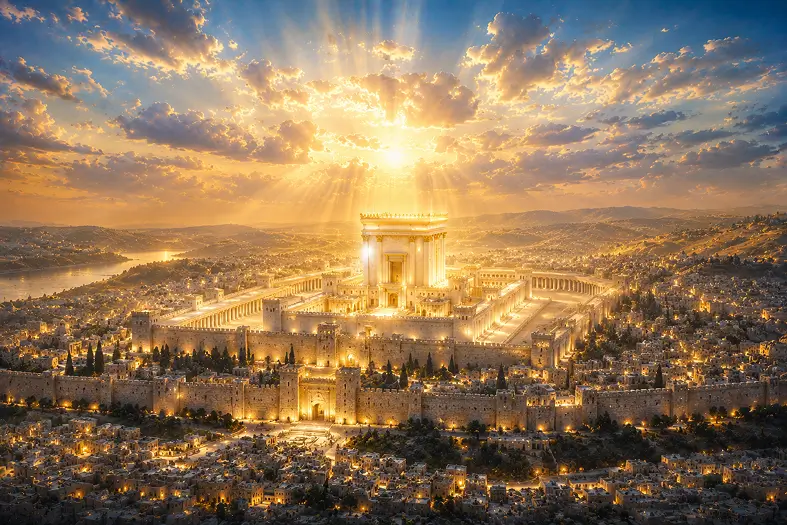
תְּרוּמָה – Terumah
Family learning about parshas Mishpatim

8.1 — Shabbos, Covenant, and the Society of Responsibility

"Mishpatim — Part VIII — Application for Today"
Mishpatim is not only a collection of laws. It is a vision of society. It teaches that revelation must become justice, memory must become compassion, power must become responsibility, and time itself must become sacred. A covenantal society is built when individuals and institutions alike reflect these principles—limiting power, protecting dignity, and sanctifying life through Shabbos.

"Mishpatim — Part VIII — Application for Today"

8.1 — Shabbos, Covenant, and the Society of Responsibility

What Mishpatim demands from us today

Parshas Mishpatim begins with laws and ends with a vision. It opens with civil statutes—damages, courts, servants, strangers—and closes with Moshe ascending into the cloud to receive the covenant. Between those two points, the Torah builds a complete structure of society: justice, compassion, responsibility, and sacred time.

This final essay gathers the themes of the entire parsha and asks a single question: what kind of society emerges from Mishpatim?

The Torah states:

שמות כ״ג:י״ב
“שֵׁשֶׁת יָמִים תַּעֲשֶׂה מַעֲשֶׂיךָ, וּבַיּוֹם הַשְּׁבִיעִי תִּשְׁבֹּת, לְמַעַן יָנוּחַ שׁוֹרְךָ וַחֲמֹרֶךָ…”
“Six days you shall do your work, and on the seventh day you shall rest, so that your ox and your donkey may rest…”

Shabbos appears in the middle of the civil laws, not only among the Ten Commandments. It is presented as a social institution. It protects the worker, the servant, the stranger, and even the animal. It places a limit on human power.

The covenant, the Torah teaches, is not sustained by inspiration alone. It is sustained by structures that restrain power and protect dignity.

A Society Built on Justice (Part I–II)

The opening parts of the parsha establish a foundational principle: revelation must become law. Sinai cannot remain thunder and flame. It must become courts, judges, contracts, and damages.

Mishpatim teaches that:

  • Justice is not secular; it is sacred.
  • Courts are extensions of the Divine presence.
  • Ethical ideals must become legal systems.

Rabbi Jonathan Sacks taught that a free society is built not only on rights, but on responsibilities. The Torah’s legal system creates a society where morality is not optional or private. It is built into the structure of daily life.

A covenantal society begins with justice that reflects Divine will.

A Society Built on Human Dignity (Part III)

The Torah’s first civil law concerns the Hebrew servant. This is not accidental. The memory of Egypt shapes the entire legal system.

The message is clear:

  • No human being may be treated as a mere object.
  • Freedom is not a political accident; it is a spiritual condition.
  • The covenant begins with dignity.

A society that forgets the experience of slavery becomes cruel. A society that remembers builds laws that protect the weak.

A Society Built on Responsibility (Part IV)

The laws of damages, liability, and negligence assume a radical idea: human beings possess free will and must accept consequences.

The Torah insists:

  • Ownership creates responsibility.
  • Power creates liability.
  • Actions carry moral weight.

The dangerous ox becomes a symbol for all forms of power—wealth, influence, authority, speech, and technology. If harm emerges from what we control, we must answer for it.

A covenantal society is made of people who accept responsibility, not evade it.

A Society Built on Compassion (Part V)

Mishpatim embeds empathy into law.

The stranger must not be oppressed because Israel was once a stranger.
The enemy’s animal must be helped, even when hatred exists.
The widow and orphan receive special protection.

These laws teach:

  • Compassion is not sentiment; it is legislation.
  • Memory creates empathy.
  • The vulnerable define the moral character of a society.

Rav Avigdor Miller emphasized that these mitzvos refine the soul. They are not only about repairing the world; they are about repairing the person. Through acts of compassion, a person becomes capable of covenant.

A Society Structured by Covenant and Time (Part VI)

The parsha then ascends to Sinai, where the people declare:

“נַעֲשֶׂה וְנִשְׁמָע” — “We will do and we will hear.”

Action precedes understanding. Covenant precedes explanation.

This covenant is given a weekly expression: Shabbos.

Shabbos teaches that:

  • Work must stop.
  • Power must pause.
  • Every human being deserves rest.
  • Even animals must be protected.

Rambam explains that Shabbos preserves both faith and social compassion. It reminds us that the world belongs to Hashem, and that no human being may be reduced to endless labor.

Shabbos becomes the weekly sign of the covenant.

A Society Oriented Toward Spiritual Ascent (Part VII)

The parsha concludes with Moshe ascending the mountain. His ascent reflects the structure of the universe itself.

Through the teachings of Abarbanel and the philosophical tradition, we see that:

  • Reality unfolds in levels.
  • Human beings are meant to ascend spiritually.
  • Covenant is not static; it is a path upward.

Moshe’s forty days become the model for every life: a gradual ascent toward awareness of the Divine.

The Covenant as a Social Architecture

When all these parts are brought together, Mishpatim reveals its full vision.

A covenantal society must:

  • Build justice into its institutions.
  • Protect human dignity.
  • Demand responsibility from those with power.
  • Embed compassion into law.
  • Structure time around holiness.
  • Encourage spiritual ascent.

This is not only a legal code. It is a blueprint for civilization.

Application for Today — Building a Covenantal Society

To live Mishpatim today is to see society itself as a form of avodas Hashem. The covenant does not exist only in the synagogue or the study hall. It exists in courts, workplaces, homes, and communities.

A practical application can include:

  • Building businesses and institutions that prioritize dignity over profit.
  • Accepting responsibility for the consequences of our influence and speech.
  • Creating environments where the vulnerable are protected.
  • Observing Shabbos as a weekly limit on productivity and power.
  • Structuring personal and communal life around covenantal values.

Rabbi Jonathan Sacks taught that the Torah does not seek a perfect world overnight. It seeks a society that steadily aligns itself with Divine principles.

Rav Avigdor Miller taught that each mitzvah refines the individual soul, until society itself becomes elevated.

When responsibility, compassion, justice, and sacred time come together, the covenant becomes visible in daily life.

In this way, the Torah becomes the bridge between heaven and earth, guiding human action toward Divine purpose. A life shaped by Torah is a life lived in the presence of Hashem, where every deed becomes part of the covenantal relationship.

📖 Sources

  • Full sources available on the Mitzvah Minute Parshas Mishpatim page under insights and commentaries.

מִשְׁפָּטִים – Mishpatim
Moshe ascending Har Sinai

7.7 — Application: The Ascent of a Human Being

"Mishpatim — Part VII — Moshe’s Ascent & the Structure of Creation"
Moshe’s climb into the cloud is more than a moment of prophecy. It is the Torah’s model for every human life. Spiritual growth does not happen in a single leap. It unfolds through steady effort, daily discipline, and gradual ascent. Rabbi Jonathan Sacks teaches that covenant is a journey upward, not a one-time event. Rav Avigdor Miller reminds us that greatness is built through small, consistent steps. Together, they reveal that the path to holiness is not dramatic or sudden—it is faithful and continuous. Like Moshe on the mountain, every person is called to rise from instinct to awareness, from self-interest to responsibility, from the ordinary to the Divine. The climb may be slow, but each step upward brings the soul closer to its purpose.

"Mishpatim — Part VII — Moshe’s Ascent & the Structure of Creation"

7.7 — Application: The Ascent of a Human Being

What Moshe’s ascent teaches about personal growth

At the close of Parshas Mishpatim, Moshe ascends the mountain and enters the cloud for forty days and forty nights. The Torah presents this not only as a historical event, but as a model of spiritual ascent. Moshe rises from the physical world into a higher realm of Divine awareness. His journey becomes the paradigm for the growth of every human being.

The Torah states:

שמות כ״ד:י״ח
“וַיָּבֹא מֹשֶׁה בְּתוֹךְ הֶעָנָן, וַיַּעַל אֶל־הָהָר; וַיְהִי מֹשֶׁה בָּהָר אַרְבָּעִים יוֹם וְאַרְבָּעִים לָיְלָה.”
“Moshe entered into the cloud and ascended the mountain; and Moshe was on the mountain forty days and forty nights.”

This ascent reflects a universal truth: spiritual growth is not a single leap, but a lifelong climb.

Rabbi Jonathan Sacks: Covenant as a Journey Upward

Rabbi Jonathan Sacks often emphasized that the Torah does not describe faith as a static condition. It describes it as a journey. From Avraham’s first call to leave his land, to the Exodus from Egypt, to the ascent of Sinai, the Torah is filled with movement. The covenant is not a fixed state. It is a path.

Moshe’s ascent reflects this idea. He does not receive the Torah instantly. He must climb the mountain. He must enter the cloud. He must remain there for forty days. Revelation comes through process, discipline, and perseverance.

For Rabbi Sacks, this is the essence of covenantal life. A covenant is not a contract fulfilled once and completed. It is a relationship that unfolds over time. Every generation, and every individual, must climb their own mountain.

The covenant therefore transforms life into a journey of ascent:

  • From instinct to responsibility.
  • From self-interest to moral awareness.
  • From isolation to relationship with Hashem.

Moshe’s ascent becomes the model for the spiritual biography of the Jewish people and of every individual soul.

Rav Avigdor Miller: Growth Through Daily Climbing

Rav Avigdor Miller taught that the path to greatness is built not through dramatic moments, but through daily effort. Many people imagine spiritual growth as a sudden inspiration or emotional breakthrough. But the Torah’s model is different.

Moshe does not leap to the top of the mountain. He climbs. He waits. He prepares. He spends forty days in transformation.

Rav Miller would describe spiritual life as a series of small ascents:

  • A moment of restraint instead of anger.
  • A word of kindness instead of criticism.
  • A short period of Torah study each day.
  • A simple prayer said with sincerity.

Each act is a step upward. Over time, these steps accumulate into a mountain.

For Rav Miller, the greatness of Moshe is not only in the revelation he received, but in the discipline that prepared him for it. The same principle applies to every person. Spiritual elevation is the result of consistent effort.

The Structure of a Human Ascent

Moshe’s forty-day climb reflects a pattern that appears in every life. Growth rarely happens in a straight line. It unfolds in stages.

A person often moves through:

  • A period of inspiration.
  • A period of struggle or confusion.
  • A period of renewed clarity.

Each stage is part of the ascent. Even setbacks become steps upward when they lead to deeper understanding.

The Torah’s model is not perfection without effort. It is steady movement toward higher awareness.

The Mountain Within

Har Sinai is not only a physical mountain. It is a symbol of the inner life of the human being. Every person carries within himself different levels of existence:

  • The physical drives of the body.
  • The emotional instincts of the heart.
  • The intellectual awareness of the mind.
  • The spiritual yearning of the soul.

Spiritual growth means rising from one level to the next. It means allowing the higher parts of the self to guide the lower.

Moshe’s ascent reflects this inner process. As he rises toward the summit, he leaves behind the ordinary concerns of physical life and enters the cloud of Divine presence. The human being, too, is meant to rise from instinct to awareness, from impulse to purpose.

Why the Ascent Takes Time

The Torah emphasizes that Moshe remained on the mountain for forty days and forty nights. Transformation takes time.

Just as:

  • A child develops over months in the womb.
  • A nation develops over decades in the wilderness.
  • The land is conquered “little by little.”

So too, the soul develops over a lifetime.

A person who seeks instant perfection often becomes discouraged. But the Torah’s message is different. Growth is gradual, and every step upward has value.

Application for Today — Living the Ascent

Moshe’s climb up the mountain is the story of every human life. Each person is given a mountain to climb: a path of growth, responsibility, and spiritual awareness.

A practical way to live this teaching includes:

  • Setting small, realistic spiritual goals.
  • Building daily habits of Torah study and prayer.
  • Viewing setbacks as part of the climb rather than the end of the journey.
  • Measuring success by direction, not by speed.
  • Remembering that every step upward matters.

Spiritual greatness is not reserved for prophets. It begins with ordinary people who choose to take the next step upward.

Moshe entered the cloud and rose toward the Divine presence. Every human being is called to make the same ascent, step by step, throughout the course of a lifetime.

📖 Sources

  • Full sources available on the Mitzvah Minute Parshas Mishpatim page under insights and commentaries.
מִשְׁפָּטִים – Mishpatim
Moshe ascending Har Sinai

7.6 — Torah as the Blueprint of the Universe

"Mishpatim — Part VII — Moshe’s Ascent & the Structure of Creation"
Anchored in Moshe’s ascent to receive “the tablets, the Torah, and the commandment,” Parshas Mishpatim reveals the Torah not only as a guide for human behavior but as the blueprint of creation itself. The Midrash teaches that Hashem looked into the Torah and created the world, making it the inner structure of reality. Abarbanel explains that the Torah reflects the layered order of existence, from the physical world to the highest spiritual realms. The tablets engraved in stone symbolize this descent of Divine wisdom into the material world. Living by the Torah, therefore, is not submission to arbitrary rules, but alignment with the design of the universe itself—transforming daily life into harmony with the cosmic order.

"Mishpatim — Part VII — Moshe’s Ascent & the Structure of Creation"

7.6 — Torah as the Blueprint of the Universe

Why the Torah precedes creation

At the close of Parshas Mishpatim, Moshe ascends the mountain to receive the tablets. The Torah describes this moment as more than the delivery of laws. It is the transmission of something deeper: the Divine pattern according to which the world itself is structured.

The Torah states:

שמות כ״ד:י״ב
“עֲלֵה אֵלַי הָהָרָה… וְאֶתְּנָה לְךָ אֶת־לֻחֹת הָאֶבֶן, וְהַתּוֹרָה וְהַמִּצְוָה.”
“Ascend to Me on the mountain… and I will give you the tablets of stone, and the Torah and the commandment.”

This verse does not speak only of commandments. It speaks of the Torah—a complete structure of Divine wisdom. The mefarshim and Midrashic tradition explain that the Torah is not merely a guide for human behavior. It is the blueprint of creation itself.

The Midrash: Torah Before the World

Chazal teach a foundational principle:

“Hashem looked into the Torah and created the world.”
— Bereishis Rabbah 1:1

The Midrash presents the Torah as the plan from which the universe was built. Just as an architect designs a building before laying its foundation, so too the world was formed according to the structure of the Torah.

This means:

  • The laws of the Torah reflect the laws of existence.
  • Moral order is not arbitrary.
  • Reality itself is aligned with Divine wisdom.

The Torah does not impose meaning on a chaotic world. It reveals the meaning already built into creation.

Abarbanel: Torah as the Structure of Existence

Abarbanel explains that the Torah reflects the layered structure of the universe. Just as creation is composed of ascending realms, the Torah contains levels that correspond to them.

The Torah includes:

  • Laws governing physical life.
  • Moral laws shaping society.
  • Spiritual teachings guiding the soul.
  • Divine wisdom that transcends human understanding.

These layers correspond to the different realms of existence:

  • The physical world.
  • The celestial order.
  • The world of intellects.
  • The Divine emanations.

In this view, the Torah is not simply a legal code. It is a map of reality. It describes the structure of the cosmos and the path through it.

The Tablets: Stone and Spirit

The verse in Mishpatim mentions the “tablets of stone.” This detail is significant. The Torah is given not in abstract speech alone, but engraved into physical matter.

Stone represents:

  • The lowest level of existence.
  • The mineral realm.
  • The physical foundation of the world.

When the Torah is engraved into stone, it symbolizes the descent of Divine wisdom into the lowest realm of creation. The highest truth becomes inscribed into the most material substance.

This reflects the Torah’s role:

  • To connect heaven and earth.
  • To infuse the physical world with spiritual meaning.
  • To transform matter into a vessel of holiness.

Torah and the Architecture of Life

If the Torah is the blueprint of creation, then living according to the Torah means living in harmony with reality itself.

A building constructed according to its blueprint stands firm.
A building constructed against its design eventually collapses.

So too:

  • A society aligned with the Torah’s principles becomes stable.
  • A life aligned with its moral structure becomes meaningful.
  • A world aligned with its Divine purpose becomes holy.

The Torah is not an external system imposed upon the world. It is the inner logic of the world itself.

The Covenant and the Cosmic Order

Parshas Mishpatim begins with civil laws—damages, servants, property, and justice. It ends with Moshe ascending the mountain to receive the Torah.

This structure is deliberate. The parsha moves:

  • From society,
  • To covenant,
  • To cosmic revelation.

The same Torah that governs the behavior of an ox or a borrower also reflects the structure of the universe. The smallest legal detail and the highest spiritual truth are part of one unified system.

This is the Torah’s claim: the laws of everyday life are rooted in the architecture of creation.

Application for Today — Living According to the Design of Reality

If the Torah is the blueprint of the universe, then mitzvos are not arbitrary rules. They are instructions for living in harmony with reality.

Modern culture often assumes:

  • Morality is subjective.
  • Meaning is self-created.
  • Truth is relative.

The Torah presents a different vision. It teaches that:

  • The world has a structure.
  • Human life has a purpose.
  • The Torah reveals that structure and purpose.

A practical way to apply this teaching includes:

  • Viewing mitzvos as alignment with reality, not restriction.
  • Studying Torah as a way of understanding the design of existence.
  • Building personal habits that reflect Torah values.
  • Recognizing that spiritual growth means living in harmony with the Divine blueprint.

When a person lives according to the Torah, he is not bending reality to his will. He is aligning himself with the design that was present from the beginning.

📖 Sources

  • Full sources available on the Mitzvah Minute Parshas Mishpatim page under insights and commentaries.

מִשְׁפָּטִים – Mishpatim
Moshe ascending Har Sinai

7.5 — The Four Realms of Creation

"Mishpatim — Part VII — Moshe’s Ascent & the Structure of Creation"
Anchored in Moshe’s forty-day ascent into the cloud, Parshas Mishpatim reveals a deeper structure beneath the historical event. Abarbanel and philosophical traditions explain that Moshe’s ascent mirrors the four levels of creation—mineral, plant, animal, and human-intellectual—each representing a higher form of existence. As Moshe rises above physical needs and enters the cloud, he symbolically ascends through these realms, becoming a vessel for Divine wisdom. The Torah he receives reflects this same cosmic structure, descending from the highest spiritual truths into the practical laws that shape daily life. Moshe’s journey thus becomes a model for the human soul: to elevate the physical, refine the emotional, cultivate the intellect, and live in alignment with the Divine architecture of creation.

"Mishpatim — Part VII — Moshe’s Ascent & the Structure of Creation"

7.5 — The Four Realms of Creation

How the forty days mirror the structure of existence

Moshe’s ascent at the end of Parshas Mishpatim is described not only as a historical event, but as a spiritual process. He enters the cloud, remains on the mountain for forty days and forty nights, and emerges transformed. Many commentators see this ascent as more than a preparation for receiving the tablets. It reflects the structure of existence itself.

The Torah states:

שמות כ״ד:י״ב–י״ח
“עֲלֵה אֵלַי הָהָרָה… וַיָּבֹא מֹשֶׁה בְּתוֹךְ הֶעָנָן… וַיְהִי מֹשֶׁה בָּהָר אַרְבָּעִים יוֹם וְאַרְבָּעִים לָיְלָה.”
“Ascend to Me on the mountain… Moshe entered the cloud… and Moshe was on the mountain forty days and forty nights.”

Abarbanel and later philosophical traditions explain that the forty-day ascent represents a journey through the different layers of reality. The mountain is not only a physical location. It is a symbolic axis connecting earth and heaven. As Moshe ascends, he passes through successive realms of existence.

The Four Realms of Creation

Jewish philosophical and mystical traditions often describe creation as composed of four ascending levels. These are not separate worlds in a physical sense, but different degrees of existence and consciousness.

They are commonly described as:

  • The mineral realm — inanimate matter.
  • The plant realm — living but rooted life.
  • The animal realm — life with movement and instinct.
  • The human or intellectual realm — life capable of thought, morality, and spiritual awareness.

Each realm builds upon the one before it. The plant contains the mineral. The animal contains the plant. The human contains all three, and adds intellect and moral consciousness.

Moshe’s ascent represents the movement upward through these levels. He begins as a physical being on the mountain, but through the forty days, he transcends ordinary human limitations and becomes a vessel for Divine wisdom.

Abarbanel: Ascent Through the Structure of Existence

Abarbanel himself presents a more cosmic version of this structure. He describes four realms of existence: the physical world, the celestial spheres, the world of intellects (angels), and the Divine emanations through which Hashem’s will flows into creation. Each realm contains ten categories, forming the complete architecture of existence. Moshe’s ascent, in this view, is not only personal or national, but cosmic—an ascent through the very structure of the universe.

Abarbanel explains that Moshe’s forty days were not simply a waiting period. They were a transformation through the layers of existence.

At the beginning of the ascent, Moshe still belongs to the physical world. He stands on the mountain, a place of earth and stone. But as he enters the cloud and remains there without food or drink, his existence becomes less physical and more spiritual.

This process reflects a movement:

  • From the physical to the living.
  • From the living to the conscious.
  • From the conscious to the prophetic.

Moshe becomes the human being who rises above the lower levels of existence and connects directly to the Divine intellect. His ascent mirrors the structure of the universe, where higher levels emerge from and elevate the lower ones.

The Forty Days as a Journey Through the Realms

The number forty, which appears repeatedly in the Torah, often signals a period of transformation. In this context, it represents the passage through the layers of creation.

The ascent can be understood as a symbolic progression:

  • The first stage: detachment from purely physical existence.
  • The second stage: refinement of the life forces and instincts.
  • The third stage: elevation of the intellect.
  • The fourth stage: union with Divine wisdom through prophecy.

Moshe does not abandon the lower realms. Instead, he integrates them and rises above them, becoming a complete vessel for the Torah.

Torah as the Architecture of the Cosmos

In many philosophical traditions, the Torah is not only a set of commandments. It is the blueprint of creation. The structure of the universe reflects the structure of the Torah, and the structure of the Torah reflects the structure of the universe.

Moshe’s ascent reveals this connection. As he rises through the levels of existence, he receives the Torah, which corresponds to those same levels.

The mishpatim regulate physical society.
The covenant shapes the moral world.
The tablets embody Divine wisdom itself.

Through Moshe, the Torah descends from the highest realm into the lowest, structuring reality from top to bottom.

The Mountain as the Axis of Creation

Har Sinai becomes a symbolic center of the universe. It stands at the meeting point between heaven and earth.

At its base, the people stand in the physical world.
On its slopes, the elders ascend partway.
At its summit, Moshe enters the cloud and the Divine presence.

The mountain thus reflects the layered structure of creation. It is an axis through which the Torah descends and humanity ascends.

Moshe’s journey up the mountain is therefore the journey of the human soul: rising from material existence toward spiritual clarity.

Application for Today — Living Across the Four Realms

The four realms of creation are not only philosophical categories. They exist within every human life.

Each person contains:

  • The mineral aspect — the physical body.
  • The plant aspect — growth, nourishment, and stability.
  • The animal aspect — emotion, instinct, and movement.
  • The human aspect — intellect, morality, and spirituality.

The Torah’s purpose is not to destroy the lower realms, but to elevate them. Physical life becomes holy when it is directed by moral and spiritual purpose.

A practical way to apply this teaching includes:

  • Caring for the body as a vessel for higher purpose.
  • Channeling emotions toward compassion and discipline.
  • Developing the intellect through Torah study.
  • Aligning daily actions with spiritual values.

Moshe’s ascent teaches that the human being is meant to rise through the layers of existence. The Torah provides the path upward, transforming the physical world into a place of covenant and holiness.

📖 Sources

  • Full sources available on the Mitzvah Minute Parshas Mishpatim page under insights and commentaries.
מִשְׁפָּטִים – Mishpatim
Moshe ascending Har Sinai

7.4 — The Three Forty-Day Ascents

"Mishpatim — Part VII — Moshe’s Ascent & the Structure of Creation"
Anchored in Moshe’s forty-day ascent described in Parshas Mishpatim, the Torah reveals a deeper pattern in the covenantal relationship between Hashem and Israel. Abarbanel explains that Moshe’s three ascents represent three stages: the first embodies the ideal covenant at Sinai, the second reflects the rupture caused by the sin of the Golden Calf, and the third expresses forgiveness and renewal through repentance. The second tablets, shaped after sin and prayer, reveal a deeper and more resilient bond. This pattern—revelation, failure, and return—becomes the model for both national and personal spiritual growth. The covenant is not a static moment of perfection, but a living relationship that survives strain and is strengthened through repentance and renewed commitment.

"Mishpatim — Part VII — Moshe’s Ascent & the Structure of Creation"

7.4 — The Three Forty-Day Ascents

Why Moshe ascends the mountain three times

At the end of Parshas Mishpatim, the Torah describes Moshe ascending Har Sinai for forty days and forty nights. This is not the only time Moshe will climb the mountain. Over the course of the Torah, Moshe ascends Sinai three separate times, each for a period of forty days.

These ascents are not repetitions of the same event. They represent three distinct stages in the covenantal relationship between Hashem and Israel. Together, they form a spiritual arc: covenant, sin, and renewal.

The Torah introduces the first ascent with the words:

שמות כ״ד:י״ב
“וַיֹּאמֶר ה׳ אֶל־מֹשֶׁה, עֲלֵה אֵלַי הָהָרָה… וְאֶתְּנָה לְךָ אֶת־לֻחֹת הָאֶבֶן.”
“Hashem said to Moshe: Ascend to Me on the mountain… and I will give you the tablets of stone.”

Moshe enters the cloud and remains on the mountain for forty days and forty nights. This begins the first of the three ascents.

The First Ascent: Covenant and Revelation

The first forty-day period begins after the covenant is sealed and the people declare “נַעֲשֶׂה וְנִשְׁמָע.” Moshe ascends to receive the tablets and the deeper structure of the Torah.

This ascent represents:

  • The ideal state of the covenant.
  • A direct bond between Hashem and Israel.
  • A moment of unbroken faith and obedience.

At this stage, the relationship is pure and untested. The tablets are a symbol of Divine law given without fracture or interruption.

The Second Ascent: Sin and Intercession

The second ascent occurs after the sin of the Golden Calf. When Moshe descends and sees the people worshipping the idol, he shatters the tablets. The covenant has been broken.

Moshe then returns to the mountain for another forty days. This ascent is not for receiving revelation, but for pleading on behalf of the people. It is an ascent of intercession.

This stage represents:

  • The collapse of the ideal.
  • The reality of human failure.
  • The power of repentance and prayer.

Moshe stands between the people and Divine judgment. The covenant is no longer untouched perfection. It is now a relationship that must survive sin.

The Third Ascent: Forgiveness and Renewal

The third ascent begins after Hashem accepts Moshe’s plea and commands him to carve new tablets. Moshe ascends the mountain once again for forty days, and this time he descends with the second set of tablets.

This stage represents:

  • Forgiveness after failure.
  • A renewed covenant.
  • A relationship strengthened by repentance.

The second tablets differ from the first. According to many commentators, they contain not only the Divine writing, but also the human effort of carving the stone. The covenant now reflects partnership between Hashem and Israel.

Abarbanel: The Three Stages of Covenant

Abarbanel explains that the three ascents represent a spiritual progression in the covenant itself.

The first ascent reflects the ideal covenant, formed at Sinai in purity and awe.
The second ascent reflects the broken covenant, shattered by sin and human weakness.
The third ascent reflects the restored covenant, rebuilt through repentance and Divine mercy.

For Abarbanel, this sequence is not accidental. It reveals the structure of the covenantal relationship. The Torah does not present a world of unbroken perfection. It presents a world where:

  • People fail.
  • The covenant is strained.
  • Renewal remains possible.

The second tablets are therefore deeper than the first. They represent a covenant that has endured sin and emerged stronger.

The Philosophical Tradition: The Pattern of Human Growth

Many philosophical and Chassidic thinkers see in the three ascents a model for the structure of human spiritual life.

The pattern appears repeatedly:

  1. Innocence — a state of clarity, simplicity, or idealism.
  2. Crisis — failure, confusion, or moral collapse.
  3. Return — repentance, rebuilding, and deeper understanding.

The first stage is pure but untested.
The second stage is painful but honest.
The third stage is stronger because it has faced reality.

This pattern appears throughout Jewish thought:

  • The Garden of Eden, followed by exile, followed by the path of return.
  • The Temple, followed by destruction, followed by hope of rebuilding.
  • The individual soul, which falls and rises again through teshuvah.

Moshe’s three ascents become the archetype of covenantal growth.

Why Forty Days?

Each ascent lasts forty days and forty nights. The number forty in the Torah consistently signals transformation as explored in the previous essay.

It marks:

  • The forty days of rain during the Flood, transforming the world.
  • The forty years in the wilderness, transforming a slave people into a nation.
  • The forty days of Moshe on Sinai, transforming a leader into a prophetic vessel.

Forty represents a period of gestation, purification, and rebirth. Each ascent is not merely a journey upward. It is a process of becoming.

The Covenant as a Living Relationship

The three ascents teach that the covenant is not a static contract. It is a living relationship.

A contract breaks when one side fails.
A covenant survives failure through loyalty and return.

The Torah does not hide Israel’s sin. Instead, it shows how the relationship survives and deepens. The second tablets symbolize a covenant that includes:

  • Human weakness.
  • Divine forgiveness.
  • Ongoing commitment.

The deepest bond is not the one that never faces strain. It is the one that endures it.

Application for Today — Growth Through Repeated Ascent

Moshe’s three ascents offer a powerful model for personal growth. Many people imagine spiritual life as a straight path upward. But the Torah presents a different structure.

Growth often unfolds in three stages:

  • A period of inspiration or clarity.
  • A period of struggle, failure, or confusion.
  • A period of return, rebuilding, and deeper understanding.

A practical way to live this teaching includes:

  • Accepting that failure is part of spiritual growth.
  • Viewing mistakes as opportunities for return rather than despair.
  • Committing to rebuild after setbacks.
  • Recognizing that the second ascent can be deeper than the first.

The Torah’s model is not perfection without fracture. It is a covenant that survives sin and becomes stronger through renewal.

📖 Sources

  • Full sources available on the Mitzvah Minute Parshas Mishpatim page under insights and commentaries.
מִשְׁפָּטִים – Mishpatim
Moshe ascending Har Sinai

7.3 — Moshe’s First Ascent

"Mishpatim — Part VII — Moshe’s Ascent & the Structure of Creation"
Anchored in “וַיָּבֹא מֹשֶׁה בְּתוֹךְ הֶעָנָן,” Parshas Mishpatim concludes with Moshe ascending the mountain and entering the cloud for forty days and nights. Abarbanel explains that this ascent marks a transformation: Moshe moves from national leader to prophetic vessel, undergoing spiritual preparation before receiving the tablets. The cloud symbolizes the boundary between human and Divine, and Moshe’s entry into it reflects a level of prophecy unmatched by any other figure. The forty days represent a period of purification and rebirth, preparing him to carry the Torah into the world. This moment completes the covenant’s structure—law, nation, and prophet—and teaches that true spiritual elevation requires preparation, discipline, and inner transformation.

"Mishpatim — Part VII — Moshe’s Ascent & the Structure of Creation"

7.3 — Moshe’s First Ascent

The transformation from leader to prophetic vessel

At the close of Parshas Mishpatim, the Torah shifts from law, society, and covenant to a quiet but decisive moment: Moshe ascends the mountain alone. The legal and social structures of the covenant have been established. The people have declared “נַעֲשֶׂה וְנִשְׁמָע.” The covenant has been sealed. Now Moshe rises into the cloud.

The Torah states:

שמות כ״ד:י״ח
“וַיָּבֹא מֹשֶׁה בְּתוֹךְ הֶעָנָן, וַיַּעַל אֶל־הָהָר; וַיְהִי מֹשֶׁה בָּהָר אַרְבָּעִים יוֹם וְאַרְבָּעִים לָיְלָה.”
“Moshe entered into the cloud and ascended the mountain; and Moshe was on the mountain forty days and forty nights.”

This ascent marks a turning point. Until now, Moshe has functioned primarily as a national leader: the redeemer from Egypt, the organizer of the people, the lawgiver who transmits Hashem’s commands. With this ascent, he becomes something more. He becomes the vessel of a new level of prophecy.

From Leader to Vessel

Moshe’s earlier encounters with Hashem occurred:

  • At the burning bush.
  • In Egypt during the plagues.
  • At the sea.
  • At Sinai during the revelation.

But those moments were part of public, national events. They were bound to the redemption of the people. This ascent is different. It is solitary. Moshe enters the cloud alone, separated from the nation, and remains there for forty days and nights.

This signals a transformation. Moshe is no longer only the leader of Israel. He becomes the unique prophetic conduit through which the Torah will descend into the world.

Abarbanel: The Ascent as Preparation

Abarbanel explains that Moshe’s ascent is not merely a journey upward. It is a process of spiritual preparation. Before receiving the tablets and the deeper structure of the Torah, Moshe must undergo a transformation.

The forty days serve as a period of:

  • Separation from physical concerns.
  • Elevation of the intellect.
  • Alignment with Divine wisdom.

Moshe does not eat or drink during this time. His existence becomes purely spiritual. Abarbanel sees this not as a miracle for its own sake, but as a necessary condition for prophecy at the highest level. To receive the Torah in its fullness, Moshe must become a vessel capable of containing it.

The ascent, therefore, is not about distance from the earth. It is about closeness to the Divine.

The Cloud: Boundary and Bridge

The Torah emphasizes that Moshe enters “into the cloud.” The cloud is a recurring symbol throughout the wilderness narrative. It represents:

  • The presence of Hashem.
  • The boundary between human and Divine.
  • The mystery of revelation.

For the people, the cloud is something to behold from afar. For Moshe, it becomes an environment to enter. He does not merely witness the Divine presence; he lives within it.

This moment marks the unique nature of Moshe’s prophecy. Other prophets receive visions or messages. Moshe enters the cloud itself. He becomes the intermediary between heaven and earth.

Forty Days: The Pattern of Transformation

The number forty appears repeatedly in the Torah as a period of transformation:

  • Forty days of rain during the Flood.
  • Forty days of Moshe on Sinai.
  • Forty years in the wilderness.

Forty represents a threshold between one state and another. It is a number of gestation, purification, and rebirth.

Moshe enters the mountain as a national leader. He emerges as the bearer of the tablets, the teacher of Torah, and the central prophetic figure of Israel’s history.

The Covenant’s Structure: Law, Nation, Prophet

Parshas Mishpatim closes by establishing three pillars of the covenant:

  • Law — the mishpatim that structure society.
  • Nation — the people who accept the covenant.
  • Prophet — the mediator who brings the Divine word into human life.

Moshe’s ascent completes this structure. Without a prophetic vessel, the covenant would remain abstract. Moshe’s transformation ensures that the Torah becomes a living teaching, transmitted from heaven into the world.

Application for Today — Spiritual Preparation Before Ascent

Moshe’s ascent teaches that higher levels of spiritual understanding require preparation. Revelation does not come to a person unprepared. It requires separation from distraction, refinement of character, and alignment with purpose.

In modern life, people often seek insight without preparation, depth without discipline, or inspiration without effort. The Torah presents a different model. Before receiving the tablets, Moshe spends forty days in transformation.

A practical way to internalize this teaching includes:

  • Setting aside regular time for spiritual focus and learning.
  • Preparing mentally and emotionally before major decisions or commitments.
  • Recognizing that growth requires periods of withdrawal and reflection.
  • Understanding that clarity comes after preparation, not before it.

Moshe’s ascent reminds us that revelation is not only about what is given from above. It is also about what is prepared below. The higher a person wishes to rise, the more carefully he must prepare the vessel of his soul.

📖 Sources

  • Full sources available on the Mitzvah Minute Parshas Mishpatim page under insights and commentaries.
מִשְׁפָּטִים – Mishpatim
Moshe ascending Har Sinai

7.2 — Gradual Redemption

"Mishpatim — Part VII — Moshe’s Ascent & the Structure of Creation"
Anchored in the promise that the land would be conquered “מְעַט מְעַט,” Parshas Mishpatim teaches that redemption unfolds through process, not sudden transformation. Ramban explains that blessing must match human capacity: a land cannot be sustained by a people who are not yet ready to build and sanctify it. Abarbanel adds that the slow conquest serves as moral education, training the nation in humility, dependence on Hashem, and responsible stewardship of the covenantal gift. Across creation, the Exodus, the wilderness journey, and the conquest itself, the Torah consistently reveals a pattern of growth through stages. Sudden success can corrupt, but gradual progress builds character. The covenant, therefore, is not a moment of perfection but a lifelong path of steady, faithful transformation.

"Mishpatim — Part VII — Moshe’s Ascent & the Structure of Creation"

7.2 — Gradual Redemption

Why the land is conquered slowly

As Parshas Mishpatim draws toward its conclusion, the Torah shifts from legal structures to a vision of the nation’s future in the land. Hashem promises that Israel will inherit the land, but He immediately adds a surprising condition: the conquest will not happen all at once. Redemption will unfold slowly, through a measured process.

The Torah states:

שמות כ״ג:כ״ט–ל׳
“לֹא אֲגָרְשֶׁנּוּ מִפָּנֶיךָ בְּשָׁנָה אֶחָת, פֶּן־תִּהְיֶה הָאָרֶץ שְׁמָמָה, וְרַבָּה עָלֶיךָ חַיַּת הַשָּׂדֶה.
מְעַט מְעַט אֲגָרְשֶׁנּוּ מִפָּנֶיךָ, עַד אֲשֶׁר תִּפְרֶה וְנָחַלְתָּ אֶת־הָאָרֶץ.”
“I will not drive them out from before you in one year, lest the land become desolate and the beasts of the field multiply against you.
Little by little I will drive them out from before you, until you become fruitful and inherit the land.”

At first glance, this appears to be a practical concern. A land emptied too quickly might become overrun with wild animals. But the mefarshim see something deeper in this passage. The Torah is teaching a fundamental principle of covenantal life: Divine transformation occurs through process, not sudden upheaval.

Ramban: Redemption Must Match Human Capacity

Ramban explains that the Torah is not speaking only about military strategy. The gradual conquest reflects the spiritual and social condition of the people. A land cannot be sustained unless its inhabitants are prepared to cultivate, govern, and sanctify it.

If the land were emptied instantly:

  • It would become desolate.
  • Wild animals would overrun it.
  • The people would be unable to sustain its cities and fields.

Redemption must therefore align with human readiness. The nation must grow:

  • In population.
  • In organization.
  • In spiritual maturity.

For Ramban, this reflects a broader Torah principle: Divine blessing does not overwhelm human nature. Hashem’s providence works through the structure of the world, not in defiance of it. Even miracles are calibrated to the capacity of the people receiving them.

Abarbanel: Redemption as Moral Education

Abarbanel adds a deeper, educational dimension. The gradual conquest was not only practical—it was moral.

If the people had received the entire land immediately, they might have mistaken success for their own strength. Sudden abundance often leads to complacency, arrogance, or spiritual forgetfulness. A gradual process, however, forces a nation to remain vigilant, dependent, and morally alert.

Each stage of the conquest would remind the people that the land was not theirs by right of conquest alone. It was a covenantal gift, dependent on their relationship with Hashem. The process itself became a form of education. With each step forward, the nation would learn responsibility, humility, and gratitude.

In Abarbanel’s reading, redemption is not simply a political or military event. It is a long moral journey that shapes the character of the people.

The Torah’s Pattern: Growth Through Stages

This principle appears throughout the Torah.

Creation itself unfolds over six days, not in a single moment.
The Exodus develops through ten plagues, not one instant act.
The wilderness journey lasts forty years, not forty days.
The conquest of the land unfolds over generations.

The Torah consistently rejects the idea of instant transformation. Instead, it teaches that:

  • Character is built over time.
  • Societies grow gradually.
  • Holiness emerges through process and sustained effort.

This is the covenantal rhythm: not sudden perfection, but steady growth.

Why Sudden Redemption Can Be Dangerous

The Torah’s warning—“lest the land become desolate”—is not only agricultural. It reflects a deeper spiritual truth about human nature.

When blessing arrives faster than a person or a society can handle it, it often becomes a source of corruption.

  • Wealth becomes corruption.
  • Power becomes tyranny.
  • Freedom becomes chaos.

Without preparation, gifts turn into burdens. Sudden success can destroy what it was meant to elevate.

The Torah therefore builds redemption slowly, ensuring that:

  • Capacity grows alongside blessing.
  • Responsibility grows alongside power.
  • Character grows alongside opportunity.

The Covenant as a Path

The covenant at Sinai is not a single dramatic moment. It is the beginning of a lifelong journey. The laws of Mishpatim, the conquest of the land, the building of the Mikdash, and the shaping of a just society are all stages in a long covenantal process.

Israel’s destiny unfolds through obedience, struggle, and gradual transformation. Redemption is not a switch that turns on. It is a path that must be walked.

Application for Today — Patience in Spiritual Growth

The Torah’s model of gradual redemption offers a powerful lesson for modern life. Many people expect instant transformation:

  • Immediate spiritual insight.
  • Quick moral improvement.
  • Rapid success without preparation.

But the Torah teaches that real growth comes slowly. A person becomes righteous not through sudden inspiration, but through:

  • Daily choices.
  • Consistent habits.
  • Steady commitment.

A practical way to apply this teaching includes:

  • Accepting that meaningful change takes time.
  • Focusing on small, consistent improvements.
  • Building spiritual habits rather than seeking dramatic breakthroughs.
  • Measuring growth in direction, not speed.

The covenantal path is not about instant perfection. It is about faithful progress. Just as the land was conquered “little by little,” so too the soul is transformed step by step.

📖 Sources

  • Full sources available on the Mitzvah Minute Parshas Mishpatim page under insights and commentaries.
מִשְׁפָּטִים – Mishpatim
Moshe ascending Har Sinai

7.1 — Israel Under Direct Divine Rule

"Mishpatim — Part VII — Moshe’s Ascent & the Structure of Creation"
Anchored in the promise of a Divine messenger to guide the nation, Parshas Mishpatim presents Israel as a people governed not by distant fate but by direct Divine providence. Abarbanel explains that this covenantal structure distinguishes Israel from other nations: while others are guided through natural or celestial intermediaries, Israel lives under the immediate authority of Hashem. This unique relationship demands exclusive loyalty, expressed through belief in Hashem, His unity, love, awe, and the obligation to walk in His ways. Covenant, therefore, is not only a legal system but a living bond, shaping Israel’s destiny and calling the nation to reflect Divine values in every aspect of life.

"Mishpatim — Part VII — Moshe’s Ascent & the Structure of Creation"

7.1 — Israel Under Direct Divine Rule

Why Israel is governed differently from the nations

Toward the end of Parshas Mishpatim, after the laws and covenantal declarations, the Torah turns its attention to the future journey of Israel. Hashem promises to lead the people into the Land, but He describes this guidance in a striking way:

שמות כ״ג:כ׳–כ״א
“הִנֵּה אָנֹכִי שֹׁלֵחַ מַלְאָךְ לְפָנֶיךָ, לִשְׁמָרְךָ בַּדָּרֶךְ, וְלַהֲבִיאֲךָ אֶל־הַמָּקוֹם אֲשֶׁר הֲכִנֹתִי.
הִשָּׁמֶר מִפָּנָיו, וּשְׁמַע בְּקֹלוֹ; אַל־תַּמֵּר בּוֹ, כִּי לֹא יִשָּׂא לְפִשְׁעֲכֶם, כִּי שְׁמִי בְּקִרְבּוֹ.”

“Behold, I am sending an angel before you, to guard you on the way and to bring you to the place I have prepared. Be careful before him and heed his voice; do not rebel against him, for he will not forgive your sins, for My Name is within him.”

This passage raises a profound theological question: how does Hashem govern the world? And how is Israel’s relationship to that governance different from that of other nations?

Abarbanel: two modes of Divine governance

Abarbanel explains that the Torah here is revealing a fundamental principle about the structure of the world. Hashem governs humanity in two different ways.

For most nations, Divine providence operates through intermediaries. Each nation is guided by a heavenly force or angelic representative (malech). Their fate is influenced by natural systems, celestial forces, and spiritual intermediaries that stand between them and the direct presence of Hashem.

Israel, however, is different.

Abarbanel teaches that the Jewish people are not meant to be governed by an intermediary. Their relationship is meant to be direct. Hashem Himself becomes their King, their Judge, and their Protector.

This is the meaning of the covenant. Israel is not simply another nation among nations. It is a people under direct Divine rule.

The angel as a temporary arrangement

In this passage, Hashem tells the people that an angel will lead them into the Land. Abarbanel explains that this was not the ideal arrangement. The ideal state for Israel is direct guidance from Hashem, without intermediaries.

The presence of the angel represents a concession to the people’s spiritual state. After the challenges and failures in the wilderness, Israel would not yet be ready for constant, direct Divine revelation. They would need a mediated form of guidance.

Yet the verse hints at something deeper: “כִּי שְׁמִי בְּקִרְבּוֹ” — “for My Name is within him.” Even the intermediary carries the Divine presence. Israel’s destiny remains bound directly to Hashem.

Covenant and providence

For Abarbanel, this difference in governance reflects the nature of the covenant itself.

Other nations relate to Hashem through the natural order:

  • Their rise and fall follow historical and political forces.
  • Their prosperity depends on material strength.
  • Their fate is tied to worldly systems.

Israel’s covenant creates a different structure:

  • Its history is shaped by spiritual faithfulness.
  • Its success or failure depends on its relationship with Hashem.
  • Its destiny is not determined by power alone, but by covenant.

This is why Israel’s history often appears unusual. Small in number, scattered among the nations, and subject to great challenges, it nevertheless survives and endures. Its existence is not explained by ordinary political logic. It is sustained by covenantal providence.

Responsibility under direct rule

Direct Divine governance carries both privilege and responsibility. A nation under such a covenant cannot live like other nations. Its moral and spiritual life has immediate consequences.

When Israel follows the covenant:

  • It experiences protection and blessing.
  • Its society reflects justice and holiness.
  • Its land becomes a place of Divine presence.

When it abandons the covenant:

  • Its protection weakens.
  • Its society becomes unstable.
  • Its exile becomes part of the covenantal process.

Abarbanel emphasizes that this is not punishment in the ordinary sense. It is the natural outcome of a covenantal relationship. A nation bound directly to Hashem lives by spiritual laws as much as physical ones.

A different vision of national destiny

Most nations define themselves through land, language, and political power. Israel’s identity is different. It is defined by its covenant.

Its destiny is not merely to survive as a people. It is to live under the direct rule of Hashem and to reflect that relationship in its national life.

This gives Israel a unique role in history:

  • To model a society shaped by Divine law.
  • To demonstrate that morality and spirituality can guide a nation.
  • To show that history itself can be directed by covenant.

Application for Today — spiritual destiny over material definition

In the modern world, nations are often measured by wealth, power, and influence. The Torah offers a different measure for Israel: its relationship with Hashem.

To live as a covenantal people today means:

  • Defining identity through Torah, not only through culture or nationality.
  • Measuring success by spiritual integrity, not only by material achievement.
  • Recognizing that Jewish destiny is shaped by covenantal faithfulness.
  • Seeing challenges and blessings alike as part of a relationship with Hashem.

Israel’s uniqueness is not only a historical fact. It is a spiritual calling. A people under direct Divine rule must live with a sense of mission, responsibility, and covenantal purpose.

📖 Sources

  • Full sources available on the Mitzvah Minute Parshas Mishpatim page under insights and commentaries.
מִשְׁפָּטִים – Mishpatim
Shabbos after Sinai

6.5 — Application: Living a Life of Covenant

"Mishpatim — Part VI — Na’aseh V’nishma: Covenant and Sacred Time"
Anchored in “נַעֲשֶׂה וְנִשְׁמָע,” the covenant at Sinai teaches that meaning grows out of faithful action. Rabbi Jonathan Sacks explains that covenant transforms duty into relationship, replacing conditional contracts with bonds of trust and loyalty. Rav Avigdor Miller shows that this covenant is lived not in dramatic moments, but in daily acts of responsibility, honesty, and observance. Together, they reveal that commitment is the path to meaning: through consistent mitzvah life, obligation becomes identity, and action becomes understanding.

"Mishpatim — Part VI — Na’aseh V’nishma: Covenant and Sacred Time"

6.5 — Application: Living a Life of Covenant

What it means to live by “Na’aseh v’nishma” today

At the close of the covenant ceremony in Parshas Mishpatim, the people proclaim:

שמות כ״ד:ז׳
“כֹּל אֲשֶׁר־דִּבֶּר ה׳ נַעֲשֶׂה וְנִשְׁמָע.”
“All that Hashem has spoken, we will do and we will hear.”

This declaration is not only a historical moment at Sinai. It is the defining posture of covenantal life: action first, understanding through the life that follows. It transforms mitzvos from abstract duties into the language of a living relationship with Hashem.

To live by na’aseh v’nishma today is to see the mitzvos not as isolated obligations, but as the structure of a covenant—an ongoing bond that shapes time, behavior, and identity.

Rabbi Jonathan Sacks: from contract to covenant

Rabbi Jonathan Sacks distinguished between two kinds of human relationships: contracts and covenants.

A contract is built on mutual advantage. Each party agrees to terms that serve their interests. If the terms are no longer beneficial, the contract can be dissolved.

A covenant is different. It is built on loyalty, trust, and shared identity. It binds people together not only when it is easy, but especially when it is difficult.

Na’aseh v’nishma is the language of covenant. The people do not say, “We will hear and then decide.” They say, “We will do, and through doing we will come to understand.” Their commitment is not conditional on full comprehension. It is rooted in trust.

For Rabbi Sacks, this is what transforms duty into relationship. The mitzvos are no longer external commands. They become the shared language of a people living in partnership with Hashem.

Rav Avigdor Miller: covenant lived in daily action

Rav Avigdor Miller emphasized that covenantal life is not built on occasional inspiration. It is built on consistent, everyday obedience.

Many people imagine spirituality as dramatic experiences or lofty thoughts. But the Torah begins its covenantal life with the practical laws of Mishpatim: honesty in business, responsibility for damages, compassion for the weak, and discipline in speech.

For Rav Miller, this is the meaning of na’aseh v’nishma. The covenant is not proven in moments of ecstasy. It is proven in daily choices:

  • How a person speaks.
  • How he conducts business.
  • How he treats family members and strangers.
  • How he honors Shabbos and the rhythm of sacred time.

Each mitzvah becomes a small act of loyalty. Over time, these acts form a life of covenant.

Commitment creates meaning

Modern culture often reverses the order of na’aseh v’nishma. It teaches that one must first feel meaning, then act. If the meaning fades, the action stops.

The Torah teaches the opposite. Meaning grows out of commitment. A relationship deepens through loyalty. A practice becomes meaningful through repetition and devotion.

This principle applies to many areas of life:

  • A marriage grows deeper through daily acts of care, not only romantic feeling.
  • A community becomes meaningful through shared responsibilities.
  • A mitzvah becomes alive through consistent observance.

Covenantal life is built the same way. Commitment comes first. Meaning unfolds over time.

Covenant as identity, not obligation alone

Na’aseh v’nishma teaches that mitzvos are not merely rules. They are expressions of identity. They answer the question: who are we?

Israel is the people of the covenant. Its life is shaped by:

  • Sacred time (Shabbos and the festivals).
  • Sacred speech (Torah and prayer).
  • Sacred conduct (justice, compassion, and responsibility).

When a Jew keeps mitzvos, he is not only fulfilling duties. He is living out his identity as part of a covenantal people.

Application for Today — commitment as the path to meaning

To live a covenantal life today is to accept that meaning does not always appear first. It often emerges through faithful action.

A practical way to live na’aseh v’nishma includes:

  • Committing to a daily mitzvah or practice, even when inspiration is low.
  • Protecting Shabbos as a weekly renewal of the covenant.
  • Building relationships—family, community, and faith—through consistent acts of loyalty.
  • Viewing mitzvos not as burdens, but as the language of a living bond with Hashem.

Over time, these commitments reshape the heart. Duty becomes relationship. Obligation becomes identity. Action becomes understanding.

Na’aseh v’nishma is not only a declaration at Sinai. It is the pattern of a lifetime. Each act of obedience is another step into the covenant, and each step reveals deeper meaning along the way.

📖 Sources

  • Full sources available on the Mitzvah Minute Parshas Mishpatim page under insights and commentaries.
מִשְׁפָּטִים – Mishpatim
Shabbos after Sinai

6.4 — Shabbos: The Sign of the Covenant

"Mishpatim — Part VI — Na’aseh V’nishma: Covenant and Sacred Time"
Anchored in “שֵׁשֶׁת יָמִים תַּעֲשֶׂה מַעֲשֶׂיךָ… וּבַיּוֹם הַשְּׁבִיעִי תִּשְׁבֹּת,” Parshas Mishpatim presents Shabbos not only as a spiritual experience, but as a social institution that limits human power and protects dignity. Rambam explains that Shabbos affirms creation while ensuring compassion for servants and the vulnerable. Ralbag shows that the day of rest restores moral clarity by freeing the mind from constant material pursuit. Chassidic masters describe Shabbos as the soul of time—a weekly return to the covenantal relationship with Hashem. Together, these teachings frame Shabbos as the covenant written into time, a sacred rhythm that protects human worth and anchors society in holiness.

"Mishpatim — Part VI — Na’aseh V’nishma: Covenant and Sacred Time"

6.4 — Shabbos: The Sign of the Covenant

How sacred time protects human dignity

In the midst of Parshas Mishpatim’s detailed civil and social laws, the Torah returns to one of the most fundamental commandments of the covenant: Shabbos. After discussing justice, responsibility, and compassion, the Torah inserts a reminder that time itself must be governed by holiness.

The Torah states:

שמות כ״ג:י״ב
“שֵׁשֶׁת יָמִים תַּעֲשֶׂה מַעֲשֶׂיךָ, וּבַיּוֹם הַשְּׁבִיעִי תִּשְׁבֹּת, לְמַעַן יָנוּחַ שׁוֹרְךָ וַחֲמֹרֶךָ, וְיִנָּפֵשׁ בֶּן־אֲמָתְךָ וְהַגֵּר.”
“Six days you shall do your work, but on the seventh day you shall cease, so that your ox and your donkey may rest, and the son of your maidservant and the stranger may be refreshed.”

The Torah does not describe Shabbos here as a mystical experience or a private spiritual retreat. It describes it as a social institution. Even the animals must rest. The servant must rest. The stranger must rest. Shabbos limits human power and protects human dignity.

Rambam: Shabbos as compassion and remembrance

Rambam explains that Shabbos serves two primary purposes: remembrance of creation and compassion for others. On one level, Shabbos testifies that the world has a Creator. By resting, a person acknowledges that he is not the ultimate master of existence.

On another level, Shabbos protects the vulnerable. Rambam notes that the Torah repeatedly links Shabbos to the rest of servants, workers, and animals. The day of rest ensures that power is not abused. The employer cannot work endlessly. The master cannot demand constant labor. The strong must stop, and the weak are protected.

Shabbos therefore becomes a weekly training in humility and compassion. It teaches that human beings are not machines, and that society must respect the limits of the body and the dignity of the soul.

Ralbag: rest as the foundation of moral clarity

Ralbag approaches Shabbos from a philosophical perspective. He explains that constant labor and pursuit of material success cloud the mind. When a person is absorbed entirely in work, he loses the ability to reflect on higher truths.

Shabbos interrupts that cycle. It creates space for thought, learning, and spiritual awareness. By stepping away from the demands of production, a person regains clarity about life’s true purpose.

Ralbag sees Shabbos as essential to both individual and social health:

  • It protects the mind from endless distraction.
  • It restores balance between material and spiritual life.
  • It creates time for Torah, family, and reflection.

Without such a structure, society would become consumed by material pursuits, and its moral vision would slowly erode.

Chassidic masters: Shabbos as the soul of time

Chassidic thought emphasizes the inner, spiritual dimension of Shabbos. The day is not only a legal obligation or a social institution. It is a taste of a higher world.

The Chassidic masters describe Shabbos as:

  • A sanctuary in time.
  • A day when the soul rises above the pressures of the week.
  • A foretaste of the World to Come.

During the week, a person struggles with material concerns, anxieties, and obligations. Shabbos lifts him into a different atmosphere. The worries of production fall away. The focus shifts from achievement to presence, from control to trust.

In this sense, Shabbos is the weekly renewal of the covenant. It reminds the Jew that life is not defined only by what he produces, but by the relationship he lives.

A limit on human power

Shabbos carries a radical social message. In many ancient societies, slaves worked without rest, and the powerful controlled every moment of the weak. Time itself was an instrument of domination.

The Torah overturns this structure. Once a week, all hierarchies are suspended:

  • The master cannot command.
  • The worker cannot be compelled.
  • Even animals must rest.

Shabbos therefore becomes a moral boundary. It declares that no human being has absolute power over another. All are servants of Hashem, and all share in the same sacred rhythm.

Covenant written into time

At Sinai, the people entered a covenant with Hashem. That covenant is expressed not only in commandments, but in time itself. Shabbos becomes the weekly sign of that relationship.

Each Shabbos repeats the message of Sinai:

  • Hashem is the Creator.
  • Israel is His covenantal people.
  • Power must be limited.
  • Dignity must be protected.
  • Rest is part of holiness.

Through this weekly rhythm, the covenant is not a distant historical event. It becomes a lived, recurring experience.

Application for Today — rest as a moral institution

Modern society often glorifies constant productivity. Work expands into every hour. Technology erases the boundaries between labor and rest. People become defined by output rather than by dignity.

Shabbos offers a different vision: a society that protects rest as a moral institution.

A practical way to live this teaching includes:

  • Establishing clear boundaries that protect Shabbos from the pressures of work and technology.
  • Creating homes where the day is marked by peace, dignity, and presence.
  • Ensuring that employees, family members, and community members have real time to rest.
  • Viewing Shabbos not as a restriction, but as a weekly renewal of covenant and human worth.

Shabbos teaches that human dignity requires limits on power. By sanctifying time, the Torah protects the soul from being consumed by the demands of the world.

📖 Sources

  • Full sources available on the Mitzvah Minute Parshas Mishpatim page under insights and commentaries.
מִשְׁפָּטִים – Mishpatim
Shabbos after Sinai

6.3 — The Blood of the Covenant

"Mishpatim — Part VI — Na’aseh V’nishma: Covenant and Sacred Time"
Anchored in “הִנֵּה דַם הַבְּרִית,” the covenant ceremony at Sinai reveals that the relationship between Hashem and Israel is sealed not only in words, but in action and sacrifice. Rashi, Ramban, Sforno, and Abarbanel each show that the blood sprinkled on both altar and people symbolizes a mutual bond, transforming a freed nation into a covenantal community. The offerings express total dedication, while the imagery of covenantal blood—and the enduring symbol of salt—teach that this relationship is built on permanence, loyalty, and lived commitment. The covenant at Sinai therefore binds heaven and earth, calling each generation to choose faithfulness over convenience.

"Mishpatim — Part VI — Na’aseh V’nishma: Covenant and Sacred Time"

6.3 — The Blood of the Covenant

The bond between heaven and earth at Sinai

At the conclusion of the covenant ceremony in Parshas Mishpatim, the Torah describes a powerful and symbolic act. After reading the Sefer HaBris and hearing the people declare na’aseh v’nishma, Moshe performs a ritual that seals the covenant between Hashem and Israel.

The Torah states:

שמות כ״ד:ח׳
“וַיִּקַּח מֹשֶׁה אֶת־הַדָּם, וַיִּזְרֹק עַל־הָעָם; וַיֹּאמֶר: הִנֵּה דַם הַבְּרִית, אֲשֶׁר כָּרַת ה׳ עִמָּכֶם עַל כָּל־הַדְּבָרִים הָאֵלֶּה.”
“Moshe took the blood and sprinkled it upon the people, and he said: ‘Behold the blood of the covenant that Hashem has made with you regarding all these words.’”

This moment is not merely ceremonial. It expresses the nature of covenant itself. The bond between Hashem and Israel is not only intellectual or emotional. It is sealed through action, sacrifice, and commitment.

Covenant as a living bond

In the ancient world, covenants were often sealed with blood. The symbolism was clear: a covenant is not a casual agreement. It is a life-binding relationship. It demands loyalty, sacrifice, and permanence.

At Sinai, the Torah adopts this language but transforms its meaning. The blood does not represent violence or domination. It represents the offering of life in the service of a higher purpose.

Moshe divides the blood between the altar and the people:

  • The altar represents the Divine side of the covenant.
  • The people represent the human side.

The same blood touches both. This act symbolizes a single shared bond. The covenant unites heaven and earth.

Rashi: a covenant sealed through sacrifice

Rashi explains that the blood came from the offerings brought at the covenant ceremony. The people first offered sacrifices, expressing their devotion to Hashem. Only afterward was the blood sprinkled upon them.

This sequence teaches that covenant requires action. The people did not merely speak words of loyalty. They demonstrated commitment through sacrifice.

For Rashi, the blood of the covenant shows that Torah is not only about belief or emotion. It is about concrete acts that bind a person to Hashem.

Ramban: a covenant of mutual belonging

Ramban explains the symbolism of the divided blood. Half was placed on the altar, and half was sprinkled on the people. This represented a partnership. Just as the blood on the altar signified the Divine presence, the blood on the people signified their commitment.

Through this act, the two sides of the covenant became joined. The same life-blood linked them together.

Ramban understands this as a profound statement: the covenant is not one-sided. It is not only Hashem commanding and the people obeying. It is a relationship of mutual belonging. Hashem binds Himself to Israel, and Israel binds itself to Hashem.

Sforno: sacrifice as the expression of commitment

Sforno explains that the offerings brought before the covenant represent the people’s readiness to dedicate themselves entirely to the Divine will. Sacrifice, in this context, is not about loss. It is about transformation.

By offering something of value to Hashem, the people declare that their lives are not their own alone. They belong to the covenant.

The sprinkling of the blood makes this idea visible. It shows that the covenant is not an abstract concept. It touches the physical world. It involves the body, the community, and daily life.

Abarbanel: the moment that creates a nation

Abarbanel emphasizes that this ceremony marks the true birth of Israel as a covenantal nation. The revelation at Sinai was the moment of Divine communication. But the covenant ceremony in Mishpatim is the moment of national formation.

Through the blood of the covenant:

  • The people accept the Torah.
  • The covenant becomes formal and binding.
  • Israel becomes a nation defined by its relationship with Hashem.

This moment transforms a group of freed slaves into a covenantal community.

Commitment over convenience

The image of the blood of the covenant carries a powerful message. Covenant is not built on convenience. It is not based on comfort, preference, or passing inspiration.

It is built on commitment.

Blood represents life itself. To seal a covenant in blood is to say: this relationship is worth sacrifice. It is worth loyalty, even when it is difficult.

At Sinai, the people commit themselves not only in words, but in life.

Salt: the covenant of permanence

The Torah later calls salt “the salt of the covenant” (Vayikra 2:13), requiring it to accompany every offering. Chazal explain that salt symbolizes permanence. It preserves and prevents decay. Ramban adds that salt contains both nourishing and destructive elements, reflecting the full range of Divine attributes—mercy and judgment, kindness and restraint.

Just as the blood of the covenant at Sinai sealed the bond between Hashem and Israel, the salt placed on every sacrifice becomes a daily reminder of that same covenant. It transforms each offering into a sign of enduring commitment.

Read the dvar Torah “The Covenant of Salt: Why Jewish Life Begins With a Pinch of Salt”.

Application for Today — commitment over convenience

Modern culture often treats commitments as temporary. Relationships, beliefs, and obligations are kept only as long as they are comfortable. When they become difficult, they are abandoned.

The covenant at Sinai teaches a different model. It teaches that the deepest relationships are not built on convenience. They are built on loyalty and sacrifice.

A practical way to live this teaching includes:

  • Keeping mitzvos even when they are inconvenient or challenging.
  • Honoring commitments to family, community, and Torah.
  • Choosing long-term responsibility over short-term comfort.
  • Viewing Shabbos, prayer, and study as covenantal bonds, not optional habits.

The blood of the covenant reminds us that a meaningful life is not one of endless choice, but of faithful commitment.

📖 Sources

  • Full sources available on the Mitzvah Minute Parshas Mishpatim page under insights and commentaries.
מִשְׁפָּטִים – Mishpatim
Shabbos after Sinai

6.2 — Law, Narrative, and Moral Memory

"Mishpatim — Part VI — Na’aseh V’nishma: Covenant and Sacred Time"
Parshas Mishpatim shows that Torah law does not stand apart from the story of the Jewish people—it grows directly out of it. Following the Exodus and Sinai, the Torah immediately presents the civil laws that shape daily life, teaching that redemption must be translated into just social structures. Rabbi Jonathan Sacks explains that covenantal law is guided by memory, creating an identity-based ethic rooted in the experience of slavery and liberation. Rashi connects the laws of Mishpatim directly to Sinai, while Ramban, Sforno, and Abarbanel show how these laws transform the ideals of revelation into a functioning moral society. Together, they teach that narrative gives law its direction, and law gives narrative its enduring form.

"Mishpatim — Part VI — Na’aseh V’nishma: Covenant and Sacred Time"

6.2 — Law, Narrative, and Moral Memory

How Torah fuses story and law into covenant

Parshas Mishpatim opens with a long sequence of detailed civil and social laws: damages, loans, servants, property, justice, and compassion for the vulnerable. At first glance, these laws seem technical and procedural. Yet they appear immediately after the great narrative of the Exodus and the revelation at Sinai.

The Torah does not separate these two worlds. It places them side by side. The story of redemption flows directly into the structure of law.

From Shemos chapters כ״א–כ״ד, the Torah presents:

  • The memory of slavery and liberation.
  • The revelation at Sinai.
  • The detailed civil and social laws of Mishpatim.
  • The covenantal declaration of na’aseh v’nishma.

This sequence is deliberate. It teaches that Torah law does not emerge from abstract theory. It emerges from lived experience. Narrative gives law its direction, its tone, and its moral purpose.

Rabbi Jonathan Sacks: a legal system shaped by memory

Rabbi Jonathan Sacks emphasized that the Torah is unique among ancient law codes because it is embedded in narrative. Other societies produced laws, but they did so as expressions of royal authority or social convenience. The Torah grounds its laws in a story—the story of a people once enslaved and then redeemed.

Again and again, the Torah links law to memory:

  • Do not oppress the stranger, for you were strangers in Egypt.
  • Give rest on Shabbos, so that your servant may rest as you did.
  • Treat workers fairly, remembering your own experience of oppression.

For Rabbi Sacks, this fusion of narrative and law is the essence of covenant. Law without memory becomes cold and technical. Memory without law becomes sentimental and ineffective. The Torah unites them. It creates a legal system guided by a shared story.

This produces what Rabbi Sacks called identity-based ethics. People do not behave morally only because of abstract principles. They behave morally because of who they are—and because of the story they carry.

Rashi: the law grows from Sinai

Rashi notes that Parshas Mishpatim begins with the words:

שמות כ״א:א׳
“וְאֵלֶּה הַמִּשְׁפָּטִים…”
“And these are the laws…”

The word “וְאֵלֶּה” (“and these”) connects the civil laws of Mishpatim directly to the revelation at Sinai. Rashi explains that just as the Ten Commandments were given at Sinai, so too these detailed civil laws were given at Sinai.

This teaches that the everyday laws of business, property, and responsibility are not secondary or secular matters. They are part of the covenant itself. The holiness of Sinai flows directly into the marketplace, the home, and the court.

The story of revelation does not end with thunder and fire. It continues in honest weights, fair treatment, and responsible behavior.

Ramban: the covenant expressed through justice

Ramban explains that Mishpatim is not merely a collection of civil regulations. It is the practical expression of the covenant made at Sinai. After hearing the Ten Commandments, the people must now learn how to live as a holy society.

For Ramban, the laws of Mishpatim translate the great principles of the Decalogue into daily life:

  • “Do not murder” becomes laws of damages and personal injury.
  • “Do not steal” becomes laws of theft and property.
  • “Do not bear false witness” becomes rules of honest testimony and courts.
  • “Honor your parents” becomes respect for authority and responsibility.

The narrative of Sinai provides the moral vision. The laws of Mishpatim provide the structure that makes that vision real.

Sforno: freedom requires just structure

Sforno explains that the purpose of these laws is to preserve the freedom that Israel gained at the Exodus. Without just social structures, freedom quickly degenerates into chaos or oppression.

The Torah therefore places Mishpatim immediately after Sinai to show that liberation is not enough. A redeemed people must build a society governed by justice, restraint, and responsibility.

For Sforno, the laws of Mishpatim are not merely practical regulations. They are the necessary framework that allows the spiritual vision of Sinai to survive in the real world.

Abarbanel: a society shaped by revelation

Abarbanel emphasizes that the sequence of Mishpatim demonstrates the Torah’s intention to build an entirely new kind of society. The revelation at Sinai was not only about personal faith. It was about forming a nation whose public life would reflect Divine values.

The laws of Mishpatim therefore cover every area of life:

  • Economic relationships.
  • Judicial procedures.
  • Treatment of servants and workers.
  • Care for the stranger, widow, and orphan.

Abarbanel explains that this comprehensive legal structure shows that the covenant is not confined to the synagogue or the altar. It shapes the entire social order.

Law guided by story

When law is detached from narrative, it risks becoming mechanical. It may enforce order, but it does not necessarily produce compassion. The Torah avoids this danger by constantly reminding the people of their story.

The memory of Egypt transforms legal obligations into moral responsibilities. It teaches the people not only what to do, but why.

The covenant therefore has two components:

  • A shared story: slavery, redemption, revelation.
  • A shared structure: laws that shape daily life.

Together, they form a moral community.

Application for Today — identity-based ethics

Modern societies often try to build ethics on abstract principles alone: rights, utility, or social contracts. The Torah offers a different model. It builds ethics on identity and memory.

To live this teaching today means:

  • Teaching moral values through shared stories, not only through rules.
  • Building communities where laws reflect a common moral vision.
  • Remembering personal and collective experiences of vulnerability when shaping policies.
  • Letting identity—who we are as a covenantal people—guide how we treat others.

When law grows out of memory, it becomes humane. When narrative shapes legal structure, society becomes moral.

The Torah’s covenant teaches that story and law are not separate realms. They are two halves of the same moral vision—one that transforms a people’s past into the guide for its future.

📖 Sources

  • Full sources available on the Mitzvah Minute Parshas Mishpatim page under insights and commentaries.
מִשְׁפָּטִים – Mishpatim
Shabbos after Sinai

6.1 — The Meaning of Na’aseh V’nishma

"Mishpatim — Part VI — Na’aseh V’nishma: Covenant and Sacred Time"
Anchored in “כֹּל אֲשֶׁר־דִּבֶּר ה׳ נַעֲשֶׂה וְנִשְׁמָע,” the covenant at Sinai teaches that true understanding grows out of faithful action. Rambam explains that knowledge of Hashem develops through disciplined mitzvah observance, while Rav Avigdor Miller shows that the path to holiness begins with the practical laws of everyday responsibility. Rav Kook reveals that na’aseh v’nishma expresses the inner essence of the Jewish soul and the two stages of Torah acceptance—action first, understanding later. Rabbi Jonathan Sacks adds that shared deeds create unity even when minds differ. Together, these teachings frame covenant as a life lived into meaning, where obedience becomes the doorway to wisdom.

"Mishpatim — Part VI — Na’aseh V’nishma: Covenant and Sacred Time"

6.1 — The Meaning of Na’aseh V’nishma

Why action precedes understanding

At the climax of Parshas Mishpatim, the covenant between Hashem and Israel is sealed with one of the most famous declarations in the Torah. Moshe reads the Sefer HaBris, and the people respond with complete unity:

שמות כ״ד:ז׳
“כֹּל אֲשֶׁר־דִּבֶּר ה׳ נַעֲשֶׂה וְנִשְׁמָע.”
“All that Hashem has spoken, we will do and we will hear.”

The order of the words is striking. The people commit to action before understanding. They pledge obedience before comprehension. They accept the covenant not because they fully grasp its depth, but because they trust the One who gave it.

This moment becomes one of the defining spiritual principles of the Torah: true understanding is not always the precondition for action. Often, it is the result of it.

Action as the gateway to understanding

In most areas of life, people assume that knowledge must come first. One studies, analyzes, and only then acts. The Torah reverses this pattern at the moment of covenant. It teaches that certain truths can only be understood from within the life that embodies them.

Some realities cannot be grasped from a distance:

  • The meaning of Shabbos is known by keeping it.
  • The depth of prayer is known by practicing it.
  • The power of kindness is known by performing it.
  • The wisdom of mitzvos is known through living them.

Na’aseh v’nishma does not reject understanding. It establishes a deeper path toward it—one that begins with commitment.

Rambam: knowledge grows through disciplined action

Rambam’s teachings reflect this principle from a philosophical perspective. He explains that character and understanding are shaped through consistent deeds. A person does not become righteous by thinking noble thoughts alone. He becomes righteous by performing righteous actions until they form his nature.

The same is true of spiritual knowledge. According to Rambam, the path to knowing Hashem and His wisdom passes through the disciplined life of mitzvos. Action refines the individual. It trains the mind and heart. Over time, understanding emerges from that refined life.

Na’aseh v’nishma is therefore not a rejection of reason. It is a recognition of how reason itself matures—through lived obedience.

Rav Avigdor Miller: from revelation to responsibility

Rav Avigdor Miller notes the striking sequence of events at Sinai. The people witness the most overwhelming spiritual revelation in history. They declare na’aseh v’nishma, expecting lofty spiritual teachings. Instead, the Torah turns immediately to the practical civil laws of Mishpatim: damages, loans, servants, and property.

He explains that this is not a descent from spirituality. It is the beginning of it.

The path to greatness does not start with mystical experiences. It starts with responsibility—honest business, careful speech, and sensitivity to others’ property and dignity. The mundane laws of everyday life are the true foundation of holiness.

For Rav Miller, na’aseh v’nishma means that spiritual elevation begins with simple, concrete obedience. A life of careful action becomes the ladder to closeness with Hashem.

Rav Kook: the inner essence of the nation

Rav Kook offers a different perspective. He explains that the declaration of na’aseh v’nishma was not blind obedience. It was an expression of the inner nature of the Jewish soul.

The Midrash teaches that angels crowned the people for these words. Rav Kook explains why. The people were not acting against their nature. They were acting according to it.

Just as a bee instinctively builds perfect honeycombs, Israel instinctively recognized the Torah as its natural life. The covenant did not impose something foreign. It revealed something already present within the soul of the nation.

Na’aseh v’nishma therefore expresses a deep spiritual truth: the Torah is not an external burden. It is the authentic expression of the Jewish people’s inner essence.

Rav Kook: two stages of acceptance

Rav Kook also explains that the Torah describes two stages of acceptance:

  • First: Na’aseh — “We will do.”
  • Then: Na’aseh v’nishma — “We will do and we will understand.”

He interprets these stages as corresponding to two dimensions of Torah:

  • The Oral Torah, which is lived, practiced, and transmitted through action.
  • The Written Torah, which can be studied, understood, and internalized intellectually.

Action comes first. Only afterward does understanding unfold. Commitment opens the door to comprehension.

Rabbi Jonathan Sacks: unity through shared deeds

Rabbi Jonathan Sacks highlighted another dimension of this moment. He noted that na’aseh and nishma represent two different kinds of unity.

  • Na’aseh (action) creates unity.
  • Nishma (understanding) allows diversity.

People rarely think exactly alike. They differ in philosophy, temperament, and perspective. But a society does not require identical thoughts to remain united. It requires shared commitments—common acts of kindness, honesty, Shabbos observance, and moral responsibility.

For Rabbi Sacks, na’aseh v’nishma expresses the covenantal secret of Jewish survival: unity through shared deeds, even amid diversity of thought.

The courage to live before knowing

Na’aseh v’nishma also reflects spiritual courage. The people are stepping into an unknown future. They do not yet know the full scope of the commandments or the challenges ahead. Yet they accept.

This moment teaches that not all meaning is visible at the beginning. Many of life’s deepest truths reveal themselves only to those who walk the path.

Faith, in this sense, is not blind belief. It is the willingness to live in trust, knowing that understanding will grow along the way.

Application for Today — living into meaning

In a culture that demands instant clarity and immediate answers, na’aseh v’nishma offers a different model. It suggests that meaning is not always discovered before action. Often, it is created through it.

A practical way to live this teaching includes:

  • Committing to a regular mitzvah or practice even before fully “feeling” its meaning.
  • Building consistent rhythms of Torah study and prayer, trusting that understanding will deepen over time.
  • Practicing acts of kindness and responsibility, even when motivation is weak or unclear.
  • Accepting that spiritual growth is a process, not an instant revelation.

Na’aseh v’nishma invites a person to step into covenantal life with trust. The promise of the Torah is that when action is guided by faith, understanding will follow.

📖 Sources

  • Full sources available on the Mitzvah Minute Parshas Mishpatim page under insights and commentaries.
מִשְׁפָּטִים – Mishpatim
The Convert, the Widow, and the Orphan

5.4 — Application: Empathy as Social Architecture

"Mishpatim — Part V — Compassion as the Heart of Justice"
Anchored in “וְגֵר לֹא תוֹנֶה וְלֹא תִלְחָצֶנּוּ,” Parshas Mishpatim teaches that empathy is not merely a feeling but a legal and social structure. The Torah transforms the memory of Egypt into policy, building protections for the stranger, widow, orphan, and weak into the fabric of society. Rabbi Jonathan Sacks shows how covenantal law places the vulnerable at the center of moral concern, while Rav Avigdor Miller explains that these laws refine the character of the individual as well as the community. A just society is therefore not measured by its power, but by how compassion is embedded into its systems, institutions, and daily conduct.

"Mishpatim — Part V — Compassion as the Heart of Justice"

5.4 — Application: Empathy as Social Architecture

Why a covenantal society is built on compassion

Parshas Mishpatim does not treat compassion as a private emotion or a personal virtue reserved for exceptional individuals. It builds compassion into the legal structure of society. The Torah does not say, “Be kind when you feel like it.” It says: structure your courts, your markets, your homes, and your speech so that the vulnerable are protected.

The Torah states:

שמות כ״ב:כ׳
“וְגֵר לֹא תוֹנֶה וְלֹא תִלְחָצֶנּוּ, כִּי־גֵרִים הֱיִיתֶם בְּאֶרֶץ מִצְרָיִם.”
“You shall not oppress a stranger, nor pressure him, for you were strangers in the land of Egypt.”

This command is not framed as a suggestion or a sentiment. It is law. And its justification is memory: you know what it feels like. That memory must become policy.

Empathy written into law

Modern culture often treats empathy as an inner state: a feeling of sympathy, a personal sensitivity, a moral mood. The Torah takes a different approach. It does not rely on emotion alone. It constructs a system that compels empathy through obligation.

In Mishpatim, this structure appears repeatedly:

  • Special protections for the stranger, widow, and orphan.
  • Prohibitions against verbal oppression and financial exploitation.
  • Legal safeguards in court for those without power.
  • Obligations to assist even an enemy in distress.

These laws do not wait for the heart to soften. They create conditions in which compassionate behavior becomes the normal, expected outcome of daily life.

Rabbi Jonathan Sacks: a society shaped by memory

Rabbi Jonathan Sacks taught that the Torah is unique among ancient legal systems in its moral focus. Most societies protected kings, priests, and warriors. The Torah places the vulnerable at the center of its legal concern.

This is not accidental. It is rooted in the national memory of Egypt. A people that remembers oppression must build laws that prevent its return. Memory becomes the foundation of empathy, and empathy becomes the foundation of society.

For Rabbi Sacks, this is the essence of covenantal life. A covenant is not merely a shared belief; it is a shared responsibility. It binds people together in a moral order where power is restrained and vulnerability is protected.

A society built on covenant does not ask, “How strong are our leaders?” It asks, “How safe are our weakest members?”

Rav Avigdor Miller: compassion as character training

Rav Avigdor Miller emphasized that the Torah’s social laws are not only about creating a stable society. They are tools for refining the individual.

When the Torah commands sensitivity to the stranger, it is shaping the heart of the citizen. Each interaction with the vulnerable becomes an opportunity for inner growth. A person learns to speak more gently, to notice another’s distress, and to restrain the instinct to dominate.

In this sense, the Torah’s compassion laws serve a double purpose:

  • They protect the vulnerable from harm.
  • They protect the powerful from moral corruption.

A society that ignores the weak does not only harm its victims. It damages the character of its citizens. The Torah’s laws prevent that erosion by requiring daily acts of empathy.

Law as the architecture of compassion

The Torah’s vision is both realistic and idealistic. It does not assume that people will always feel compassion. But it does insist that society can be structured so that compassion becomes the default outcome.

This means:

  • Courts must protect those without influence.
  • Employers must treat workers with dignity.
  • Communities must welcome newcomers.
  • Speech must be restrained when it wounds the vulnerable.

Empathy is therefore not left to personality. It is embedded in institutions. It becomes the architecture of the social order.

Application for Today — designing compassionate systems

The message of Mishpatim is not only for individual behavior. It is a blueprint for how communities and institutions should be built. Compassion must be designed into the structure of society.

A practical translation of this teaching can include:

  • Creating workplace policies that protect those with less status or security.
  • Building school and community environments where newcomers feel included and safe.
  • Ensuring that legal and financial systems are accessible to those without resources.
  • Speaking and writing in ways that preserve dignity, especially for the socially vulnerable.

When empathy becomes part of the system, not just the sentiment, society becomes stable and humane. When compassion depends only on personal mood, the vulnerable are left exposed.

The Torah’s vision is demanding but clear: a covenantal society is not built on strength alone. It is built on compassion that has been turned into law.

📖 Sources

  • Full sources available on the Mitzvah Minute Parshas Mishpatim page under insights and commentaries.
מִשְׁפָּטִים – Mishpatim
The Convert, the Widow, and the Orphan

5.3 — The Cry of the Widow and Orphan

"Mishpatim — Part V — Compassion as the Heart of Justice"
Parshas Mishpatim singles out the widow and orphan as the Torah’s moral barometer for justice. Through the warning of “כִּי אִם־צָעֹק יִצְעַק אֵלַי—שָׁמֹעַ אֶשְׁמַע צַעֲקָתוֹ,” the Torah teaches that the powerless are never truly alone; their cries rise directly to Heaven. Rashi explains that the widow and orphan represent those without natural defenders, while Rambam expands the principle to all whose spirits are broken or positions are weak. The Torah therefore binds compassion into law, measuring a society not by how it treats the strong, but by how it protects those without power. A covenantal community is built when the vulnerable feel safe—and collapses when their cries are ignored.

"Mishpatim — Part V — Compassion as the Heart of Justice"

5.3 — The Cry of the Widow and Orphan

Why the Torah singles out the vulnerable

Parshas Mishpatim devotes special attention to those who stand at the margins of power: the widow, the orphan, and the stranger. The Torah does not treat them as one group among many. It singles them out, names them explicitly, and warns of consequences that are unusually severe.

The Torah states:

שמות כ״ב:כ״א–כ״ג
“כָּל־אַלְמָנָה וְיָתוֹם לֹא תְעַנּוּן.
אִם־עַנֵּה תְעַנֶּה אֹתוֹ, כִּי אִם־צָעֹק יִצְעַק אֵלַי—שָׁמֹעַ אֶשְׁמַע צַעֲקָתוֹ.”

“You shall not afflict any widow or orphan. If you do afflict them, and they cry out to Me, I will surely hear their cry.”

The Torah does not merely forbid mistreatment. It promises a direct Divine response. The cry of the powerless does not disappear into the air. It rises upward, and the Torah assures that it is heard.

Power as a moral test

Most legal systems are designed to regulate conflicts between equals: two parties, two claims, two sides to a dispute. The Torah goes further. It directs the moral focus toward those who cannot defend themselves at all.

The widow and orphan represent the person without natural protection:

  • No strong family structure to advocate for them
  • No economic base to shield them from exploitation
  • No social status to command respect
  • No influence in the centers of power

Such people depend not on strength, but on the conscience of society. The Torah therefore measures justice not by how the strong treat one another, but by how they treat those who cannot fight back.

A society that protects the vulnerable is just. A society that ignores them is morally unstable, no matter how advanced its institutions may appear.

Rashi: the Torah speaks of the common reality

Rashi explains that the Torah mentions the widow and orphan not because only they are vulnerable, but because their situation is typical. They lack the natural defenders that others possess. Without a spouse or parent, they are easily ignored or mistreated.

For Rashi, the Torah is addressing a psychological truth. People often take advantage of those who cannot respond. They speak harshly to those who have no one to defend them. They delay payment to those who cannot protest. They treat the unprotected as though their pain carries less weight.

The Torah intervenes in that instinct. It says: precisely where a person has no defender, Hashem Himself becomes the defender.

This transforms the moral equation. The vulnerable are not alone. Their cry carries spiritual consequence.

Rambam: compassion as a legal obligation

Rambam codifies these laws with unusual emphasis. He explains that although the Torah mentions widows and orphans specifically, the principle extends to anyone whose spirit is broken or whose position is weak.

The prohibition is not limited to physical harm. It includes:

  • Harsh speech
  • Emotional mistreatment
  • Psychological pressure
  • Exploitation of vulnerability

Rambam teaches that the Torah demands a special tone when dealing with such individuals: gentle speech, patience, and dignity. The mitzvah is not only about avoiding harm. It is about actively preserving the human spirit.

This reveals an important principle: the Torah does not separate law from compassion. Compassion is itself part of the law.

The cry that reaches heaven

The Torah’s language in this passage is striking. It does not say that the court will punish the offender. It says that Hashem Himself will hear the cry.

This teaches a deeper lesson about justice. Human systems may fail. Courts may overlook a case. Society may ignore a voice. But the Torah insists that no cry is ever lost.

The moral universe has memory. It records suffering, especially when that suffering comes from the misuse of power. When the powerless cry out, their voice carries a special weight.

This is not meant to frighten. It is meant to guide. A person who remembers that every vulnerable individual is heard by Heaven will treat them with greater care.

Application for Today — building systems that protect the powerless

The Torah’s warning about the widow and orphan is not limited to ancient society. Every generation has people who stand in similar positions: those without support, influence, or protection.

Living this mitzvah today can take practical forms:

  • Speaking gently and respectfully to those in fragile emotional or financial situations.
  • Structuring workplaces, schools, and communities so the vulnerable are not overlooked or exploited.
  • Giving special attention to those who lack family support, stability, or social standing.
  • Creating policies that measure success not only by growth or efficiency, but by the protection of the weakest members.

The Torah teaches that the true test of justice is not how a society treats its leaders, but how it treats its most fragile members. When the powerless feel safe, the covenant is alive. When their cries are ignored, something essential has been lost.

📖 Sources

  • Full sources available on the Mitzvah Minute Parshas Mishpatim page under insights and commentaries.
מִשְׁפָּטִים – Mishpatim
The Convert, the Widow, and the Orphan

5.2 — Helping the Enemy

"Mishpatim — Part V — Compassion as the Heart of Justice"
The command to help an enemy reveals a central Torah principle: compassion begins with action. By obligating assistance even toward someone one dislikes, the Torah transforms hostility into an opportunity for self-refinement. Rabbi Jonathan Sacks highlights how responsibility precedes reconciliation, while Rav Avigdor Miller emphasizes that the mitzvah is designed to subdue the ego. As the Gemara teaches, “לִכְפוֹף אֶת יִצְרוֹ עָדִיף”—overcoming one’s inclination is greater. Through such acts, the Torah achieves both tikkun atzmi and tikkun olam.

"Mishpatim — Part V — Compassion as the Heart of Justice"

5.2 — Helping the Enemy

How Torah law transforms hostility into responsibility and tikkun atzmi

Parshas Mishpatim introduces a law that seems almost paradoxical. The Torah commands a person to help even someone he dislikes. The obligation is not limited to friends, neighbors, or members of one’s social circle. It extends to the one defined as an enemy.

The Torah states:

שמות כ״ג:ד–ה
“כִּי תִפְגַּע שׁוֹר אֹיִבְךָ אוֹ חֲמֹרוֹ תֹּעֶה, הָשֵׁב תְּשִׁיבֶנּוּ לוֹ.
כִּי תִרְאֶה חֲמוֹר שֹׂנַאֲךָ רֹבֵץ תַּחַת מַשָּׂאוֹ… עָזֹב תַּעֲזֹב עִמּוֹ.”
“If you encounter your enemy’s ox or his wandering donkey, you shall surely return it to him. If you see the donkey of one who hates you lying under its burden… you shall surely help him.”

The Torah does not deny the existence of conflict. It recognizes that people have enemies, rivals, and strained relationships. But instead of allowing hostility to harden into indifference, the Torah creates a legal obligation: you must help him anyway. The encounter with an enemy becomes an opportunity for moral repair.

Action before emotion

Modern thinking often assumes that compassion begins in the heart. First a person must feel sympathy; only then will he act kindly. The Torah reverses this order. It commands the action first, even when the emotion is absentbecause the Torah knows that actions educate the inner world.

In practical terms, the Torah places three responsibilities on the shoulders of a person who meets an enemy in need:

  • Return what is lost, even when resentment would prefer to “let it go.”
  • Relieve the burden, even when pride wants to keep distance.
  • Refuse to walk away, even when the other person has earned your dislike.
  • You stand beside the person you dislike and work together.

Through these actions, emotional distance begins to shrink. The enemy becomes a fellow human being struggling under a load. The Torah uses law as a tool of inner refinement.

Rabbi Jonathan Sacks: responsibility before reconciliation

Rabbi Jonathan Sacks taught that the Torah does not wait for perfect harmony before imposing moral responsibility. A society cannot function if obligation depends on affection. Law must operate even in the presence of disagreement.

The command to help the enemy creates a civic ethic. It declares that responsibility does not disappear when relationships become strained. Compassion is not reserved for those we like. It is a duty rooted in covenant.

Through such laws, the Torah introduces a radical idea: reconciliation does not begin with speeches or ideals. It begins with small, concrete acts of responsibility—lifting a burden, returning a lost object, standing beside another person in need. These actions create the possibility of healing.

Rav Avigdor Miller: tikkun atzmi before tikkun olam

Rav Avigdor Miller emphasized that the Torah’s purpose is not only to fix the world, but to fix the self. The mitzvah of helping an enemy is a clear example. On the surface, it appears to be an act of social kindness—helping another person in need. But the deeper purpose is personal refinement.

The Sages teach:

The Gemara teaches:

בבא מציעא ל״ב ב — “לִכְפוֹף אֶת יִצְרוֹ עָדִיף”
“It is preferable to subdue one’s inclination.”

Chazal explain that when a person has a choice that touches both assistance and inner struggle, the Torah sometimes directs him toward the path that breaks his resentment. Helping the enemy is not only about the animal and not only about the other person. It is about bending the will away from spite, and training the heart toward ישרות.

This is the Torah’s method of character development:

  • The ego prefers to help friends and ignore enemies.
  • The Torah commands the opposite when necessary.
  • The action breaks the hold of resentment.

That is why this mitzvah is so powerful. It turns a chance encounter on the road into a בית מדרש of character. The body lifts, the hands help, the tongue restrains itself—and the self becomes a little less ruled by pride. In this way, the mitzvah becomes an exercise in tikkun atzmi—self-refinement—before it becomes an act of tikkun olam—repairing the world.

Rav Miller explains that the Torah does not rely on lofty ideals alone. It builds holiness through repeated practical actions. Each time a person helps someone he dislikes, he weakens the ego and strengthens his moral character.

The Torah’s method of healing conflict

The Torah does not attempt to eliminate conflict by force. It does not command people to feel affection for everyone at all times. Instead, it introduces structured encounters where responsibility overrides hostility.

In those moments:

  • Pride is interrupted.
  • Distance is reduced.
  • Shared effort replaces silent resentment.

The physical act of helping becomes a bridge between enemies. It reminds both parties that beneath the conflict, they share a common humanity and a shared covenant.

This is the Torah’s quiet method of social repair. It does not rely on slogans or emotional appeals. It relies on disciplined, repeated acts of responsibility.

Application for Today — healing division through responsibility

Modern society is filled with division—political, social, religious, and personal. People often wait for reconciliation to begin with agreement or emotional change. The Torah proposes a different path. It begins with responsibility.

A practical translation of this mitzvah can include:

  • Offering help to someone with whom we have tension, rather than avoiding them.
  • Acting with fairness and decency even toward those we dislike.
  • Refusing to let resentment justify neglect or indifference.
  • Choose the path that subdues the yetzer hara, not the path that flatters it.

These actions may feel small, but they carry enormous moral weight. Each act interrupts hostility and replaces it with responsibility. The Torah’s claim is simple and radical: the first repair is internal. When a person practices tikkun atzmi, the possibility of tikkun olam opens. The road to a healthier society begins with the moment you lift the burden—together.

📖 Sources

  • Full sources available on the Mitzvah Minute Parshas Mishpatim page under insights and commentaries.
מִשְׁפָּטִים – Mishpatim
The Convert, the Widow, and the Orphan

5.1 — The Stranger Is You

"Mishpatim — Part V — Compassion as the Heart of Justice"
The Torah commands the protection of the stranger and grounds the command in national memory: “for you know the soul of the stranger, because you were strangers in the land of Egypt.” The experience of Egypt becomes the ethical foundation of the covenant. Justice toward the vulnerable is not based on abstract theory, but on remembered suffering transformed into empathy. Mishpatim thus teaches that a society redeemed from oppression must build its laws around compassion for the outsider.

"Mishpatim — Part V — Compassion as the Heart of Justice"

5.1 — The Stranger Is You

Why the Torah repeats the command to protect the stranger

Parshas Mishpatim contains one of the most repeated moral commands in the Torah: the obligation to protect the stranger. The Torah does not present this as an abstract humanitarian ideal or a general principle of kindness. Instead, it anchors the command in memory—specifically, the national memory of Egypt.

The Torah states:

שמות כ״ג:ט׳
“וְגֵר לֹא תִלְחָץ, וְאַתֶּם יְדַעְתֶּם אֶת־נֶפֶשׁ הַגֵּר, כִּי גֵרִים הֱיִיתֶם בְּאֶרֶץ מִצְרָיִם.”
“And you shall not oppress a stranger, for you know the soul of the stranger, because you were strangers in the land of Egypt.”

This command does not appeal to philosophy or political theory. It appeals to memory. You know what it feels like. You remember the humiliation, the vulnerability, the uncertainty. That memory must shape your conduct.

The stranger is not “other.” The stranger is you.

Moral Memory as the Foundation of Ethics

Rabbi Jonathan Sacks often emphasized that the Torah is a religion of memory. Again and again, the Torah commands: remember the Exodus, remember Amalek, remember Sinai, remember the desert. But the memory of Egypt carries a special ethical function.

It is not only a memory of suffering. It is a memory that creates responsibility.

  • You were powerless—so do not abuse power.
  • You were outsiders—so do not exclude the vulnerable.
  • You were strangers—so build a society where strangers are protected.

For Rabbi Sacks, this is the birth of moral consciousness. A free society is not built only on law or power. It is built on memory—specifically, the memory of suffering that creates empathy.

The Torah therefore repeats the command regarding the stranger more than almost any other social command. A society that forgets its own vulnerability becomes cruel. A society that remembers becomes compassionate.

Rashi: Do Not Reproach Another with Your Own Flaw

Rashi explains the phrase “כִּי גֵרִים הֱיִיתֶם” in a practical, psychological way. The Torah is not merely reminding the people of history. It is warning them against a common moral failure.

A person often insults another precisely for the flaw he himself possesses. The former stranger becomes the new oppressor. The victim becomes the aggressor. The weak, once strong, forget their own past.

Rashi teaches that the Torah is preventing this moral reversal.

  • You know the pain of being different.
  • You know the humiliation of being powerless.
  • Therefore, you have no excuse for causing that pain to another.

Memory becomes a moral restraint. It prevents the oppressed from becoming the oppressor.

The Stranger as a Test of Covenant

In a covenantal society, morality is not measured only by how people treat their equals. It is measured by how they treat those with no protection, no influence, and no status.

The stranger represents the one who stands outside the natural circles of protection that most people take for granted. He is the person without a strong family network, without social status, without economic security, and without a voice in the centers of power. He may be new to the land, unfamiliar with the language, or simply lacking the influence that shields others from harm. The Torah focuses on this figure because he exposes the true moral character of a society: when someone has no tribe to defend him, no wealth to protect him, and no reputation to rely on, only the justice and compassion of the community stand between him and exploitation.

How a society treats such a person reveals its true character.

Rabbi Sacks taught that the Torah’s revolution was to place the vulnerable at the center of moral concern. Ancient societies glorified kings, warriors, and the powerful. The Torah places the widow, the orphan, and the stranger at the heart of its legal system.

This is not sentimental compassion. It is covenantal responsibility. A people redeemed from slavery must build a society where the weak are protected.

The Danger of Moral Amnesia

History shows how easily moral memory fades. A people who once suffered can quickly forget. Success, stability, and power can erase the memory of vulnerability.

When memory fades, empathy fades with it.

  • The stranger becomes a threat instead of a reminder.
  • The poor become a nuisance instead of a responsibility.
  • The outsider becomes an enemy instead of a moral test.

The Torah therefore commands memory as a discipline. It must be repeated, retold, and ritualized. Without conscious remembrance, societies drift toward cruelty.

Application for Today — Building a Society of Moral Memory

The command to protect the stranger is not limited to ancient agricultural societies. Every generation has its own strangers: the newcomer, the convert, the outsider, the socially isolated, the economically vulnerable.

To live this mitzvah today means transforming memory into empathy.

A practical translation of this teaching can include:

  • Remembering personal moments of vulnerability and allowing them to shape how we treat others.
  • Treating newcomers to a community, workplace, or school with deliberate warmth and inclusion.
  • Avoiding speech or policies that humiliate or exploit those with less power.
  • Building homes, institutions, and communities where the vulnerable feel protected rather than threatened.

When memory becomes moral action, society reflects the covenant. When memory is forgotten, power becomes dangerous.

The Torah’s message is simple and demanding: you once knew the soul of the stranger. Never forget what that felt like—and never become the source of that pain.

📖 Sources

  • Full sources available on the Mitzvah Minute Parshas Mishpatim page under insights and commentaries.
מִשְׁפָּטִים – Mishpatim
2 Oxen, Shor Tam and Shor Mu'ad

4.4 — Application: Owning the Consequences of Power

"Mishpatim — Part IV — Responsibility and Moral Accountability"
The laws of the goring ox reveal a deeper moral truth: ownership and influence carry consequences. Rabbi Jonathan Sacks teaches that covenantal freedom requires responsibility, while Rav Avigdor Miller emphasizes that personal accountability is the foundation of spiritual growth. Mishpatim defines adulthood as the willingness to bear the outcomes of one’s actions. In a world that often seeks escape from consequences, the Torah calls for a culture of responsibility—where power becomes a path to dignity and holiness.

"Mishpatim — Part IV — Responsibility and Moral Accountability"

4.4 — Application: Owning the Consequences of Power

Why responsibility defines moral adulthood

Power is one of the Torah’s central concerns. Not only political power or royal authority, but the quiet, everyday power that ordinary people possess: the power of ownership, speech, influence, and decision. Parshas Mishpatim returns again and again to this theme. It does not simply regulate harm. It teaches that wherever there is power, there must be responsibility.

The Torah states:

[שמות כ״א:כ״ח — “וְכִי־יִגַּח שׁוֹר אֶת־אִישׁ אוֹ אֶת־אִשָּׁה וָמֵת…”
“When an ox gores a man or a woman and they die…”]

The case seems technical. An animal causes damage. The court must determine liability. Yet beneath the legal surface lies a deeper moral principle: ownership carries consequence. The ox belongs to someone. Its behavior is not morally neutral. If it harms another, the owner must answer.

The Torah does not permit a person to say, “It wasn’t me.” If the ox was known to be dangerous, the owner bears responsibility. Power, even indirect power, binds a person to the outcomes it produces.

The Hidden Power of Everyday Life

Most people do not think of themselves as powerful. They are not kings, judges, or generals. Yet the Torah’s legal system assumes that every person has spheres of influence:

  • A homeowner controls the safety of his property.
  • An employer shapes the dignity of his workers.
  • A parent shapes the character of a child.
  • A speaker shapes the emotional world of others.

In each case, the Torah sees not only rights, but consequences. Mishpatim trains a person to recognize that every domain of control carries moral weight.

The goring ox becomes a symbol. It represents all the forces a person owns or directs: money, tools, words, employees, technology, and authority. If they cause harm, the owner cannot step aside. He must respond.

Rabbi Sacks: Freedom Means Responsibility

Rabbi Jonathan Sacks often emphasized that the Torah’s concept of freedom is inseparable from responsibility. The Exodus does not create a people without masters. It creates a people who serve Hashem—and therefore must live under moral law.

In the modern world, freedom is often defined as the absence of consequences: the ability to act without restraint or obligation. The Torah offers a different vision. Freedom is not the right to do whatever one wants. It is the privilege of being entrusted with responsibility.

A covenantal society is not built on rights alone. It is built on people who accept the burden of their actions. Without that acceptance, law becomes meaningless and community collapses.

The laws of Mishpatim therefore follow immediately after Sinai. Revelation inspires. Law disciplines. Together, they produce a society where freedom does not destroy responsibility.

Rav Avigdor Miller: Responsibility as Spiritual Maturity

Rav Avigdor Miller taught that the path to greatness begins with accepting responsibility for the small details of life. Many people imagine spiritual growth as dramatic inspiration or lofty thought. But the Torah begins somewhere quieter: with accountability.

A person who blames others for every problem, who excuses his behavior, or who refuses to face consequences cannot grow. Growth begins when a person says, “This is my responsibility.”

The laws of damages in Mishpatim reflect this outlook:

  • If your animal harms, you must pay.
  • If your property causes injury, you must repair it.
  • If your negligence causes loss, you must accept the consequences.

The Torah does not frame this as punishment. It frames it as moral reality. A responsible person becomes trustworthy. A trustworthy person becomes upright. And uprightness is the foundation of holiness.

Responsibility as the Mark of Adulthood

Childhood is defined by dependence. A child’s mistakes are absorbed by others. Parents, teachers, and guardians carry the consequences. Adulthood begins when a person carries his own outcomes.

The Torah’s legal system treats responsibility as the definition of maturity:

  • You are responsible for your animals.
  • You are responsible for your property.
  • You are responsible for your speech.
  • You are responsible for your influence.

To live under Torah law is to accept that nothing in your sphere of control is morally neutral. Everything you own, say, or direct carries consequences.

This is not a burden meant to crush the individual. It is a framework meant to elevate him. Responsibility transforms power from a danger into a path toward dignity.

Modern Escapes from Responsibility

Contemporary culture often offers subtle ways to avoid accountability:

  • Blaming systems instead of personal choices.
  • Excusing harmful speech as “just words.”
  • Treating business decisions as morally neutral.
  • Claiming victimhood to avoid obligation.

The Torah rejects these escapes. Mishpatim insists that even indirect harm carries consequences. Ownership is never passive. Influence is never neutral.

A society where people deny responsibility becomes unstable. Trust erodes. Justice disappears. Relationships fracture. The covenantal vision requires the opposite: people who accept consequences willingly.

Application for Today — Owning the Consequences of Power

To live Mishpatim today is to recognize the forms of power we hold and accept responsibility for them. Every person has domains of influence. The Torah asks us to treat them seriously.

A practical translation can include:

  • Taking responsibility for the atmosphere we create at home, at work, and online.
  • Owning the consequences of our words, especially when they harm trust or dignity.
  • Accepting financial and professional responsibility instead of shifting blame.
  • Viewing authority—whether as a parent, manager, teacher, or community member—as a sacred trust rather than a personal privilege.

When people accept responsibility, relationships strengthen, trust grows, and society becomes stable. When responsibility is avoided, even great systems collapse.

The Torah’s vision of adulthood is simple but demanding: power must be matched by accountability.

📖 Sources

  • Full sources available on the Mitzvah Minute Parshas Mishpatim page under insights and commentaries.
מִשְׁפָּטִים – Mishpatim
2 Oxen, Shor Tam and Shor Mu'ad

4.3 — Accident, Negligence, and Intention

"Mishpatim — Part IV — Responsibility and Moral Accountability"
The laws of Mishpatim distinguish carefully between intentional harm, negligence, and accident. By assigning different consequences to each, the Torah affirms that justice must reflect moral nuance. Rashi emphasizes the absence of intent in accidental killing, while Ramban highlights the psychological precision of the Torah’s legal categories. Through this system, the law becomes a form of moral education, teaching foresight, responsibility, and reverence for life.

"Mishpatim — Part IV — Responsibility and Moral Accountability"

4.3 — Accident, Negligence, and Intention

Why the Torah distinguishes types of wrongdoing

Parshas Mishpatim does not treat all harm the same. Two people may cause the same injury, yet the Torah assigns them very different consequences. One may be executed. Another must flee to a city of refuge. A third must pay damages.

The difference is not the outcome—it is the intention behind the act.

The Torah states:

[שמות כ״א:י״ג — “וַאֲשֶׁר לֹא צָדָה וְהָאֱ־לֹהִים אִנָּה לְיָדוֹ…”
“But one who did not lie in wait, and G-d caused it to come to his hand…”]

This verse introduces the category of accidental killing. The Torah recognizes that not all harm is equal. Some actions are malicious. Some are careless. Some are tragic accidents. Justice must respond differently to each.

Three Moral Categories

Torah law distinguishes between three primary types of harmful action:

  • Intentional harm — an act done with deliberate purpose.
  • Negligent harm — an act done carelessly, where danger was foreseeable.
  • Accidental harm — an act without intent or reasonable expectation of danger.

Each category carries its own legal and moral consequences. The murderer is executed. The negligent party must pay or accept other consequences. The accidental killer must flee to an עיר מקלט, a city of refuge.

This structure teaches a foundational principle: justice is not blind to moral context. It measures not only what happened, but why it happened.

Rashi: The Difference Between Murder and Misfortune

Rashi explains that the Torah’s phrase “וַאֲשֶׁר לֹא צָדָה” refers to one who did not plan the act. He did not lie in wait. He did not intend to kill. The death occurred through circumstance rather than malice.

Yet the Torah does not simply release such a person. The accidental killer must leave his home and live in exile. Even without intent, the act has consequences.

Rashi, drawing on the Midrash, explains that accidents often reflect a hidden chain of moral cause and effect. The one who kills accidentally may have committed a lesser sin in the past, while the victim may have deserved death in a case where human courts could not punish him. Providence brings them together so justice can unfold.

Whether understood literally or metaphorically, the message is clear: accidents are not morally identical to intentional crimes, but they are not morally empty either.

Ramban: Justice Requires Moral Nuance

Ramban emphasizes the Torah’s psychological and ethical precision. The law distinguishes between:

  • One who acts with hatred.
  • One who acts carelessly.
  • One who acts without awareness of danger.

Each state of mind reflects a different moral reality, and the law must reflect that difference.

If the Torah punished every harmful act the same way, justice would become cruelty. If it ignored intention entirely, it would erase moral responsibility. The Torah therefore builds a system that weighs both action and intent.

For Ramban, this is part of a broader theme: the mishpatim are not merely civil regulations. They are expressions of the covenant, shaping a society that reflects Divine justice. A just society must recognize moral complexity.

Law as Moral Education

By distinguishing between accident, negligence, and intention, the Torah trains people to think differently about their actions. It creates a culture where individuals are encouraged to ask:

  • Was this harm deliberate?
  • Could it have been prevented?
  • Was there a warning sign I ignored?

The legal system becomes a form of moral education. It teaches foresight, caution, and responsibility.

The accidental killer’s exile is not only a legal measure. It is a spiritual one. He is removed from his environment, forced into reflection, and given time to confront the weight of what occurred. Even without malice, life must be treated with reverence.

The Torah’s Refusal of Simplistic Justice

Modern systems often swing between two extremes:

  • Total blame: every harmful act is treated as full guilt.
  • Total excuse: circumstances remove all responsibility.

The Torah chooses a different path. It refuses both extremes. It recognizes intention, but it does not ignore consequences. It acknowledges accident, but it does not treat it as meaningless.

This balance reflects the Torah’s deeper understanding of the human being: a creature of choice, but also of limitation; capable of intention, but also subject to circumstance.

Justice, therefore, must be precise. It must measure both deed and motive.

Application for Today — Living with Moral Nuance

The Torah’s distinction between intention, negligence, and accident offers a powerful model for modern life. Not every mistake is a crime, and not every accident is meaningless. Responsibility begins with awareness, but it also demands humility. We are accountable for our choices, yet we must judge ourselves and others with moral precision.

In a world that often swings between harsh blame and easy excuse, the Torah offers a third path: careful judgment that considers both action and intention.

A practical translation of this teaching can include:

  • Pausing before reacting to someone’s mistake and asking whether it was intentional, careless, or truly accidental.
  • Taking responsibility for foreseeable risks instead of hiding behind “I didn’t mean it.”
  • Practicing greater awareness in areas where small negligence can cause real harm—speech, driving, finances, or digital behavior.
  • When harm does occur, responding with honesty and repair, even if there was no malicious intent.

The Torah’s system teaches that justice is not about labeling people as good or bad. It is about understanding actions in their full moral context and responding with responsibility, wisdom, and compassion.

📖 Sources

  • Full sources available on the Mitzvah Minute Parshas Mishpatim page under insights and commentaries.
מִשְׁפָּטִים – Mishpatim
2 Oxen, Shor Tam and Shor Mu'ad

4.2 — The Dangerous Ox

"Mishpatim — Part IV — Responsibility and Moral Accountability"
The law of the dangerous ox reveals a foundational principle of Torah justice: ownership includes liability. The distinction between a harmless ox and a dangerous one teaches that responsibility grows with knowledge and negligence carries moral weight. The Rambam codifies this into a general rule: a person is accountable for the consequences of what he controls. Mishpatim therefore transforms property from a collection of rights into a sphere of responsibility, building a society rooted in vigilance, foresight, and moral stewardship.

"Mishpatim — Part IV — Responsibility and Moral Accountability"

4.2 — The Dangerous Ox

Ownership includes liability

One of the most well-known cases in Parshas Mishpatim is also one of its most revealing. The Torah describes an ox that gores a person and causes death. At first glance, it appears to be a narrow agricultural law, relevant only to an ancient, pastoral society. Yet beneath the surface lies a profound principle about responsibility: a person is accountable not only for what he does, but for what he owns and controls.

The Torah states:

[שמות כ״א:כ״ח — “וְכִי־יִגַּח שׁוֹר אֶת־אִישׁ אוֹ אֶת־אִשָּׁה וָמֵת…”
“If an ox gores a man or a woman and they die…”]

If the ox had no history of violence, the animal is put down, but the owner is not punished. However, if the ox was known to be dangerous and the owner failed to restrain it, the consequences are far more severe. The Torah assigns liability to the owner himself.

This distinction reveals a central idea of Mishpatim: ownership is not merely a right. It is a moral responsibility.

Two Kinds of Ox, Two Kinds of Responsibility

The Torah distinguishes between two categories:

  • Shor tam — an ox with no prior record of violence.
  • Shor mu’ad — an ox with a known pattern of dangerous behavior.

If a shor tam kills, the event is treated as an unforeseen occurrence. The animal is destroyed, but the owner is not personally liable. The act is tragic, but not legally attributed to the owner’s negligence.

But if the ox is a shor mu’ad—an animal that has previously gored—and the owner failed to guard it, the Torah treats the case differently. Now the owner bears responsibility. The danger was known. The failure was human.

This shift reflects a deeper legal philosophy: responsibility grows with knowledge, and liability follows negligence. The Torah is not only regulating animals. It is defining the moral boundaries of control.

Rambam: Ownership as Obligation

The Rambam codifies these laws in Hilchos Nizkei Mammon, explaining that a person is liable for damages caused by his property. This principle applies not only to animals, but to anything under a person’s control that can cause harm.

The idea is simple but far-reaching: if something belongs to you, its consequences belong to you as well.

In many legal systems, ownership is primarily about rights—what one is allowed to do with property. The Torah, however, frames ownership as a form of obligation. The owner must guard, prevent harm, and repair damage. Property is therefore not morally neutral. It is part of a person’s sphere of responsibility.

The Expansion of Liability

The laws of the goring ox are part of a broader pattern in Mishpatim. The Torah assigns responsibility for a wide range of indirect harms. A person is liable for an uncovered pit, for a fire that spreads, or for animals that graze in another’s field. Even when the harm is indirect, the Torah looks to the one who controlled the source of danger.

This legal structure teaches a powerful principle: responsibility extends beyond one’s hands to one’s environment. What a person owns, builds, releases, or neglects becomes part of his moral domain.

Negligence as a Moral Failure

The Torah’s treatment of the shor mu’ad is especially revealing. The owner is not punished because he personally committed violence. He is punished because he failed to prevent it.

Negligence, in the Torah’s view, is not merely a technical oversight. It is a moral failure. When danger is known and a person does nothing, that inaction becomes a choice.

The system of damages therefore recognizes multiple layers of responsibility:

  • Direct harm through one’s own actions.
  • Indirect harm through one’s property.
  • Preventable harm through negligence.

Each layer reflects a different dimension of moral accountability.

Ownership as Moral Stewardship

At its core, the law of the dangerous ox transforms ownership into stewardship. A person does not merely possess objects; he supervises forces that can affect other lives.

In every generation, people possess their own “oxen”—forces under their control that can produce consequences. These may be businesses, tools, digital platforms, words, or authority over others. Once danger becomes known, responsibility becomes unavoidable.

The distinction between tam and mu’ad hinges on awareness. Once the ox has demonstrated a pattern of harm, the owner can no longer claim innocence. Knowledge creates obligation. Ignorance may limit liability, but awareness expands it.

The owner of a shor mu’ad is therefore not punished because of the ox’s nature, but because of his failure to respond to what he knew.

Application for Today — Responsibility for the Forces We Control

The message of the dangerous ox is as relevant today as it was in ancient fields. Most people no longer own livestock, but everyone controls tools, environments, and forms of influence that can affect others.

To live the lesson of the shor mu’ad is to recognize that responsibility begins the moment danger becomes visible.

A practical translation into daily life can include:

  • Maintaining safe conditions at home and work instead of assuming “nothing will happen.”
  • Monitoring speech and digital behavior, recognizing that words and posts can cause real harm.
  • Taking responsibility for employees, students, or family members who depend on one’s leadership.
  • Fixing small hazards immediately rather than postponing action.
  • Treating ownership—of property, authority, or influence—as stewardship, not entitlement.

The Torah’s message is clear: what belongs to you is not only your right. It is your responsibility. Once danger is known, inaction becomes a moral choice.

📖 Sources

  • Full sources available on the Mitzvah Minute Parshas Mishpatim page under insights and commentaries.
מִשְׁפָּטִים – Mishpatim
2 Oxen, Shor Tam and Shor Mu'ad

4.1 — Free Will and Legal Responsibility

"Mishpatim — Part IV — Responsibility and Moral Accountability"
Parshas Mishpatim builds an entire legal system on the assumption of free will. By distinguishing between intention, accident, and negligence, the Torah affirms that human beings are moral agents whose choices carry weight. The Rambam teaches that free will is the foundation of the covenant itself. Without it, commandments, justice, and repentance would lose their meaning. Mishpatim therefore transforms law into a declaration about the human soul: responsibility is not a burden but a sign of dignity, and a society that holds people accountable affirms their freedom before Hashem.

"Mishpatim — Part IV — Responsibility and Moral Accountability"

4.1 — Free Will and Legal Responsibility

Why liability presumes moral agency

The legal system of Parshas Mishpatim rests on a single, profound assumption about the human being: that he is capable of choice. Every law of liability, punishment, and restitution presumes that a person could have acted differently. Without that assumption, justice would lose its meaning.

The Torah states:

[שמות כ״א:י״ב — “מַכֵּה אִישׁ וָמֵת מוֹת יוּמָת”
“Whoever strikes a man and he dies shall surely be put to death.”]

Yet immediately afterward, the Torah distinguishes:

[שמות כ״א:י״ג — “וַאֲשֶׁר לֹא צָדָה… וְשַׂמְתִּי לְךָ מָקוֹם אֲשֶׁר יָנוּס שָׁמָּה”
“But one who did not lie in wait… I will appoint for you a place to which he may flee.”]

The same outcome—death—produces two entirely different legal consequences. One person is executed; the other is exiled. The difference is intention. This legal distinction reveals a deeper theological truth: the Torah assumes that the human being possesses free will, and therefore bears responsibility for his actions.

Rambam: The Freedom at the Heart of Torah

The Rambam formulates this principle with precision. In Hilchos Teshuvah he writes:

“רְשׁוּת כָּל אָדָם נְתוּנָה לוֹ”
“Permission is granted to every person.”
(Hilchos Teshuvah 5:1)

Every individual has the capacity to choose good or evil. This is not a marginal idea in the Rambam’s system; it is the foundation of the entire Torah.

Without free will:

  • Commandments would have no meaning.
  • Reward and punishment would be unjust.
  • Prophetic rebuke would be incoherent.
  • The covenant between Hashem and Israel would collapse.

Torah is addressed to a free human being. The command assumes the possibility of obedience or defiance. Responsibility is therefore built into the very structure of revelation.

Liability as the Legal Expression of Freedom

Parshas Mishpatim does not discuss free will in abstract philosophical terms. Instead, it builds a legal system that assumes it at every turn.

Throughout the parsha, liability follows choice:

  • The murderer is punished because he chose violence.
  • The negligent owner must pay because he failed to guard his property.
  • The thief restores what he stole because he chose to take what was not his.

In each case, the law assumes that the individual could have acted differently. Liability is therefore the legal expression of free will.

The Torah further refines this idea by distinguishing between different forms of wrongdoing:

  • Intentional harm.
  • Accidental harm.
  • Negligent harm.
  • Unavoidable harm.

Each category carries a different legal outcome. This precision reflects a deeper worldview: human actions are morally nuanced because human beings possess moral agency. Justice, in the Torah’s vision, is not about punishing outcomes. It is about evaluating decisions.

Intention at the Center of Justice

The laws of murder illustrate this principle most clearly.

Regarding deliberate murder, the Torah commands:

[שמות כ״א:י״ד — “מֵעִם מִזְבְּחִי תִּקָּחֶנּוּ לָמוּת”
“From My altar you shall take him to die.”]

Even the sanctity of the altar does not protect one who has chosen violence.

But the accidental killer is treated differently. He is exiled to a city of refuge rather than executed. The Torah recognizes that although harm occurred, the inner decision was not the same.

This distinction affirms a central principle: intention carries moral weight. The law does not treat human beings as machines producing outcomes. It evaluates the will behind the act.

Society Built on Moral Agency

A society that denies free will cannot sustain justice. If every action is simply the product of forces beyond a person’s control, then punishment becomes cruelty and reward becomes arbitrary.

The Torah rejects such a worldview. It insists that human beings possess dignity precisely because they possess freedom.

This is why the mishpatim follow immediately after the revelation at Sinai. The Aseres HaDibros establish the authority of Hashem. The mishpatim establish the responsibility of man.

Revelation without responsibility produces awe without ethics. Responsibility without revelation produces law without meaning. The Torah binds the two together: a Divine command addressed to a free human being.

Responsibility as the Mark of Human Greatness

Modern thought often treats responsibility as a burden. The Torah treats it as a sign of human dignity.

To be responsible means:

  • One’s choices matter.
  • One’s actions have consequences.
  • One’s life has moral significance.

Animals are not responsible. Machines are not responsible. Only a free moral being can be held accountable.

The laws of Mishpatim therefore do more than regulate society. They define the nature of the human soul. They affirm that man is capable of choice, and therefore worthy of covenant.

A Culture of Accountability

The Torah does not erase responsibility even in cases of accident. The accidental killer must leave his home and live in exile. The negligent owner must pay damages. The thief must restore what he took.

This creates a culture of foresight and restraint. People are trained to think ahead, to guard their property, to measure their actions, and to take responsibility for consequences. Law thus becomes a form of moral education.

For Rambam, this is part of the Torah’s ultimate purpose. The commandments refine human behavior, cultivate rational order, and prepare the soul for higher knowledge of Hashem. Responsibility is therefore not only a social necessity; it is a spiritual path.

Application for Today — Choosing Responsibility in a Culture of Excuse

To live the message of Mishpatim is to accept that our choices matter. The Torah’s system of liability assumes that we are not passive products of circumstance, but moral agents capable of choosing differently. The modern world often explains behavior through pressure, environment, or emotion. The Torah acknowledges these forces, but it never erases responsibility.

A practical translation of this teaching begins with small, deliberate choices:

  • Pausing before speech or action, recognizing that every decision carries consequences.
  • Accepting responsibility quickly when harm is caused, rather than deflecting blame.
  • Guarding one’s property, words, and time as things that affect others.
  • Practicing daily teshuvah, even in minor matters, to reinforce the reality of free will.
  • Building habits of discipline that train the will toward thoughtful action.

The Torah’s legal system teaches that responsibility is not a burden but a privilege. It means that a person’s choices are real, his actions matter, and his life carries moral weight. A society built on that principle becomes more just, and a person who lives by it becomes more human.

📖 Sources

  • Full sources available on the Mitzvah Minute Parshas Mishpatim page under insights and commentaries.
מִשְׁפָּטִים – Mishpatim
The Hebrew Servant

3.4 — Application: Freedom as a Spiritual Obligation

"Mishpatim — Part III — The Hebrew Servant"
Freedom in Torah is not the absence of obligation but the choice of the right Master. Anchored in “כִּי לִי בְּנֵי יִשְׂרָאֵל עֲבָדִים,” Mishpatim teaches that covenantal law protects dignity by limiting power and training responsibility. Shabbos and Shemittah write liberation into time, breaking the tyranny of work and control. In a culture that calls autonomy ‘freedom,’ this dvar Torah reframes liberty as allegiance—refusing modern masters and living holy limits that enlarge the soul. Rabbi Sacks and Rav Miller show that avodas Hashem is the only service that does not degrade, but elevates.

"Mishpatim — Part III — The Hebrew Servant"

3.4 — Application: Freedom as a Spiritual Obligation

Freedom Misunderstood

In the modern imagination, freedom often means the absence of limits: the right to choose without constraint, to define oneself without obligation, to live without any authority higher than the self. It is a powerful ideal—and it contains a hidden contradiction. If freedom is only “no one tells me what to do,” then the loudest forces in society become the new masters: appetite, fashion, status, money, and fear.

Parshas Mishpatim, in its opening laws of the Hebrew servant, offers a Torah definition of freedom that is both stricter and more uplifting. It teaches that true freedom is not autonomy. It is belonging—belonging to Hashem.

The Torah states this explicitly: [וִיקְרָא כ״ה:נ״ה — “כִּי לִי בְּנֵי יִשְׂרָאֵל עֲבָדִים” — “For the Children of Israel are servants to Me.”] The verse defines an identity. Israel’s freedom is the freedom of covenant: released from Pharaoh in order to serve Hashem alone.

A People Redeemed for Service

Rabbi Jonathan Sacks often emphasized that the Exodus is not simply a liberation-from. It is a liberation-to. Hashem does not take Israel out of Egypt so they can drift without purpose. He takes them out to bind them to a covenant, a shared moral destiny, and a life shaped by Divine law.

This is why Mishpatim follows Sinai so immediately. Revelation without obligation becomes spectacle. Inspiration without structure fades into sentiment. The Torah therefore turns at once to laws that discipline power, protect dignity, and organize society. Freedom is preserved not by slogans, but by commandments that shape daily life.

Rav Avigdor Miller sharpened this point in his own register: the path to holiness begins where people try to keep life “neutral”—money, work, speech, responsibility. The first step is not dramatic feeling but disciplined obedience. In that sense, avdus to Hashem is not a limitation—it is the beginning of human greatness.

Why “Servants” Is Not an Insult

In contemporary language, “servant” sounds degrading. The Torah uses the same word—עבד—but transforms its meaning. Servitude to human beings reduces a person to utility. Servitude to Hashem restores a person to purpose.

Hashem is not a tyrant seeking benefit. He seeks our good, our growth, and our moral elevation. His mitzvos are not arbitrary demands but the architecture of a dignified life. When the Torah calls Israel “servants to Me,” it is saying: you belong to the only Master who does not exploit.

This is the paradox at the heart of Torah freedom: the more a person binds himself to Hashem, the less he is enslaved to anything else.

The Obligation That Protects Dignity

Mishpatim’s laws of the Hebrew servant illustrate the point with precision. The servant is protected because society has the right rules. The Torah imposes limits on the master and guarantees a return to dignity. A Hebrew servant cannot be treated as permanent property; he is not meant to disappear into the machinery of someone else’s life.

That is why the Torah places freedom inside law. A covenantal society binds everyone—strong and weak—to a higher standard. It trains its members to ask a different question than “What do I want?” It asks: “What does Hashem want of me, here, now, in this situation?” That question is the beginning of freedom, because it forces the self to step out of its own gravity.

Modern “Slaveries” That Don’t Look Like Chains

If the Torah’s definition of freedom is allegiance to Hashem, then the enemy of freedom is not only political oppression. It is anything that replaces Hashem as the ultimate authority in a person’s life.

Many modern forms of servitude are voluntary. People become servants to endless productivity, to consumer desire, to the constant need for approval, to the panic of “falling behind.” The culture applauds these masters, so the bondage is easy to miss. Parshas Mishpatim offers a quiet resistance: a life with limits that are holy, and obligations that are liberating.

Shabbos and Shemittah: Freedom Written Into Time

The Torah does not only describe freedom; it schedules it. Shabbos interrupts the week and declares that the human being is not owned by labor. Shemittah interrupts the economy and declares that land, wealth, and control are not absolute. Both are reminders that the Jew is not owned by work, and the world is not owned by man.

Rabbi Sacks framed Shabbos as a sanctuary in time that protects human dignity from being swallowed by work and power. Rav Miller saw Shabbos as training in emunah: stepping back from control to remember Who truly runs the world. These mitzvos are not escapes from reality. They are what keep reality human.

Freedom as a Spiritual Obligation

Freedom is not merely something we possess. It is something we must uphold—through the choices we make, the values we honor, and the masters we refuse. The Torah rejects the definition of freedom as permission to do whatever we feel. It insists that freedom must produce responsibility, and responsibility must produce dignity.

Freedom therefore becomes an avodah: the work of building a life in which Hashem is the highest authority.

Application for Today — Redefining Freedom in a Culture of Autonomy

To live Mishpatim today is to resist the shallow definition of freedom as “no obligations.” The Torah invites us to ask, daily: who is shaping my choices?

A practical way to translate this into life is to identify the areas where we most crave autonomy—money, time, image, comfort—and to place them consciously under the covenant.

This can look like:

  • Choosing one boundary that protects Shabbos as genuine liberation, not merely a day off.
  • Practicing honest limits in business or spending so desire does not become a master.
  • Taking responsibility for speech and anger so impulse does not rule the home.
  • Building a weekly rhythm of Torah learning that trains the mind to answer to truth, not noise.
  • Remembering that “servants to Hashem” means no human being—and no inner compulsion—gets to own the soul.

The Torah’s freedom is demanding, because it requires allegiance. But it is also deeply hopeful. It promises that a life lived under Hashem is freer from fear, freer from obsession, and freer from the tyranny of the self.

📖 Sources

  • Full sources available on the Mitzvah Minute Parshas Mishpatim page under insights and commentaries.
מִשְׁפָּטִים – Mishpatim
The Hebrew Servant

3.3 — The Number Seven and the Rhythm of Freedom

"Mishpatim — Part III — The Hebrew Servant"
The Torah releases the Hebrew servant in the seventh year to mirror the rhythm of creation itself. Just as the seventh day brings rest after six days of labor, the seventh year brings freedom after six years of service. This cycle teaches that redemption is built into time, and that Shabbos remains the weekly reminder that a Jew is not meant for endless servitude.

"Mishpatim — Part III — The Hebrew Servant"

3.3 — The Number Seven and the Rhythm of Freedom

Time as a Teacher of Freedom

The Torah commands that the Hebrew servant work for six years and go free in the seventh:

שֵׁשׁ שָׁנִים יַעֲבֹד וּבַשְּׁבִעִת יֵצֵא לַחָפְשִׁי חִנָּם
“Six years he shall serve, and in the seventh he shall go free without payment.”
(Shemos 21:2)

This law is not only economic or social. It is structured around the number seven—the same rhythm that governs Shabbos, Shemittah, and many of the Torah’s cycles of holiness.

The servant’s release is not arbitrary. It is anchored in the same rhythm that shapes creation itself.

The Pattern of Creation

The Torah’s first act of ordering the world is the seven-day cycle of creation. Six days of labor are followed by the seventh day, a day of rest, sanctity, and completion.

This pattern becomes the foundation of sacred time. The week teaches that:

  • Work has a limit.
  • Rest has spiritual meaning.
  • Human life is not meant for endless labor.

By structuring the servant’s release around the seventh year, the Torah embeds that same lesson into social law. The servant’s freedom is not just a legal provision. It is a reflection of the rhythm of creation.

Just as the seventh day frees a person from the demands of labor, the seventh year frees the servant from his master.

The Ramban: Redemption Built into Time

The Ramban explains that the cycles of seven in the Torah constantly remind Israel of the Exodus and the creation of the world. Shabbos recalls creation, and the various cycles of seven recall redemption.

The Hebrew servant’s six years of labor followed by freedom in the seventh year reflects this same structure. Time itself carries the memory of liberation.

The servant does not rely only on the kindness of his master or the strength of his own efforts. His freedom is guaranteed by the structure of sacred time. The rhythm of seven ensures that servitude cannot become permanent.

This teaches a profound idea:
Redemption is not only an event. It is built into the fabric of time.

The Difference Between Endless Labor and Sacred Time

In Egypt, the Israelites were subjected to endless labor. There was no rhythm of rest, no cycle of release, no sacred interruption of work. Time in Egypt was the time of slavery—continuous, exhausting, and without dignity.

The Torah reverses that experience. It constructs a society where time itself protects human dignity.

In the Torah’s system:

  • The seventh day brings rest.
  • The seventh year brings release.
  • The seventh cycle of years leads to Yovel and broader restoration.

The Hebrew servant lives inside this structure. Even if he has fallen into servitude, time itself moves him toward freedom.

Freedom as a Built-In Destination

The servant’s release is not a matter of negotiation. It is not dependent on his master’s generosity. It is commanded by the Torah and anchored in the rhythm of seven.

This teaches several foundational principles:

  • Servitude is temporary, not natural.
  • Freedom is the default condition of a Jew.
  • Time itself pushes society toward redemption.
  • The structure of creation is a model for social justice.

The servant’s six years of labor are framed by an inevitable seventh year of freedom. The Torah transforms time into a moral force.

Shabbos: The Weekly Echo of Redemption

The cycle of seven is most familiar through Shabbos. Every week, a person stops working and reclaims his freedom from labor. Shabbos reminds the Jew that he is not defined by his productivity or his status. He is a servant of Hashem alone.

The Hebrew servant’s release in the seventh year is an extension of that same idea. Just as Shabbos frees a person from work every week, the seventh year frees the servant from human authority.

Both rhythms teach the same truth:
No Jew is meant for endless servitude.

Time That Heals and Restores

One of the Torah’s great innovations is the idea that time can heal injustice. Instead of allowing social conditions to become permanent, the Torah builds cycles of restoration into the calendar itself.

The servant who has fallen into poverty or debt is not trapped forever. The structure of time ensures that he will return to freedom. The same principle appears in the laws of Shemittah and Yovel, where land returns to its original owners and economic imbalances are reset.

Time, in the Torah’s vision, is not neutral. It is a force of redemption.

Application for Today — Living in the Rhythm of Shabbos

The law of the Hebrew servant teaches that freedom is not only a political condition. It is a rhythm of life. The Torah builds liberation into time itself, so that human beings are never swallowed by endless labor or dependence.

In modern life, the danger of “Egypt” still exists. Endless work, constant pressure, and a culture of productivity can make people feel like servants to their schedules, their careers, or their expectations.

Shabbos stands as the Torah’s weekly declaration of freedom.

Living in the rhythm of Shabbos means:

  • Recognizing that our worth is not measured only by work
  • Creating sacred time free from pressure and productivity
  • Remembering that we serve Hashem, not our tasks
  • Allowing rest to restore dignity and perspective

The Hebrew servant’s release in the seventh year is the long rhythm of redemption. Shabbos is the short rhythm, repeated every week.

Both teach the same truth:
Freedom is written into the structure of time.

📖 Sources

  • Full sources available on the Mitzvah Minute Parshas Mishpatim page under insights and commentaries.
מִשְׁפָּטִים – Mishpatim
The Hebrew Servant

3.2 — The Ear That Heard at Sinai

"Mishpatim — Part III — The Hebrew Servant"
At the moment of freedom, the Hebrew servant who chooses to remain enslaved undergoes a symbolic ritual. His ear is pierced at the doorpost—the ear that heard at Sinai that Israel are servants of Hashem alone. This law teaches that freedom is not merely political or economic, but spiritual. The covenant calls every Jew to serve the Divine, not human masters or inner compulsions.

"Mishpatim — Part III — The Hebrew Servant"

3.2 — The Ear That Heard at Sinai

The Servant Who Refuses Freedom

After describing the six-year term of the Hebrew servant, the Torah presents a striking scenario. At the end of his service, the servant has the opportunity to go free. But instead, he declares:

אָהַבְתִּי אֶת אֲדֹנִי… לֹא אֵצֵא חָפְשִׁי
“I love my master… I will not go free.” (Shemos 21:5)

The Torah then commands that he be brought to the doorpost, and his ear is pierced as a sign that he will remain in servitude.

This ritual is unusual. Why pierce the ear? Why at the doorpost? And why is the servant marked in this way for choosing to stay?

Rashi, drawing on the Midrash, provides one of the most famous explanations in all of Torah commentary.

The Ear That Heard at Sinai

Rashi explains:

The ear that heard at Har Sinai the words,
“כִּי לִי בְּנֵי יִשְׂרָאֵל עֲבָדִים”
“For the Children of Israel are servants to Me” (Vayikra 25:55),

and yet this man went and acquired another master for himself—
that ear should be pierced.

The symbolism is powerful. At Sinai, the Jewish people were declared servants of Hashem alone. Their identity as a nation is built on this freedom. They are not meant to belong permanently to any human master.

When a servant chooses to remain in human bondage, he contradicts the message of Sinai. He exchanges Divine service for human dependence.

The ear that heard the truth must now bear a visible reminder of the choice to ignore it.

Why the Ear?

The punishment is not physical suffering. It is symbolic correction. The ear is chosen because it is the organ of hearing, the instrument through which the covenant was first received.

At Sinai, the people did not see the Divine voice. They heard it. The covenant entered through the ear. It was an act of listening and obedience.

The servant’s ear represents that moment. It heard the proclamation of freedom, yet the person attached to it has chosen the opposite path.

The piercing therefore carries a message:

  • You heard the truth.
  • You were called to serve Hashem.
  • You chose instead to serve a human master.

The mark on the ear becomes a visible reminder of that decision.

Why at the Doorpost?

The ritual takes place not in the marketplace or the courtroom, but at the doorpost of the master’s house.

The doorpost carries its own symbolism. It recalls the night of the Exodus, when the Israelites marked their doorposts with the blood of the korban Pesach. That sign declared their loyalty to Hashem and their departure from Egyptian slavery.

Now, the servant stands at a doorpost once again. But this time, instead of leaving slavery, he chooses to remain in it.

The contrast is deliberate:

  • In Egypt, the doorpost marked liberation.
  • Here, the doorpost marks a refusal of freedom.

The location transforms the ritual into a symbolic reversal of the Exodus.

Freedom as a Spiritual Identity

The Torah’s message is not merely economic or social. It is spiritual. The Jewish people are meant to serve Hashem alone. That is the essence of their freedom.

Human beings always serve something. They serve their desires, their fears, their ambitions, or their ideals. True freedom is not the absence of service. It is the choice of the right master.

The Torah teaches that only service to Hashem is true freedom. All other forms of servitude diminish the human soul.

The servant who refuses freedom demonstrates a failure to internalize this truth. He has become comfortable in dependence. He prefers the security of servitude to the responsibility of freedom.

The Danger of Comfortable Bondage

The servant’s declaration begins with the words:

“אָהַבְתִּי אֶת אֲדֹנִי”
“I love my master.”

This is not a story of cruelty or oppression. It is a story of comfort. The servant has grown used to his situation. He feels secure. He has food, shelter, and structure. Freedom, by contrast, brings uncertainty and responsibility.

The Torah recognizes a deep psychological truth: people sometimes prefer comfortable bondage to demanding freedom.

Freedom requires:

  • Responsibility for one’s own choices
  • Effort and self-discipline
  • Moral independence
  • Trust in Hashem rather than reliance on human authority

Servitude, even gentle servitude, removes those burdens. Someone else provides structure. Someone else makes decisions.

The pierced ear becomes a warning against this temptation.

The Covenant of Freedom

At Sinai, the Jewish people entered a covenant of freedom. They became servants of Hashem, and therefore no longer servants of Pharaoh—or of any other human master.

This covenant redefines the meaning of freedom. Freedom is not doing whatever one desires. It is the opportunity to live in loyalty to the Divine will.

The Hebrew servant who chooses to remain enslaved rejects this covenantal identity. He prefers the security of human control to the dignity of Divine service.

The piercing of the ear restores the memory of Sinai. It reminds him, and everyone who sees him, that the Jewish people were not created for human bondage.

Application for Today — Choosing Our Masters

The law of the pierced ear speaks far beyond the ancient institution of servitude. Most people today are not literal servants. Yet the spiritual question remains: whom do we serve?

Modern life offers many forms of subtle bondage:

  • Obsession with status or wealth
  • Dependence on social approval
  • Addiction to comfort or distraction
  • Fear of moral independence

These forces can become silent masters, shaping our choices and limiting our freedom.

The Torah calls us to a different path. It asks us to live as servants of Hashem alone. That means choosing truth over convenience, responsibility over comfort, and moral courage over dependence.

In practical terms, this can mean:

  • Making decisions based on Torah values rather than social pressure
  • Accepting responsibility instead of avoiding it
  • Choosing growth over comfort
  • Remembering that true dignity comes from serving Hashem

The pierced ear is a warning from the Torah:
Do not trade the freedom of Sinai for the comfort of bondage.

📖 Sources

  • Full sources available on the Mitzvah Minute Parshas Mishpatim page under insights and commentaries.
מִשְׁפָּטִים – Mishpatim
The Hebrew Servant

3.1 — Why the Torah Begins with a Slave

"Mishpatim — Part III — The Hebrew Servant"
The Torah does not begin its civil legislation with courts, property, or punishment. It begins with a servant. This opening law reflects the memory of Egypt and establishes human dignity as the foundation of the covenantal legal system. Drawing on the Ramban and Ralbag, this essay shows that a nation shaped by the experience of slavery must build a society that protects freedom, responsibility, and compassion.

"Mishpatim — Part III — The Hebrew Servant"

3.1 — Why the Torah Begins with a Slave

The First Civil Law

After the thunder of Sinai and the proclamation of the Aseres HaDibros, one might expect the Torah to begin its civil legislation with courts, contracts, or crimes. Instead, Parshas Mishpatim opens with an unexpected subject:

כִּי תִקְנֶה עֶבֶד עִבְרִי
“When you acquire a Hebrew servant…” (Shemos 21:2)

The first detailed civil law of the Torah concerns a slave.

This choice is not accidental. The Ramban explains that the order of the Torah is always meaningful. The mishpatim follow directly from the revelation at Sinai, and the first subject they address is the Hebrew servant. The Torah begins civil law with this topic because it reflects the deepest memory of the nation: Egypt.

Before Israel became a people of law, they were a people of slaves. The memory of bondage is therefore the foundation of their legal system.

Law Shaped by Memory

The Torah does not build society on abstract philosophy alone. It builds society on historical memory. The experience of Egypt is not only a story of the past. It is a moral compass for the future.

The Ramban explains that the laws of the Hebrew servant constantly remind Israel of their own redemption. The servant must be treated with dignity, limited in time, and ultimately released. His condition is not permanent, and his humanity is never erased.

The Torah is teaching a principle:
A nation that remembers slavery must build a society of dignity.

This is why the first civil law is not about punishment, property, or procedure. It is about a human being who has lost his freedom. The legal system begins with the question of human dignity.

The Ralbag: A Moral Foundation for Society

The Ralbag explains that the Torah arranges its laws in a pedagogical order. It begins with the Hebrew servant because this case expresses the most fundamental moral idea: the value of human freedom.

A servant represents a person at the lowest point of independence. By placing this law first, the Torah declares that the legal system must protect even the most vulnerable. The servant is not a disposable laborer, nor a permanent object of ownership, nor a person without hope of freedom. Instead, he is a brother, temporarily bound by circumstance. His servitude is limited, structured, and ultimately reversed.

This structure teaches that the Torah’s legal system is built not on power, but on dignity.

The Echo of Egypt

Throughout the Torah, the memory of Egypt appears again and again. The people are commanded to protect the stranger, the widow, and the orphan because they themselves were strangers in Egypt. They are told not to oppress workers because they remember the cruelty of forced labor.

The law of the Hebrew servant is the first and clearest echo of that memory.

When a Hebrew servant works for six years and is freed in the seventh, the cycle reflects the national story:

  • Israel served in Egypt
  • Hashem redeemed them
  • Their freedom became the foundation of the covenant

The servant’s release reenacts that redemption on a smaller scale. Every cycle of servitude and freedom becomes a reminder of the Exodus.

Freedom as a National Identity

The Torah does not define Israel primarily by territory, language, or political structure. It defines them by a story: they were slaves, and Hashem freed them. This identity shapes their laws.

A society that remembers slavery cannot tolerate permanent oppression. A nation redeemed by Hashem cannot treat its members as objects. The legal system must reflect the dignity that comes from redemption.

The law of the Hebrew servant therefore teaches several foundational ideas:

  • Freedom is the natural state of a Jew
  • Servitude is temporary and conditional
  • Human dignity must be preserved even in hardship
  • Law must reflect the moral lessons of history

These principles shape the entire structure of Mishpatim.

The Moral Architecture of the Covenant

The Ramban sees Parshas Mishpatim as the continuation of the Aseres HaDibros. The spiritual truths of Sinai become the social structures of society.

Within this framework, the law of the Hebrew servant plays a crucial role. It translates the memory of redemption into legal form.

Just as the Aseres HaDibros begin with:

אָנֹכִי ה׳ אֱלֹקֶיךָ אֲשֶׁר הוֹצֵאתִיךָ מֵאֶרֶץ מִצְרַיִם
“I am Hashem your G-d, who took you out of the land of Egypt” (Shemos 20:2),

so too the civil law begins with a reminder of slavery and release.

The covenant begins with redemption, and the legal system begins with the memory of that redemption. The structure is deliberate and symmetrical.

A Legal System Rooted in Compassion

Many legal systems begin with the protection of property or the punishment of crime. The Torah begins with the protection of a person’s dignity. This reveals the spirit behind the mishpatim. The Torah is not only concerned with order and enforcement. It is concerned with compassion.

By beginning with the Hebrew servant, the Torah teaches that justice must protect the vulnerable, that power must be restrained by memory, and that law must reflect moral experience. The first case is not about authority, but about responsibility.

Application for Today — Societies Built on Moral Memory

Modern societies often base their laws on abstract ideals such as equality, rights, or economic efficiency. The Torah offers a different model. It builds law on memory. Israel’s laws are shaped by the experience of Egypt, and that history becomes their moral compass.

In our own lives and communities, this principle still applies. A healthy society remembers its moments of suffering and uses them to shape its values.

This means building communities that:

  • Protect the dignity of workers and the vulnerable
  • Limit the concentration of power
  • Create systems that allow people to recover from failure
  • Treat every individual as a bearer of Divine dignity

Moral memory is not meant to produce bitterness. It is meant to produce responsibility.

The Torah begins its civil law with a servant to teach a timeless lesson:
A society that remembers slavery will build freedom.
A society that forgets suffering will eventually recreate it.

📖 Sources

  • Full sources available on the Mitzvah Minute Parshas Mishpatim page under insights and commentaries.
מִשְׁפָּטִים – Mishpatim
Court after Sinai

2.4 — Application: Justice as Avodas Hashem

"Mishpatim — Part II — Justice as Divine Service"
“This dvar Torah explores how Parshas Mishpatim transforms justice into a form of avodas Hashem. Through the teachings of Rabbi Jonathan Sacks and Rav Avigdor Miller, we see that courts, business dealings, and everyday responsibilities are not separate from spiritual life. When justice and integrity guide society, the marketplace itself becomes a place of Divine service.”

"Mishpatim — Part II — Justice as Divine Service"

2.4 — Application: Justice as Avodas Hashem

The Hidden Holiness of Justice

When people think of avodas Hashem, they often imagine prayer, learning, or ritual. They picture the beis medrash, the shul, or the Shabbos table. These are clearly sacred spaces, and the acts performed there are visibly spiritual.

But Parshas Mishpatim expands the definition of avodah. It teaches that the service of Hashem is not confined to ritual or devotion. It also lives in the structures of justice, the fairness of courts, the honesty of business dealings, and the responsibility people show toward one another.

The Torah places the laws of courts, damages, and financial responsibility immediately after the revelation at Sinai. This arrangement is not accidental. It teaches that justice itself is part of the covenant. Serving Hashem does not end when prayer is over. It continues in the way we judge, pay, speak, and act.

The Presence of Hashem in the Courtroom

The Torah repeatedly emphasizes that justice is carried out before Hashem. When judges rule truthfully, they do more than resolve disputes. They create a space where the Divine presence rests.

This idea transforms the entire meaning of law. A courtroom is not merely an administrative institution. It is a place of spiritual responsibility. Every honest ruling reflects the justice of the Torah. Every fair decision affirms the covenant.

Rabbi Jonathan Sacks often explained that the Torah is not only a guide to personal spirituality. It is a blueprint for society. A covenantal community is one where public institutions reflect moral and spiritual values. Courts, markets, and workplaces become arenas of avodas Hashem when they are governed by justice and integrity.

The Ladder of Avodah: Rav Avigdor Miller

Rav Avigdor Miller describes Mishpatim as the first rung of a spiritual ladder. After the thunder and fire of Sinai, one might expect lofty philosophical teachings or mystical secrets. Instead, the Torah turns immediately to the laws of damages, servants, and financial responsibility.

This is not a descent. It is the necessary beginning.

True closeness to Hashem begins with the simplest obligations between people:

  • Paying debts honestly
  • Avoiding damage to others
  • Speaking truthfully
  • Acting with fairness and responsibility

According to Rav Miller, a person who fulfills the laws of damages and financial honesty is already on the path to spiritual greatness. The discipline of justice refines character, builds responsibility, and creates the foundation for higher spiritual awareness.

The ladder to heaven begins with the ground of integrity.

Justice as the Foundation of Society

A society without justice cannot sustain spiritual life. Where courts are corrupt and business is dishonest, trust disappears. Without trust, communities fracture. And without stable communities, spiritual growth becomes nearly impossible.

The Torah therefore treats justice not as a technical necessity, but as a sacred obligation. A just society:

  • Protects human dignity
  • Limits the abuse of power
  • Encourages responsibility
  • Builds trust between people
  • Creates the conditions for spiritual growth

In this way, justice is not only a social need. It is a spiritual one.

Sanctifying the Marketplace

One of the most radical teachings of Mishpatim is that the marketplace is also a place of avodas Hashem. The Torah’s civil laws govern wages, loans, damages, deposits, and responsibility. These are the ordinary details of economic life.

The message is clear:
Holiness does not live only in the synagogue.
It lives in the contract, the invoice, the negotiation, and the payment.

When a person conducts business honestly, he is not only being ethical. He is serving Hashem. When an employer pays wages on time, or when a borrower returns what he owes, those acts become forms of avodah.

The covenant lives in the marketplace no less than in the sanctuary.

The Moral Awareness Behind Every Action

The Torah repeatedly reminds us that justice is carried out before Hashem. Even when human courts cannot see the truth, the Divine Judge does. This awareness creates a deeper sense of responsibility.

A person who lives with this consciousness understands that:

  • No dishonest gain is truly hidden
  • No act of fairness is spiritually insignificant
  • Every interaction with another person carries moral weight

Justice is not only about external rules. It is about internal awareness. When a person acts with integrity because he knows he stands before Hashem, even ordinary actions become sacred.

Application for Today — Turning Work into Avodah

The message of this essay is simple but demanding. Avodas Hashem is not limited to ritual or inspiration. It includes the daily structures of work, leadership, finance, and responsibility.

In practical terms, this means approaching our professional and civic lives as arenas of spiritual service. We should strive to build lives and institutions that reflect justice and integrity.

This can take many forms:

  • Paying workers and debts on time
  • Speaking truthfully in business and personal dealings
  • Avoiding exploitation, even when it is technically permitted
  • Making decisions that protect the dignity of others
  • Treating leadership and authority as sacred responsibilities

When justice governs our actions, our daily lives become part of our avodas Hashem.

The Torah teaches that the altar and the courtroom belong side by side.
The sanctuary and the marketplace are not opposites.
They are partners in the covenant.

📖 Sources

  • Full sources available on the Mitzvah Minute Parshas Mishpatim page under insights and commentaries.
מִשְׁפָּטִים – Mishpatim
Court after Sinai

2.3 — Precision, Not Passion

"Mishpatim — Part II — Justice as Divine Service"
“This dvar Torah explores the Rambam’s vision of Torah justice as disciplined, rational, and balanced. The laws of injury and damages demonstrate that the Torah rejects vengeance and emotional reaction, replacing them with measured legal structure. Through this system, society is refined, character is shaped, and justice becomes a reflection of Divine wisdom.”

"Mishpatim — Part II — Justice as Divine Service"

2.3 — Precision, Not Passion

The Discipline of Torah Justice

Many legal systems are shaped by emotion. When a terrible crime occurs, public outrage rises. When a victim suffers, sympathy pushes toward harsh punishment. When a defendant seems pitiable, compassion pulls in the opposite direction. Human justice often swings between anger and mercy, between severity and sentiment.

The Torah charts a different path. The laws of Mishpatim are not governed by emotional reaction. They are governed by measured reasoning, structured evidence, and disciplined procedure.

The Rambam teaches that this is not incidental. It reflects the very purpose of Torah. The Torah seeks to perfect human society through rational, balanced justice. Law must not be driven by passion. It must be guided by truth.

The Case of Injury: Measured Justice

In the laws of personal injury, the Torah states:

וְכִי יְרִיבֻן אֲנָשִׁים… רַק שִׁבְתּוֹ יִתֵּן וְרַפֹּא יְרַפֵּא
“If men quarrel… he shall only pay for his loss of time and shall provide for his healing.”
(Shemos 21:18–19)

The Torah does not call for vengeance. It does not leave punishment to the anger of the victim or the sympathy of the crowd. Instead, it establishes a precise system of compensation.

Chazal explain that damages are calculated according to defined categories. The offender must pay for:

  • Nezek — permanent damage
  • Tza’ar — pain
  • Ripui — medical costs
  • Sheves — loss of livelihood
  • Boshes — humiliation

This system transforms what could be an emotional conflict into a rational process. The Torah removes vengeance from the hands of individuals and places justice into the structure of law.

The Rambam: Law as Rational Balance

The Rambam explains that the Torah aims at two great perfections: the perfection of the soul and the perfection of society. A just society is built not on emotional reactions, but on balanced, rational law.

In Hilchos De’os, he describes the ideal human being as one who walks the derech ha’emtzai—the middle path. Moral virtue lies between extremes. Courage stands between cowardice and recklessness. Generosity stands between miserliness and wastefulness.

The same principle governs Torah law. Punishments are measured. Damages are calculated. Procedures are structured. Courts rely on witnesses and evidence, not impulse or rumor.

This rational structure protects society from two dangerous extremes:

  • Harshness born of anger
  • Leniency born of misplaced compassion

Torah justice stands between them.

Why Passion Is Dangerous in the Courtroom

Emotions are powerful, but they are not reliable guides to justice. Anger can exaggerate guilt. Sympathy can obscure truth. Public opinion can distort fairness.

If courts were governed by passion:

  • A likable defendant might be acquitted despite guilt.
  • An unpopular one might be punished unjustly.
  • Severe crimes might lead to excessive penalties.
  • Minor offenses might provoke disproportionate reactions.

The Torah therefore insists on procedure, evidence, and measured response. Justice must not be shaped by how people feel in the moment. It must reflect enduring principles of truth and fairness.

The Difference Between Vengeance and Justice

Human instinct often demands revenge. When someone is hurt, the natural response is to strike back. But the Torah replaces vengeance with calculation.

The offender does not suffer whatever the victim desires. He pays what justice requires. The amount is not determined by anger, but by law.

This distinction is crucial. Vengeance is emotional and personal. Justice is rational and objective. Vengeance seeks satisfaction. Justice seeks balance.

Through the laws of Mishpatim, the Torah trains society to replace instinct with structure, reaction with reflection.

Law as a School of Character

The Rambam’s philosophy suggests that the legal system is not only about resolving disputes. It is about shaping human character.

A society governed by measured law teaches its members:

  • To think before reacting
  • To seek truth rather than victory
  • To accept responsibility for harm
  • To value fairness over emotion

In such a society, the discipline of the law becomes a form of moral education. People learn restraint. They learn accountability. They learn to replace instinct with reason.

In this way, justice becomes a path to personal refinement.

The Spiritual Meaning of Rational Justice

At first glance, rational law may seem less spiritual than passionate devotion. Emotion feels more intense, more alive, more connected to the heart.

But the Rambam’s approach reveals a deeper truth. The discipline of reason is itself a form of avodas Hashem. Hashem’s wisdom is expressed through order, balance, and structure. When human beings imitate that balance, they reflect the Divine image within them.

A just society is not one that feels strongly. It is one that thinks clearly.

The courtroom, governed by measured law, becomes a place where the Divine wisdom of the Torah enters human life.

Application for Today — Balanced Moral Judgment

Most people never sit on a formal court. Yet every person constantly makes judgments: about others, about conflicts, about responsibility, about right and wrong.

The lesson of this essay is that moral decisions must not be driven by emotional reaction alone. They must be guided by truth, fairness, and thoughtful consideration.

In practical life, this means striving for:

  • Decisions based on facts rather than assumptions
  • Fair treatment of people we dislike
  • Honest self-assessment rather than self-justification
  • Restraint in moments of anger or outrage

Balanced judgment is not weakness. It is strength. It reflects the discipline of the Torah and the wisdom of Hashem.

When we choose reason over reaction, we bring the spirit of Mishpatim into our own lives.

📖 Sources

  • Full sources available on the Mitzvah Minute Parshas Mishpatim page under insights and commentaries.
מִשְׁפָּטִים – Mishpatim
Court after Sinai

2.2 — Judges as Agents of the Divine

"Mishpatim — Part II — Justice as Divine Service"
“This dvar Torah explores why the Torah calls judges ‘אֱלֹהִים.’ The Ramban explains that judges are agents of the Divine will, and their rulings reflect the justice embedded in the Torah. The courtroom thus becomes a place where the presence of Hashem enters human society, and every act of honest judgment becomes a continuation of Sinai.”

"Mishpatim — Part II — Justice as Divine Service"

2.2 — Judges as Agents of the Divine

Why the Torah Calls Judges “Elohim”

In several places in Parshas Mishpatim, the Torah refers to judges with a surprising term:

וְהִגִּישׁוֹ אֲדֹנָיו אֶל הָאֱלֹהִים
“His master shall bring him to the judges.” (Shemos 21:6)

Similarly:

עַד הָאֱלֹקִים יָבֹא דְּבַר שְׁנֵיהֶם
“The case of both parties shall come before the judges.” (Shemos 22:8)

The word “אֱלֹקִים” ordinarily refers to Hashem. Yet here it clearly refers to human judges. Why would the Torah use a Divine name for a human institution?

The Ramban explains that this language is deliberate and profound. It teaches that when judges rule according to Torah, they are not merely resolving disputes. They are acting as agents of the Divine will. The court becomes the place where the justice of Hashem enters human society.

Human Judgment as a Reflection of Divine Justice

The Ramban consistently emphasizes that the civil laws of Mishpatim are not secular regulations. They are extensions of the covenant at Sinai. Justice is not an independent human construct. It is the application of Divine truth to human life.

When the Torah calls judges “אֱלֹהִים,” it is not elevating them personally. It is elevating their function. The judge does not speak in his own name. He speaks in the name of Torah.

In this sense, the courtroom represents something far greater than a human institution. It is the place where the Divine standard of justice is translated into human reality. The judge becomes a conduit for that standard, revealing the truth of the Torah through careful reasoning and faithful judgment.

The Judge as a Servant of the Covenant

The Ramban’s broader vision of Mishpatim is that the entire legal system is a continuation of Sinai. The moral truths of the Aseres HaDibros become the legal structures of society. Courts, damages, servitude, and responsibility all express the covenant in daily life.

Within this framework, the judge holds a sacred role. He is not a political authority or an instrument of the state. He is a servant of the covenant, entrusted with the responsibility of bringing Divine justice into human society.

His duty is not to:

  • Please the powerful
  • Follow public opinion
  • Yield to personal emotion
  • Seek advantage or popularity

His only loyalty is to the truth of the Torah. When he rules faithfully, he becomes a living instrument of Divine justice. This is why the Torah calls him “אֱלֹהִים.”

The Moral Weight of a Judicial Decision

If a judge is an agent of the Divine will, then judgment carries enormous moral weight. A mistaken or corrupt ruling is not only a social failure. It is a distortion of the covenant itself.

Every legal decision stands before Hashem. The courtroom is not morally neutral space. It is a place of accountability before the Divine presence.

A just ruling does more than resolve a case. It affirms the covenant.
An unjust ruling does more than harm a litigant. It obscures the Divine image within society.

This awareness transforms the entire concept of judgment. Law is not merely technical. It is spiritual.

Justice as a Form of Revelation

At Sinai, the people heard the voice of Hashem directly. That moment of revelation was overwhelming and unforgettable. But a nation cannot live permanently at the foot of the mountain.

The Torah therefore translates revelation into law. The voice of Hashem becomes the structure of justice.

When judges rule according to Torah:

  • The voice of Sinai echoes in human decisions
  • Divine truth enters daily life
  • The covenant becomes a lived reality

The use of the word “אֱלֹהִים” for judges reminds us that revelation did not end at Sinai. It continues wherever justice is done according to Torah.

The Presence of Hashem in Human Society

The Ramban’s vision of Mishpatim is that holiness is not confined to the mountain or the Mikdash. It exists wherever the Torah governs human relationships.

Justice prevents exploitation. Responsibility restrains power. Courts create trust. Law protects dignity. Through these structures, the covenant becomes visible in everyday life.

In this vision, the courtroom becomes one of the primary places where the covenant is lived. It is the space where the Divine will shapes human interaction.

When a judge rules truthfully, the presence of Hashem rests in that moment of justice.

Application for Today — The Sacred Weight of Decisions

Most people are not judges in a formal court. Yet every person makes decisions that affect others: in business, in family life, in leadership, and in daily interactions.

The message of this teaching is that every decision carries moral weight. When we act with fairness, honesty, and responsibility, we become agents of the Divine will in our own spheres.

In practical terms, this means approaching decisions with:

  • A commitment to truth rather than convenience
  • A refusal to distort reality for advantage
  • A sense of responsibility toward those affected
  • Awareness that every choice has moral consequences

When we take decisions seriously, justice becomes part of our avodas Hashem.

The Torah calls judges “אֱלֹהִים” to teach that human choices can reflect Divine truth.
Every act of honest judgment becomes a small continuation of Sinai.

📖 Sources

  • Full sources available on the Mitzvah Minute Parshas Mishpatim page under insights and commentaries.
מִשְׁפָּטִים – Mishpatim
Court after Sinai

2.1 — The Courtroom as a Mikdash

"Mishpatim — Part II — Justice as Divine Service"
“This dvar Torah explores the Torah’s vision of justice as a form of Divine service. By placing the Sanhedrin beside the mizbeach and by structuring society around truthful courts, the Torah teaches that the courtroom itself can become a sanctuary. When justice is pursued with integrity, human society reflects the Divine order.”

"Mishpatim — Part II — Justice as Divine Service"

2.1 — The Courtroom as a Mikdash

When Justice Becomes Sacred

It is easy to recognize holiness in places explicitly designated for it. The Beis HaMikdash, the mizbeach, the moment of prayer—these are spaces where the presence of Hashem is expected and felt. But the Torah’s vision of holiness is far broader. It insists that sanctity is not limited to sacred spaces or ritual acts. It can—and must—exist within the structures of daily life.

Parshas Mishpatim introduces a vast system of civil laws immediately after the revelation at Sinai. The Torah turns from the thunder of the Aseres HaDibros to laws of servants, damages, lending, courts, and testimony. At first glance, this appears to be a descent from holiness into technical legalities. But the Torah’s arrangement teaches the opposite: justice itself is a form of Divine service.

The covenant is not only preserved in the Temple. It is preserved in the courtroom.

The Sanhedrin Beside the Mizbeach

Chazal teach that the Sanhedrin was situated near the mizbeach in the Beis HaMikdash. This placement is deeply symbolic. The altar represents the service of Hashem through sacrifice, while the court represents the service of Hashem through justice.

By placing the Sanhedrin beside the mizbeach, the Torah teaches that these two forms of service are inseparable. Just as offerings bring man closer to Hashem, so too does truthful judgment.

A judge who rules with integrity does more than resolve a dispute. He becomes a partner in the Divine order of justice. His courtroom becomes a sacred space, no less significant than the altar itself.

The Judge as an Agent of the Divine Will

The Torah’s legal system is not merely a social contract. It is an expression of the Divine will. When a judge applies Torah law, he is not creating justice according to his own preferences. He is revealing the justice that already exists within the Torah.

This idea elevates the role of the judge beyond that of a civil authority. He is not merely an arbitrator. He is a servant of Hashem, entrusted with the responsibility of bringing Divine justice into human society.

The Talmud teaches that when a judge rules truthfully, even for a single moment, it is as if he has become a partner with Hashem in the creation of the world. Justice is not only a social function. It is a cosmic one.

Truth as the Foundation of the World

Why is justice given such cosmic significance? Because the world itself rests on truth and justice. Without them, society collapses into chaos.

A world without justice quickly becomes a world where:

  • Power replaces truth
  • Wealth replaces righteousness
  • Fear replaces trust
  • Exploitation replaces responsibility

In such a world, human dignity is lost, and the Divine image within man is obscured.

But when justice prevails, something profound occurs. Trust grows. Responsibility is honored. Human dignity is protected. The Divine presence becomes visible within society.

The courtroom, in this sense, becomes a sanctuary of truth.

The Discipline of Law as Spiritual Training

The mishpatim are not only about resolving disputes. They are about shaping human character. The discipline required to live under a just legal system cultivates humility, restraint, and responsibility.

A person who knows he must pay for damages becomes more careful with his actions. A person who knows that theft requires restitution learns to respect the property of others. A society that insists on truthful testimony trains its members to value honesty.

Law, in this sense, becomes a form of moral education. It disciplines instinct, refines character, and aligns human behavior with Divine values.

Through the mishpatim, justice becomes not only a system, but a spiritual training ground.

The Hidden Holiness of Ordinary Cases

Most cases that come before a court are not dramatic. They involve ordinary matters:

  • A borrowed object not returned
  • An animal that caused damage
  • A dispute over payment
  • A question of responsibility

Yet the Torah places immense spiritual weight on these ordinary cases. When they are resolved with truth and fairness, they become acts of Divine service.

The holiness of the Torah is not confined to the extraordinary. It lives in the quiet integrity of everyday justice.

Every honest ruling, every fair payment, every truthful testimony becomes a small echo of Sinai.

Justice and the Divine Image

Human beings are created in the image of Hashem. Part of that image is the capacity for moral judgment. When a person participates in justice—whether as a judge, witness, or honest litigant—he reflects that Divine image.

A society governed by justice therefore becomes a reflection of its Creator. Its institutions mirror the Divine attributes of truth, fairness, and compassion.

But when justice is corrupted, the Divine image is obscured. Courts become places of fear rather than trust. Law becomes an instrument of power rather than righteousness.

The Torah’s insistence on honest courts is therefore not only about social order. It is about preserving the Divine image within society.

Application for Today — Sanctifying the Structures of Life

It is easy to think of spirituality as something separate from ordinary life. We imagine holiness in prayer, study, or ritual, but not in contracts, disputes, or legal systems. Parshas Mishpatim challenges that assumption.

The Torah teaches that holiness lives wherever truth and justice prevail.

In our own lives, this means treating the structures of society as sacred responsibilities. We must work to create and sustain:

  • Courts and institutions that pursue truth
  • Business practices rooted in honesty
  • Leadership that respects justice
  • Communities that value fairness over power

When justice is treated as sacred, society itself becomes a sanctuary.

The altar and the courtroom stand side by side.
Both are places where the presence of Hashem is revealed.

📖 Sources

  • Full sources available on the Mitzvah Minute Parshas Mishpatim page under insights and commentaries.
מִשְׁפָּטִים – Mishpatim
Life post Har Sinai

1.4 — Application: Building a Society After Sinai

"Mishpatim — Part I — From Sinai to Society"
“This dvar Torah explores how Parshas Mishpatim transforms the revelation at Sinai into a social project. The covenant is not sealed by inspiration alone, but by building institutions of justice, responsibility, and compassion. The mishpatim serve as the blueprint for a society that reflects Divine values in everyday life.”

"Mishpatim — Part I — From Sinai to Society"

1.4 — Application: Building a Society After Sinai

From Revelation to Responsibility

At the end of Parshas Mishpatim, the people stand together and declare:

נַעֲשֶׂה וְנִשְׁמָע
“We will do and we will understand.” (Shemos 24:7)

This declaration is not spoken at the moment of thunder and fire. It comes after the mishpatim—the laws of servants, damages, loans, courts, and responsibility. Only after hearing the legal structure of society do the people affirm the covenant in full.

This teaches a profound truth. The covenant is not sealed by inspiration alone. It is sealed by obligation. Sinai was not merely a moment of revelation. It was the beginning of a lifelong project: the building of a society shaped by Divine law.

The mishpatim are the blueprint for that society.

Revelation Must Become Structure

It is natural to imagine holiness as something that happens in rare and elevated moments—at Sinai, in the Beis HaMikdash, or during prayer. But the Torah insists that holiness must live in the ordinary rhythms of society.

The laws of Mishpatim show that the covenant is expressed through the structures of daily life. Justice in court, honesty in commerce, responsibility for damage, and compassion for the vulnerable are not technical details. They are the living expression of Sinai.

The same voice that proclaimed “אָנֹכִי ה׳ אֱלֹקֶיךָ” also commanded laws about damages, servants, loans, and courts. The marketplace, no less than the mountain, is part of the covenant.

The Moral Architecture of Society

Rabbi Jonathan Sacks often emphasized that the Torah is not only a code of personal spirituality. It is a blueprint for society. The covenant is not meant to produce isolated saints, but a community built on justice, dignity, and responsibility.

A society inspired by Sinai must rest on several foundations:

  • Justice — courts that reflect truth rather than power
  • Responsibility — individuals accountable for their actions
  • Compassion — protection for the stranger, widow, and orphan
  • Restraint — limits on exploitation and economic abuse
  • Sacred time — Shabbos as the weekly reminder of human dignity

These are not abstract ideals. They are structures, laws, and institutions that shape how people work, trade, judge, lend, and lead. Without such foundations, inspiration fades and the covenant becomes a memory rather than a living reality.

Responsibility as the Heart of Freedom

Rav Avigdor Miller often taught that the greatness of Klal Yisroel is not only in receiving the Torah, but in living by it in every detail of life. Freedom from Egypt was not meant to produce a nation without restraint. It was meant to produce a nation of responsibility.

The mishpatim transform freedom into obligation. A free person is not one who does whatever he desires. A free person is one who accepts responsibility for his actions, his speech, his property, and his fellow man. The laws of damages, lending, and justice create a society where power is restrained and dignity is protected.

In this sense, the laws of Mishpatim are the true expression of freedom. They give moral structure to human choice.

The Courtroom Beside the Altar

The placement of Mishpatim after Sinai also teaches that justice itself is a form of Divine service. Chazal explain that the Sanhedrin was to sit near the Mizbeach, teaching that the courtroom is not a secular space. It is a sacred one.

When a judge rules truthfully, he is not merely resolving a dispute. He is participating in the Divine order of justice. When a person pays for damages honestly, he is not only settling a financial obligation. He is restoring moral balance.

In this way, the covenant lives in the daily functioning of society. Every just act becomes a quiet continuation of Sinai.

The Danger of Inspiration Without Structure

Human beings are often moved by powerful moments—revelation, crisis, or emotional inspiration. But such moments are fleeting. Without structure, they fade quickly.

A society that experiences Sinai but lacks just institutions will soon fall into corruption, exploitation, distrust, and violence. The Torah therefore moves immediately from revelation to law. It teaches that the only way to preserve inspiration is to build structures that sustain it.

The mishpatim are those structures.

Application for Today — Building Covenantal Communities

The message of Parshas Mishpatim is as urgent today as it was at Sinai. We live in a world filled with powerful ideas about justice, dignity, and freedom. But ideas alone cannot sustain a society.

A covenantal community must be built intentionally. It requires systems that reflect its values.

In our own lives and communities, this means working to create:

  • Institutions that pursue truth rather than popularity
  • Economic practices rooted in honesty and responsibility
  • Leadership that accepts accountability
  • Communities that protect the vulnerable
  • Rhythms of sacred time that restore human dignity

These structures do not emerge automatically. They must be built, maintained, and protected.

Sinai was a moment.
Mishpatim is a project.

The covenant is not only what we believe or feel.
It is what we build together.

📖 Sources

  • Full sources available on the Mitzvah Minute Parshas Mishpatim page under insights and commentaries.
מִשְׁפָּטִים – Mishpatim
Life post Har Sinai

1.3 — The Two Perfections of Torah

"Mishpatim — Part I — From Sinai to Society"
“This dvar Torah explores the Rambam’s teaching that the Torah aims at two great perfections: the perfection of the soul and the perfection of society. Parshas Mishpatim represents the second of these goals, building a just social order that makes spiritual growth possible. The civil laws of the parsha are therefore not secondary to revelation at Sinai, but its fulfillment.”

"Mishpatim — Part I — From Sinai to Society"

1.3 — The Two Perfections of Torah

The Purpose of the Covenant

Parshas Mishpatim marks the moment when the revelation at Har Sinai descends from thunder and fire into the structure of society. The Torah turns from the Aseres HaDibros to laws of servants, damages, lending, courts, and social responsibility. At first glance, this shift seems like a descent—from the heights of Divine revelation to the ordinary mechanics of civil law.

But the Rambam teaches that this transition is not a descent at all. It is the very purpose of Torah.

In the Moreh Nevuchim, the Rambam explains that the Torah aims at two great perfections:

  • Perfection of the soul — knowledge of Hashem.
  • Perfection of society — a just and orderly human community.

These two goals are not independent. They are interdependent. Without social order, the human mind cannot reach higher knowledge. Chaos, violence, and injustice consume the energy of individuals and societies alike. Only a stable and just world allows a person to pursue wisdom and closeness to Hashem.

Parshas Mishpatim therefore represents the second great aim of Torah: the perfection of society as the foundation for the perfection of the soul.

Why Revelation Must Become Law

The Aseres HaDibros reveal the sovereignty of Hashem. They establish the fundamental truths of existence:

  • There is a G-d.
  • He brought Israel out of Egypt.
  • Life must be governed by moral law.

But revelation alone cannot sustain a nation. A society cannot live permanently in moments of awe. It must build structures that reflect those truths.

The mishpatim provide those structures. They regulate:

  • Property and responsibility
  • Damages and restitution
  • Courts and testimony
  • Servants and labor
  • Loans and economic ethics

Through these laws, the covenant becomes a social reality. Justice becomes the environment in which spiritual growth can take place.

In this sense, Mishpatim is not secondary to Sinai. It is its fulfillment.

Law as the Path of Moral Balance

In Hilchos De’os, the Rambam describes the ideal human being as one who walks the derech ha’emtzai—the balanced path between extremes. True morality, in his view, is not driven by emotional impulse but by disciplined reason shaped by Torah.

The laws of Mishpatim reflect this principle. They are measured, structured, and precise. Punishments are not arbitrary. Damages are assessed carefully. Liability is determined through evidence, witnesses, and categories of responsibility.

The Torah does not legislate emotional reactions. It legislates rational justice.

For example:

  • Injury requires compensation based on measurable loss.
  • Negligence is distinguished from intentional harm.
  • Servitude is limited by time and structure.
  • Courts operate with procedure and testimony.

Each law reflects balance rather than passion, discipline rather than instinct. The mishpatim create a society in which justice is thoughtful, not impulsive.

The Court as the Backbone of Civilization

The Rambam teaches that the court system is the backbone of civilization. Judges must be wise, humble, lovers of truth, and distant from greed. Without such courts, society collapses into violence and disorder.

This idea is reflected in the opening of Mishpatim. The Torah begins its civil legislation immediately after Sinai to show that revelation must be expressed through human justice. A nation that hears the voice of Hashem but lacks courts and laws cannot sustain the covenant.

Justice is not merely a social convenience. It is the condition that makes spiritual life possible.

A society governed by:

  • Honest courts
  • Predictable law
  • Fair compensation
  • Responsible leadership

creates the stability necessary for individuals to pursue knowledge of Hashem.

Free Will and Moral Responsibility

The Rambam places great emphasis on human freedom. In Hilchos Teshuvah, he teaches that free will is the foundation of Torah. Every person has the capacity to choose between good and evil, and is therefore responsible for his actions.

Parshas Mishpatim reflects this principle at every turn. The laws assume that human beings are moral agents:

  • One who steals must repay.
  • One who injures must compensate.
  • One who causes damage through negligence is liable.
  • One who commits murder is punished.

The Torah does not treat people as victims of fate or instinct. It treats them as responsible actors. The legal system itself is built on the assumption that human beings can choose differently.

Responsibility, in this sense, is the social expression of free will. The courts of Mishpatim are the practical arena in which human freedom becomes accountable action.

Compassion Within Structure

The Rambam also emphasizes that the Torah seeks to eradicate cruelty and cultivate compassion. In his laws concerning servants, he rules that one must treat a servant with dignity, provide him with food and comfort, and never degrade him.

This reflects the laws of the Hebrew servant in Parshas Mishpatim. Even within economic realities, the Torah imposes ethical structure:

  • Servitude is limited in duration.
  • The servant’s family must be supported.
  • Permanent servitude is treated as a moral failure.

The law does not eliminate all inequality. But it refuses to allow inequality to become cruelty.

For the Rambam, this demonstrates that the Torah seeks to refine human character. The legal system is not only about order; it is about moral education.

Imitating the Ways of Hashem

Another central teaching of the Rambam is the command to imitate the ways of Hashem. Just as Hashem is merciful, compassionate, and just, so too must human beings be.

The social laws of Mishpatim serve as training in this imitation. Commands to protect the stranger, the widow, and the orphan are not merely civil regulations. They are exercises in Divine imitation.

Through the mishpatim, a person learns to:

  • Act justly
  • Show compassion
  • Restrain power
  • Accept responsibility

In doing so, he reflects the attributes of his Creator.

The Society That Enables Knowledge of Hashem

In the Rambam’s vision, the highest human achievement is knowledge of Hashem. But that knowledge requires a certain kind of world.

A society marked by:

  • Violence
  • Injustice
  • Exploitation
  • Chaos

cannot sustain the pursuit of wisdom. People in such a society are consumed by survival and conflict.

But a society governed by justice creates the conditions for intellectual and spiritual growth. It provides stability, peace, and predictability. It frees the human mind to seek truth.

Thus, the mishpatim are not merely social laws. They are the foundation upon which the knowledge of Hashem becomes possible.

The covenant does not culminate in revelation alone. It culminates in a just society that reflects Divine wisdom.

Application for Today — Justice as the Foundation of Spiritual Life

It is easy to imagine spirituality as something private and internal: prayer, meditation, study, or inspiration. But the Rambam’s vision, reflected in Parshas Mishpatim, challenges this assumption.

Spiritual life depends on the structure of society. A world without justice cannot sustain holiness.

If we want a society capable of spiritual growth, we must build one that reflects the Torah’s social vision:

  • Courts that pursue truth rather than power
  • Economic systems that reward honesty
  • Leadership that accepts responsibility
  • Communities that protect the vulnerable

Without justice, spirituality becomes fragile and abstract. With justice, it becomes stable and enduring.

The Torah’s message is clear: the path to knowledge of Hashem runs through the structures of society. A just world is not only a moral achievement. It is a spiritual one.

📖 Sources

  • Full sources available on the Mitzvah Minute Parshas Mishpatim page under insights and commentaries.
מִשְׁפָּטִים – Mishpatim
Life post Har Sinai

1.2 — The Mishpatim as the Living Dibros

"Mishpatim — Part I — From Sinai to Society"
“The Mishpatim as the Living Dibros” shows how the civil laws of Parshas Mishpatim are the practical continuation of the Aseres HaDibros. The Ramban teaches that the command not to covet requires a full legal system defining ownership, damages, and responsibility. The mishpatim transform moral ideals into social structures, ensuring that the principles of Sinai become the living reality of everyday life.

"Mishpatim — Part I — From Sinai to Society"

1.2 — The Mishpatim as the Living Dibros

The Echo of Sinai in Civil Law

Parshas Mishpatim opens with the words:

וְאֵלֶּה הַמִּשְׁפָּטִים אֲשֶׁר תָּשִׂים לִפְנֵיהֶם
“These are the ordinances that you shall place before them.” (Shemos 21:1)

The Torah moves directly from the Aseres HaDibros into a dense body of civil law. At first glance, the transition feels abrupt. One moment we are standing at the foot of the mountain, hearing the voice of Hashem; the next, we are reading about servants, damages, theft, and property disputes.

But the Ramban teaches that this transition is not abrupt at all. It is deliberate, necessary, and deeply conceptual. Parshas Mishpatim is not a new subject. It is the continuation of the Aseres HaDibros in practical form. The Dibros declare the moral foundations of the covenant, while Mishpatim constructs the society that makes those principles real.

“Do Not Covet” Requires a Legal System

The Ramban notes that the opening phrase וְאֵלֶּה הַמִּשְׁפָּטִים is closely connected to the commandment:

לֹא תַחְמֹד
“You shall not covet.” (Shemos 20:14)

At first glance, coveting appears to be an internal prohibition, a matter of the heart. But Ramban explains that without a structured legal system, the prohibition against coveting cannot be sustained. If society lacks clear definitions of ownership, restitution, and liability, then desire naturally turns into injustice. Coveting becomes theft, envy becomes violence, and the moral command loses its practical force.

The Torah therefore immediately follows the Dibros with a comprehensive legal system. The mishpatim define what belongs to whom, how damages are assessed, how servants are treated, and how courts must operate. In this way, the command not to covet becomes the legal architecture of property, responsibility, and restraint.

According to the Midrash cited by Ramban, “כָּל הַתּוֹרָה כֻּלָּהּ תְּלוּיָה בַּמִּשְׁפָּט”—the entire Torah depends on justice. Without mishpat, the covenant cannot endure.

The Dibros Hidden Within the Mishpatim

Ramban demonstrates that many of the specific laws in Mishpatim directly elaborate the Dibros themselves. The broad moral commands of Sinai become detailed legal structures governing everyday life.

For example:

  • “Do not murder” becomes laws of homicide, accidental killing, and liability for injury.
  • “Honor your parents” becomes severe penalties for striking or cursing them.
  • “Do not steal” becomes a system of restitution and compensation.
  • “Do not commit adultery” becomes legal consequences for immoral relations.
  • “Do not serve other gods” becomes laws against idolatry and its practices.

The Dibros are therefore not an isolated section of Torah. They are the foundational principles, the moral architecture of the covenant. Mishpatim is their concrete implementation. The relationship between the two is like that between a constitution and its legal code, or between a blueprint and the building that rises from it. The Dibros proclaim the ideals; Mishpatim builds the society.

Law as Moral Restraint

The Torah’s legal system is not merely administrative. It is moral and spiritual in purpose. Without law, human desire has no boundary. The command not to covet becomes nearly impossible to observe in a society where property is insecure, justice is inconsistent, and power determines ownership.

The mishpatim impose structure on desire. They create a world in which actions have consequences and responsibility is clearly defined. A person must repay what he steals. He must compensate for injuries he causes. He must guard his property so it does not harm others. He must submit disputes to a court of justice.

These laws do more than regulate behavior. They train the heart. A person who lives within a just legal system gradually internalizes restraint. The discipline of law becomes the discipline of the soul. The mishpatim therefore function not only as social structures, but as instruments of moral formation.

From Moral Ideals to Social Reality

The Aseres HaDibros speak in absolute, universal terms: do not murder, do not steal, do not covet. But life is not lived in abstract absolutes. It unfolds in complex, ambiguous situations that require careful judgment. What counts as theft? What happens if someone is injured accidentally? What if an animal causes damage? What if a poor person needs a loan? What if a servant wishes to remain with his master?

The mishpatim answer these questions. They take the moral clarity of Sinai and translate it into court procedures, financial responsibility, social protections, and economic ethics. This is the Torah’s vision of holiness—not an escape from the world, but the transformation of the world.

Justice as the Foundation of the Covenant

Ramban’s statement that “all of Torah depends on justice” reflects a deep theological claim. A covenant is not sustained by emotion alone. It requires trust, fairness, predictability, and responsibility. If society is unjust, the covenant begins to unravel. People come to believe that power matters more than righteousness, wealth determines justice, courts cannot be trusted, and weakness invites exploitation.

At that point, the covenant becomes hollow. The knowledge of Hashem cannot flourish in a society built on injustice. Mishpatim therefore stands as the fulfillment of Sinai. It ensures that revelation is not reduced to memory, but becomes the living structure of national life.

The Covenant in the Marketplace

It is easy to feel the presence of Hashem at the mountain, in prayer, or in the Beis HaMikdash. It is harder to feel it in business disputes, financial transactions, labor agreements, or property damage cases. Yet that is precisely where the Torah places it.

The mishpatim declare that the covenant lives in the fairness of a contract, the honesty of a scale, the compassion of a lender, the responsibility of an owner, and the integrity of a judge. When society reflects these values, the Dibros are alive. When it does not, the revelation at Sinai becomes only a distant memory.

Application for Today — Turning Ideals into Systems

Modern society often celebrates moral ideals while neglecting the systems that make them real. We speak about equality, justice, dignity, and freedom, but the Torah teaches that ideals alone are not enough. They must be embedded into legal structures, economic practices, communal norms, and institutional frameworks.

The mishpatim remind us that holiness is not preserved by slogans or sentiments. It is preserved by systems.

If we want a society that reflects Divine values, we must build:

  • Honest courts that pursue truth
  • Responsible business practices rooted in integrity
  • Fair labor structures that protect workers
  • Communities that defend the vulnerable

Sinai gives us the vision.
Mishpatim gives us the blueprint.

The covenant lives not only in what we believe, but in how we build the world around us.

📖 Sources

  • Full sources available on the Mitzvah Minute Parshas Mishpatim page under insights and commentaries.
מִשְׁפָּטִים – Mishpatim
Life post Har Sinai

1.1 — From Revelation to Civilization

"Mishpatim — Part I — From Sinai to Society"
This opening essay to the parsha explores the Torah’s transition from the revelation at Sinai to the civil laws of Mishpatim. Rashi, Ramban, and Rambam teach that the mishpatim are not secondary regulations but the practical expression of the Aseres HaDibros. Sinai provides moral principles; Mishpatim builds the social structures that sustain them. Justice, courts, and responsibility become forms of Divine service, transforming society itself into the continuation of revelation.

"Mishpatim — Part I — From Sinai to Society"

1.1 — From Revelation to Civilization

The Bridge Between Thunder and Daily Life

Parshas Mishpatim begins with the words:

וְאֵלֶּה הַמִּשְׁפָּטִים אֲשֶׁר תָּשִׂים לִפְנֵיהֶם
“These are the ordinances that you shall place before them.” (Shemos 21:1)

At first glance, the transition is abrupt. The Torah has just concluded the thunder, fire, and awe of Har Sinai—the Aseres HaDibros, the most transcendent moment in human history. And suddenly, without warning, the Torah turns to laws of servants, damages, theft, and property.

Why this shift? Why move from revelation to regulation?

The classical mefarshim explain that this is not a descent from holiness into mundanity. It is the very purpose of revelation.

According to Rashi, the opening word וְאֵלֶּה teaches continuity. Just as the Aseres HaDibros were given at Sinai, so too the civil laws were given at Sinai. They are not secondary. They are part of the same revelation.

Sinai was not meant to remain on the mountain. It was meant to descend into the marketplace, the courtroom, and the home.

The Dibros as Principles, the Mishpatim as Structure

The Aseres HaDibros establish moral and theological principles:

  • Do not murder
  • Do not steal
  • Do not covet
  • Honor parents
  • Recognize Hashem

But principles alone cannot sustain a society. Ideals must be translated into systems.

Ramban explains that Mishpatim is the direct continuation of the Dibros. The civil laws concretize the moral commands of Sinai. Without a legal structure, the command לֹא תַחְמֹד—“Do not covet”—would remain an abstract ideal. The Torah therefore defines property, responsibility, damages, and compensation.

In Ramban’s striking formulation, “all of Torah depends on justice.” The covenant cannot exist in the air. It must take root in law.

Thus:

  • The prohibition of murder becomes a system of courts and penalties.
  • The prohibition of theft becomes restitution laws.
  • The command to honor parents becomes concrete legal obligations.
  • The ban on coveting becomes structured property law.

The Dibros provide the moral architecture. Mishpatim provides the social engineering.

The Purpose of Torah According to the Rambam

The Rambam provides a philosophical framework for this transition.

In the Moreh Nevuchim, he teaches that the Torah aims at two perfections:

  1. Perfection of the soul — knowledge of Hashem.
  2. Perfection of society — a just and orderly social structure.

Without social order, spiritual growth is impossible. Chaos and injustice prevent the human mind from reaching higher truths.

Parshas Mishpatim therefore represents the second great goal of Torah. It builds the conditions under which the first goal—knowledge of Hashem—can flourish.

A society governed by justice:

  • Reduces violence
  • Protects dignity
  • Creates stability
  • Enables contemplation

Revelation is not fulfilled by mystical experiences alone. It is fulfilled when society reflects Divine justice.

The Courtroom Beside the Altar

Rashi highlights a remarkable structural teaching: the Sanhedrin must be situated near the Mizbeach. The court stands beside the altar.

This is not an architectural detail. It is a theological statement.

The Torah refuses to divide the world into:

  • Sacred spaces (Temple, ritual, prayer)
  • Secular spaces (courts, commerce, civil law)

Instead, justice itself becomes a form of Divine service.

When a judge rules truthfully, the Ramban explains, the Shechinah stands beside him. Human judgment becomes an expression of Divine judgment.

The marketplace becomes holy.
The courtroom becomes a sanctuary.
Society becomes the extension of Sinai.

Why the Torah Begins with a Servant

The first law of Mishpatim concerns the Hebrew servant:

כִּי תִקְנֶה עֶבֶד עִבְרִי
“When you acquire a Hebrew servant…” (Shemos 21:2)

Why begin civil law with servitude?

Ramban explains that this law recalls the memory of Egypt. Every servant must be released in the seventh year, reminding the nation of its own redemption.

The legal system begins not with property, contracts, or damages—but with human dignity.

The message is clear:

A covenantal society begins with the memory of oppression.
Justice begins with empathy.
Law begins with freedom.

Even when the Torah recognizes economic servitude, it builds it around:

  • Limited duration
  • Family protection
  • Moral symbolism

The servant’s ear is pierced if he refuses freedom—because that ear heard at Sinai:
“כִּי לִי בְנֵי יִשְׂרָאֵל עֲבָדִים”
“For the children of Israel are servants to Me.”

The Torah’s legal system begins with a theological truth: no human being is meant to be owned forever by another.

Law as the Translation of Revelation

The structure of the parsha teaches a profound idea.

Revelation is not the climax of the Torah. It is the beginning of responsibility.

At Sinai, Israel hears the voice of Hashem.
In Mishpatim, Israel builds a society that reflects that voice.

The thunder of Sinai must become:

  • Honest weights in the marketplace
  • Fair wages for workers
  • Responsibility for damages
  • Protection for the vulnerable
  • Courts that pursue truth

Holiness is not sustained by moments of inspiration alone. It is sustained by systems of justice.

Sinai was the revelation of values.
Mishpatim is the architecture of those values.

The Quiet Holiness of Structure

There is a spiritual danger in dramatic moments. They can create the illusion that holiness lives only in the extraordinary.

But the Torah insists otherwise.

Holiness lives in:

  • Returning a garment to the poor at night
  • Paying medical expenses for someone you injured
  • Helping your enemy’s animal
  • Lending money without interest
  • Judging fairly in court

These are not lesser mitzvos. They are the living form of Sinai.

The covenant is not preserved by memory alone. It is preserved by institutions.

Application for Today — Building Societies of Values

Modern culture often separates ideals from systems.

We celebrate:

  • Freedom
  • Equality
  • Dignity
  • Justice

But we often fail to build structures that sustain them.

The Torah teaches the opposite lesson. Ideals without institutions cannot endure.

A covenantal society requires:

  • Courts that pursue truth
  • Economic systems that protect the vulnerable
  • Leadership that accepts responsibility
  • Laws that reflect moral values

Moments of inspiration are not enough.

Sinai obligates us to build societies, communities, and institutions that embody what we believe.

Revelation must become civilization.

📖 Sources

  • Full sources available on the Mitzvah Minute Parshas Mishpatim page under insights and commentaries.
מִשְׁפָּטִים – Mishpatim
Shabbat dinner with Mount Sinai backdrop

“Sinai Now”: Living as a Covenantal People in a World of Noise

"Yisro — Part VIII — Application for Today"
“Sinai Now” asks how a people overwhelmed by noise can live covenantally. Drawing together all parts of the Parshas Yisro Divrei Torah series, it presents emunah as knowledge, structure as sustainability, memory as moral stability, clarity as perception, two-tablet ethics, and restraint as true holiness. “Standing from afar” describes modern distance; covenant calls us back to disciplined closeness.

"Yisro — Part VIII — Application for Today"

“Sinai Now”: Living as a Covenantal People in a World of Noise

Standing From Afar

The Torah describes the people at Sinai with a haunting phrase:
[וַיַּעַמְדוּ מֵרָחֹק — “and they stood from afar”].
It is not condemnation; it is diagnosis. Awe created distance. Fear preserved reverence—but it also risked disengagement. The covenant cannot survive at a distance. Sinai demands closeness disciplined by restraint, not withdrawal disguised as humility.

Our generation stands “from afar” in a different way. We are flooded with information, noise, opinion, and stimulation, yet starved of covenantal presence. Part VIII asks: what does it mean to live Sinai now?

Emunah as Knowledge, Not Mood (Part V)

Sinai does not ask us to feel G-d intermittently; it commands us to know Him consistently. Emunah, as developed in the “Anochi” part V divrei Torah series, is not sentiment but recognition—trained awareness that Hashem is real, involved, and authoritative.

In a world where belief is reduced to opinion and identity, Torah insists on disciplined thought. Living Sinai now means reclaiming emunah as intellectual avodah: reviewing truth until it becomes instinct, not slogan.

Distance begins when G-d is relegated to inspiration instead of reality.

Structure Before Burnout (Part II)

Yisro’s intervention reminds us that even holy work collapses without structure. Sinai does not create charismatic heroes; it builds sustainable systems. Delegation is not weakness—it is covenantal wisdom.

Our age prizes hustle and self-sacrifice. Torah insists on shared responsibility. A people who serve Hashem without structure eventually serve themselves or burn out entirely.

Covenantal life requires organization, boundaries, and trust in others.

Public Moral Memory (Part III)

Sinai was public because Torah rejects private mysticism as a foundation for society. Revelation that cannot be transmitted becomes fantasy. Truth that cannot be remembered dissolves.

In a culture that forgets quickly and reinvents constantly, Torah insists on memory—especially memory of redemption. Public rituals, shared narratives, and moral testimony are not nostalgic; they are stabilizing.

Standing “from afar” today often means outsourcing memory to devices and trends. Covenant demands we remember together.

Clarity of Perception (Part IV)

At Sinai, the senses unified. Sound was seen; fear clarified rather than confused. Truth arrived with objectivity. Today, perception is fragmented. We see endlessly, hear constantly, and understand little.

Living Sinai now means cultivating clarity—slowing down perception until truth can be distinguished from noise. Torah does not overwhelm; it orders.

Distance grows when clarity is lost.

Two Tablets, One Life (Part VI)

The two tablets insist that ethics and faith are inseparable. A Jew cannot claim closeness to Hashem while mistreating people, nor claim moral seriousness while dismissing transcendence.

Our age splits the tablets: spirituality without ethics, ethics without G-d. Sinai reunites them. Covenant means upward reverence and outward responsibility at once.

Standing from afar is choosing one tablet over the other.

Restraint as the Measure of Holiness (Part VII)

The altar laws teach that holiness must refuse violence—symbolic and actual. No iron. No steps. No spectacle. True avodah restrains power rather than displaying it.

In a world where religious passion can turn aggressive and ideology becomes weaponized, Torah insists: worship must be life-giving. Reverence is measured not by intensity, but by dignity.

Distance today often masquerades as zeal.

From Distance to Covenant

The people stood from afar because they were overwhelmed. We stand from afar because we are distracted. Sinai now calls for a different posture—not retreat, not frenzy, but disciplined closeness.

Covenantal life is not louder belief, purer feeling, or higher ascent. It is structured emunah, shared responsibility, remembered truth, clarified perception, unified ethics, and restrained holiness.

Sinai is not behind us. It is waiting for us to step closer—carefully, humbly, together.

📖 Sources

  • Full sources available on the Mitzvah Minute Parshas Yisro page under insights and commentaries.
יִתְרוֹ - Yisro
Ancient altar at dawn in nature

7.3 — Covenant Creates Public Ethics, Not Only Private Spirit

"Yisro — Part VII — From Revelation to Restraint: Altar Laws and the Ethics of Worship"
Rabbi Jonathan Sacks teaches that Sinai does not end in private spirituality but in public ethics. Revelation must translate into restraint, dignity, and law. The altar laws show that holiness proves itself not through intensity but through limits. Covenant protects society by disciplining power, ensuring that faith builds moral habits rather than charismatic excess.

"Yisro — Part VII — From Revelation to Restraint: Altar Laws and the Ethics of Worship"

7.3 — Covenant Creates Public Ethics, Not Only Private Spirit

(Rabbi Jonathan Sacks lens)

From Revelation to Responsibility

Parshas Yisro ends in an unexpected register. After thunder, fire, shofar, and Divine speech, the Torah turns not inward but outward—to laws that govern how holiness appears in public space. Rabbi Jonathan Sacks emphasizes that this shift is intentional. Revelation that remains private spirituality is incomplete. Covenant must cash out as restraint, dignity, and moral habit.

Sinai is not meant to produce mystics alone. It is meant to build a society.

Why the Torah Distrusts Pure Spirituality

Private spirituality can be intense, sincere, and even transformative—but it is also unstable. It depends on mood, inspiration, and personality. Rabbi Sacks warned that when religion lives only in inner experience, it can detach from ethics and even justify excess.

The Torah therefore anchors revelation in law. Not because law suppresses spirit, but because it protects others from it.

Public Space as the Test of Faith

The altar laws apply where people see one another. Architecture, posture, and restraint become the language of belief. No iron. No steps. No spectacle. These are not personal pieties; they are public ethics.

Rabbi Sacks framed this as Torah’s core claim: faith is not proven by how elevated one feels, but by how one behaves when others are affected.

Restraint Is the Moral Achievement

Modern culture associates holiness with intensity. Torah associates holiness with self-limitation. The parsha’s ending insists that closeness to Hashem must never erode human dignity.

The true sign of revelation is not ecstasy, but discipline.

Law as a Moral Translator

Rabbi Sacks often described halachah as a translator—converting transcendent ideals into lived reality. Without translation, ideals remain abstract or dangerous. Sinai provides ideals; altar laws translate them into boundaries.

This is why the Torah places restraint immediately after revelation. It teaches how power must be handled once encountered.

Covenant vs. Charisma

Charismatic religion centers the individual. Covenant centers the community. Charisma seeks expression; covenant demands responsibility. The Torah consistently chooses covenant.

Revelation grants authority—but covenant limits how it may be used.

Chassidic Resonance: Light That Does Not Burn

Chassidic teaching echoes this ethic: Divine light must be clothed in vessels. Light without containment scorches; vessels without light are empty. The Torah’s restraint laws are vessels—ensuring that holiness warms rather than wounds.

Why This Matters Now

Rabbi Sacks warned that societies fracture when belief is privatized and ethics are unmoored. Torah offers a different model: public law shaped by transcendent values, but restrained by human dignity.

Sinai does not end with “I felt G-d.”
It ends with: “Build carefully. Walk humbly. Limit yourself.”

Application for Today

We live in an age of expressive spirituality and thin public ethics. Parshas Yisro insists they cannot be separated. Revelation must be disciplined into habits that protect others.

If faith does not produce restraint, it has not yet become covenant.

📖 Sources

  • Full sources available on the Mitzvah Minute Parshas Yisro page under insights and commentaries.
יִתְרוֹ - Yisro
Ancient altar at dawn in nature

7.2 — “וְלֹא תַעֲלֶה בְמַעֲלוֹת עַל מִזְבְּחִי”: No Steps on My Altar — Humility Built Into Architecture

"Yisro — Part VII — From Revelation to Restraint: Altar Laws and the Ethics of Worship"
The Torah forbids steps on the altar to embed yirah into architecture itself. Steps create spectacle and self-display; a ramp teaches humility and dignity. Rashi, Ramban, and Abarbanel show that reverence is not only emotional but structural. True worship approaches Hashem without performance—closeness without elevation of the self.

"Yisro — Part VII — From Revelation to Restraint: Altar Laws and the Ethics of Worship"

7.2 — “וְלֹא תַעֲלֶה בְמַעֲלוֹת עַל מִזְבְּחִי”: No Steps on My Altar — Humility Built Into Architecture

When Design Teaches Fear

The Torah does not rely only on emotion to cultivate yirah. It builds it into stone. Immediately after Sinai, Hashem commands that the altar may not be ascended by steps:
[וְלֹא תַעֲלֶה בְמַעֲלוֹת עַל מִזְבְּחִי — “Do not ascend with steps upon My altar”].

This is not a technicality. It is theology expressed as architecture. Reverence is not only something one feels; it is something one moves through.

Why Steps Are a Problem

Steps create ascent, drama, visibility. They frame worship as elevation of the self—rising higher, standing above, being seen. The Torah refuses this grammar. Approaching Hashem may involve closeness, but never self-display.

The altar may be approached only by a ramp, a gradual incline that erases spectacle. No dramatic rise. No triumphal posture. No spiritual theater.

Yirah here is designed restraint.

Rashi: Dignity Before Devotion

Rashi explains that steps risk bodily exposure. Even unintentional immodesty is unacceptable in sacred space. This is a startling principle: reverence for Hashem includes reverence for the human body.

Spiritual intensity does not excuse loss of dignity. Architecture must protect modesty, not test it.

Ramban: Motion Shapes Meaning

Ramban deepens the point. How a person approaches sacred space trains how they conceive holiness. Steps teach hierarchy and conquest. A ramp teaches continuity and submission.

The Torah engineers humility by shaping movement. The body learns what the mind might resist.

Abarbanel: Religion Without Spectacle

Abarbanel places this law in historical context. Pagan worship relied on elevation—high places, towers, stairs—because power was visual. The Torah dismantles this instinct. Holiness does not require height.

By banning steps, the Torah strips worship of performative dominance. Encounter replaces exhibition.

Yirah as Structure, Not Mood

This law reveals a larger truth: yirah is unreliable if it depends on emotion alone. Emotion fluctuates. Architecture endures. The Torah embeds reverence into space so that humility is practiced even when feeling fades.

One does not “work oneself up” before Hashem. One lowers oneself.

Chassidic Insight: ביטול Without Collapse

Chassidic teachings describe bitul—self-nullification—not as erasure, but as alignment. The ramp models this perfectly: approach without disappearance, closeness without self-assertion.

Holiness does not crush the self; it removes the need to perform it.

From Sinai to Daily Avodah

Sinai’s fire could have produced fanaticism. The altar laws cool it. After revelation, the Torah insists on restraint. Passion must be governed. Enthusiasm must be dignified.

True yirah shows itself not in how loudly one trembles, but in how carefully one walks.

Application for Today

Modern religious life often rewards visibility—platforms, stages, charisma. The Torah’s altar rejects this model. Sacred spaces should humble, not elevate personalities.

Where worship requires climbing to be seen, it has already lost its way.

The Torah teaches reverence by design: approach slowly, without spectacle, and let humility do the speaking.

📖 Sources

  • Full sources available on the Mitzvah Minute Parshas Yisro page under insights and commentaries.
יִתְרוֹ - Yisro
Ancient altar at dawn in nature

7.1 — “כִּי חַרְבְּךָ הֵנַפְתָּ עָלֶיהָ”: Why Iron Profanes the Altar

"Yisro — Part VII — From Revelation to Restraint: Altar Laws and the Ethics of Worship"
Why may iron not touch the altar? Because worship must reject the symbolism of violence. Iron shortens life; the altar exists to restore it. Rashi, Ramban, and Abarbanel show that holiness cannot borrow the tools of force or ego. True avodah restrains power, builds gently, and teaches that closeness to G-d must be life-giving—not coercive.

"Yisro — Part VII — From Revelation to Restraint: Altar Laws and the Ethics of Worship"

7.1 — “כִּי חַרְבְּךָ הֵנַפְתָּ עָלֶיהָ”: Why Iron Profanes the Altar

From Thunder to Stone

Parshas Yisro ends quietly. After thunder, fire, shofar, and speech, the Torah turns to architecture: how to build an altar. The transition is deliberate. Revelation without restraint is dangerous. Worship, the Torah insists, must be shaped by ethics.

The altar is not permitted to be touched by iron:
[כִּי חַרְבְּךָ הֵנַפְתָּ עָלֶיהָ — “for you have lifted your sword upon it”].

Iron is effective. Iron is powerful. Iron builds empires. And iron has no place at the altar.

What Iron Represents

Chazal identify iron with the sword—with violence, coercion, and the shortening of life. The altar, by contrast, exists to prolong life, create reconciliation, and restore relationship. Even when sacrifices involve death, their purpose is repair, not domination.

The Torah does not reject power; it rejects violent symbolism at the site of holiness.

Worship may demand discipline, but it must never glorify force.

Rashi: Holiness Cannot Borrow the Tools of Death

Rashi explains simply: iron shortens life, the altar lengthens it. The contradiction is irreconcilable. Even symbolic contact would blur the altar’s message.

This teaches a radical principle: how something is built matters as much as what it is used for. Ends do not justify means at the place of worship.

Ramban: The Altar as Moral Educator

Ramban deepens the idea. The altar is a teacher. It trains the people how to approach Hashem. By banning iron, the Torah engraves a moral lesson into stone: closeness to G-d must never be achieved through aggression.

Holiness that relies on violence has misunderstood its own source.

Abarbanel: Religion as a Check on Power

Abarbanel situates the law politically. Human societies often weaponize religion to sanctify conquest and control. The Torah preempts this abuse at Sinai itself. The altar may not resemble a fortress or a weapon.

True worship restrains power rather than amplifying it.

Smooth Stones, Not Carved Brilliance

The Torah prefers uncut stones. Not because artistry is wrong, but because ego intrudes. The altar is not a monument to human skill. It is a site of submission.

Iron tools symbolize mastery. The altar demands humility.

Chassidic Insight: Force Silences the Soul

Chassidic masters explain that violence—even symbolic—coarsens the inner life. Avodah requires softness, receptivity, and openness. Iron hardens. Holiness requires permeability.

The altar must feel different from the battlefield.

Why This Law Appears Immediately After Sinai

The Torah anticipates danger. After revelation, people crave intensity. Without restraint, spiritual passion becomes fanaticism. The altar laws say: stop. Slow down. Build carefully.

Not every force that moves people is holy. Not every passion that burns is Divine.

Application for Today

Religion still struggles with this lesson. When worship borrows the language of violence—verbal, ideological, or physical—it betrays its mission. Sacred spaces must be places of life, not intimidation.

The Torah ends revelation by teaching restraint. Holiness that cannot refuse the sword has not understood Sinai.

📖 Sources

  • Full sources available on the Mitzvah Minute Parshas Yisro page under insights and commentaries.
יִתְרוֹ - Yisro
Between a person and G-d - בֵּין אָדָם לְמָקוֹם   Between a person and their fellow - בֵּין אָדָם לַחֲבֵרוֹ

6.4 — Selective Holiness Makes a Humane World

"Yisro — Part VI — Two Tablets, Two Realms: Torah as Moral Architecture"
Rabbi Jonathan Sacks taught that holiness must be structured to remain humane. When everything is sacred, life becomes oppressive; when nothing is sacred, it becomes empty. Torah answers with selective holiness—specific times, places, and roles. Shabbos, sacred space, and defined leadership allow holiness to elevate life without overwhelming it. Boundaries protect both dignity and meaning.

"Yisro — Part VI — Two Tablets, Two Realms: Torah as Moral Architecture"

6.4 — Selective Holiness Makes a Humane World

(Rabbi Jonathan Sacks lens)

Why Holiness Must Be Limited

Holiness is dangerous when it is unlimited. Rabbi Jonathan Sacks repeatedly warned that unbounded holiness—when everything is sacred or nothing is—destroys the human world it claims to elevate. The Torah’s answer is not to abandon holiness, but to structure it.

Sinai does not sanctify everything. It sanctifies specific times, places, and roles. That selectivity is not compromise. It is compassion.

The Human Cost of Total Holiness

History offers sobering examples of societies that pursued total holiness—where every moment, action, and thought was demanded by ideology or religion. Such systems crush the human spirit. When everything is sacred, nothing is safe.

Rabbi Sacks contrasts this with Torah’s restraint. Shabbos is holy, not every day. The Mishkan is holy, not every space. Kohanim are holy, not every role. Holiness enters life rhythmically, allowing the ordinary to remain human.

Why Absence of Holiness Is No Better

The opposite extreme is equally destructive. A world without holiness loses moral altitude. If nothing is sacred, everything becomes negotiable. Power replaces principle. Efficiency replaces dignity.

The Torah rejects this as well. Selective holiness preserves moral seriousness without erasing human freedom.

Time as the First Boundary

Shabbos exemplifies this ethic perfectly. One day is holy so that six days can be productive without becoming oppressive. Rabbi Sacks notes that Shabbos is not a retreat from the world; it is the condition that makes engagement humane.

By limiting holiness to time, Torah prevents sanctity from overwhelming life while ensuring it regularly reorients it.

Place and Role as Moral Safeguards

The same logic applies to space and function. The Mishkan concentrates holiness so that society does not dissolve into superstition. Leadership roles are defined so that power is accountable. Boundaries protect both sanctity and humanity.

Holiness without borders becomes tyranny. Borders without holiness become emptiness.

Covenant, Not Control

Rabbi Sacks emphasizes that Torah holiness is covenantal, not coercive. It invites participation rather than demanding total submission. Because holiness is structured, people can step into it willingly—and step back into ordinary life with dignity intact.

This is why Sinai leads to law, not ecstasy. The goal is not spiritual intoxication, but moral civilization.

Chassidic Resonance: Light Needs Vessels

Chassidic thought echoes this insight: light without vessels blinds; vessels without light are empty. Torah provides vessels—time, place, role—so holiness can illuminate without burning.

Selective holiness is not dilution. It is design.

Application for Today

Modern culture oscillates between two extremes: spiritual intensity without limits, and secular life without transcendence. Rabbi Sacks’ teaching offers a third way. Sanctify strategically. Build rhythms. Protect ordinary life.

A humane world is not one where everything is holy, but one where holiness arrives precisely where it is needed—and no further.

📖 Sources

  • Full sources available on the Mitzvah Minute Parshas Yisro page under insights and commentaries.
יִתְרוֹ - Yisro
Between a person and G-d - בֵּין אָדָם לְמָקוֹם   Between a person and their fellow - בֵּין אָדָם לַחֲבֵרוֹ

6.3 — Shabbos as Testimony: Time as Emunah

"Yisro — Part VI — Two Tablets, Two Realms: Torah as Moral Architecture"
Shabbos is not only rest; it is testimony. By sanctifying time rather than space, the Torah embeds emunah into weekly rhythm. Shabbos teaches creation and providence through structure, not argument. It equalizes society, disciplines labor, and trains trust. Each Shabbos bears witness that the world has meaning beyond productivity and effort.

"Yisro — Part VI — Two Tablets, Two Realms: Torah as Moral Architecture"

6.3 — Shabbos as Testimony: Time as Emunah

Sanctifying Time, Not Space

Among the Aseres HaDibros, Shabbos is unique. It does not prohibit an act because it harms, nor command an action because it builds. Instead, it structures time itself. The Torah describes Shabbos with deliberate language:
[בֵּרַךְ… וַיְקַדְּשֵׁהוּ — “He blessed… and sanctified it”].

Shabbos is not merely a day of rest. It is a testimony—an enacted declaration of emunah written not in words, but in time.

Why Time Is the Chosen Medium

Space can be claimed, conquered, or owned. Time cannot. By placing testimony in time rather than territory, the Torah ensures that faith is lived regularly, publicly, and without coercion.

Shabbos arrives whether one feels spiritual or not. It disciplines the week, interrupts productivity, and insists that reality has a Source beyond human control. Emunah here is not internal belief alone; it is patterned behavior.

Creation Remembered Through Rhythm

Shabbos testifies to creation not by argument, but by rhythm. Every seventh day reenacts the structure of the world itself. The cycle teaches that existence is not accidental and labor is not ultimate.

This is why Shabbos appears on the first tablet. It proclaims a truth about Hashem—Creator and Master of time. But it also reshapes society: all rest equally, regardless of status.

Time becomes the great equalizer.

Providence, Not Only Origins

The Torah connects Shabbos not only to creation, but to Exodus. This is critical. Creation explains origins; Exodus explains care. Shabbos therefore testifies both to how the world began and how it is guided.

Rest is not withdrawal from meaning. It is recognition that sustenance does not come solely from effort. Shabbos trains trust in providence by legislating cessation.

Ramban: Shabbos as Living Witness

Ramban emphasizes that Shabbos functions as eidus—testimony. One who observes Shabbos bears witness to truths that cannot be proven in court. The act itself becomes the statement.

This is why violation of Shabbos is not a private lapse. It erases public testimony. Shabbos is communal emunah enacted weekly.

Shabbos and Truth

The Mekhilta’s pairing of Shabbos with false testimony now comes into focus. Shabbos says: the world has meaning. False testimony says: truth is negotiable. One affirms moral order; the other dissolves it.

A society that cannot tell the truth cannot truly rest. A society that does not rest cannot remember why truth matters.

Chassidic Insight: Time as Vessel

Chassidic masters describe Shabbos as a vessel that holds holiness without effort. During the week, holiness must be chased. On Shabbos, it arrives. This trains a deeper emunah: that Hashem acts even when we stop acting.

Time itself becomes a teacher.

Application for Today

Modern life treats time as commodity—spent, saved, optimized. Shabbos resists this logic. It insists that time can be sacred, not owned. By sanctifying time, Shabbos engrains emunah more deeply than argument ever could.

Every Shabbos declares, again and again: the world is created, guided, and meaningful—even when we are not producing.

📖 Sources

  • Full sources available on the Mitzvah Minute Parshas Yisro page under insights and commentaries.
יִתְרוֹ - Yisro
Between a person and G-d - בֵּין אָדָם לְמָקוֹם   Between a person and their fellow - בֵּין אָדָם לַחֲבֵרוֹ

6.2 — Mekhilta’s Pairings: From “Anochi” to “Lo Tirtzach”

"Yisro — Part VI — Two Tablets, Two Realms: Torah as Moral Architecture"
The Mekhilta teaches that the commandments are paired across the tablets: Anochi with murder, idolatry with adultery, the Divine Name with theft. Each interpersonal sin becomes a theological statement. To violate human dignity is to deny the Divine image; to betray people is to betray covenant. Ethics and faith interpret one another—Torah insists they stand or fall together.

"Yisro — Part VI — Two Tablets, Two Realms: Torah as Moral Architecture"

6.2 — Mekhilta’s Pairings: From “Anochi” to “Lo Tirtzach”

The Tablets Speak to Each Other

The Mekhilta makes a striking claim: the Aseres HaDibros are not merely divided into two lists; they are paired across the tablets. Each commandment between man and G-d stands opposite a commandment between man and man. This is not symmetry for beauty’s sake. It is theology in moral form.

Each interpersonal sin, the Mekhilta teaches, is a statement about G-d.

Anochi and Murder: The Image at Stake

The first pairing is the most unsettling:

  • [אָנֹכִי ה׳ אֱלֹקֶיךָ — “I am Hashem your G-d”]
  • [לֹא תִרְצָח — “You shall not murder”]

Why does murder oppose Anochi?

Because to deny the sanctity of human life is to deny the Divine image. If man is created b’tzelem Elokim, then murder is not only a crime against a person—it is a theological denial. To destroy a bearer of G-d’s image is to assault the reality proclaimed by Anochi itself.

Belief in G-d that tolerates violence against His image is incoherent.

Idolatry and Adultery: Betrayal of Covenant

The Mekhilta pairs:

  • [לֹא יִהְיֶה לְךָ אֱלֹקִים אֲחֵרִים — “You shall have no other gods”]
  • [לֹא תִנְאָף — “You shall not commit adultery”]

Both are acts of betrayal. Idolatry is spiritual adultery—abandoning exclusive covenantal loyalty. Adultery is covenantal betrayal in human terms. The Torah insists that fidelity is one concept, expressed in two realms.

A society that normalizes betrayal below will eventually tolerate it above.

The Name and Theft: Undermining Trust

Another pairing links:

  • [לֹא תִשָּׂא אֶת שֵׁם ה׳ לַשָּׁוְא — “Do not take the Name in vain”]
  • [לֹא תִגְנֹב — “You shall not steal”]

Both acts corrode trust. False invocation of the Divine Name empties language of meaning; theft empties ownership of security. When words cannot be trusted, neither can property. Society depends on sanctity of speech and respect for boundaries.

Desecration in one realm destabilizes the other.

Shabbos and False Testimony: Witnessing Truth

The Mekhilta pairs Shabbos with truthfulness. Shabbos testifies to Creation and Providence; false testimony denies truth within human systems. One proclaims that the world has meaning; the other insists that justice must reflect it.

A culture that falsifies truth cannot truly rest. Shabbos without integrity becomes ritual theater.

Parents and Desire: Origins and Limits

Honoring parents stands opposite coveting. Gratitude for one’s origin restrains endless desire. When people recognize where they come from, they learn limits. When origin is denied, appetite becomes infinite.

The Torah teaches that ethics begins with acknowledgment—of G-d above and of parents below.

The Core Claim of the Mekhilta

The Mekhilta’s genius lies here: ethics is theology lived horizontally. One cannot affirm G-d while denying His imprint in people. Every interpersonal violation is also a metaphysical claim—usually a false one.

This is why Torah refuses to separate ritual from morality. Each tablet interprets the other.

Ramban and Abarbanel: Public Law Requires This Structure

Ramban emphasizes that Torah law addresses public life. Abarbanel adds that public law must educate belief indirectly. The Mekhilta’s pairings ensure that theology is not confined to the sanctuary—it is enacted in the street.

What you do to people reveals what you believe about G-d.

Chassidic Insight: One Light, Two Mirrors

Chassidic masters describe the two tablets as mirrors reflecting one light. When one mirror is cracked, the image distorts everywhere. A fracture in ethics clouds faith; a fracture in faith erodes ethics.

Unity demands coherence across realms.

Application for Today

Modern culture often insists that morality and belief can be separated. The Mekhilta answers unequivocally: they cannot. Every ethical choice expresses a theology; every theology eventually produces ethics.

If we want faith to be real, it must show itself in how we treat others.
If we want ethics to endure, it must answer to something higher than preference.

The tablets speak across the mountain. We are meant to hear both.

📖 Sources

  • Full sources available on the Mitzvah Minute Parshas Yisro page under insights and commentaries.
יִתְרוֹ - Yisro
Between a person and G-d - בֵּין אָדָם לְמָקוֹם   Between a person and their fellow - בֵּין אָדָם לַחֲבֵרוֹ

6.1 — Five Opposite Five: Why Two Luchos at All?

"Yisro — Part VI — Two Tablets, Two Realms: Torah as Moral Architecture"
Why two tablets? The Torah structures covenant across two realms—between humanity and G-d, and between people themselves. Five commandments stand opposite five, insisting on equivalence, not hierarchy. Ritual cannot excuse injustice; ethics cannot replace transcendence. The two tablets preserve distinction without division, forming Torah’s moral architecture—one covenant expressed through two coordinated domains.

"Yisro — Part VI — Two Tablets, Two Realms: Torah as Moral Architecture"

6.1 — Five Opposite Five: Why Two Luchos at All?

One Covenant, Two Tablets

The Aseres HaDibros could have been written on one tablet. Instead, the Torah insists on two—[שְׁנֵי לֻחוֹת הָעֵדוּת — “two tablets of testimony”]. This is not a technical choice. It is moral architecture.

Five commandments stand opposite five. The covenant is unified, yet it speaks in two realms. The question is not merely what is written, but how it is structured.

The Architecture of Obligation

Chazal and the mefarshim identify the two realms clearly:

  • Between a person and Hashem (bein adam laMakom)
  • Between a person and another person (bein adam laChavero)

The tablets do not divide holiness from ethics. They insist that both are expressions of the same covenant. The separation is pedagogical, not theological.

One G-d. Two domains. No escape.

Why “Opposite” Matters

The Midrash emphasizes that the commandments were arranged five opposite five, not merely five and five. Each command on the first tablet corresponds to one on the second. The Torah is signaling equivalence, not hierarchy.

  • Loyalty to Hashem stands opposite loyalty to parents.
  • Sanctity of Shabbos stands opposite the sanctity of life.
  • Reverence for the Divine Name stands opposite reverence for truth and property.

The covenant refuses to allow piety to excuse cruelty—or ethics to replace reverence.

Unity Without Collapse

Why not merge the realms entirely? Because collapse breeds distortion.

If everything is “religious,” ethics can be spiritualized away.
If everything is “ethical,” G-d can be reduced to humanism.

Two tablets preserve distinction without division. The same Divine will speaks in both registers.

Ramban: Law as Structure, Not Sentiment

Ramban explains that the Dibros are not a list of virtues; they are the load-bearing beams of Torah law. The two tablets are like two pillars holding one structure. Remove either, and the building fails.

This is why covenant is not emotion-driven. It is architected.

Abarbanel: Public Law Requires Moral Symmetry

Abarbanel adds that a society grounded only in ritual collapses morally, while a society grounded only in ethics loses authority. The two tablets ensure symmetry: G-d stands present in the marketplace, and human dignity stands present in the sanctuary.

This balance is the Torah’s answer to tyranny and relativism alike.

Why Shabbos Bridges the Tablets

Shabbos sits at the hinge. It is commanded on the first tablet, yet it creates social equality on the second. Rest equalizes master and servant, rich and poor. Shabbos proves that ritual is meant to humanize, not withdraw.

The tablets touch at Shabbos because the realms meet there.

Chassidic Insight: One Light, Two Vessels

Chassidic masters describe the tablets as two vessels receiving one light. The light is indivisible; the vessels shape how it appears. Avodah toward Hashem and responsibility toward others are not competing paths—they are coordinated expressions of the same truth.

Application for Today

Modern moral systems often fracture: spirituality without ethics, ethics without transcendence. The two tablets refuse both errors. Torah insists that covenant must be lived upward and outward simultaneously.

If holiness does not refine how we treat people, it is false.
If ethics do not answer to something higher than consensus, they are fragile.

The two tablets stand as Torah’s permanent architecture for moral life.

📖 Sources

  • Full sources available on the Mitzvah Minute Parshas Yisro page under insights and commentaries.
יִתְרוֹ - Yisro
Aseres HaDibros - Anochi Hashem

5.5 — Gratitude Before Theology: Recognition Comes Before Ideology

"Yisro — Part V — Mitzvah #1 and the First Word of Obligation"
Rabbi Jonathan Sacks teaches that Sinai begins with gratitude, not ideology. The Torah grounds obligation in remembered redemption, because recognition precedes belief. Gratitude is cognitive: it trains us to see the world as gift and covenant as response. Faith stabilized by thanks endures; faith built on abstraction fractures. Sinai teaches us to remember before we reason.

"Yisro — Part V — Mitzvah #1 and the First Word of Obligation"

5.5 — Gratitude Before Theology: Recognition Comes Before Ideology

(Rabbi Jonathan Sacks lens)

Before We Argue, We Thank

Modern thought often begins with ideas: proofs, doctrines, ideologies. Rabbi Jonathan Sacks insists that the Torah begins elsewhere—with recognition. Before theology, there is gratitude. Before belief is debated, kindness is acknowledged. Sinai does not open with an argument about G-d’s existence, but with a reminder of what He has already done:
[אֲשֶׁר הוֹצֵאתִיךָ מֵאֶרֶץ מִצְרַיִם — “Who took you out of the land of Egypt”].

The covenant is stabilized not by abstraction, but by thankfulness.

Why Gratitude Is Epistemic

Gratitude is not merely moral; it is cognitive. To say “thank you” is to recognize causality, intention, and care. Rabbi Sacks emphasizes that a grateful people sees the world as gift rather than accident. That posture anchors emunah long before it is articulated as belief.

The Torah therefore trains recognition before it demands obedience. Gratitude is the lens through which truth becomes livable.

Recognition vs. Ideology

Ideology organizes ideas; recognition organizes relationships. Ideology can coerce, polarize, and harden. Recognition softens without weakening. Sinai does not recruit Israel to a theory; it reminds them of a rescue.

This is why the Torah resists beginning with creation. Creation can be theorized; redemption must be remembered. Gratitude binds the heart to truth without argument.

Exodus as the Grammar of Faith

Rabbi Sacks often noted that Judaism is a religion of memory. Memory here is not nostalgia; it is grammar—the structure through which meaning is spoken. The Exodus supplies the grammar of faith: a G-d who hears cries, intervenes in history, and remains faithful to the vulnerable.

Once that grammar is internalized, theology follows naturally. Without it, theology becomes brittle.

Why Gratitude Stabilizes Freedom

Freedom without gratitude curdles into entitlement. A people who forget how they were redeemed soon forget why law exists. Rabbi Sacks warned that societies collapse when they lose the habit of thankfulness; obligation feels arbitrary, and authority feels imposed.

Sinai therefore teaches gratitude before command. Law that grows out of thanks becomes covenant, not control.

From Thanks to Trust

Gratitude creates trust. Trust allows obedience without resentment. Israel accepts mitzvah not as loss of freedom, but as response to care already shown. This explains why the Torah repeats the Exodus constantly—in prayer, Shabbos, festivals, and daily speech. Gratitude must be renewed, or emunah erodes.

Recognition is not a moment; it is a discipline.

Rabbi Sacks: The Moral Power of Memory

Rabbi Sacks framed Jewish ethics as a “moral memory.” We act justly because we remember being powerless. We restrain power because we remember suffering under it. Gratitude converts memory into responsibility.

This is the quiet genius of Torah: it transforms history into obligation without coercion.

Chassidic Echo: Hakarat HaTov as Avodah

Chassidic masters describe hakarat ha-tov—recognizing the good—as foundational avodah. A grateful heart becomes receptive; an ungrateful one resists truth. Gratitude clears space for command by softening the self.

Sinai, then, is not thunder alone. It is remembrance that opens the soul.

Application for Today

We live in an age saturated with ideology and starved of gratitude. Rabbi Sacks’ insight is countercultural and urgent: faith that begins with thanks endures; faith that begins with argument fractures.

The Torah teaches us to remember before we reason, to thank before we theologize. Gratitude is not a preface to emunah—it is its stabilizer.

📖 Sources

  • Full sources available on the Mitzvah Minute Parshas Yisro page under insights and commentaries.
יִתְרוֹ - Yisro
Aseres HaDibros - Anochi Hashem

5.4 — Rav Avigdor Miller: “Anochi” as Intellectual Avodah—Training the Mind

"Yisro — Part V — Mitzvah #1 and the First Word of Obligation"
Rav Avigdor Miller teaches that “Anochi” is a hidden commandment: to train the mind. Emunah is not a feeling but intellectual avodah—repeated, disciplined thinking that aligns instinct with Torah truth. Sinai aimed to create thinking Jews, not only obedient ones. Knowledge must be maintained daily, or covenant erodes. “Anochi” obligates the mind before it shapes the heart.

"Yisro — Part V — Mitzvah #1 and the First Word of Obligation"

5.4 — Rav Avigdor Miller: “Anochi” as Intellectual Avodah—Training the Mind

The Command You Cannot See

Rav Avigdor Miller draws attention to what he calls the Torah’s hidden commandment—a mitzvah that does not regulate behavior directly, but trains the mind itself. When the Torah opens with [אָנֹכִי ה׳ אֱלֹקֶיךָ — “I am Hashem your G-d”], it is not merely stating a fact. It is assigning work.

Not work of the hands, but work of thought.

Sinai’s goal, Rav Miller insists, is not only obedient Jews, but thinking Jews—people whose instincts, reactions, and assumptions are gradually reshaped by Torah truth.

Belief vs. Mental Discipline

Rav Miller is sharply opposed to reducing emunah to a feeling or slogan. Belief that lives only in words does nothing to govern a person’s inner world. “Anochi,” he explains, demands intellectual avodah: repeated, conscious attention to the reality of Hashem until that reality governs how one interprets life.

This is why Rambam formulates Mitzvah #1 as knowledge, not belief. Knowledge requires effort. It must be reviewed, defended, clarified, and internalized.

The commandment is not “believe once,” but think correctly always.

Training the Mind Like a Muscle

Rav Miller compares the mind to a muscle. Left unattended, it follows habit and impulse. Trained deliberately, it develops reflexes aligned with truth. “Anochi” therefore becomes a lifelong exercise: noticing Hashem’s involvement, attributing outcomes properly, resisting the illusion of randomness.

Sinai introduces obligation; intellectual avodah sustains it.

Without this training, mitzvos become external compliance. With it, they become natural expression.

From Information to Instinct

One of Rav Miller’s most penetrating insights is that Torah does not aim merely to inform, but to reprogram. The Torah wants a Jew whose first assumption is that Hashem is present, purposeful, and attentive.

That does not happen automatically—even after Sinai.

Hence the hidden commandment:

  • think about Hashem daily,
  • interpret events through emunah,
  • correct inner narratives that exclude Providence.

This is avodah that never appears on a checklist, yet undergirds every mitzvah.

Why This Is a Command

Rav Miller is adamant: if Torah did not command intellectual avodah, people would drift. Emotion fades. Memory weakens. Social pressure intrudes. Only disciplined thinking preserves covenant across time.

This resolves Abarbanel’s concern without negating it. Authority is encountered at Sinai—but maintenance of that encounter requires commanded thought.

Anochi is therefore both foundation and ongoing labor.

Thinking Jews, Not Just Observant Jews

Rav Miller warns of a danger: a community that observes mitzvos outwardly while thinking secularly inwardly. Sinai comes to prevent this split. Torah wants a Jew whose worldview, not only behavior, is Torah-shaped.

This is why emunah appears everywhere in halachah—not as theory, but as orientation.

Chassidic Echo: Mochin Before Middot

Chassidic teaching echoes Rav Miller’s emphasis: mochin (mental frameworks) precede middot (character traits). When the mind is trained, the heart follows. “Anochi” begins in the intellect so that avodah can permeate the whole person.

Application for Today

We live in an age of information overload and attention scarcity. Rav Miller’s reading of “Anochi” is therefore radical and necessary. Torah does not ask for passive belief, but active mental discipline.

Sinai did not end with hearing. It began a lifelong task: to train the mind until Torah becomes instinct.

📖 Sources

  • Full sources available on the Mitzvah Minute Parshas Yisro page under insights and commentaries.
יִתְרוֹ - Yisro
Aseres HaDibros - Anochi Hashem

5.3 — Why Exodus, Not Creation: Relationship as the Root of Obligation

"Yisro — Part V — Mitzvah #1 and the First Word of Obligation"
The Torah introduces G-d at Sinai not as Creator, but as Redeemer from Egypt. Creation proves power; Exodus proves relationship and providence. This essay shows why obligation must be grounded in covenant, not cosmology. Law that follows redemption becomes response, not tyranny. Mitzvah binds because Hashem entered history for His people—not merely because He made the world.

"Yisro — Part V — Mitzvah #1 and the First Word of Obligation"

5.3 — Why Exodus, Not Creation: Relationship as the Root of Obligation

The Omission That Speaks Loudest

The Torah introduces Hashem at Sinai not as Creator of heaven and earth, but as Redeemer from Egypt:
[אֲשֶׁר הוֹצֵאתִיךָ מֵאֶרֶץ מִצְרַיִם — “Who took you out of the land of Egypt”].

This choice is deliberate. Creation demonstrates power. Exodus establishes relationship. And only relationship can obligate.

This essay asks why the Torah grounds mitzvah not in cosmic authorship, but in historical intervention.

Creation Proves Power, Not Claim

Philosophically, creation would seem the strongest argument. If Hashem created everything, surely He has authority over everything. Yet Abarbanel and others note a crucial gap: power alone does not generate obligation.

A creator may abandon what he creates. Power may dominate without caring. Creation proves capability; it does not prove concern.

Torah obligation requires more than metaphysics.

Exodus as Moral Involvement

Exodus reveals something creation alone does not: providential commitment. Hashem does not merely bring the world into being; He enters history, hears cries, judges oppressors, and redeems the powerless.

This is why Sinai speaks in the language of memory, not cosmology. Obligation flows from a G-d who acts for you, not merely one who made you.

Abarbanel: Covenant Requires Encounter

Abarbanel emphasizes that law without relationship is tyranny. By invoking Exodus, Hashem frames mitzvah as covenantal response rather than imposed rule.

“I am Hashem” could command.
“I am Hashem who took you out of Egypt” binds.

Redemption precedes command so that obedience becomes gratitude rather than submission.

Providence, Not Abstraction

Exodus teaches hashgachah pratis—individual providence. Creation may be impersonal; redemption is personal. The people are addressed not as creatures, but as beneficiaries of care.

This transforms mitzvah from universal law into personal obligation. One obeys not because one exists, but because one was redeemed.

Why This Matters for Freedom

Rabbi Jonathan Sacks often stressed that freedom grounded only in power is unstable. Freedom grounded in relationship can sustain law without oppression.

Egypt represents power without morality. Sinai represents morality born from redemption. The Torah’s memory of Exodus prevents law from becoming Pharaoh’s system in religious form.

Rambam’s Precision

Rambam counts knowledge of Hashem as the first mitzvah—but he, too, frames it historically. Knowledge is not abstract proof; it is recognition of a G-d who acts in the world. Exodus supplies the content that makes knowledge relational rather than speculative.

Chassidic Insight: Love Before Law

Chassidic masters note that redemption awakens love and trust before obligation. Sinai does not begin with command because the heart must be addressed before the will. Exodus creates emotional truth so that law can endure without coercion.

Application for Today

Modern ethics often appeal to universal principles detached from story. Torah insists otherwise. Obligation grows from memory. We are bound not because G-d is powerful, but because He has been faithful.

Before asking what the law demands, Torah asks us to remember who stood with us when we had no power at all.

📖 Sources

  • Full sources available on the Mitzvah Minute Parshas Yisro page under insights and commentaries.
יִתְרוֹ - Yisro
Aseres HaDibros - Anochi Hashem

5.2 — Rambam vs. Abarbanel: Belief, Knowledge, and the Shape of Mitzvah #1

"Yisro — Part V — Mitzvah #1 and the First Word of Obligation"
Rambam counts “Anochi Hashem Elokecha” as Mitzvah #1: the command to know G-d. Abarbanel objects—belief cannot be commanded; authority must precede law. This essay frames their disagreement as a machlokes in foundations: Rambam commands the preservation of knowledge, while Abarbanel guards the logic of obligation itself. Together, they define what mitzvah truly is.

"Yisro — Part V — Mitzvah #1 and the First Word of Obligation"

5.2 — Rambam vs. Abarbanel: Belief, Knowledge, and the Shape of Mitzvah #1

Machlokes in Foundations

Two Giants, One Opening Word

Few disagreements cut as deeply into Torah architecture as the dispute between Rambam and Abarbanel over Mitzvah #1. Both stand before the same verse—[אָנֹכִי ה׳ אֱלֹקֶיךָ — “I am Hashem your G-d”]—and draw opposite conclusions about what a mitzvah can be.

Rambam counts Anochi as the first commandment: to know that there is a G-d. Abarbanel resists: belief cannot be commanded; obligation must presuppose authority. What appears technical is, in truth, a machlokes about the very shape of mitzvah.

Rambam: Knowledge as a Command

Rambam’s position is explicit and uncompromising. In his count of the mitzvos, Anochi is Mitzvah #1—the obligation to know that Hashem exists. Crucially, Rambam does not say “to believe.” He says leida—to know.

For Rambam, knowledge is an act:

  • it can be pursued,
  • clarified,
  • defended,
  • and preserved.

Because knowledge admits degrees and discipline, it can be commanded. The mitzvah does not ask the impossible (“believe at will”), but the necessary: align one’s intellect with reality.

Abarbanel: The Logical Objection

Abarbanel’s objection is surgical. A command only binds if authority is already accepted. But Anochi is the first articulation of authority. To command belief at that moment is circular: why should I obey a command whose authority has not yet been established?

Abarbanel therefore insists:

  • belief cannot be legislated,
  • authority cannot command itself into existence,
  • and mitzvah must rest on a prior ground.

From this angle, Anochi cannot be a mitzvah among mitzvos.

What Is Actually at Stake

This is not merely a disagreement about counting. It is a disagreement about what mitzvah is.

  • For Rambam, mitzvah reaches inward, shaping cognition itself.
  • For Abarbanel, mitzvah governs action and allegiance, presupposing truth rather than producing it.

Rambam trusts the intellect to receive command. Abarbanel insists the intellect must first encounter authority.

Two Languages, One Reality

The tension dissolves when we notice that Rambam and Abarbanel may be describing different stages of the same process.

At Sinai:

  • Authority is encountered (Abarbanel’s point).
    After Sinai:
  • Knowledge must be maintained (Rambam’s point).

Rambam’s mitzvah is not the birth of belief, but its custody. Abarbanel guards the doorway; Rambam regulates life inside.

Why “Belief” Is the Wrong Word

Both thinkers quietly agree on one thing: belief is too weak a category. Sinai does not produce belief; it produces knowledge. The disagreement is about whether that knowledge is the object of command or the condition for command.

This reframes the debate as a machlokes in foundations, not conclusions.

Unity Without Reduction

Notice what neither side allows:

  • no faith by coercion,
  • no law without truth,
  • no obligation without encounter.

Rambam gives mitzvah philosophical reach. Abarbanel gives it logical integrity. Together, they preserve Torah from both mysticism and reductionism.

Chassidic Synthesis: Knowledge That Becomes Life

Chassidic masters often reconcile the two by distinguishing etzem and hisgalus: essence and expression. The truth of Anochi is encountered; the work of knowing it is commanded. What is given once must be lived daily.

Thus, Anochi is both foundation and mitzvah—depending on where one stands.

Application for Today

Modern culture treats belief as opinion and knowledge as power. Rambam and Abarbanel jointly reject both. Truth is not chosen, and it is not weaponized. It is received—and then guarded.

Mitzvah #1 teaches that obligation begins where reality is acknowledged and continues wherever knowledge is protected.

📖 Sources

  • Full sources available on the Mitzvah Minute Parshas Yisro page under insights and commentaries.
יִתְרוֹ - Yisro
Aseres HaDibros - Anochi Hashem

5.1 — Is “אָנֹכִי ה׳ אֱלֹקֶיךָ” a Mitzvah? Abarbanel’s Foundational Question

"Yisro — Part V — Mitzvah #1 and the First Word of Obligation"
Abarbanel asks whether “Anochi Hashem Elokecha” can be a mitzvah. Belief cannot be commanded—yet Torah must begin with obligation. His answer is foundational: “Anochi” is not a command among commands, but the ground of command itself. Rooted in Sinai’s public revelation, it establishes authority so mitzvos can bind. Torah begins not with law, but with reality.

"Yisro — Part V — Mitzvah #1 and the First Word of Obligation"

5.1 — Is “אָנֹכִי ה׳ אֱלֹקֶיךָ” a Mitzvah? Abarbanel’s Foundational Question

The Question That Precedes All Questions

The Torah opens the Aseres HaDibros not with a command, but with a declaration:
[אָנֹכִי ה׳ אֱלֹקֶיךָ — “I am Hashem your G-d”].

Abarbanel asks the question that determines the architecture of Torah itself: Can this be a mitzvah? If mitzvos command action, how can existence—or belief—be commanded? And if belief cannot be commanded, what is this statement doing at the head of all obligation?

This is not a technical problem. It is the foundation upon which every command rests.

Abarbanel’s Dilemma: Command or Premise?

Abarbanel formulates the dilemma sharply. If “Anochi” is a mitzvah, it commands belief. But belief, by its nature, is not an act of will; one cannot choose to believe what one knows to be false. If “Anochi” is not a mitzvah, then the Dibros begin only with prohibitions—leaving the Torah without a positive foundation.

Either option seems untenable.

Abarbanel refuses both shortcuts.

Belief Cannot Be Legislated

Abarbanel insists on an intellectual honesty that many avoid: belief cannot be coerced. A command that presupposes acceptance cannot create acceptance. To command belief would be to misunderstand the human mind and undermine Torah’s credibility.

Yet Abarbanel also rejects the idea that Torah begins without obligation. If “Anochi” is merely descriptive, the covenant floats without anchor.

Anochi as the Ground of Obligation

Abarbanel’s resolution is profound: “Anochi” is not a command among commands—it is the source of command.

It does not legislate belief; it establishes authority. The statement “I am Hashem your G-d” functions as the reason mitzvos obligate at all. It is not one brick in the structure; it is the foundation beneath it.

Before there can be “you shall” or “you shall not,” there must be “I am.”

Why Sinai Matters Here

This is why Sinai had to precede mitzvah. Abarbanel emphasizes that “Anochi” only works because it is grounded in public revelation. Authority is not asserted; it is encountered. The declaration binds because it refers back to an experienced reality.

Without Sinai, “Anochi” would be philosophy. With Sinai, it becomes obligation.

Rambam and the Count of the Mitzvos

Rambam famously counts “Anochi” as Mitzvah #1 — to know there is a G-d. Abarbanel does not dispute Rambam’s conclusion, but he clarifies its nature. The mitzvah is not to believe, but to know—to maintain fidelity to the truth already revealed.

Knowledge can be preserved, deepened, and protected. That is commandable.

From Existence to Relationship

Notice the language: “your G-d.” Abarbanel stresses that authority here is relational, not abstract. “Anochi” does not announce a metaphysical fact alone; it establishes a covenantal bond. Obligation flows from relationship, not coercion.

This explains why “Anochi” precedes law but is not reducible to law.

Chassidic Insight: Truth Before Avodah

Chassidic masters frame this as the difference between emet and avodah. Truth is not achieved through effort; it is recognized. Avodah begins only after truth is acknowledged. “Anochi” names truth so that service can follow without distortion.

Application for Today

Modern culture often treats belief as preference. Abarbanel insists it is foundation. Torah does not ask us to invent faith, but to remain loyal to what was made known. Obligation does not suppress freedom; it anchors it in reality.

Before asking what we should do, Torah teaches us who stands before us.

📖 Sources

  • Full sources available on the Mitzvah Minute Parshas Yisro page under insights and commentaries.
יִתְרוֹ - Yisro
Divine revelation at Mount Sinai

4.4 — Holiness as Making Room for the Other: Discipline, Receptivity, and Command

"Yisro — Part IV — “רֹאִים אֶת הַקּוֹלֹת”: Perception, Prophecy, and the Architecture of Revelation"
Rabbi Jonathan Sacks reframes holiness as self-limitation, not spiritual power. At Sinai, Israel does not grasp revelation; they step back, set boundaries, and listen. This discipline makes covenant possible. Holiness creates space—for G-d and for others. Revelation is not mystical intensity but moral receptivity, where freedom is preserved through restraint and responsibility.

"Yisro — Part IV — “רֹאִים אֶת הַקּוֹלֹת”: Perception, Prophecy, and the Architecture of Revelation"

4.4 — Holiness as Making Room for the Other: Discipline, Receptivity, and Command

Rethinking Holiness

Holiness is often imagined as spiritual intensity—power, ecstasy, transcendence. Rabbi Jonathan Sacks challenges this assumption at its root. Sinai, he argues, is not about spiritual domination but self-limitation. Holiness does not seize space; it creates space. Revelation does not overwhelm; it waits to be received.

This essay reframes Sinai as an ethic of receptivity: discipline that makes room for command.

Power vs. Covenant

Spiritual power centers the self. Covenant displaces it. At Sinai, Israel does not ascend in mystical triumph; they withdraw, set boundaries, and listen. The Torah repeatedly emphasizes restraint—distance from the mountain, silence before speech, mediation through Moshe.

These are not concessions to weakness. They are the very conditions of holiness.

Rabbi Sacks notes that pagan religion often celebrates power—storm gods, fertility gods, domination of nature. Sinai reverses the model. Hashem’s presence generates humility, not control.

Making Space for the Other

Holiness, in Sacks’ language, is the ability to make space for the Other—for G-d, and therefore for human beings as well. Sinai teaches this first vertically before it can be lived horizontally.

The people step back so that the word can enter. They do not grasp revelation; they receive it.

This discipline distinguishes covenant from charisma.

Why Boundaries Matter

Boundaries appear repeatedly at Sinai. Rabbi Sacks emphasizes that boundaries are not exclusions; they are invitations structured safely. Without boundaries, power overwhelms. With boundaries, relationship becomes possible.

Holiness requires:

  • restraint instead of expansion,
  • listening instead of asserting,
  • receptivity instead of projection.

Sinai is not about climbing higher, but about standing correctly.

From Perception to Ethics

Part IV has explored how perception itself was transformed at Sinai. This essay completes the arc by showing what that transformation demands. Seeing voices does not grant license; it imposes responsibility. Unified perception leads not to mysticism, but to moral discipline.

Revelation is not a moment of spiritual intoxication; it is the beginning of obligation.

Rabbi Sacks: Freedom Through Self-Limitation

Rabbi Sacks repeatedly taught that freedom is sustained not by doing whatever we want, but by choosing what we ought. Sinai embodies this truth. The people become free not because they experience G-d’s power, but because they accept limits that make law possible.

Holiness is not escape from structure. It is commitment to it.

Chassidic Resonance: Bitul as Space

Chassidic thought expresses this as bitul—self-nullification that creates room for Divine will. Not erasure of self, but alignment. At Sinai, bitul is collective: a nation learns how to listen.

Power shouts. Holiness listens.

Application for Today

In a culture that equates authenticity with self-expression, Sinai offers a counter-ethic. Meaning is not found in amplifying the self, but in disciplining it. Holiness today begins where we make room—for truth, for command, for others.

Sinai teaches that revelation enters only where space has been prepared.

📖 Sources

  • Full sources available on the Mitzvah Minute Parshas Yisro page under insights and commentaries.
יִתְרוֹ - Yisro
Divine revelation at Mount Sinai

4.3 — Rav Kook: Sensory Unity as a Glimpse of Creation’s Root

"Yisro — Part IV — “רֹאִים אֶת הַקּוֹלֹת”: Perception, Prophecy, and the Architecture of Revelation"
Rav Kook teaches that fragmented perception reflects a fractured world, not ultimate reality. At Sinai, perception briefly reunified—voices were seen—revealing creation’s root, where knowing is whole and undivided. This was not metaphor but ontological clarity. The moment could not last, yet its memory grounds Torah in certainty, guiding life in a divided world toward coherence and meaning.

"Yisro — Part IV — “רֹאִים אֶת הַקּוֹלֹת”: Perception, Prophecy, and the Architecture of Revelation"

4.3 — Rav Kook: Sensory Unity as a Glimpse of Creation’s Root

Fragmentation as a Symptom, Not a Given

Rav Kook approaches Sinai with a radical premise: the way we ordinarily perceive reality is not the way reality truly is. Our senses are fragmented—sight here, sound there, intellect elsewhere—because the world itself is fractured. Separation is not fundamental; it is historical.

Sinai briefly suspends that fracture.

The Torah’s description—[וְכָל הָעָם רֹאִים אֶת הַקּוֹלֹת — “All the people saw the voices”]—signals not confusion of senses, but reunion. Perception returns, momentarily, to its root.

Rav Kook’s Ontology of Perception

For Rav Kook, unity precedes differentiation. Creation begins as a seamless whole; division into categories—physical, intellectual, sensory—is a later stage, necessary for human life but not ultimate. Fragmented perception allows survival in a broken world. Unified perception belongs to wholeness.

Sinai is not a miracle layered onto nature. It is a revelation of nature’s origin.

At that origin:

  • sound and sight are not separate,
  • intellect and experience are not opposed,
  • knowing and being coincide.

Why “Seeing Voices” Is Not Symbolic

Rav Kook insists that this is not metaphor. Metaphor still belongs to fragmentation—it translates one domain into another. Sinai dissolves the boundaries themselves. Voices are seen because perception itself has reunified.

This is why Sinai cannot be sustained. Human beings cannot live continuously at the root of creation. The return to ordinary perception is not failure; it is mercy.

Unity Without Chaos

One might imagine unified perception as overwhelming or disorienting. Rav Kook rejects this. True unity does not erase distinctions; it includes them without separation. At Sinai, clarity increases precisely because perception is no longer split.

Fragmentation produces confusion; unity produces certainty.

Creation Remembers Itself

Rav Kook frames Sinai as a moment when creation recognizes its Source. Human perception realigns with cosmic truth. This is why revelation engages the whole people simultaneously. Unified perception cannot belong to an individual; it is inherently communal.

Knowledge at Sinai is not assembled from parts. It is encountered whole.

Why This Moment Had to Be Temporary

If Sinai were permanent, history would end. Choice would collapse. Growth would freeze. Rav Kook emphasizes that revelation must retreat so that human development can resume. Memory replaces immediacy; law replaces vision.

The world returns to fragmentation—but now it carries a memory of unity.

Chassidic Resonance: From Unity to Avodah

Chassidic thought echoes Rav Kook here. Moments of unified perception are gifts, not dwellings. Their purpose is to orient action afterward. Sinai’s sensory unity plants certainty that later sustains obedience, struggle, and faith in a divided world.

Application for Today

Modern life often treats fragmentation as neutral or inevitable. Rav Kook challenges this assumption. Division is a condition to be healed, not celebrated. Sinai teaches that unity is real, even if distant.

The task is not to recreate unified perception, but to live faithfully toward the memory of it—building coherence in a world that has forgotten its root.

📖 Sources

  • Full sources available on the Mitzvah Minute Parshas Yisro page under insights and commentaries.
יִתְרוֹ - Yisro
Divine revelation at Mount Sinai

4.2 — “Seeing Voices”: What Does It Mean When Hearing Becomes Sight?

"Yisro — Part IV — “רֹאִים אֶת הַקּוֹלֹת”: Perception, Prophecy, and the Architecture of Revelation"
What does it mean that “the people saw the voices”? This essay explains how Sinai suspended normal perception so revelation could arrive with objectivity rather than interpretation. Drawing on Rashi, Ramban, Rav Kook, and Chassidic thought, it shows that hearing became sight to eliminate ambiguity and subjectivity. Sinai’s knowledge was public, unified, and undeniable—establishing Torah as truth encountered, not constructed.

"Yisro — Part IV — “רֹאִים אֶת הַקּוֹלֹת”: Perception, Prophecy, and the Architecture of Revelation"

4.2 — “Seeing Voices”: What Does It Mean When Hearing Becomes Sight?

A Phrase That Breaks Categories

The Torah describes Sinai with a phrase that defies ordinary perception:
[וְכָל הָעָם רֹאִים אֶת הַקּוֹלֹת — “All the people saw the voices”].
Sound is heard; sight is seen. By collapsing these categories, the Torah is not indulging in poetry. It is signaling an epistemic rupture: knowledge at Sinai did not arrive through the normal, subjective pathways of sense perception.

This essay explores what it means for hearing to become sight—and why that transformation establishes revelation as objective, not interpretive.

Rashi and Ramban: Not Metaphor, but Clarity

Rashi explains that the people perceived the voices with such clarity that they were as tangible as sight. Ramban deepens the point: this was not synesthesia for its own sake, but a recalibration of perception. The Torah is teaching that Sinai did not rely on imagination, internal symbolism, or private intuition.

Seeing voices means:

  • no ambiguity,
  • no inner projection,
  • no room for reinterpretation.

Knowledge arrived with the force of sight—immediate, undeniable, shared.

Why Sight Matters More Than Sound

Hearing allows interpretation. Words can be misunderstood. Sound can be filtered. Sight, however, confronts directly. By describing voices as seen, the Torah elevates revelation from message to object.

At Sinai:

  • command was not inferred,
  • meaning was not constructed,
  • authority was not negotiated.

The people did not feel commanded; they knew they were being addressed.

Epistemic Objectivity at Sinai

Modern thought often assumes that knowledge is mediated, perspectival, and subjective. Sinai asserts the opposite—at least once. Revelation arrives as objectivity, not experience.

This is why the Torah emphasizes that all the people saw. There are no privileged mystics, no inner circles. Objectivity requires publicity. If voices can be seen, they cannot belong to one psyche alone.

Rav Kook: Unified Perception

Rav Kook interprets “seeing voices” as a moment when the fragmentation of the senses dissolves. Normally, human knowledge is partial—each sense offers a sliver of reality. At Sinai, perception unified. Truth was apprehended whole.

This unity does not negate intellect; it precedes it. Sinai is not anti-reason. It establishes a ground upon which reason can later build.

Why This Could Happen Only Once

If “seeing voices” were repeatable, it would lose force. Sinai’s uniqueness preserves its authority. Later prophecy communicates within the categories of hearing and sight. Only the foundation moment suspends them.

This ensures that Torah is anchored in one unrepeatable, objective encounter rather than ongoing subjective experience.

Chassidic Insight: Knowledge Without Ego

Chassidic masters explain that ego mediates perception. When ego dissolves, knowledge arrives without distortion. “Seeing voices” describes a moment when the self did not stand between the people and truth.

This is why the people later ask Moshe to mediate. Such clarity cannot be sustained, but it can be remembered.

Application for Today

We live in a world saturated with interpretation. Sinai insists that not everything is interpretive. Some truths arrive whole and bind us precisely because they are not authored by us.

The challenge is not to recreate Sinai, but to live as if we trust the moment when knowledge did not depend on perspective.

📖 Sources

  • Full sources available on the Mitzvah Minute Parshas Yisro page under insights and commentaries.
יִתְרוֹ - Yisro
Divine revelation at Mount Sinai

4.1 — Ramban’s Chronology: The Storm Before the Speech

"Yisro — Part IV — “רֹאִים אֶת הַקּוֹלֹת”: Perception, Prophecy, and the Architecture of Revelation"
Ramban argues that the storm at Sinai came before the Aseres HaDibros, not after. Fear preceded speech. This essay explores why sequence matters: awe prepares the soul for command, boundaries protect reception, and Moshe translates terror into yirah. Law spoken without presence becomes suggestion. Ramban’s chronology reveals that revelation depends not only on content, but on order.

"Yisro — Part IV — “רֹאִים אֶת הַקּוֹלֹת”: Perception, Prophecy, and the Architecture of Revelation"

4.1 — Ramban’s Chronology: The Storm Before the Speech

Why Order Is Meaning

Ramban makes a daring claim about Sinai: the Torah’s narrative order does not reflect the chronological order of experience. Specifically, he argues that the verse [וַיֹּאמֶר מֹשֶׁה אֶל־הָעָם אַל־תִּירָאוּ… — “Moshe said to the people: Do not fear…”] (Shemos 20:15) belongs before the Aseres HaDibros, not after.

This is not literary nitpicking. Ramban insists that sequence itself is revelatory. The way Sinai unfolded—fear, boundary, approach, and only then speech—teaches how Divine communication must be received.

The Problem Ramban Solves

If the Dibros were spoken first, why does Moshe later reassure the people not to fear? And why does the Torah describe thunder, lightning, shofar, and trembling after the commandments?

Ramban resolves the tension by reconstructing the experience:

  • The storm precedes speech
  • The people recoil before command
  • Moshe intervenes to stabilize the moment
  • Only then does articulated law emerge

Fear is not a response to commandment; it is the condition that prepares for it.

Fear Before Meaning

Ramban’s insight reframes fear. This is not terror that paralyzes; it is awe that clears space. The people confront the raw presence of Hashem before hearing any words. Speech delivered too early would be reduced to instruction. Presence must come first.

Commandment without awe becomes suggestion.

By placing fear before law, Ramban shows that obligation depends on posture, not information.

Boundary as Mercy

The Torah emphasizes boundaries at Sinai: limits on ascent, warnings against approach. Ramban explains that boundaries are not barriers to truth; they are protections for the listener.

Fear without boundary overwhelms. Boundary without fear trivializes. Sinai requires both:

  • awe to humble,
  • distance to preserve life,
  • guidance to enable approach.

Only within this calibrated space can speech be heard as command.

Moshe’s Role: Translator of Fear

Moshe does not eliminate fear; he interprets it. [בַּעֲבוּר תִּהְיֶה יִרְאָתוֹ עַל־פְּנֵיכֶם — “So that His fear will be upon you”]. Ramban stresses that Moshe reframes terror into yirah—fear that stabilizes rather than shatters.

Prophecy emerges here not as information transfer, but as mediation. Moshe stands between Presence and people, turning overwhelm into reception.

Why Speech Comes Last

Only after awe is integrated does speech occur. The Dibros are not shouted into chaos; they are spoken into readiness. Ramban’s chronology insists that law must be heard by people who know they are being addressed by something infinitely beyond them.

This is why Sinai is not repeatable. The sequence cannot be recreated once posture is learned.

Chassidic Insight: Awe as the Gate

Chassidic masters describe yirah as the gateway to chochmah. Without awe, wisdom slides off the self. Ramban’s sequence reflects this spiritual psychology precisely: first collapse of ego, then clarity of command.

Application for Today

Modern life reverses the order: we seek meaning without awe, instruction without presence. Ramban teaches that this inversion weakens obligation. If everything is intelligible before it is overwhelming, nothing binds.

The Torah’s sequence reminds us that how truth arrives determines whether it transforms.

📖 Sources

  • Full sources available on the Mitzvah Minute Parshas Yisro page under insights and commentaries.
יִתְרוֹ - Yisro
Har Sinai

3.4 — Freedom Needs Public Moral Memory: Why Revelation Could Not Be Private

"Yisro — Part III — Sinai as Public Reality: The Anti-Metaphor Parsha"
Rabbi Jonathan Sacks taught that freedom cannot survive without shared moral memory. This essay explains why Sinai had to be public: private spirituality cannot bind a society, transmit obligation, or resist tyranny. Ethics require a remembered origin of authority that belongs to everyone. Sinai provides that foundation—transforming freedom from impulse into responsibility through collective, public revelation.

"Yisro — Part III — Sinai as Public Reality: The Anti-Metaphor Parsha"

3.4 — Freedom Needs Public Moral Memory: Why Revelation Could Not Be Private

Freedom Is Not Sustained by Feeling

Parshas Yisro presents a paradox at the heart of freedom. The Exodus liberates the body; Sinai liberates the conscience. Yet the Torah insists that this second liberation cannot occur through private insight or mystical elevation. Ethics, if they are to endure, must be anchored in shared memory, not individual experience.

This essay explores a core claim articulated powerfully by Rabbi Jonathan Sacks: a free society requires public moral memory. Without it, freedom dissolves into subjectivity, and morality fractures into preference.

The Fragility of Private Spirituality

Private spiritual experiences are intense—but unstable. They cannot be verified, transmitted, or enforced without coercion. One person’s vision cannot bind another’s conscience. A society built on inward revelation eventually fragments, because no shared reference point remains.

The Torah rejects this model decisively. Sinai is not a private ascent of mystics. It is a national encounter, witnessed by an entire people, embedded in collective memory.

Rabbi Sacks: Freedom Requires Law, Law Requires Memory

Rabbi Sacks often emphasized that freedom without structure becomes chaos. True freedom depends on law, and law depends on memory—specifically, memory of a moment when authority was not seized, but received.

Sinai provides exactly that:

  • a public event,
  • a shared experience,
  • a remembered origin of obligation.

Because everyone stood there, no one owns the truth.

Why Sinai Could Not Be Repeated

Private revelation repeats endlessly. Public revelation does not. Sinai occurs once because its function is foundational, not inspirational. Its purpose is not to be relived emotionally, but to be remembered faithfully.

This is why later prophecy never recreates Sinai. The authority of Torah rests on a memory that belongs to all, not on recurring personal experience.

Public Memory as Moral Equalizer

Public revelation democratizes obligation. No elite claims superior access. No charismatic leader can rewrite the past. The shared memory of Sinai stands above rulers, prophets, and generations.

This is the Torah’s genius: morality anchored in memory resists both tyranny and relativism.

From Anti-Metaphor to Covenant

Part III has shown that Sinai blocks metaphor, psychology, and reduction. This essay completes the arc by explaining why. Ethics grounded in private mysticism cannot survive freedom. Ethics grounded in public revelation can.

Sinai is not anti-spiritual. It is anti-fragmentation.

Chassidic Insight: Memory as Vessel

Chassidic masters teach that light must dwell in vessels. Public memory is the vessel that holds revelation across generations. Without it, truth flashes and fades. With it, obligation endures.

Application for Today

Modern culture often seeks meaning through personal spirituality. Judaism answers differently: meaning must be shared to be binding. Freedom is preserved not by private truth, but by remembered truth.

The Torah’s enduring claim is simple and demanding: a free people must remember together, or they will not remain free at all.

📖 Sources

  • Full sources available on the Mitzvah Minute Parshas Yisro page under insights and commentaries.
יִתְרוֹ - Yisro
Har Sinai

3.3 — Four Elements Subjugated: Why Abarbanel Needed “Totality”

"Yisro — Part III — Sinai as Public Reality: The Anti-Metaphor Parsha"
Abarbanel explains that Sinai was designed as a total event, not a single miracle. Air, fire, water, and earth are all subjugated so no part of nature remains autonomous. This elemental totality blocks partial explanations—weather, psychology, symbolism—and forces certainty. Sinai is cosmic by necessity: only when all elements respond can revelation be public, undeniable, and incapable of reduction.

"Yisro — Part III — Sinai as Public Reality: The Anti-Metaphor Parsha"

3.3 — Four Elements Subjugated: Why Abarbanel Needed “Totality”

Why One Miracle Was Not Enough

Abarbanel notices something others pass over: Sinai is not described as a miracle, but as a coordinated suspension of reality itself. Fire burns, smoke rises, the air carries thunder and shofar, the mountain quakes. The Torah does not rely on a single sign because a single sign can be minimized. Abarbanel insists on totality—a revelation that engages air, fire, water, and earth so that no domain of nature can be left untouched.

Sinai had to be cosmic, or it would be dismissible.

Abarbanel’s Structural Insight

According to Abarbanel, the Torah deliberately orchestrates revelation across the elemental order of creation. Each element is not merely present; it is subjugated—behaving in ways that contradict its own laws.

This is not excess. It is proof design.

  • Air carries thunder and an intensifying shofar that does not fade.
  • Fire burns visibly yet does not consume in the ordinary way.
  • Water (via cloud and vapor) veils sight while amplifying sound.
  • Earth—the mountain itself—trembles: [וַיֶּחֱרַד כָּל הָהָר — “the whole mountain trembled”].

Abarbanel’s claim is sharp: when every element is overridden, no naturalistic refuge remains.

Blocking the “Partial Explanation”

Human skepticism thrives on partitioning: maybe it was weather, maybe emotion, maybe mass psychology. Abarbanel shows why Sinai refuses partition. Each element independently contradicts expectation; together they annihilate reduction.

  • Explain fire? Air defies you.
  • Explain sound? Earth convulses.
  • Explain vision? Cloud obscures while certainty increases.

Totality is not drama. It is epistemic closure.

Why This Had to Be Public

Private miracles can be internalized. Partial miracles can be localized. A total, elemental event cannot. When the very categories of nature respond, the event becomes public reality. Creation itself testifies.

This is why Abarbanel insists that Sinai could not be a heightened human experience. Experiences do not command mountains.

Creation Recognizes Its Creator

There is a deeper implication in Abarbanel’s reading. Sinai mirrors creation. The same elements brought into being now suspend their autonomy to announce their Source. Revelation is not an interruption of the world; it is the world acknowledging its Author.

Sinai thus teaches: Torah is not foreign to reality. It stands above it.

Why “Totality” Precedes Command

Commandments presuppose authority. Authority presupposes certainty. Abarbanel’s totality ensures that law is not heard as opinion. Before “Thou shalt,” the world itself bows.

Only then can obligation be meaningful rather than coercive.

Chassidic Insight: When All Vessels Empty

Chassidic masters explain that when every element is shaken, the inner elements of the self are shaken as well. Partial disturbance leaves room for resistance. Total disturbance clears space. The human being becomes receptive not because he is persuaded, but because there is nowhere left to stand against truth.

Application for Today

Modern thought prefers fragments: data points, perspectives, interpretations. Sinai refuses fragmentation. Abarbanel reminds us that truth sometimes announces itself by overwhelming every category at once.

The question is not whether we would prefer a gentler revelation, but whether a gentler revelation would have been believed at all.

📖 Sources

  • Full sources available on the Mitzvah Minute Parshas Yisro page under insights and commentaries.
יִתְרוֹ - Yisro
Har Sinai

3.2 — The Shofar That Grew Stronger: Sound as Proof

"Yisro — Part III — Sinai as Public Reality: The Anti-Metaphor Parsha"
Why does the Torah emphasize that the shofar at Sinai grew stronger rather than fading? This essay explores how sound—unlike sight—obeys natural limits, and why its intensification proves the event was not human, psychological, or metaphorical. Drawing on Abarbanel and Rashi, it shows how the shofar blocks naturalistic explanations and establishes Sinai as a public, undeniable reality that precedes and enables commandment.

"Yisro — Part III — Sinai as Public Reality: The Anti-Metaphor Parsha"

3.2 — The Shofar That Grew Stronger: Sound as Proof

A Sound That Defies Nature

Among the many phenomena at Sinai, one detail stands out for its quiet defiance of the natural order:
[וְקוֹל שׁוֹפָר… הוֹלֵךְ וְחָזֵק מְאֹד — “the shofar sound… grew exceedingly strong”].
Sounds, by their nature, fade. Breath weakens. Echoes diminish. Sinai presents the opposite: intensification over time.

This was not poetic license. It was evidence.

Why the Torah Emphasizes Sound

Sight can deceive. Vision is shaped by imagination, lighting, distance. Sound is less cooperative. It obeys physics. It weakens with duration. By choosing sound—and by describing it as growing stronger—the Torah blocks one of the most common escape routes: natural explanation.

The shofar at Sinai behaves in a way that human breath cannot.

Abarbanel: The Shofar as Anti-Hallucination

Abarbanel notes that the shofar blast serves a distinct epistemic function. Unlike fire or cloud, sound cannot be localized to a single observer. It fills space. It presses upon everyone equally. If it intensifies rather than fades, it cannot be attributed to:

  • human lungs,
  • atmospheric effect,
  • emotional crescendo,
  • or collective imagination.

The shofar’s growth negates the claim that Sinai was internally generated.

Why “Grew Stronger” Matters

Had the Torah written that the shofar was “very loud,” skepticism could survive. But growth over time introduces a contradiction to nature itself.

Nature predicts:

  • fatigue,
  • entropy,
  • dissipation.

Sinai presents:

  • endurance,
  • amplification,
  • escalation.

This inversion is the proof. The event does not merely transcend nature; it contradicts its expectations.

Sound Without a Source

Rashi emphasizes that the shofar was not blown by human hand. No blower is described because none existed. The sound is detached from mechanism. This matters deeply. A sound without a visible source resists reduction to metaphor or symbolism.

The people do not hear meaning. They hear pressure—sound that asserts presence.

Why the Shofar Precedes Speech

The shofar sounds before Hashem speaks. This ordering is intentional. Before commandments can be delivered, certainty must be established. The shofar prepares the epistemic ground by announcing: this is not human.

Only once doubt is silenced can law be heard.

Public Sound, Public Truth

Unlike private visions or inner voices, the shofar is collective. Everyone hears it. There is no privileged listener. This denies elitism and mysticism alike. Sinai’s truth is democratic—not in authorship, but in access.

Revelation is not for the few; it is imposed upon the many.

Chassidic Insight: Sound That Breaks the Self

Chassidic thought sees sound as penetrating where sight cannot. Sight allows distance. Sound invades. The intensifying shofar overwhelms the ego, leaving no room for internal narration. In that silence, commandment can enter.

The shofar does not persuade. It clears.

Why This Cannot Be Metaphor

Metaphors do not grow stronger with time. Emotions do not defy biology. Human performance does not invert entropy. The Torah insists on detail here because the detail is the argument.

Sinai does not ask to be believed. It insists on being acknowledged.

Application for Today

Modern spirituality often seeks gentle resonance and inner meaning. Sinai offers something sterner: certainty. The shofar teaches that truth sometimes announces itself without asking permission—and that not all reality is reducible to interpretation.

The question is not whether we can hear such a sound again, but whether we live as if we already have.

📖 Sources

  • Full sources available on the Mitzvah Minute Parshas Yisro page under insights and commentaries.
יִתְרוֹ - Yisro
Har Sinai

3.1 — The Seven (or Eight) Sinai Phenomena: A Designed Overwhelm

"Yisro — Part III — Sinai as Public Reality: The Anti-Metaphor Parsha"
Why did Sinai require thunder, fire, shofar, smoke, and a trembling mountain? This essay argues that revelation was deliberately structured to shatter ordinary modes of perception and knowing. Each phenomenon blocks a different naturalistic escape route—psychology, metaphor, coincidence, or imagination. Drawing on Abarbanel, it argues that Sinai was engineered to be un-dismissable, establishing Torah not as private spirituality but as a public, historical event witnessed by an entire nation.

"Yisro — Part III — Sinai as Public Reality: The Anti-Metaphor Parsha"

3.1 — The Seven (or Eight) Sinai Phenomena: A Designed Overwhelm

Why Sinai Could Not Be Gentle

The Torah describes Sinai with an accumulation of sensory force that borders on excess: thunder, lightning, cloud, fire, smoke, shofar, trembling—until the mountain itself convulses. The verse captures the effect in a single phrase: [וַיֶּחֱרַד כָּל הָהָר — “the whole mountain trembled”].

This was not theatrical flourish. It was design. Sinai was designed to override human categories of understanding, not to provoke feeling but to establish truth. Each phenomenon blocks a different escape route by which a listener might reduce revelation to imagination, psychology, coincidence, or myth.

Revelation as an Epistemic Event

Abarbanel asks a daring question: if Hashem wished to give commandments, why surround them with such violence of sensation? His answer reframes Sinai entirely. The revelation was not only about content (mitzvos) but about certainty.

Sinai had to be un-dismissable. It had to leave no room for:

  • private interpretation,
  • the reduction of revelation into metaphor,
  • inner-experience reduction,
  • or post-facto rationalization.

The phenomena do not repeat an effect; they seal off doubt.

The Phenomena and the Escape Routes They Close

Abarbanel and later thinkers map the events as a system, not a spectacle. Each element negates a different naturalistic explanation:

  • Thunder & Lightning (קוֹלוֹת וּבְרָקִים)
    Blocks the claim of quiet inspiration or subjective vision.
  • Thick Cloud (עָנָן כָּבֵד)
    Prevents attributing the experience to clarity of imagination or internal visualization.
  • Fire (אֵשׁ)
    Denies the possibility of abstract philosophy detached from physical reality.
  • Smoke (עָשָׁן)
    Disrupts the idea of visual hallucination by obscuring sight while sound continues.
  • Shofar Blast Growing Stronger (קוֹל שׁוֹפָר הוֹלֵךְ וְחָזֵק מְאֹד)
    Rejects natural acoustics; no human breath intensifies indefinitely.
  • Earthquake / Trembling (וַיֶּחֱרַד כָּל הָהָר)
    Eliminates psychological projection—mountains do not share hallucinations.
  • Public Assembly
    Denies private revelation; this is witnessed by an entire nation.

Some count Moshe’s voice answering the Divine voice as an eighth phenomenon—human speech synchronized with Heaven—further collapsing the boundary between command and reception.

Why One Miracle Was Not Enough

A single miracle can be reinterpreted. A sequence cannot. Torah wisdom understands the human mind: we seek exits. Sinai closes them.

  • One sense can deceive.
  • Multiple senses cross-verify.
  • Nature itself responding removes the final refuge of skepticism.

The result is not coercion, but clarity. The people are overwhelmed not into silence, but into certainty.

Public Revelation vs. Private Spirituality

The Torah makes a decisive move at Sinai: truth is not private. Whatever else religion may be, it cannot be reduced to inner feeling. Sinai occurs before the eyes and ears of a nation.

This is why later prophecy never recreates Sinai. The foundation need not be repeated once certainty is secured.

“The Whole Mountain Trembled”

The mountain is not a backdrop; it is a participant. [וַיֶּחֱרַד כָּל הָהָר] means creation itself testifies. Revelation is not humanity reaching upward, but reality responding downward.

Sinai insists: this is not metaphor, not poetry, not myth. It is event.

Chassidic Insight: Overwhelm to Make Space

Chassidic masters explain that overwhelm empties the self. When the ego collapses, truth can enter. Sinai does not persuade; it clears. The noise strips away the listener’s defenses so that command can be heard without distortion.

Application for Today

Modern spirituality often seeks calm, comfort, and personalization. Sinai teaches the opposite lesson: truth sometimes arrives with force, not because it is cruel, but because certainty matters.

The Torah does not ask us to feel Sinai again. It asks us to trust the moment when all escape routes were closed—and to live according to the way Hashem wants us to be.

📖 Sources

  • Full sources available on the Mitzvah Minute Parshas Yisro page under insights and commentaries.
יִתְרוֹ - Yisro
Moses and the elders' gathering

2.5 — The “Empty Throne”: Why No Human Authority Is Absolute

"Yisro — Part II — Leadership, Courts, and the Birth of a Torah Society"
Parshas Yisro introduces a radical idea: the highest seat of authority is empty. This essay, drawing on Rabbi Jonathan Sacks, explores how Torah society limits power by subordinating all leadership to Divine sovereignty. Moshe leads without reigning, institutions replace personalities, and no human voice is final. The “empty throne” protects against tyranny while preserving authority, creating a society governed by law rather than rulers.

"Yisro — Part II — Leadership, Courts, and the Birth of a Torah Society"

2.5 — The “Empty Throne”: Why No Human Authority Is Absolute

Power With a Missing Seat

Parshas Yisro quietly introduces one of the Torah’s most radical political ideas: there is no occupied throne at the top of human authority. Moshe leads, judges, and teaches—but he does not reign. The highest seat remains empty, reserved for Hashem alone.

This essay explores the Torah’s central claim about power: authority is necessary, but it is never absolute. Leadership in a Torah society exists under a ceiling—and that ceiling is Divine.

Why Torah Distrusts Absolute Power

The Torah does not deny the need for authority. On the contrary, Parshas Yisro builds a layered system of judges, officers, and leaders. What it denies is finality. No human voice is ultimate. Even Moshe—the greatest prophet—must consult Heaven.

This is why Yisro’s reforms are so consequential. They do not merely solve burnout; they redesign authority itself.

Key features of Torah authority:

  • Delegated — power is distributed, not centralized
  • Accountable — decisions are reviewable
  • Subordinate — all authority answers upward

The throne is empty by design.

Rabbi Jonathan Sacks: Authority That Knows Its Limits

Rabbi Jonathan Sacks often described Judaism as a civilization built on law, not rulers. Kings come later—and even they are bound by Torah. Prophets speak truth to power. Judges apply law under Heaven. The result is a society in which no human being can claim ultimate control.

This is the meaning of the “empty throne.” Power exists, but sovereignty does not reside in people.

Where God is sovereign, no human being can be.

Moshe as the Model of Limited Authority

Moshe’s greatness lies precisely in what he does not claim. He does not insist on judging every case. He does not canonize his own wisdom. He accepts Yisro’s advice—but only after Divine assent.

Moshe embodies a paradox:

  • supreme authority,
  • radical humility.

His leadership teaches that the highest form of power is submission to truth beyond oneself.

Institutions as Guardians Against Tyranny

By creating courts of thousands, hundreds, fifties, and tens, the Torah ensures that power is:

  • diffused, preventing domination
  • localized, preventing alienation
  • procedural, preventing arbitrariness

Institutions, not personalities, carry continuity. This protects the people from leaders—and leaders from themselves.

Why This Comes Before Sinai

It is no accident that this political theology appears before revelation. A people incapable of limiting human power cannot receive Divine law. If Moshe were absolute, Torah would be unnecessary. Law presumes restraint.

Sinai can only occur once the people understand that:

  • no leader replaces G-d,
  • no court replaces conscience,
  • no system replaces covenant.

Chassidic Insight: Bitul Without Annihilation

Chassidic thought frames this as bitul—self-nullification before Hashem that does not erase identity but aligns it. Authority emptied of ego becomes a vessel for holiness. Authority filled with self becomes idolatry.

The empty throne is not absence; it is presence rightly placed.

Application for Today

Modern societies oscillate between authoritarianism and chaos. Parshas Yisro offers a third path: authority bounded by law, law grounded in Divine sovereignty. Leaders lead. Judges judge. But no one replaces the transcendent moral center.

The enduring Torah claim is simple and demanding: power must always answer to something higher than itself.

📖 Sources

  • Full sources available on the Mitzvah Minute Parshas Yisro page under insights and commentaries.
יִתְרוֹ - Yisro
Moses and the elders' gathering

2.4 — Thousands, Hundreds, Fifties, Tens: The Holiness of Hierarchy

"Yisro — Part II — Leadership, Courts, and the Birth of a Torah Society"
Why does the Torah insist on judges of thousands, hundreds, fifties, and tens? This essay shows that hierarchy is not mere administration but a form of holiness. Structure prevents chaos and protects against dependence on a single leader. By distributing authority, the Torah embeds justice into daily life, allowing covenantal society to function sustainably without eroding leadership or maturity.

"Yisro — Part II — Leadership, Courts, and the Birth of a Torah Society"

2.4 — Thousands, Hundreds, Fifties, Tens: The Holiness of Hierarchy

Order as a Spiritual Achievement

When Yisro describes the judicial system, the Torah records a precise hierarchy:
[שָׂרֵי אֲלָפִים… שָׂרֵי מֵאוֹת… שָׂרֵי חֲמִשִּׁים… שָׂרֵי עֲשָׂרֹת — “chiefs of thousands… of hundreds… of fifties… of tens”].
At first glance, this reads like administrative detail. In truth, it is a theological statement. The Torah is teaching that structure itself is holy.

Hierarchy is not a concession to practicality; it is a safeguard of covenantal life. Without it, justice collapses into chaos—and leadership collapses into dependency.

Why the Torah Insists on Layers

The Torah could have said “appoint judges” and moved on. Instead, it insists on gradation. Why?

Because Torah justice must be:

  • Accessible — so every person has an entry point
  • Proportional — so issues are handled at the appropriate level
  • Durable — so the system does not exhaust its leaders

Hierarchy ensures that small matters remain small and great matters are treated with gravity. It prevents trivial cases from clogging the highest courts and preserves clarity at every level.

Preventing “Moshe-Dependence”

Before Yisro’s intervention, every question—large or small—flows to Moshe. This creates a subtle but dangerous dynamic: a people dependent on a single figure for all judgment.

The Torah rejects this model. Dependence on Moshe is not faith; it is fragility. A covenantal society must be capable of functioning through its institutions, not merely through its heroes.

Hierarchy distributes responsibility so that:

  • the people mature,
  • leaders multiply,
  • Torah becomes embedded in daily life.

Delegation as Trust

Assigning authority to thousands, hundreds, fifties, and tens is an act of trust. It communicates that Torah is not too precious to be shared. On the contrary, it must be shared to survive.

Each level teaches:

  • Sar Asarot — Torah applied to immediate human interaction
  • Sar Chamishim / Me’ot — patterns, disputes, and precedent
  • Sar Alafim — principles, policy, and overarching judgment

The structure mirrors the way wisdom itself flows—from concrete to abstract, from lived reality to guiding law.

Hierarchy Without Tyranny

Torah hierarchy is not rigid stratification. It is porous. Difficult cases move upward; clarity moves downward. Authority is real, but it is never absolute.

This prevents two extremes:

  • Anarchy — where no one is accountable
  • Autocracy — where one voice dominates

Instead, the Torah builds a ladder—strong enough to support weight, flexible enough to transmit life.

From Structure to Sanctity

Once ratified by Heaven, this system becomes Torah itself. Courts are not merely civic bodies; they are sanctuaries of justice. By embedding holiness into structure, the Torah ensures that revelation does not remain a moment but becomes a way of life.

Hierarchy, then, is not the enemy of spirituality. It is its vessel.

Chassidic Insight: Vessels for Light

Chassidic thought teaches that light without vessels shatters. Moshe is immense light. Without structure, that light would overwhelm rather than illuminate. The graded system creates vessels calibrated to human capacity.

Hierarchy allows Divine wisdom to dwell without destroying its recipients.

Application for Today

Modern culture often treats hierarchy as inherently suspect. Parshas Yisro offers a corrective: when authority is distributed wisely, hierarchy liberates rather than constrains. It protects leaders from burnout and communities from dependency.

The Torah’s question is not whether there will be hierarchy—but whether it will be holy.

📖 Sources

  • Full sources available on the Mitzvah Minute Parshas Yisro page under insights and commentaries.
יִתְרוֹ - Yisro
Moses and the elders' gathering

2.3 — The Four Qualities of a Dayan: Wealth, Truth, and Hatred of Gain

"Yisro — Part II — Leadership, Courts, and the Birth of a Torah Society"
Why does Torah demand that judges hate gain, not merely avoid bribes? This essay explores Yisro’s criteria for a dayan—capable, truthful, and resistant to benefit—and explains why religiosity alone cannot protect justice. Torah recognizes that bias enters subtly, through gratitude and advantage. By requiring inner aversion to gain, the Torah safeguards clarity, trust, and the integrity of law.

"Yisro — Part II — Leadership, Courts, and the Birth of a Torah Society"

2.3 — The Four Qualities of a Dayan: Wealth, Truth, and Hatred of Gain

Why Torah Legislates Character

When Yisro outlines the qualifications for judges, he does not begin with brilliance or piety. He begins with character: [אַנְשֵׁי חַיִל… אַנְשֵׁי אֱמֶת… שֹׂנְאֵי בָצַע — “capable men… men of truth… haters of gain”]. The Torah is telling us something uncomfortable: religious sincerity alone does not safeguard justice.

This essay examines why Torah law distrusts bribability—even among the devout—and why judicial integrity begins with inner resistance to benefit.

“Anshei Chayil”: Capacity Before Cleverness

The phrase [אַנְשֵׁי חַיִל — “capable men”] is often misunderstood as physical strength or social standing. In context, it means resilience: the ability to withstand pressure, fatigue, intimidation, and appeal.

Judging is not a neutral activity. It exposes a dayan to:

  • emotional manipulation,
  • communal pressure,
  • gratitude and resentment,
  • subtle self-interest.

Torah therefore demands capacity—the strength to remain steady when the stakes rise.

“Anshei Emet”: Truth as a Habit

Truth in Torah is not merely factual accuracy. [אַנְשֵׁי אֱמֶת — “men of truth”] describes a person whose relationship to reality is disciplined. Such a judge:

  • resists narrative convenience,
  • refuses partial truths,
  • does not confuse empathy with exoneration.

Truth must be a habit, not a heroic moment. A judge who tells the truth only when it is costly is already compromised.

Why “Hating Gain” Is Non-Negotiable

The most arresting requirement is [שֹׂנְאֵי בָצַע — “haters of gain”]. Torah does not say “those who avoid bribes,” but those who hate profit. Why the extremity?

Because bribery rarely announces itself. It enters quietly—as gratitude, obligation, reputation, or future advantage. A judge who merely avoids overt corruption may still be influenced. Torah therefore demands an inner aversion to benefit itself.

Justice cannot survive where advantage is attractive.

Even the Religious Are Not Immune

The Torah’s distrust is principled, not cynical. Piety does not cancel bias. On the contrary, religious confidence can mask self-justification: “I know my intentions are pure.”

By insisting on hatred of gain, the Torah guards against:

  • unconscious favoritism,
  • moral licensing,
  • spiritual rationalization.

The dayan must not only refuse bribes; he must recoil from them.

Wealth as Independence

Chazal note that judges were ideally financially independent. Wealth here is not luxury; it is insulation. Dependence—on donors, patrons, or reputation—creates leverage. Torah justice requires freedom from leverage.

This is why judicial integrity is an institutional value, not merely a personal one.

From Character to System

These qualities are not aspirational; they are architectural. A court staffed by capable, truthful, and gain-averse judges creates:

  • public trust,
  • equal access to justice,
  • durability of law.

Without them, even perfect statutes collapse in practice.

Chassidic Insight: Desire Distorts Vision

Chassidic masters teach that desire bends perception. Where gain is loved, clarity dims. Hatred of gain is not asceticism; it is optical correction—keeping the lens clean so truth remains visible.

Application for Today

Modern societies often assume that good rules can compensate for weak character. Parshas Yisro disagrees. Torah insists that justice rests on who judges, not only how they judge.

The question is not whether a judge knows the law, but whether the law can speak through him without interference.

📖 Sources

  • Full sources available on the Mitzvah Minute Parshas Yisro page under insights and commentaries.
יִתְרוֹ - Yisro
Moses and the elders' gathering

2.2 — Advice That Must Pass Through Heaven: “וִיהִי אֱלֹקִים עִמָּךְ”

"Yisro — Part II — Leadership, Courts, and the Birth of a Torah Society"
Yisro’s advice is framed with a condition: “וִיהִי אֱלֹקִים עִמָּךְ.” This essay explores why even brilliant systems require Divine ratification. Wisdom alone does not become Torah; it must submit to Hashem’s will. Yisro models humility by offering counsel without claiming authority, and Moshe models leadership by seeking Heaven’s approval. Together they teach that policy becomes sacred only when aligned with covenantal truth.

"Yisro — Part II — Leadership, Courts, and the Birth of a Torah Society"

2.2 — Advice That Must Pass Through Heaven: “וִיהִי אֱלֹקִים עִמָּךְ”

Wisdom with a Condition

Yisro’s counsel begins with confidence but ends with restraint: [אִיעָצְךָ… וִיהִי אֱלֹקִים עִמָּךְ — “I will advise you… and may G-d be with you”]. The phrase is decisive. Yisro offers a solution—and then places a boundary around it. Even the most compelling advice must pass through Heaven.

This moment defines a foundational Torah principle: policy becomes Torah only after Divine ratification. Systems, however elegant, do not acquire sanctity by effectiveness alone. They must be aligned with Hashem’s will.

Why Yisro Adds a Blessing to His Advice

Yisro could have framed his proposal as obvious. Instead, he conditions it. By saying “וִיהִי אֱלֹקִים עִמָּךְ,” he acknowledges two realities:

  • Human insight is powerful—but partial.
  • Divine approval is not assumed—even for good ideas.

This is not pious hesitation; it is covenantal discipline. Yisro recognizes that Moshe does not merely manage a people—he transmits Torah. Advice that bypasses Heaven risks becoming policy without holiness.

From Governance to Avodah

The Torah describes Moshe’s role as both judge and teacher. His day is not administrative alone; it is sacred service. Therefore, any structural change affects avodah. Yisro’s counsel, before it can be implemented, must be elevated from governance to Torah.

That elevation occurs only when Moshe brings the matter before Hashem.

In Torah, intention without submission is incomplete.

Why Brilliance Is Not Enough

History is filled with intelligent systems that failed morally. The Torah insists that intelligence must be subordinated to Divine truth. Yisro models this by refusing to absolutize his own wisdom.

Three dangers are avoided by requiring Divine ratification:

  • Efficiency replacing justice
  • Consensus replacing truth
  • Pragmatism replacing sanctity

By inserting “וִיהִי אֱלֹקִים עִמָּךְ,” Yisro ensures that wisdom serves covenant, not convenience.

Moshe’s Response: Submission as Strength

Moshe does not resist the condition. He accepts it. This is leadership at its highest: the courage to seek approval rather than assume it. Moshe’s greatness lies not in deciding alone, but in aligning every decision upward.

The Torah records that Moshe acts “כַּאֲשֶׁר אָמַר חֹתְנוֹ”—only after the process of consultation with Hashem. The sequence matters. Structure follows sanctification.

Rabbi Sacks’ Insight: Authority That Listens

Rabbi Jonathan Sacks emphasized that Judaism is a religion of law precisely because it distrusts unaccountable power. Even inspired leadership must submit to something beyond itself. The Torah’s insistence on Divine ratification creates a society where authority listens before it commands.

Yisro’s phrase encapsulates this ethic: advice is welcome; authority remains transcendent.

From Private Counsel to Public Law

Once ratified, Yisro’s advice becomes enduring Torah. Courts are established. Judges are appointed. Justice is decentralized. What began as personal counsel becomes national structure—because it passed through Heaven.

This transformation teaches a lasting rule: Torah absorbs wisdom only after it is filtered through Divine alignment.

Chassidic Insight: אמת Requires ביטול

Chassidic teachings stress that truth (emet) requires bitul—self-nullification. Yisro’s humility allows his wisdom to endure. Had he demanded implementation without Divine assent, his counsel would have remained human brilliance. By submitting it upward, he makes it eternal.

Application for Today

Modern leadership prizes decisiveness and confidence. Parshas Yisro insists on something rarer: restraint. The question is not whether an idea works, but whether it aligns. Torah leadership pauses, submits, and asks whether Heaven is present in the plan.

Only then does policy become Torah.

📖 Sources

  • Full sources available on the Mitzvah Minute Parshas Yisro page under insights and commentaries.
יִתְרוֹ - Yisro
Moses and the elders' gathering

2.1 — “נָבֹל תִּבֹּל”: When Holy Leadership Becomes Self-Destruction

"Yisro — Part II — Leadership, Courts, and the Birth of a Torah Society"
“נָבֹל תִּבֹּל” is not criticism—it is compassion. Yisro warns Moshe that unsustainable leadership inevitably withers, harming both leader and people. This essay shows that Torah does not sanctify burnout. Even the holiest mission must respect human limits. Sustainable leadership is not a concession; it is a moral obligation that protects justice, dignity, and the endurance of Torah itself.

"Yisro — Part II — Leadership, Courts, and the Birth of a Torah Society"

2.1 — “נָבֹל תִּבֹּל”: When Holy Leadership Becomes Self-Destruction

A Warning Spoken with Compassion

Yisro does not begin with flattery. He opens with a warning—firm, lucid, and caring: [נָבֹל תִּבֹּל — “You will surely wither”]. The phrase is stark. It does not accuse Moshe of failure; it predicts exhaustion. In Torah, this is not a personal critique but a structural diagnosis. Even holy leadership, if unsustainable, becomes destructive—to the leader and to the people.

This essay examines why Torah insists that leadership be livable, and why spiritual intensity without structure is not piety but peril.

Why the Torah Records the Warning

Moshe is judging the people “from morning until evening.” The scene reads as devotion. Yet the Torah pauses to record Yisro’s reaction, not the people’s gratitude. Why?

Because Torah does not romanticize burnout. The warning נָבֹל תִּבֹּל is doubled for emphasis: inevitable erosion. The danger is not merely Moshe’s fatigue; it is the communal cost—justice delayed, access denied, dependence cultivated.

Torah leadership exists to serve the people, not to replace them.

Holiness Does Not Override Human Limits

A critical Torah principle emerges here: Divine mission does not suspend human capacity. Moshe’s prophetic stature does not exempt him from bodily and psychological limits. To ignore limits in the name of holiness is to misunderstand holiness.

Yisro names the risk precisely:

  • For Moshe: depletion, collapse, loss of clarity
  • For the people: frustration, inequality, dependency
  • For Torah: bottlenecked access and diminished trust

Leadership that consumes itself ultimately consumes its mission.

The Myth of the Indispensable Leader

The Torah subtly dismantles a dangerous myth: that one righteous individual must carry everything. Moshe’s attempt to do so is not praised; it is corrected. The covenant is not built on singular heroics but on shared responsibility.

Unsustainable leadership produces three distortions:

  • Centralization of authority
  • Passivity among followers
  • Fragility of institutions

Yisro’s warning is therefore an act of loyalty to Torah itself.

Judgment Requires Presence, Not Exhaustion

Judging requires attentiveness, patience, and discernment. When a leader is depleted, justice becomes transactional. Torah insists that judgment be human—and humans require rest, delegation, and rhythm.

This is why the solution that follows is not reduction of standards, but multiplication of leaders. Quality is preserved through distribution, not dilution.

From Personal Strain to Public Harm

Yisro’s insight reframes leadership ethics. The failure of sustainability is not a private issue; it is a public one. When leadership collapses, the vulnerable wait longer, the strong push harder, and trust erodes.

Torah therefore treats sustainable leadership as a moral obligation.

Chassidic Insight: Humility Is Accepting Limits

Chassidic teachings emphasize that true humility includes recognizing one’s limits. Refusing help can masquerade as devotion, but it often reflects subtle ego—the belief that “only I can do this.” Moshe’s greatness is revealed not in endurance, but in acceptance.

Yielding space is not weakness; it is fidelity to truth.

Application for Today

In a culture that glorifies overwork and equates exhaustion with virtue, Parshas Yisro offers a counter-ethic. Torah leadership must be sustainable—or it becomes harmful. The question is not how much one can carry, but how much one should.

The covenant is not preserved by burning out its leaders, but by building systems that allow holiness to endure.

📖 Sources

  • Full sources available on the Mitzvah Minute Parshas Yisro page under insights and commentaries.
יִתְרוֹ - Yisro
Yisro overlooking the Sinai camp

1.4 — Universal Wisdom, Particular Covenant: Why Yisro’s Counsel Becomes Torah

"Yisro — Part I — Vayishma Yisro: Outsider Wisdom, Insider Covenant"
Why does the Torah enshrine the advice of an outsider as law? This essay explores how Yisro’s counsel becomes Torah without weakening the covenant. Drawing on Rabbi Jonathan Sacks’ insight, it shows that holiness is not fragile: Torah can learn from universal wisdom while remaining particular. Yisro’s voice is accepted not because it is external, but because it submits to Divine authority, teaching that confident faith listens wisely.

"Yisro — Part I — Vayishma Yisro: Outsider Wisdom, Insider Covenant"

1.4 — Universal Wisdom, Particular Covenant: Why Yisro’s Counsel Becomes Torah

The Tension the Torah Refuses to Avoid

Parshas Yisro places a quiet provocation before Sinai: the Torah records a non-Israelite offering decisive counsel on Jewish governance—and not as a footnote, but as enduring law. Yisro’s advice is not rejected, qualified, or minimized; it is adopted and canonized. This raises a fundamental question: How can a covenant that claims Divine origin learn from outside without dilution?

The Torah’s answer is subtle and powerful. Holiness is not fragile. It does not collapse when it listens. On the contrary, a confident covenant knows how to integrate universal wisdom without surrendering its center.

Why Yisro’s Voice Is Heard

Yisro’s counsel concerns structure, not doctrine. He does not legislate belief; he designs sustainability. His insight addresses a human problem—burnout, access to justice, and distributive leadership—through moral clarity and practical sense.

What qualifies his counsel to become Torah is not his origin, but his posture. Yisro speaks with humility, conditions his advice on Divine assent, and recognizes Moshe’s unique authority. His words enter Torah because they submit to Torah.

Universal wisdom becomes Torah when it bows to covenantal authority.

Rabbi Sacks’ Lens: Confidence, Not Insularity

Rabbi Jonathan Sacks repeatedly emphasized that Judaism is both particular and open. The covenant is non-negotiable, yet the Torah does not claim a monopoly on wisdom. Chochmah may be universal; kedushah is particular.

Yisro embodies this balance:

  • He brings insight from outside.
  • He accepts the covenant from within.
  • He allows Torah to decide.

This is why his counsel does not threaten Sinai—it prepares it.

From Advice to Law

The Torah could have framed Yisro’s advice as situational. Instead, it records Moshe’s implementation in detail. Why? Because sustainable justice is not ancillary to revelation; it is its infrastructure.

The message is enduring: revelation without systems collapses under its own weight. Law requires institutions. Inspiration requires form.

Guardrails Against Dilution

The Torah models three safeguards that prevent learning from becoming assimilation:

  • Authority: Moshe remains the final arbiter.
  • Alignment: Advice is evaluated against Divine will.
  • Integration: Wisdom is absorbed into Torah categories, not left external.

These guardrails ensure that openness strengthens, rather than erodes, covenantal identity.

A Covenant Secure Enough to Learn

Yisro’s counsel teaches that insecurity breeds isolation, while confidence enables listening. A people unsure of its mission fears external voices. A people anchored in covenant can hear, evaluate, and integrate without losing itself.

This is why Yisro appears before Sinai. The Torah signals that the recipients of revelation must first learn how to listen wisely.

Application for Today

In a polarized world, communities often choose between purity and relevance. Parshas Yisro rejects this false choice. Torah holiness is not brittle; it is discerning. The task is not to shut out the world, but to welcome wisdom through covenantal filters.

The enduring question is not whether we listen, but how—and who decides.

📖 Sources

  • Full sources available on the Mitzvah Minute Parshas Yisro page under insights and commentaries.
יִתְרוֹ - Yisro
Yisro overlooking the Sinai camp

1.3 — Honor Flows Both Ways: “חֹתֵן מֹשֶׁה” and the Geometry of Kavod

"Yisro — Part I — Vayishma Yisro: Outsider Wisdom, Insider Covenant"
Why does the Torah emphasize that Yisro was “חֹתֵן מֹשֶׁה”? This essay explores how Moshe’s deliberate honor toward his father-in-law reveals the Torah’s geometry of kavod. Honor in Torah is not diminished by sharing nor defined by rank; it flows toward truth. Moshe’s humility models leadership secure enough to recognize wisdom wherever it appears, teaching that covenantal society depends on honor that elevates others rather than the self.

"Yisro — Part I — Vayishma Yisro: Outsider Wisdom, Insider Covenant"

1.3 — Honor Flows Both Ways: “חֹתֵן מֹשֶׁה” and the Geometry of Kavod

A Title That Reverses Expectations

When the Torah introduces Yisro, it does not say Moshe’s father-in-law in passing. It foregrounds the relationship: [יִתְרוֹ חֹתֵן מֹשֶׁה — “Yisro, the father-in-law of Moshe”]. The phrasing is striking. Moshe is the redeemer, the prophet, the one who will soon ascend Sinai. Yisro is an outsider. And yet the Torah repeatedly defines Yisro by his connection to Moshe—and then proceeds to describe Moshe rising to honor Yisro.

This is not social nicety. It is Torah geometry: how honor (kavod) is oriented, how it circulates, and how covenant reshapes hierarchy without erasing it.

Moshe Goes Out to Meet Him

The Torah records Moshe’s response with unusual detail: [וַיֵּצֵא מֹשֶׁה לִקְרַאת חֹתְנוֹ — “Moshe went out to meet his father-in-law”]. Chazal note the choreography: Moshe goes out, bows, kisses, asks after his welfare, and brings him in. Each action is enumerated.

Why the emphasis?

Because kavod in Torah is not measured by status but by truthful placement. Moshe’s greatness is not diminished by honoring Yisro; it is revealed by it. Leadership in Torah is not self-referential. It recognizes what stands before it.

The Geometry of Kavod

Honor in Torah is not a finite resource. It is not diminished by sharing, nor inflated by hoarding. It operates according to a different geometry:

  • Honor given to truth returns as honor to the giver.
  • Honor withheld from ego preserves hierarchy.
  • Honor flows toward wisdom, regardless of origin.

By honoring Yisro, Moshe affirms that wisdom is not proprietary. The covenant does not cancel the human obligation to recognize insight wherever it appears.

“Choten Moshe”: Relationship Before Rank

The Torah could have introduced Yisro as a former priest, a Midianite elder, or a convert. Instead, it calls him “Choten Moshe.” Relationship precedes résumé. This signals a subtle truth: kavod begins in proximity, not platform.

Yisro is honored not because of political standing, but because of relational truth. Moshe acknowledges the one who stood with him in obscurity, long before redemption and revelation.

This teaches that covenantal leadership remembers its past without being trapped by it.

Kavod as Moral Vision

Honor in Torah is an ethical act. To recognize another is to affirm that the world is not centered on the self. Moshe’s conduct toward Yisro models a leadership that is secure enough to elevate others.

Rashi notes that Moshe’s actions were mirrored by Aharon and the elders. Honor cascades. When leadership honors appropriately, the community learns how to see.

Yisro’s Response: Honor Without Entitlement

Equally important is Yisro’s response. He does not demand recognition. He receives honor with restraint. His advice later to Moshe is framed carefully, deferentially, and conditionally. Honor does not inflate him; it clarifies his role.

This balance—honor given and honor received—is the architecture of healthy covenantal society.

From Personal Kavod to Public Order

This exchange is not incidental to the parsha. It sets the tone for what follows. The judicial system Yisro proposes is built on the same geometry of kavod:

  • Judges must be honored—but limited.
  • Authority must be respected—but distributed.
  • Leadership must be visible—but accountable.

The private ethics of honor become the public ethics of law.

Chassidic Insight: True Kavod Makes Space

Chassidic teachings emphasize that honor rooted in ego contracts the soul, while honor rooted in truth expands it. Moshe’s humility creates space for others without losing center. This is the mark of bitul—self-nullification that strengthens, not erases, identity.

Yisro’s presence before Sinai teaches that Torah cannot rest where honor is distorted. Revelation requires vessels shaped by humility.

Application for Today

In a culture that equates honor with visibility and power, Parshas Yisro offers a corrective. True kavod is not claimed; it is conferred. It does not shout; it recognizes.

The question the Torah poses is not whom do we honor—but how. Do we honor to elevate truth, or to protect ego? Moshe teaches that leadership begins with the courage to honor rightly.

📖 Sources

  • Full sources available on the Mitzvah Minute Parshas Yisro page under insights and commentaries.
יִתְרוֹ - Yisro
Yisro overlooking the Sinai camp

1.2 — The Seven Names of Yisro: Identity as a Torah-Process

"Yisro — Part I — Vayishma Yisro: Outsider Wisdom, Insider Covenant"
Yisro is known by many names, each reflecting a stage in his spiritual journey. From Yeter, who adds insight from outside, to Yitro, who enters covenant, to Chovav, who loves Torah, his names trace transformation rather than status. This essay explores how the Torah preserves multiple identities to honor growth, teaching that spiritual life is not static but earned through humility, commitment, and love. Yisro shows that Torah values becoming more than origin.

"Yisro — Part I — Vayishma Yisro: Outsider Wisdom, Insider Covenant"

1.2 — The Seven Names of Yisro: Identity as a Torah-Process

Names as Windows Into the Soul

In Torah, names are not labels; they are revelations. A name discloses essence, direction, or transformation. Few figures embody this more clearly than Yisro, who is known by multiple names across Chazal and Scripture. The Midrash teaches that Yisro possessed seven names, each reflecting a different spiritual station. This multiplicity is not confusion—it is biography.

The Torah presents Yisro not as a static personality but as a man in motion. His names chart a journey from religious authority in Midian to humble participant in the covenant of Israel. Through Yisro, the Torah teaches that identity is not fixed at birth but refined through truth.

Why Torah Preserves Multiple Names

Most biblical figures are known by one primary name, sometimes two. Yisro stands apart. Chazal enumerate names such as Yeter, Yitro, Chovav, Reuel, and others. The Torah could have standardized one. It does not—because doing so would flatten the story.

Multiple names signal:

  • inner development
  • spiritual struggle
  • earned transformation
  • moments of rupture and growth

Yisro’s names are not aliases. They are milestones.

Yeter — Addition Through Insight

One of Yisro’s earliest names is [יֶתֶר — Yeter, “addition”]. Chazal explain that this name reflects his role in adding a section to the Torah—the advice to establish a judicial system. The Torah does not treat this lightly. To “add” to Torah is not innovation for its own sake; it is recognizing a need within the covenantal structure.

Yeter represents a man who sees truth before he fully joins it. He stands outside yet contributes something essential. This name captures Yisro’s intellectual clarity and moral intuition while he is still on the threshold.

But addition alone is insufficient. Torah demands not only insight, but submission.

Yitro — Transformation Through Commitment

The name [יִתְרוֹ — Yitro] includes an added letter. Chazal understand this as a transformation rather than a title. Yitro is not merely Yeter with influence; he is Yeter with allegiance.

The added letter signifies:

  • entry into covenant
  • acceptance of Divine authority
  • movement from observer to participant

This is the name under which the parsha is titled. Torah honors not the one who advises from afar, but the one who joins. Insight becomes identity only when one is willing to be changed by it.

Chovav — Love as the Culmination

Another name attributed to Yisro is [חוֹבָב — Chovav, “beloved” or “lover”]. This name reflects not intellect or action, but affection. It signals the final stage of spiritual maturation: love of Torah and love of Israel.

Progression matters:

  • Yeter — perceives truth
  • Yitro — commits to truth
  • Chovav — loves truth

Torah does not idealize cold belief. The goal is attachment—chibah. Yisro’s journey teaches that the highest form of knowledge is one that becomes relationship.

Reuel — Shepherd of Meaning

The Torah also calls Yisro [רְעוּאֵל — Reuel, “friend of G-d” or “shepherd of G-d”]. This name situates Yisro in a pastoral, guiding role. He is not merely transformed personally; he becomes capable of guiding others.

This reflects a Torah principle:

  • Identity refined through truth becomes responsibility.
  • One who has searched sincerely can shepherd wisely.

Reuel represents the stage where spiritual journey turns outward.

Why Yisro Needed Many Names

Yisro’s multiple names are not honorary—they are diagnostic. They tell us that genuine spiritual life unfolds in stages and that Torah honors the process, not just the endpoint.

Key lessons:

  • Growth may require shedding old names.
  • Transformation may require new ones.
  • Torah does not erase the past; it redeems it.

Yisro’s former life is not denied. It is integrated.

Chassidic Insight: Names Change When the Self Softens

Chassidic masters teach that a name changes when the ego loosens its grip. As long as a person defends a fixed self-image, growth stalls. Yisro’s greatness lies in his willingness to let go of who he was to become who truth required him to be.

Each new name marks an inner surrender:

  • from control to listening
  • from mastery to humility
  • from certainty to covenant

Application for Today

In a culture obsessed with branding and self-definition, Yisro offers a counter-model. Identity is not declared—it is earned. Torah invites us not to curate who we are, but to become who truth calls us to be.

The question Parshas Yisro asks is not “Who are you?” but “Who are you becoming?”

📖 Sources

  • Full sources available on the Mitzvah Minute Parshas Yisro page under insights and commentaries.
יִתְרוֹ - Yisro
Yisro overlooking the Sinai camp

1.1 — “וַיִּשְׁמַע יִתְרוֹ”: What Kind of ‘Hearing’ Changes a Person?

"Yisro — Part I — Vayishma Yisro: Outsider Wisdom, Insider Covenant"
Parshas Yisro opens not with Sinai, but with listening. “וַיִּשְׁמַע יִתְרוֹ” reveals that Torah hearing is not passive awareness but submission that reshapes identity and direction. While many nations heard of the miracles of the Exodus, only Yisro allowed what he heard to claim authority over him. This essay explores the Torah’s distinction between information and covenantal listening, showing how Yisro’s response models the inner posture required to receive Torah—humility, alignment, and willingness to be changed.

"Yisro — Part I — Vayishma Yisro: Outsider Wisdom, Insider Covenant"

1.1 — “וַיִּשְׁמַע יִתְרוֹ”: What Kind of ‘Hearing’ Changes a Person?

Hearing as Transformation

The Torah introduces Yisro with a deceptively simple phrase: [וַיִּשְׁמַע יִתְרוֹ — “And Yisro heard”]. Many people hear extraordinary things. Few are changed by them. The Torah’s choice to open this parsha—indeed to name it—after Yisro’s hearing tells us that not all hearing is equal. There is hearing that informs, and hearing that reforms; hearing that adds knowledge, and hearing that reorders the soul.

This essay explores the Torah’s definition of shemi‘ah—hearing that becomes submission—and why Yisro’s response marks the threshold between admiration and covenant.

What Did Yisro Hear—and Why Did It Matter?

Rashi famously asks what Yisro heard that compelled him to leave his position, his honor, and his past. His answer is precise: Kriyat Yam Suf and Milchemet Amalek. These were not merely spectacular events; they were interpretive events.

  • The Splitting of the Sea revealed Hashem’s mastery over nature.
  • The Defeat of Amalek revealed Hashem’s mastery over history and moral chaos.

Many nations heard of these events. Only Yisro heard them in the Torah’s sense. The distinction lies not in access to information but in the willingness to draw conclusions that bind the self.

Hearing, in Torah language, is the moment when knowledge claims authority.

Information vs. Submission

The Torah repeatedly contrasts two modes of hearing:

  • Informational hearing — receiving data while remaining unchanged.
  • Covenantal hearing — accepting obligation and realignment.

Yisro exemplifies the second. He does not merely acknowledge Hashem’s power; he recognizes Hashem’s sovereignty. This is why his hearing immediately produces action: departure, journey, approach, and identification with Moshe and Israel.

Key Distinction

  • Information answers what happened.
  • Submission answers what now?

Yisro’s hearing crosses that line.

From Priest of Midian to Servant of Truth

Before his arrival, Yisro is described as [כֹּהֵן מִדְיָן — “the priest of Midian”]. He was not ignorant, primitive, or spiritually disengaged. On the contrary, Chazal describe him as one who explored every form of idolatry. His greatness lies not in innocence but in discernment.

Yisro’s hearing was not naïve enthusiasm. It was judgment after comparison. Having seen religious systems that demanded loyalty without truth, he recognizes in Hashem something categorically different: a G-d who intervenes in history for the sake of justice, not myth.

This is why his declaration later—“Now I know that Hashem is greater than all gods”—is not triumphalist rhetoric. It is the conclusion of a lifelong investigation.

Why the Parsha Is Named After Yisro

Sinai is the greatest revelation in human history. Yet the parsha bears the name of a convert. This is not accidental. The Torah is teaching that revelation is incomplete until it is heard correctly.

Yisro’s presence establishes a critical truth:

  • Revelation does not coerce.
  • Truth does not bypass choice.
  • Even the greatest miracles require human reception.

By naming the parsha after Yisro, the Torah signals that the covenant at Sinai begins not with thunder, but with listening.

Hearing That Reorders Authority

Yisro’s hearing leads him to a subtle but radical move: he places himself under Moshe’s authority. This is the truest sign of submission. He does not seek influence, recognition, or hybrid leadership. He comes to learn.

True hearing produces humility—not self-erasure, but accurate self-placement. Yisro recognizes that truth demands a hierarchy, and that covenant requires entry, not partnership on one’s own terms.

Chassidic Resonance: Clearing the Inner Ear

Chassidic thought frames shemi‘ah as the clearing of internal noise. A person may hear truth repeatedly and yet remain sealed. Yisro’s greatness was his willingness to become available to truth—to let it interrupt his self-concept.

To hear in Torah is to allow reality to correct you.

This is why Yisro’s hearing precedes Sinai. Before a people can hear commandments, they must learn how to hear.

Application for Today

We live in an age saturated with information and starved for submission. The Torah’s opening move in Parshas Yisro asks a piercing question: When truth confronts us, do we curate it—or do we answer it?

Yisro teaches that the beginning of covenant is not belief, emotion, or inspiration. It is listening that leads to alignment.

📖 Sources

  • Full sources available on the Mitzvah Minute Parshas Yisro page under insights and commentaries.
יִתְרוֹ - Yisro
Shabbat dinner with family: Beshalach lessons in the wall art

From Redemption to Responsibility

"Parshas Beshalach — Part VIII — Application for Today"
Parshas Beshalach teaches that redemption is not complete when danger disappears, but when responsibility begins. Moving from crisis to trust, discipline, moral seriousness, leadership, clarity, and inner vigilance, this master essay shows how freedom matures only when miracles give way to obligation. True redemption endures when faith thinks clearly, leadership shares burden, desire is disciplined, and inner freedom is guarded daily. Beshalach calls the modern reader to live covenantally after inspiration fades.

"Parshas Beshalach — Part VIII — Application for Today"

From Redemption to Responsibility

Freedom Is Not the End of the Story

Parshas Beshalach teaches one of the Torah’s most counterintuitive truths: redemption does not conclude with salvation. It begins there.

The people cross the Sea, sing, and watch their enemies vanish. Yet the Torah refuses to linger in triumph. Immediately, it leads them into uncertainty—thirst, hunger, discipline, war, leadership strain, and inner instability. This is not anticlimax. It is instruction.

The Torah is teaching that freedom is not secured by miracles alone. It is secured only when a people learns how to live responsibly after miracles fade.

Crying Out Is the First Step—Not the Last

The opening movements of Beshalach legitimize crisis. Fear, confusion, and the instinct to cry out are not condemned; they are recognized as human. But the Torah does not allow suffering to become a permanent posture.

Crying out must mature into action. Prayer must give rise to movement. Dependence must evolve into responsibility.

A people that only cries out remains spiritually adolescent. A redeemed people learns how to stand.

Trust Without Certainty

The detour through the wilderness teaches that redemption does not follow the shortest route. Faith is not forged in certainty, but in forward motion without guarantees.

At the Sea, Israel steps forward before it splits. In the desert, they gather manna without storing it. Against Amalek, they fight without spectacle. Each stage trains the same muscle: trust expressed through disciplined action.

Freedom that cannot tolerate uncertainty will eventually retreat into fear.

Discipline Is the Price of Freedom

The manna and Shabbos reveal a deeper truth: freedom without structure collapses into desire. The Torah retrains a slave-nation to live with restraint, rhythm, and limits.

True freedom is not the absence of obligation; it is the ability to live within it without resentment.

A society that cannot restrain appetite will not preserve liberty.

Moral Seriousness Is Non-Negotiable

Amalek appears not when Israel is weak, but when it is transitioning—tired, distracted, between miracles and maturity. The Torah insists that cynicism, moral erosion, and meaninglessness are existential threats.

The war with Amalek teaches that freedom must be guarded morally, not only militarily. A people that loses seriousness about purpose will eventually lose purpose itself.

Leadership Is Shared, Not Spectacular

Beshalach offers a model of leadership radically unlike charisma culture. Moshe’s hands grow heavy. He must sit. Others must support him. Yehoshua fights below while Moshe orients above.

Leadership here is not dominance; it is direction under pressure, humility under strain, and delegation without abdication.

A community that waits for perfect leaders will never mature. A community that shares burden will endure.

Faith Must Think Clearly

The philosophical heart of Beshalach insists that miracles are not meant to replace understanding. Creation is ongoing. Providence is ordered. Responsibility remains human.

Faith that depends on spectacle collapses when spectacle disappears. Faith that understands structure endures.

Redemption matures when people stop asking, “Will Hashem act?” and begin asking, “What does Hashem expect of me now?”

Inner Freedom Requires Vigilance

Chassidic wisdom exposes the final layer of redemption: inner Egypt does not leave on its own. Inspiration fades. Old habits return. Without conscious return, the soul re-enters bondage even while the body walks free.

Song awakens freedom.
Practice preserves it.
Daily return guards it.

Freedom that is not watched over is lost quietly.

The Covenant After the Sea

Parshas Beshalach ultimately answers a single, enduring question:

What kind of people emerge after redemption?

Not miracle-chasers.
Not passive believers.
But a people trained to live responsibly in a world where Hashem is present—but not performative.

This is the covenant Beshalach offers the modern reader. A freedom that demands maturity. A faith that thinks. A leadership that shares burden. An inner life that must be guarded daily.

Redemption is not what happened at the Sea.

Redemption is what happens after—when a people chooses, again and again, to live as though freedom is a responsibility worth carrying.

📖 Sources

  • Full sources available on the Mitzvah Minute Parshas Beshalach page under insights and commentaries.
בְּשַׁלַּח – Beshalach
Moshe Rabbeinu: Az Yashir

7.3 — Part VII Application: Guarding Inner Freedom

"Beshalach — Part VII — Inner Redemption (Chassidic Lens)"
The final application of Beshalach teaches that inner freedom must be actively guarded. External redemption can occur in an instant, but inner Egypt returns unless consciously resisted. Drawing on Chassidic insight, this essay shows how song awakens freedom, but only daily return, disciplined awareness, and practiced emunah preserve it. True redemption endures not through memory of miracles, but through vigilance—choosing alignment again and again after inspiration fades.

"Beshalach — Part VII — Inner Redemption (Chassidic Lens)"

7.3 — Part VII Application: Guarding Inner Freedom

When Freedom Becomes Vulnerable

Parshas Beshalach closes with a quiet but demanding truth: inner freedom is more fragile than external freedom. Chains can be broken in a moment; habits, fears, and constricted consciousness return unless actively guarded. The Torah does not dramatize this danger—it embeds it into the narrative flow itself.

After the Sea, after song, after revelation, the people walk into uncertainty. This is not regression. It is instruction.

Inner Egypt Does Not Leave on Its Own

Chassidic masters teach that Mitzrayim is not only a place but a condition—meitzarim, inner narrowness. While Or Yashar can shatter constriction in an instant, Or Chozer must continually prevent it from reforming.

The application is sobering: no experience, however elevated, guarantees permanent freedom. Inspiration does not preserve itself. Without conscious return, the soul drifts back into familiar patterns—fear, complaint, passivity.

Guarding freedom is therefore active work, not memory.

Song Must Become Practice

Shirat HaYam awakens the soul. Miriam’s dance anchors faith in the body. But Part VII insists that neither song nor movement is sufficient unless translated into daily alignment.

Inner freedom survives only when moments of clarity are converted into habits of awareness. Otherwise, inspiration becomes nostalgia—something remembered rather than lived.

This is why Torah moves so quickly from music to testing. It is teaching the reader where the real work begins.

The Discipline of Return

Chassidus frames spiritual life as repeated return, not constant ascent. Or Chozer is not dramatic; it is faithful. It shows up when no revelation is present and chooses alignment anyway.

In practice, this means:

  • noticing when thought narrows
  • pausing before reaction
  • reorienting attention toward Hashem
  • choosing responsibility over impulse

These small acts guard inner freedom far more reliably than spiritual highs.

Freedom Requires Attention

Inner redemption is lost not through rebellion, but through neglect. When attention drifts, old reflexes reassert themselves. Guarding freedom therefore begins with guarding awareness.

This is why Rav Avigdor Miller emphasized daily emunah practices: verbalizing truth, reviewing purpose, and consciously interpreting events. These practices do not create revelation; they protect its residue.

Freedom that is not attended to erodes quietly.

From Moment to Mode of Living

Part VII’s application reframes redemption as a mode of living, not a historical achievement. The Exodus does not end at the Sea; it continues wherever a person resists inner constriction and chooses return.

This transforms redemption from a story one remembers into a reality one inhabits.

Conclusion: Freedom That Is Watched Over

Parshas Beshalach teaches that inner freedom must be guarded the way a border is guarded—not because danger is constant, but because vulnerability is.

Song awakens freedom.
Practice sustains it.
Return renews it.

The final application of Beshalach is therefore not triumph, but vigilance: learning how to live free on the inside long after the sea has closed.

This is the Exodus that never ends—and the freedom that lasts only when it is watched over, daily.

📖 Sources

  • Full sources available on the Mitzvah Minute Parshas Beshalach page under insights and commentaries.
בְּשַׁלַּח – Beshalach
Moshe Rabbeinu: Az Yashir

7.2 — Or Yashar and Or Chozer: The Inner Exodus

"Beshalach — Part VII — Inner Redemption (Chassidic Lens)"
Chassidic teaching reveals that redemption depends on two movements: Or Yashar, Divine illumination from Above, and Or Chozer, the human return from below. Parshas Beshalach shows that revelation alone cannot sustain freedom; without inner response and disciplined return, even the greatest miracles fade. This essay explains why the sea splits only briefly, why song must be followed by effort, and how inner redemption endures only when inspiration is transformed into daily practice and conscious return.

"Beshalach — Part VII — Inner Redemption (Chassidic Lens)"

7.2 — Or Yashar and Or Chozer: The Inner Exodus

When Revelation Is Not Enough

Chassidic thought reads Parshas Beshalach as a study in movement—not geographical, but spiritual. Redemption unfolds not only through what descends from Above, but through what rises from below. The language Chassidus uses to describe this dynamic is Or Yashar and Or Chozer: direct Divine illumination and the returning human response.

The splitting of the Sea represents overwhelming revelation. But revelation alone, Chassidus insists, does not complete redemption. Unless the human being responds, internalizes, and returns upward through effort, the light dissipates.

Or Yashar: When Light Breaks Through

Or Yashar describes moments when Divine truth bursts into consciousness without preparation. The Sea splitting is the paradigmatic example. Fear collapses, clarity overwhelms, and reality itself rearranges.

This kind of illumination is transformative—but unstable. It lifts a person beyond habit and limitation, yet does not remain on its own. Chassidus explains that Or Yashar cannot endure without a corresponding movement from below.

Revelation that is not answered fades into memory.

Or Chozer: The Work That Makes Light Last

Or Chozer is the human return movement—reflection, discipline, repetition, and action. It is slower, quieter, and far less dramatic than Or Yashar, but infinitely more enduring.

In Beshalach, Or Chozer begins immediately after the Sea closes. The people must walk, sing, gather manna, observe Shabbos, and confront Amalek. Each step demands participation rather than astonishment.

Chassidus teaches that Or Chozer does not create light; it holds it.

Why the Torah Moves So Quickly

The Torah’s rapid transition from revelation to challenge now becomes intelligible. If Or Chozer does not follow Or Yashar immediately, the soul reverts to old patterns. Slavery survives internally even after chains dissolve externally.

This explains why complaints arise so soon after song. It is not ingratitude—it is the vacuum left when illumination is not yet integrated.

The Torah is not disappointed. It is instructing.

Song as the Bridge Between the Two

Shirat HaYam occupies the precise threshold between Or Yashar and Or Chozer. Song is response—human articulation of Divine truth. It marks the first upward movement after revelation.

But song alone is insufficient. Without continued return—daily emunah, embodied practice, disciplined thought—song becomes nostalgia.

Chassidus sees this as the critical turning point of inner redemption.

Inner Egypt and the Daily Exodus

Chassidic masters teach that Egypt is not only a place, but a state of constriction. Or Yashar breaks constriction open. Or Chozer prevents it from closing again.

This is why inner redemption must be renewed daily. The sea does not stay split. Consciousness must be reclaimed again and again through intentional return.

Freedom is not preserved by memory; it is preserved by practice.

The Danger of Spiritual Passivity

Chassidus is especially wary of what it calls spiritual passivity—waiting for inspiration to strike rather than cultivating return. This posture mistakes Or Yashar for the whole process and neglects Or Chozer entirely.

Parshas Beshalach corrects this mistake. The greatest revelation in history is immediately followed by responsibility. Light descends, but meaning rises.

Redemption That Continues

The inner Exodus is not a second event; it is the continuation of the first. Or Yashar begins redemption. Or Chozer completes it.

When human beings respond to revelation with effort, alignment, and return, redemption stabilizes within the soul. When they do not, even the greatest miracles fade.

Conclusion: Holding the Light

Parshas Beshalach teaches that freedom does not endure through revelation alone. The sea can split in an instant. The soul cannot.

Or Yashar awakens.
Or Chozer preserves.

Inner redemption occurs when a person learns not only to receive light—but to return it upward through daily, faithful work.

This is the Exodus that never ends.

📖 Sources

  • Full sources available on the Mitzvah Minute Parshas Beshalach page under insights and commentaries.
בְּשַׁלַּח – Beshalach
Moshe Rabbeinu: Az Yashir

7.1 — Inner Redemption: Song, Faith, and Daily Practice

"Beshalach — Part VII — Inner Redemption (Chassidic Lens)"
Parshas Beshalach reveals that redemption must occur not only in history, but within the human soul. Drawing on Chassidic insight, this essay weaves together Shirat HaYam, Miriam’s embodied song, and Rav Avigdor Miller’s teaching on daily emunah to show how freedom must be internalized through consciousness, body, and practice. Song awakens the soul, movement grounds faith, and disciplined awareness preserves it. Inner redemption endures only when inspiration becomes lived alignment.

"Beshalach — Part VII — Inner Redemption (Chassidic Lens)"

7.1 — Inner Redemption: Song, Faith, and Daily Practice

When the Sea Splits Outside—but Not Yet Inside

Parshas Beshalach closes the story of physical redemption, but Part VII opens a deeper question: what must change inside a person for freedom to endure? Chassidic thought insists that an external miracle, no matter how overwhelming, does not complete redemption unless it is mirrored by an inner realignment of consciousness.

The Torah itself signals this. The sea splits. The enemy drowns. And then—almost immediately—faith begins to fray. This is not failure; it is diagnosis. Redemption has occurred in history, but it has not yet fully occurred within the human soul.

Az Yashir: Song as Future-Facing Consciousness

Shirat HaYam is not merely celebration. The Torah’s language is famously paradoxical:

[אָז יָשִׁיר מֹשֶׁה וּבְנֵי יִשְׂרָאֵל — “Then Moshe and the Children of Israel will sing.”]

Chassidus notes the future tense. Song here is not only response to the past; it is rehearsal for a redeemed consciousness not yet fully attained.

This idea was explored earlier in Part II (Az Yashir as Prophetic Consciousness), where song functions as a bridge between what has happened and what must still unfold. Here, that insight turns inward: song aligns the soul toward a future self that has not yet stabilized.

Redemption begins to take root when inner perception shifts—not only when circumstances change.

Miriam’s Song: Redemption Must Enter the Body

The Torah then records a second song—shorter, quieter, and profoundly different. Miriam leads the women with timbrels and movement:

[שִׁירוּ לַה׳ כִּי גָאֹה גָּאָה — “Sing to Hashem, for He is exalted.”]

Chassidic masters emphasize that Miriam’s song is embodied. It is danced, repeated, and physically enacted. This dimension was developed earlier in Part II (Miriam’s Embodied Emunah), where redemption enters not only thought, but posture, rhythm, and practice.

Here, that teaching deepens: freedom that does not penetrate the body remains fragile. The soul must learn to move differently, not only to think differently.

From Song to Daily Emunah

Yet song alone does not last. Chassidus insists that inspiration must be translated into routine. Without daily practice, even prophetic consciousness fades.

This was articulated earlier in Part V ( Rav Avigdor Miller: Daily Emunah Practice), where emunah is trained through repeated thought and disciplined awareness. In Part VII, Rav Miller’s insight becomes inward and chassidic: the work of redemption continues quietly, after the music ends.

Inner freedom depends on what a person returns to when emotion subsides.

Or Yashar and Or Chozer: The Inner Exodus Begins

Chassidic language describes redemption through the flow of Or Yashar (direct Divine illumination) and Or Chozer (the human return movement). The splitting of the sea is Or Yashar—overwhelming revelation. The days that follow demand Or Chozer—human effort to internalize, return, and respond.

If Or Chozer does not follow, Or Yashar dissipates. This is why the Torah moves immediately from song to challenge. Inner redemption is not a moment; it is a process of return.

Freedom Requires Inner Guarding

Parshas Beshalach reveals that slavery can persist internally even after chains are broken. Habit, fear, and reactive thought reassert themselves unless actively retrained.

Chassidic masters read this not as criticism, but as instruction. Redemption must be guarded within consciousness—through song, embodiment, and daily emunah—otherwise the soul drifts back into Egypt while the body walks free.

Re-reading the Earlier Essays

At this stage, the reader is meant to look back inwardly as well as textually:

  • Part II (Az Yashir as Prophetic Consciousness) showed how song opens future-oriented consciousness
  • Part II (Miriam’s Embodied Emunah) showed how faith must enter the body
  • Part V ( Rav Avigdor Miller: Daily Emunah Practice) showed how emunah survives only through daily discipline

Together, they converge here: inner redemption is not achieved through one peak experience, but through sustained alignment of thought, body, and practice.

Conclusion: The Exodus That Never Ends

Parshas Beshalach teaches that the most difficult sea to split is the one within. Outer redemption can happen in a moment. Inner redemption requires patience, repetition, and return.

Song awakens the soul.
Embodiment grounds it.
Daily emunah preserves it.

This is freedom that does not fade when the music stops.
It is redemption that continues—quietly, inwardly, faithfully—long after the sea has closed.

📖 Sources

  • Full sources available on the Mitzvah Minute Parshas Beshalach page under insights and commentaries.
בְּשַׁלַּח – Beshalach
Krias Yam Suf: A journey through the waters' edge

6.4 — Part VI Application: Thinking Clearly About Redemption

"Beshalach — Part VI — Philosophical Architecture of Redemption"
The application of Part VI insists that redemption demands intellectual maturity. Drawing on Ramban, Ralbag, and Abarbanel, this essay rejects both superstition and reductionism, arguing that miracles orient but do not sustain covenantal life. True faith emerges when responsibility replaces expectation and clarity replaces fantasy. Parshas Beshalach teaches that redemption endures only when a people learns to think clearly, act responsibly, and live deliberately within Divine order—even when miracles fade.

"Beshalach — Part VI — Philosophical Architecture of Redemption"

6.4 — Part VI Application: Thinking Clearly About Redemption

When Faith Must Grow Up

Part VI culminates in a demanding application: redemption requires intellectual maturity. Parshas Beshalach does not invite the Jew to live on wonder alone. It insists that faith must survive when spectacle fades and responsibility remains.

Ramban, Ralbag, and Abarbanel together expose a dangerous mistake—confusing Divine intervention with exemption from thought, effort, and accountability. Redemption that is not understood becomes fragile. Redemption that is not integrated becomes illusion.

Rejecting Two Extremes

Thinking clearly about redemption requires rejecting two opposing errors:

On one side lies superstition—the belief that Hashem’s involvement means constant intervention, relieving human beings of responsibility. On the other lies reductionism—the belief that since the world operates through order, Divine meaning is absent.

The Torah rejects both. Hashem governs continuously, yet He governs through structure. Redemption reveals meaning so that human beings may act wisely within it.

Miracles as Orientation, Not Lifestyle

The application is subtle but critical: miracles are meant to orient, not to sustain. They reset perception, clarify values, and expose truth—but they do not replace the work of living faithfully afterward.

A person who expects redemption to remove struggle misunderstands its purpose. Struggle is not evidence of Divine absence; it is the arena in which covenant is practiced.

Responsibility Is the Proof of Faith

In Part VI, responsibility becomes the measure of belief. A person who truly understands redemption does not wait passively for Hashem to act again. They ask instead:

What does Hashem expect of me now?

This shift—from expectation to obligation—is the intellectual achievement of redemption. It transforms faith from reaction into commitment.

Living Within Divine Order

Ramban teaches that creation is ongoing. Ralbag teaches that providence operates through order. Abarbanel teaches that freedom demands accountability. Together, they form a unified demand: live deliberately within Divine reality.

This means planning responsibly, choosing ethically, and thinking clearly even when outcomes are uncertain. Faith expressed this way is not diminished—it is refined.

Redemption Without Fantasy

Part VI insists that faith cannot survive on fantasy. A people trained only to look backward toward miracles will falter when facing the future. A people trained to understand meaning, structure, and responsibility will endure.

This is why the Torah transitions so quickly from revelation to law, from miracle to mitzvah. Redemption that does not become disciplined living collapses into memory.

Conclusion: Clarity Is the Final Gift

The final application of Part VI is clear and demanding: clarity itself is a Divine gift. Miracles awaken. Understanding stabilizes. Responsibility sustains.

Parshas Beshalach teaches that the highest form of redemption is not the suspension of reality, but the ability to live faithfully within it—aware of Hashem’s presence, committed to obligation, and capable of thought.

This is redemption that does not fade.
It is redemption that lasts.

📖 Sources

  • Full sources available on the Mitzvah Minute Parshas Beshalach page under insights and commentaries.
בְּשַׁלַּח – Beshalach
Krias Yam Suf: A journey through the waters' edge

6.3 — Abarbanel: Redemption Without Responsibility

"Beshalach — Part VI — Philosophical Architecture of Redemption"
Abarbanel delivers a sobering warning in Parshas Beshalach: redemption can fail if it does not produce responsibility. Miracles may remove oppression, but they do not automatically transform character. This essay shows how repeated complaints, resistance to discipline, and fear after redemption reveal the danger of passive faith. True freedom, Abarbanel argues, demands obligation, growth, and accountability. Without accepting responsibility, redemption becomes temporary relief rather than enduring covenant.

"Beshalach — Part VI — Philosophical Architecture of Redemption"

6.3 — Abarbanel: Redemption Without Responsibility

When Redemption Fails to Transform

Abarbanel approaches Parshas Beshalach with a sharp and unsettling claim: redemption can fail. Not fail politically or militarily, but fail morally. A people can be freed, protected, and sustained—and still remain inwardly unchanged.

For Abarbanel, this danger is not theoretical. It is the central tension of the parsha. Miracles remove external bondage, but they do not automatically generate responsibility. Without internal transformation, redemption becomes temporary relief rather than lasting covenant.

The Illusion of Automatic Growth

Abarbanel rejects the assumption that exposure to miracles guarantees spiritual maturity. He observes that Bnei Yisrael experience unprecedented Divine intervention, yet almost immediately complain, panic, and resist discipline.

This is not ingratitude alone. It is a deeper misconception: the belief that being saved is the same as being formed. Abarbanel insists that this confusion undermines redemption itself.

Freedom without responsibility produces entitlement, not covenant.

Why the Torah Repeats Failure

Abarbanel notes that the Torah does not conceal Israel’s repeated setbacks. Complaints at the Sea, protests over water, resistance to manna discipline, and fear before Amalek are recorded in detail.

This repetition is pedagogical. The Torah is teaching that redemption does not override habit. A slave mentality does not dissolve through spectacle; it requires reeducation.

Miracles remove constraints. They do not install values.

Responsibility Is the Missing Bridge

For Abarbanel, the defining feature of true redemption is the acceptance of obligation. Until a people understands that freedom demands accountability, redemption remains externally impressive but internally hollow.

This explains why mitzvos appear so quickly after miracles. They are not secondary commands; they are the bridge between rescue and responsibility. Without mitzvos, miracles collapse into historical episodes rather than covenantal foundations.

The Danger of Passive Faith

Abarbanel is particularly concerned with what might be called passive faith—a posture that waits for Hashem to act while minimizing human obligation. Such faith misunderstands Divine kindness as permission to disengage.

Parshas Beshalach deliberately frustrates this posture. Miracles recede. Tasks multiply. Uncertainty increases. Redemption becomes demanding rather than comforting.

This is not Divine withdrawal. It is Divine trust.

Redemption as Moral Education

Abarbanel reframes redemption as an educational process rather than a singular event. Each challenge in Beshalach—thirst, hunger, war—forces Israel to confront the question: What does freedom require of us now?

Without this confrontation, redemption cannot endure. A people accustomed only to rescue will falter when rescue no longer arrives on cue.

Why Abarbanel Matters Here

Placed within Part VI’s philosophical arc, Abarbanel completes the framework established by Ramban and Ralbag. Ramban insists that creation is ongoing. Ralbag insists that providence operates through order. Abarbanel insists that human responsibility must rise to meet both.

Redemption is not illusion because miracles happened. It becomes illusion when people believe miracles absolve them from growth.

Conclusion: Freedom That Demands Maturity

Parshas Beshalach, through Abarbanel’s lens, delivers a sobering truth: redemption that does not cultivate responsibility will not last. Miracles can open a future, but only obligation can sustain it.

True redemption is not measured by how dramatically Hashem intervenes, but by how fully a people steps forward to carry what He has entrusted to them.

Freedom without responsibility is relief.
Freedom with responsibility is covenant.

Only the second endures.

📖 Sources

  • Full sources available on the Mitzvah Minute Parshas Beshalach page under insights and commentaries.
בְּשַׁלַּח – Beshalach
Krias Yam Suf: A journey through the waters' edge

6.2 — Ralbag’s To’alos Method: Why the Torah Records Miracles

"Beshalach — Part VI — Philosophical Architecture of Redemption"
Ralbag reframes miracles not as spectacles meant to impress, but as instructional events designed to train human understanding. Through his to’alos method, Parshas Beshalach reveals that miracles briefly interrupt nature in order to clarify responsibility, not replace it. From the Sea to the manna to the war with Amalek, each miracle teaches a lasting lesson before withdrawing. Redemption, Ralbag insists, matures only when a people learns to think clearly, act wisely, and live responsibly without depending on ongoing intervention.

"Beshalach — Part VI — Philosophical Architecture of Redemption"

6.2 — Ralbag’s To’alos Method: Why the Torah Records Miracles

Miracles That Teach, Not Impress

Ralbag approaches the miracles of Beshalach with a question that reshapes how Torah is read: Why does the Torah record miracles at all? If miracles are meant only to inspire awe, their educational value would fade as quickly as the emotion they generate. Ralbag insists that this cannot be the Torah’s intent.

Instead, miracles are recorded because they contain to’alos—enduring lessons meant to be extracted, studied, and applied. The Torah is not a chronicle of wonders, but a manual for training the human intellect and moral will.

Ralbag’s Core Principle: Events Are Instructional

Ralbag teaches that nothing in Torah narrative is ornamental. Every event, especially miraculous ones, exists to communicate structured truths about Hashem, the world, and human responsibility.

Miracles therefore function as interruptions with purpose. They momentarily suspend ordinary patterns in order to make those patterns intelligible. Once the lesson is conveyed, normal order resumes—because the goal was never permanent disruption, but understanding.

This explains why miracles are rare, limited, and often followed immediately by human obligation.

The Sea, the Manna, and the War as To’alos

Applying Ralbag’s method to Beshalach reveals a coherent educational sequence:

  • The splitting of the Sea teaches that Hashem governs history and can override power structures when moral necessity demands it.
  • The manna teaches dependence without passivity—daily effort within Divine provision.
  • The war with Amalek teaches that responsibility does not disappear after revelation; it intensifies.

Each miracle contains a lesson that must be internalized. Once learned, the miracle steps back, leaving the responsibility behind.

Why Miracles Do Not Continue

Ralbag is explicit: if miracles were constant, they would undermine human development. A world that continually overrides causality would never produce wisdom, prudence, or moral agency.

This insight was anticipated narratively in Part II (Essay #19), where Ralbag explains that incidental harm does not negate providence. Here, the principle becomes methodological: miracles teach how the world works by briefly showing how it can be altered.

When miracles end, the lesson begins.

Intellectual Redemption

Ralbag’s to’alos method reframes redemption itself as an intellectual achievement. Freedom is not secured by escape from danger, but by correct interpretation of experience.

A redeemed people must learn:

  • when to act
  • when to wait
  • when to trust
  • when to take responsibility

Miracles clarify these distinctions, but only temporarily. Lasting redemption requires thought.

Torah as a Guide for the Mind

Under Ralbag’s approach, Torah narrative becomes a curriculum. The repetition of themes, the careful sequencing of events, and the withdrawal of miracles all train discernment.

This guards against two extremes:

  • Superstition, which waits for intervention
  • Secularism, which denies meaning altogether

Ralbag charts a middle path: a Divinely governed world that expects intelligent participation.

Why This Matters Now

Ralbag’s method protects faith from collapse when miracles are absent. A person trained to extract to’alos does not panic when outcomes are uncertain. They ask instead: What is required of me here?

This is the intellectual backbone of covenantal life after redemption.

Conclusion: Miracles as Teachers, Not Crutches

Parshas Beshalach, read through Ralbag’s to’alos method, reveals miracles as instruments of education. They awaken, clarify, and instruct—but they do not linger.

The Torah records miracles so that the reader learns how to live without them.

This is redemption that endures: a people trained not to chase wonders, but to extract wisdom—carrying covenant forward through clarity, responsibility, and disciplined thought.

📖 Sources

  • Full sources available on the Mitzvah Minute Parshas Beshalach page under insights and commentaries.
בְּשַׁלַּח – Beshalach
Krias Yam Suf: A journey through the waters' edge

6.1 — Redemption Without Illusion: Creation, Providence, and Human Responsibility

"Beshalach — Part VI — Philosophical Architecture of Redemption"
Parshas Beshalach demands more than awe—it demands understanding. Drawing on Ramban and Ralbag, this essay dismantles the illusion that redemption suspends responsibility. Creation, Ramban teaches, is ongoing; providence, Ralbag explains, operates through order rather than constant miracle. Revisiting earlier insights on manna and incidental evil, this synthesis shows that miracles are instructional, not permanent. True redemption matures faith into clarity, teaching a people to act responsibly within a Divinely governed world rather than wait passively for rescue.

"Beshalach — Part VI — Philosophical Architecture of Redemption"

6.1 — Redemption Without Illusion: Creation, Providence, and Human Responsibility

When Miracles Demand Interpretation

Parshas Beshalach is saturated with miracles, yet Part VI insists on a disciplined philosophical question: What do miracles actually mean? The Torah does not intend awe to replace understanding. It intends wonder to provoke clarity.

This essay brings together Ramban and Ralbag to articulate a non-illusory theology of redemption—one that refuses both magical thinking and secular reduction. Redemption, they teach, is not the suspension of responsibility but its intensification.

Creation Is Ongoing, Not Stored

Ramban insists that creation is not a closed event relegated to the past. It is an ongoing act of Divine will. The manna, which cannot be hoarded and must be received daily, dramatizes this truth: existence persists because Hashem continuously sustains it, not because it once began.

This idea was explored earlier in Part III (Ramban: Manna as New Creation), where daily dependence trained Israel to live within a world renewed moment by moment. Here, that insight expands: redemption does not remove human effort; it clarifies the framework in which effort operates. When creation is ongoing, responsibility cannot be outsourced to miracles.

Providence Without Micromanagement

Ralbag approaches the same reality from a different angle. He distinguishes between Divine providence and constant supernatural intervention. Hashem governs the world through ordered systems—natural law, human choice, moral consequence—intervening overtly only when a higher purpose demands instruction.

This framework was introduced narratively in Part II (Providence and Incidental Evil), where Ralbag explains why harm can occur even within a Divinely governed world. Here, the lesson deepens: miracles are not the norm because they are not the point. They are pedagogical interruptions meant to recalibrate understanding, not replace causality.

The Error of Magical Redemption

Ramban and Ralbag converge in rejecting a common error: the belief that redemption means exemption from responsibility. If miracles are misunderstood as permanent overrides of human obligation, faith collapses the moment intervention recedes.

Beshalach deliberately resists this illusion. After the Sea, Israel must walk. After manna, they must gather. After song, they must fight. Redemption does not carry a people forward; it positions them to act correctly.

Human Action Within Divine Order

This synthesis clarifies why Torah insists on mitzvos immediately following miracles. Mitzvos are not post-script obligations; they are the architecture that allows freedom to endure.

Ramban explains that mitzvos align human action with ongoing creation. Ralbag explains that they stabilize life within a world governed by ordered providence. Together, they present a coherent philosophy: Hashem’s involvement makes responsibility meaningful, not optional.

Why Miracles Fade

The Torah’s narrative logic now becomes clear. Miracles fade because understanding must replace dependency. A world constantly overridden would never train judgment. A redemption that removed risk would never form moral agents.

This is why Beshalach transitions from spectacle to structure. The people must learn to live correctly after the miracle, not inside it.

Re-reading the Earlier Essays

At this stage, the reader is invited—intentionally—to look back:

  • Part II,  clarifies why suffering or danger does not negate providence.
  • Part III, reframes daily existence as renewed creation rather than stored security.

Together, they prepare the ground for this synthesis: redemption without illusion is a world where Hashem is fully present and human beings are fully responsible.

Redemption as Intellectual Maturity

Part VI reframes redemption as the maturation of thought. Faith that depends on spectacle is fragile. Faith that understands structure endures.

Ramban guards against deism by insisting on ongoing creation.
Ralbag guards against superstition by insisting on ordered providence.

The Torah demands both.

Conclusion: Freedom Without Fantasy

Parshas Beshalach teaches that the highest form of redemption is not escape from reality, but correct engagement with it. Miracles open the door; understanding builds the house.

Redemption without illusion is a life lived with clarity: Hashem governs, creation continues, and responsibility rests squarely on human shoulders.

This is not diminished faith.
It is grown-up faith—capable of sustaining covenant long after the sea has closed.

📖 Sources

  • Full sources available on the Mitzvah Minute Parshas Beshalach page under insights and commentaries.
בְּשַׁלַּח – Beshalach
Moshe and Yehoshua

5.3 — Part V Application: From Rescue to Responsibility (Leadership Lens)

"Beshalach — Part V — Leadership, Responsibility, and Shared Burden"
Part V’s application reframes leadership as the moment when rescue gives way to responsibility. Parshas Beshalach teaches that covenant cannot be sustained by miracles alone; it requires leaders who maintain orientation without control, accept support without weakness, and delegate authority without fear. Drawing on Moshe, Yehoshua, and Rav Avigdor Miller’s vision of trained emunah, this essay shows that true leadership is quiet, shared, and disciplined—capable of carrying covenant forward when Divine intervention becomes less visible.

"Beshalach — Part V — Leadership, Responsibility, and Shared Burden"

5.3 — Part V Application: From Rescue to Responsibility (Leadership Lens)

When Leadership Replaces Rescue

Part V of Beshalach marks a decisive transition. Up to this point, salvation arrives through unmistakable Divine intervention—plagues, the Sea, manna from heaven. But leadership is forged precisely when rescue recedes. Amalek appears not to threaten survival alone, but to test whether responsibility has truly taken root.

The Torah’s message is subtle and demanding: a people cannot remain dependent on miracles and still become mature leaders. At some point, leadership must replace rescue.

Leadership as Orientation, Not Control

Moshe’s raised hands, Yehoshua’s endurance on the battlefield, and the visible fatigue of leadership all converge on one application: leadership does not mean controlling outcomes. It means maintaining direction when outcomes are uncertain.

In lived terms, this reframes leadership away from charisma and certainty. Torah leadership does not promise resolution; it preserves orientation. When people know where they are facing—even when they do not know what will happen—they can act responsibly without panic.

This is the first demand placed on leaders emerging from redemption: resist the temptation to replace Hashem as savior.

The Courage to Accept Support

The Torah deliberately exposes Moshe’s weakness. His hands grow heavy. He must sit. He must be supported.

The application here is radical. Leadership that refuses support is not strong—it is fragile. Torah leadership requires the courage to be seen as limited, to allow others to carry weight without surrendering direction.

In communal life, this becomes a defining criterion: leaders who cannot share burden eventually collapse under it—or transfer it downward in destructive ways.

Delegation as Covenant Preservation

Yehoshua’s role completes the leadership picture. He does not replace Moshe; he operationalizes Moshe’s orientation within reality. This delegation ensures continuity beyond any single figure.

The application is clear: covenant survives transition only when responsibility is distributed. Leaders who hoard authority may win moments; leaders who entrust others secure futures.

This is why Yehoshua’s emergence occurs here, not later. Leadership capable of confronting Amalek must already be capable of succession.

Trained Emunah as Inner Leadership

Rav Avigdor Miller’s insistence that emunah is trained thinking becomes the internal counterpart to external leadership. Without disciplined cognition, leaders react emotionally, overcorrect, or withdraw under pressure.

The Torah demands leaders who can think clearly when tired, frightened, or opposed. This is not temperament—it is practice. Leaders are not born calm; they are trained to remain oriented when pressure distorts perception.

This inner discipline is what allows responsibility to replace rescue without despair.

Leadership Without Spectacle

One of the most striking applications of Part V is what does not happen. There is no miracle ending the war. No dramatic revelation resolving uncertainty. No applause for leadership.

The Torah is teaching that true leadership often unfolds without spectacle. It looks like:

  • consistency rather than brilliance
  • steadiness rather than inspiration
  • shared burden rather than singular heroism

Leadership formed this way is quiet—but durable.

Carrying Covenant Forward

Part V ultimately asks a sobering question: Who carries covenant when miracles stop? The answer is not “the strongest,” but those who can:

  • maintain orientation
  • accept limitation
  • delegate responsibility
  • think clearly under strain

This is leadership capable of sustaining a people across time.

Conclusion: Becoming Worthy of Trust

Parshas Beshalach teaches that Hashem does not merely save Israel—He entrusts them with responsibility. Leadership is the mechanism through which that trust is carried forward.

From Moshe’s hands to Yehoshua’s steps, from shared burden to trained emunah, the Torah sketches a leadership model fit for a world where Hashem is present but not performative.

This is not leadership that replaces Divine involvement.
It is leadership that proves itself worthy of it.

📖 Sources

  • Full sources available on the Mitzvah Minute Parshas Beshalach page under insights and commentaries.
בְּשַׁלַּח – Beshalach
Moshe and Yehoshua

5.2 — Rav Avigdor Miller: Emunah as Trained Thinking

"Beshalach — Part V — Leadership, Responsibility, and Shared Burden"
Rav Avigdor Miller reframes emunah as disciplined thinking rather than emotional belief. In Parshas Beshalach, miracles quickly give way to hunger, fear, and war, revealing that inspiration alone cannot sustain faith. This essay shows how the Torah trains the mind to interpret reality through Divine purpose, responsibility, and accountability. Emunah, when practiced daily as conscious thought, becomes inner leadership—stabilizing action under pressure and resisting the cynicism that Amalek represents.

"Beshalach — Part V — Leadership, Responsibility, and Shared Burden"

5.2 — Rav Avigdor Miller: Emunah as Trained Thinking

Emunah Is Not a Feeling — It Is a Discipline

Rav Avigdor Miller repeatedly insists on a definition of emunah that is bracingly demanding. Emunah is not optimism, inspiration, or emotional reassurance. It is trained thinking—the disciplined habit of interpreting reality through the lens of Hashem’s presence and purpose.

Parshas Beshalach is the proving ground for this definition. Miracles abound, yet the Torah immediately places the people in situations where miracles alone are insufficient. Hunger follows redemption. War follows song. Leadership is tested not by spectacle, but by endurance. Rav Miller reads these transitions as deliberate training: Hashem is forming minds, not moods.

Thinking Before Feeling

Rav Miller emphasizes that feelings are unstable. They surge during miracles and evaporate under pressure. Thinking, by contrast, can be trained to persist.

This is why Beshalach moves so quickly from Shirat HaYam to complaint, from exaltation to fear. The Torah is not exposing failure; it is exposing the inadequacy of emotion-driven faith. Emunah that depends on inspiration collapses when circumstances shift.

Rav Miller teaches that the task of a Jew is to think emunah until it becomes reflexive—until the mind instinctively interprets events as purposeful, guided, and accountable to Hashem.

Amalek as Anti-Thinking

For Rav Miller, Amalek represents the opposite of trained emunah. Amalek does not argue theology; he empties events of meaning. Miracles become coincidence. Fatigue becomes excuse. Fear becomes justification.

This is why Amalek attacks after miracles. When people stop thinking and begin reacting, they are vulnerable. Cynicism enters where disciplined thought is absent.

The war with Amalek is therefore a mental war. Weapons matter, but orientation matters more. Victory depends on whether the people maintain clarity about who governs outcomes—even while exerting full human effort.

Leadership Begins in the Mind

Rav Miller’s approach reframes leadership entirely. Leadership is not first about commanding others; it is about governing one’s own thought.

Moshe’s raised hands, Yehoshua’s endurance, and the people’s fluctuating confidence all point to the same truth: the battlefield is secondary to consciousness. Leaders who panic inwardly transmit instability outward. Leaders who maintain trained emunah stabilize others even when circumstances are dire.

This is why Rav Miller emphasizes repetition, verbalization, and deliberate reflection. Emunah must be practiced daily, not accessed occasionally.

Training Through Routine, Not Crisis

Beshalach teaches that emunah cannot be trained only in emergencies. The manna, Shabbos, and daily dependence all serve the same function as Rav Miller’s method: forming habits of thought.

When a person learns to think:

  • “This is from Hashem”
  • “This has purpose”
  • “My responsibility remains”

…then crisis does not shatter faith; it activates it.

This is leadership at its deepest level: calm cognition under pressure.

Emunah Without Illusion

Rav Miller is careful to strip emunah of fantasy. Trained thinking does not deny danger, difficulty, or human responsibility. It insists that responsibility exists within Divine order, not instead of it.

Beshalach models this balance perfectly. Yehoshua fights. Moshe prays. The people act. Hashem governs. No layer replaces another.

Emunah is not escape from reality; it is clarity within it.

From Reaction to Orientation

Untrained minds react. Trained minds orient.

Rav Miller teaches that most spiritual failure comes not from rebellion, but from mental drift—forgetting to think about Hashem consistently. Amalek thrives in that drift. Covenant survives where thought is guarded.

This reframes the work of emunah as daily leadership of the self.

Conclusion: The Quiet Power of Trained Faith

Parshas Beshalach does not seek believers who are moved; it seeks believers who are steady. Rav Avigdor Miller’s insistence on emunah as trained thinking reveals why.

Miracles inspire. Discipline endures.

When emunah is practiced as cognition—rehearsed, repeated, and reinforced—it becomes a stabilizing force capable of carrying responsibility through uncertainty. This is the inner leadership that sustains covenant long after miracles fade.

In the Torah’s vision, the strongest leaders are not those who feel the most—but those who think the clearest, even when the pressure is greatest.

📖 Sources

  • Full sources available on the Mitzvah Minute Parshas Beshalach page under insights and commentaries.
בְּשַׁלַּח – Beshalach
Moshe and Yehoshua

5.1 — Leadership Under Pressure: Orientation, Humility, and Delegation

"Beshalach — Part V — Leadership, Responsibility, and Shared Burden"
Parshas Beshalach presents Torah leadership not as charisma or control, but as a system built for pressure. Through Moshe’s raised hands, his visible fatigue, the support of Aharon and Chur, and Yehoshua’s execution on the battlefield, the Torah reveals a leadership model rooted in orientation, humility, and delegation. This essay synthesizes these moments into a single architecture of responsibility, teaching that covenantal leadership endures not through strength alone, but through shared burden, sustained direction, and trust distributed across a community.

"Beshalach — Part V — Leadership, Responsibility, and Shared Burden"

5.1 — Leadership Under Pressure: Orientation, Humility, and Delegation

Leadership Is Revealed Under Strain

Parshas Beshalach introduces leadership not in moments of clarity, but under pressure. Amalek attacks at the edge of exhaustion, when the people are newly redeemed yet spiritually unsteady. The Torah does not respond by showcasing miraculous dominance, but by revealing how leadership must function when certainty fades and responsibility intensifies.

In this moment, leadership is not embodied by a single figure. It is distributed, supported, and oriented—a system rather than a hero.

Orientation: Moshe’s Hands as Direction, Not Power

The Torah emphasizes an unusual detail:

[וְהָיָה כַּאֲשֶׁר יָרִים מֹשֶׁה יָדוֹ וְגָבַר יִשְׂרָאֵל — “When Moshe raised his hand, Israel prevailed.”]

Chazal, as developed by Ramban, insist that Moshe’s hands did not cause victory. Rather, they redirected the people’s awareness upward. When Israel oriented themselves toward Hashem, they prevailed; when orientation faltered, Amalek gained ground.

This establishes the first principle of Torah leadership: direction matters more than force. Leadership is not about producing outcomes directly, but about sustaining the axis around which action becomes meaningful.

Humility: The Leader Who Cannot Stand Alone

The Torah immediately destabilizes any notion of solitary greatness. Moshe’s hands grow heavy. He cannot maintain orientation alone. A stone is placed beneath him, and Aharon and Chur support his arms.

This is not incidental. Leadership that refuses support collapses into illusion. The Torah teaches that even Moshe Rabbeinu—the most exalted leader—requires reinforcement.

Humility here is not self-effacement; it is structural honesty. A leader who pretends to carry everything alone eventually drops everything.

Shared Burden as Covenant Preservation

By involving Aharon and Chur, the Torah reframes leadership as a shared burden. Orientation is no longer private; it becomes communal responsibility. Meaning survives not because one person remains strong, but because others step in when strength fails.

This moment quietly teaches how covenant survives history. Leadership is sustained not by exceptional endurance, but by mutual responsibility.

Delegation: Yehoshua and Leadership Within Reality

While Moshe stands above the battlefield maintaining orientation, Yehoshua fights below. This is the Torah’s first presentation of delegated leadership.

Yehoshua does not receive prophecy here. He receives responsibility. Moshe entrusts him with selection, execution, and endurance—without spectacle or guarantees.

Leadership within history requires this handoff. Orientation without execution is sterile; execution without orientation is dangerous. The Torah insists on both simultaneously.

Why This Model Is Deliberate

The war with Amalek is intentionally non-miraculous. There is no sea splitting, no Divine intervention overriding human effort. Leadership must function inside uncertainty.

This teaches that redemption matures when leaders can:

  • Maintain direction without control
  • Accept support without shame
  • Delegate authority without abdication

These are not crisis skills; they are covenantal skills.

Leadership Beyond Charisma

Charismatic leadership dazzles in moments of inspiration. Torah leadership endures through fatigue. The stone beneath Moshe, the hands that support him, and the leader who fights unseen below all testify to the same truth:

Leadership is not the absence of weakness. It is the organization of responsibility around it.

Conclusion: From Lone Leader to Living System

Parshas Beshalach does not present leadership as domination or heroism. It presents it as alignment, humility, and delegation—woven together under pressure.

Moshe’s raised hands teach orientation.
The stone teaches limits.
Aharon and Chur teach shared burden.
Yehoshua teaches execution within reality.

Together, they form a leadership system capable of carrying covenant forward when miracles recede and responsibility remains.

This is not leadership that conquers history.
It is leadership that survives it.

📖 Sources

  • Full sources available on the Mitzvah Minute Parshas Beshalach page under insights and commentaries.
בְּשַׁלַּח – Beshalach
War on Amalek: Yehoshua leading from below, Moshe from above.

4.5 — Part IV Application: War Without Spectacle, Responsibility Without Illusion

"Beshalach — Part IV — Amalek, War, and Moral Seriousness"
Part IV of Beshalach reveals that faith matures when miracles recede and responsibility remains. Through Amalek, the Torah teaches that the true enemy of covenant is not denial but indifference—leitzanus that drains seriousness from moral life. This application essay shows that war without spectacle trains vigilance, leadership without illusion, and commitment without applause. Once redemption has occurred, responsibility replaces rescue. The unfinished war with Amalek preserves seriousness, demanding that every generation defend meaning even when Hashem’s presence is quiet.

"Beshalach — Part IV — Amalek, War, and Moral Seriousness"

4.5 — Part IV Application: War Without Spectacle, Responsibility Without Illusion

When Miracles Are No Longer the Point

Part IV of Beshalach marks a decisive shift in the Torah’s narrative logic. Until now, salvation arrived through unmistakable Divine intervention—plagues, the Sea, bread from heaven. With Amalek, that pattern ends. The war unfolds without spectacle, without supernatural display, and without final resolution.

This is not a regression. It is a maturation.

The Torah is teaching that once a people has been formed by miracles, it must learn how to live without depending on them.

Amalek as the Test of Seriousness

Across Part IV essays—Rav Avigdor Miller, Abarbanel, Ramban, and the emergence of Yehoshua—Amalek consistently appears as the enemy of seriousness. Whether framed as leitzanus, moral erosion, Esav’s ideology, or generational resistance, Amalek attacks not belief, but commitment.

The application is clear: faith is most endangered not when Hashem is hidden, but when His presence is treated lightly. Amalek thrives where reverence fades into familiarity and inspiration collapses into irony.

War becomes necessary when seriousness is no longer defended internally.

Human Effort as Divine Expectation

The absence of spectacle in the war with Amalek is itself the lesson. Yehoshua must fight. Moshe must pray. Neither alone is sufficient.

Part IV teaches that Divine partnership replaces Divine intervention. Hashem does not suspend history; He demands responsibility within it. Victory comes not from miracles overriding effort, but from effort aligned with orientation.

This reframes religious life itself. Faith does not absolve responsibility; it intensifies it.

A War That Cannot Be Finished for Us

Abarbanel and Ramban both insist that the war with Amalek cannot be closed in one generation. Not because redemption is weak, but because moral clarity must be continually chosen.

The Torah refuses to grant closure because closure breeds complacency. Each generation inherits not a solved problem, but a charged responsibility: to identify and resist forces that mock holiness, exploit weakness, or hollow out meaning.

The war is unfinished so that vigilance remains alive.

Leadership That Must Endure Transition

Yehoshua’s emergence completes Part IV’s practical application. Leadership capable of confronting Amalek cannot rely on charisma or miracles. It must survive succession, fatigue, and time.

Delegated leadership ensures that seriousness does not collapse when singular figures disappear. The covenant continues not because heroes endure, but because responsibility is transferred faithfully.

Living Part IV Today

The application of Part IV does not call for physical war, but for moral clarity without illusion:

  • Reject cynicism that trivializes obligation
  • Refuse humor that dissolves reverence
  • Accept responsibility even when outcomes are unclear
  • Defend seriousness without spectacle

Amalek survives wherever commitment is treated as naïve and restraint as weakness.

Conclusion: Choosing Responsibility Over Rescue

Parshas Beshalach teaches that the greatest danger to faith is not oppression, but indifference; not denial, but dismissal. Part IV insists that once miracles recede, responsibility must replace rescue.

The war with Amalek trains a people to live in a world where Hashem is present but not performative—where meaning must be defended without signs, and seriousness must be chosen without applause.

That war, by design, is never finished.

📖 Sources

  • Full sources available on the Mitzvah Minute Parshas Beshalach page under insights and commentaries.
בְּשַׁלַּח – Beshalach
War on Amalek: Yehoshua leading from below, Moshe from above.

4.4 — Ramban: Amalek, Esav, and the Final War

"Beshalach — Part IV — Amalek, War, and Moral Seriousness"
Ramban frames Amalek not merely as a nation, but as the ideological heir of Esav—an unresolved resistance to covenantal purpose. This essay shows why Amalek attacks only after miracles: he opposes destiny, not survival. Drawing on Ramban’s reading of “the hand upon the throne,” the war is revealed as theological rather than territorial. Amalek obstructs the full manifestation of Divine kingship until moral clarity matures across generations. Beshalach introduces a conflict that ends only when covenant is no longer mocked or resisted.

"Beshalach — Part IV — Amalek, War, and Moral Seriousness"

4.4 — Ramban: Amalek, Esav, and the Final War

Amalek as a Descendant — and as an Idea

Ramban insists that Amalek must be understood on two planes simultaneously: historical and theological. Amalek is a biological descendant of Esav, but more importantly, he is the embodiment of Esav’s unresolved moral posture toward Yaakov and toward Divine order itself.

This is why the Torah does not treat Amalek as just another enemy nation. His emergence in Beshalach is not circumstantial; it is genealogical and ideological. Amalek appears where Esav’s worldview matures into open hostility toward covenantal history.

Ramban: Esav’s Conflict Was Never Resolved

Ramban explains that the tension between Yaakov and Esav in Sefer Bereishis never truly ends. Although outward reconciliation occurs, the underlying conflict—between covenantal purpose and brute power—remains dormant rather than healed.

Amalek represents the reactivation of that conflict. Where Esav once opposed Yaakov directly, Amalek opposes Israel after revelation, targeting not inheritance but destiny. The war in Beshalach is therefore not new; it is the resurfacing of an ancient opposition.

Why Amalek Attacks After Miracles

Ramban emphasizes that Amalek attacks only after Israel’s identity has crystallized. Egypt is behind them. The Sea has split. Song has been sung. Discipline has begun. Only then does Amalek strike.

This timing reveals Amalek’s role. He is not threatened by slaves; he is threatened by covenant. Amalek’s hostility is directed toward a people who embody Divine purpose in history. The miracles do not deter him—they provoke him.

“The Hand on the Throne” Revisited

Ramban returns to the cryptic verse:

[כִּי־יָד עַל־כֵּס יָ־הּ — “For a hand is upon the throne of Hashem”]

He explains that Amalek’s existence obstructs the full manifestation of Divine kingship in the world. As long as Amalek’s ideology persists, Hashem’s throne remains incomplete—not because Hashem lacks power, but because human resistance distorts recognition.

This is why the war is described as milchamah la’Hashem. The conflict is not territorial; it is theological.

Amalek and the End of Days

Ramban explicitly links Amalek to the final redemptive horizon. Amalek cannot be fully erased until the moral tension between Esav’s worldview and Yaakov’s mission is resolved at history’s culmination.

This does not mean constant warfare. It means that the conditions that generate Amalek—mockery of holiness, exploitation of weakness, rejection of covenantal responsibility—must be eradicated before redemption can be complete.

Until then, the war remains latent, not dormant.

Why Memory Precedes Erasure

Ramban stresses that remembrance is not a prelude to violence; it is a guard against confusion. Forgetting Amalek means forgetting what opposition to covenant looks like. Without memory, Esav’s ideology can masquerade as pragmatism, realism, or power politics.

Memory preserves moral clarity across generations.

Amalek as the Final Opponent of Meaning

Ramban’s reading positions Amalek as the last ideological resistance to a world ordered by Divine purpose. Other nations oppose Israel for land or power. Amalek opposes Israel for what it represents.

This is why Amalek’s war is never framed as ordinary geopolitics. It is a struggle over whether history bends toward covenant or chaos.

Conclusion: A War That Ends Only with Clarity

Ramban teaches that Amalek’s defeat will not come through strength alone, but through the maturation of moral clarity in the world. When covenantal purpose is no longer mocked, resisted, or trivialized, Amalek’s role dissolves.

Parshas Beshalach thus introduces a war whose battlefield stretches across generations. It is the final confrontation between Esav’s unresolved resistance and Yaakov’s enduring mission—and it will end only when Divine kingship is no longer contested in human consciousness.

📖 Sources

  • Full sources available on the Mitzvah Minute Parshas Beshalach page under insights and commentaries.
בְּשַׁלַּח – Beshalach
War on Amalek: Yehoshua leading from below, Moshe from above.

4.3 — Yehoshua as Delegated Leadership

"Beshalach — Part IV — Amalek, War, and Moral Seriousness"
Yehoshua’s first appearance as a leader in Beshalach reveals that Jewish leadership begins through delegation, not self-assertion. Drawing on Abarbanel, this essay shows why Moshe remains above the battle while Yehoshua leads below: enduring leadership must function within history, effort, and responsibility. Yehoshua learns to lead without miracles, spectacle, or prophecy—preparing him for continuity beyond Moshe. The war with Amalek thus becomes the birthplace of sustainable, entrusted leadership rather than charismatic dominance.

"Beshalach — Part IV — Amalek, War, and Moral Seriousness"

4.3 — Yehoshua as Delegated Leadership

Leadership Begins Before Authority

Parshas Beshalach introduces a new figure stepping into the public arena of Jewish leadership—Yehoshua. He does not receive prophecy, law, or command from Hashem directly. Instead, Moshe turns to him and says:

[בְּחַר־לָנוּ אֲנָשִׁים וְצֵא הִלָּחֵם בַּעֲמָלֵק — “Choose men for us and go out to battle Amalek.”]

This is a quiet but decisive moment. Leadership in Israel is not born fully formed. It is delegated before it is inherited, tested before it is confirmed.

Abarbanel: Why Moshe Does Not Fight

Abarbanel asks the obvious question: why does Moshe, who led the people out of Egypt and split the Sea, not lead the army himself?

His answer is foundational. Moshe represents Torah, orientation, and transcendence. Yehoshua represents execution, continuity, and applied responsibility. This war is not about prophetic revelation—it is about sustaining seriousness when miracles recede.

Yehoshua is introduced here because leadership must function within history, not only above it.

Delegation as an Act of Trust

Moshe’s instruction to Yehoshua is not micromanaged. He does not specify tactics or formations. He entrusts him with selection and execution.

Abarbanel explains that this delegation is itself part of the war. Amalek thrives where authority collapses or becomes centralized in a single figure. Distributed leadership—clear, trusted, and empowered—prevents spiritual erosion.

Yehoshua’s authority is real because it is given, not seized.

Leadership Without Spotlight

Yehoshua fights below while Moshe stands above with raised hands. The Torah draws no hierarchy of importance between them. Victory requires both.

This pairing teaches a permanent leadership structure:

  • One leader anchors direction
  • Another acts within reality

Neither role replaces the other. A people that has only vision but no execution collapses. A people that has execution without vision loses meaning.

Yehoshua’s greatness begins not with independence, but with alignment.

Learning to Lead Without Miracles

Unlike Egypt or the Sea, the war with Amalek is not miraculous. There is no supernatural intervention on the battlefield. Success depends on endurance, coordination, and morale.

Abarbanel emphasizes that this is intentional. Yehoshua must learn to lead without spectacle, preparing him for future battles where faith must coexist with effort.

Leadership after redemption requires competence, not only inspiration.

The First Transmission of Authority

This moment quietly establishes the future. Yehoshua is not chosen at Sinai or appointed ceremonially. He is entrusted under pressure.

Abarbanel notes that true leadership transmission occurs not in formal declaration, but in shared responsibility. Moshe gives Yehoshua a task that matters, then stands back enough for him to succeed or fail.

That trust is what makes Yehoshua worthy of later succession.

Leadership as Service, Not Replacement

Yehoshua does not replace Moshe; he extends him. Delegated leadership does not dilute authority—it multiplies it.

Amalek’s threat is neutralized not only by strength, but by a leadership structure that can survive transition. Yehoshua’s emergence ensures continuity beyond Moshe’s lifetime.

This is why the Torah records this moment so carefully. The future is already being prepared.

Conclusion: Authority That Is Given, Not Taken

Parshas Beshalach teaches that leadership in Israel is not seized through charisma or crisis. It is entrusted through responsibility.

Yehoshua’s first act of leadership is not independence, but obedience; not command, but execution. Through delegation, Moshe ensures that faith survives transition and seriousness survives victory.

The war with Amalek thus becomes the birthplace of sustainable leadership—one capable of carrying covenantal responsibility forward, long after miracles have faded.

📖 Sources

  • Full sources available on the Mitzvah Minute Parshas Beshalach page under insights and commentaries.
בְּשַׁלַּח – Beshalach
War on Amalek: Yehoshua leading from below, Moshe from above.

4.2 — Why the War Isn’t Finished (Abarbanel)

"Beshalach — Part IV — Amalek, War, and Moral Seriousness"
Abarbanel explains that the war with Amalek remains unfinished because Amalek is not only a nation, but a recurring moral force. Drawing on the verse “a war for Hashem from generation to generation,” this essay shows that Amalek reappears whenever faith weakens into complacency and seriousness erodes into indifference. Military victory alone cannot end the conflict; moral vigilance must be renewed continually. Beshalach teaches that the war endures not because Israel failed, but because responsibility must be actively reclaimed in every generation.

"Beshalach — Part IV — Amalek, War, and Moral Seriousness"

4.2 — Why the War Isn’t Finished (Abarbanel)

A Victory That Refuses to Close

Parshas Beshalach records a strange outcome. Amalek is defeated, yet the Torah refuses to let the story end. There is no finality, no treaty, no sense of closure. Instead, Hashem declares:

[כִּי־יָד עַל־כֵּס יָ־הּ מִלְחָמָה לַה׳ בַּעֲמָלֵק מִדֹּר דֹּר —
“For the hand is upon the throne of Hashem: a war for Hashem against Amalek from generation to generation.”]

For Abarbanel, this verse is the key. The war is not unfinished because Israel failed. It is unfinished because its purpose transcends the battlefield.

Abarbanel: Amalek Is a Pattern, Not a Moment

Abarbanel insists that Amalek is not merely a nation to be defeated, but a recurring moral phenomenon. Amalek represents resistance to Divine order that resurfaces whenever faith becomes vulnerable—especially after moments of clarity or elevation.

This is why the Torah frames the conflict as milchamah la’Hashem—Hashem’s war, not Israel’s. The enemy is not confined to geography or ancestry. It is a pattern that reappears whenever moral seriousness wanes.

Victory over Amalek cannot be sealed in a single generation because the conditions that invite Amalek return again and again.

Why Yehoshua’s Sword Is Not Enough

Yehoshua leads the first Jewish war, and Israel prevails. Yet Abarbanel notes that military success alone does not erase Amalek. If it did, the Torah would conclude with celebration, not warning.

Weapons can repel attackers; they cannot eradicate worldviews.

Amalek’s power lies not only in violence, but in exploiting moments of fatigue, confusion, and transition. The battlefield may change, but the temptation toward moral erosion persists.

The Throne That Is Not Complete

Abarbanel lingers on the phrase [כֵּס יָ־הּ]—Hashem’s throne written incompletely. The missing letters symbolize a reality not yet whole. As long as Amalek exists, the Divine presence in the world is obstructed.

This is not mysticism; it is moral theology. When cynicism, cruelty, or indifference toward holiness spreads, the world becomes structurally resistant to Divine kingship. The throne is incomplete not because Hashem lacks power, but because humanity resists responsibility.

Completing the throne requires more than conquest—it requires alignment.

War Across Generations

Abarbanel explains that מִדֹּר דֹּר does not predict endless bloodshed. It describes enduring vigilance. Each generation faces its own version of Amalek—forces that cheapen human dignity, mock moral obligation, or exploit weakness.

The war continues not because peace is impossible, but because seriousness must be renewed. Moral clarity cannot be inherited passively; it must be reasserted.

Memory as the First Weapon

This explains why remembrance is commanded alongside eradication. Before Amalek can be confronted externally, it must be identified internally.

Abarbanel stresses that forgetting Amalek is more dangerous than failing to defeat him militarily. Forgetting allows his methods to operate unnoticed—under new names, with familiar effects.

Memory keeps the war honest.

Why the Torah Refuses Closure

Parshas Beshalach could have ended with triumph. Instead, it ends with responsibility. The Torah refuses narrative satisfaction because moral struggle does not permit it.

Abarbanel teaches that closure breeds complacency. An unfinished war preserves alertness. The goal is not despair, but seriousness—a life lived with awareness that faith, justice, and dignity require defense.

Conclusion: A War That Trains the Soul

Why isn’t the war finished? Because Amalek is not defeated once and for all; he is resisted continuously.

Abarbanel reframes the conflict as an enduring moral discipline. As long as the world contains cruelty that mocks holiness and power that preys on weakness, the war remains Hashem’s—and ours.

Parshas Beshalach teaches that victory is not the absence of enemies, but the refusal to surrender seriousness. And that war, by design, is never finished.

📖 Sources

  • Full sources available on the Mitzvah Minute Parshas Beshalach page under insights and commentaries.
בְּשַׁלַּח – Beshalach
War on Amalek: Yehoshua leading from below, Moshe from above.

4.1 — Amalek as Leitzanus (Rav Avigdor Miller)

"Beshalach — Part IV — Amalek, War, and Moral Seriousness"
Amalek attacks not with ideology but with leitzanus—mockery that drains faith of seriousness. Drawing on Rav Avigdor Miller, this essay reveals why Amalek appears after miracles: cynicism thrives where inspiration is fresh. By reframing awe as coincidence, Amalek cools commitment and paralyzes responsibility. The battle is not only military but spiritual—between reverence and ridicule. Beshalach teaches that faith survives only where seriousness is protected and mockery is refused entry.

"Beshalach — Part IV — Amalek, War, and Moral Seriousness"

4.1 — Amalek as Leitzanus (Rav Avigdor Miller)

The First War After Redemption

Parshas Beshalach closes not with hunger or rest, but with war. This timing is precise. Amalek does not attack a vulnerable slave nation fleeing Egypt. He attacks after miracles, after the Sea, after song, after manna, after Shabbos. The Torah introduces Amalek at the moment when faith should be strongest.

[וַיָּבֹא עֲמָלֵק — “And Amalek came”]

For Rav Avigdor Miller, this is not coincidence. Amalek represents a unique spiritual force: leitzanus—mockery, cynicism, and cooling indifference. Where faith seeks meaning, Amalek seeks to drain seriousness from the world.

Rav Miller: Amalek Is Not Hatred, but Ridicule

Rav Miller repeatedly emphasizes that Amalek’s danger lies not primarily in violence, but in attitude. Amalek does not argue theology; he sneers at it. He does not refute miracles; he trivializes them.

The Torah describes Amalek as one who attacked:

[אֲשֶׁר קָרְךָ בַּדֶּרֶךְ — “who happened upon you on the way”]

Rav Miller explains kar’cha not merely as ambush, but as cooling—turning awe into coincidence. Amalek whispers: “Yes, the sea split… but things happen. Don’t get carried away.”

Leitzanus does not deny Hashem. It makes Hashem irrelevant.

Why Amalek Comes After Miracles

Rav Miller teaches that cynicism thrives where inspiration is fresh. When people are moved deeply, leitzanus rushes in to neutralize it. Amalek’s role is to ensure that miracles do not change behavior.

Faith is dangerous—to evil—when it becomes serious. Amalek attacks precisely when seriousness is possible.

This explains why Amalek targets the weak and stragglers:

[וַיְזַנֵּב בְּךָ כָּל־הַנֶּחֱשָׁלִים — “he cut down those lagging behind”]

Rav Miller notes that leitzanus preys on fatigue. When discipline weakens, cynicism feels like relief.

Leitzanus as the Enemy of Yiras Shamayim

Rav Miller defines yiras Shamayim as living with weight—recognizing that actions matter because Hashem is present. Leitzanus dissolves that weight. It turns responsibility into joke, reverence into embarrassment.

This is why Amalek is the antithesis of Shabbos, manna, and discipline. Where discipline teaches restraint, leitzanus encourages disengagement. Where Shabbos sanctifies time, leitzanus empties it of meaning.

Faith cannot coexist with mockery—not because mockery disproves it, but because it paralyzes commitment.

Moshe’s Hands and the War Against Apathy

The Torah describes the battle in strange terms:

[וְהָיָה כַּאֲשֶׁר יָרִים מֹשֶׁה יָדוֹ וְגָבַר יִשְׂרָאֵל — “When Moshe raised his hand, Israel prevailed”]

Rav Miller explains that Moshe’s raised hands symbolize direction of attention. Victory depends on whether the people look upward—toward Hashem—or downward—toward chance.

This is not magic. It is orientation. Amalek is defeated only when seriousness returns.

Why Amalek Must Be Remembered

The Torah later commands:

[זָכוֹר אֵת אֲשֶׁר עָשָׂה לְךָ עֲמָלֵק — “Remember what Amalek did to you”]

Rav Miller explains that remembering Amalek is remembering how quickly inspiration fades when cynicism is allowed to speak. Forgetting Amalek means forgetting how vulnerable faith is after emotional highs.

Memory preserves seriousness.

Conclusion: Choosing Weight Over Wit

Parshas Beshalach teaches that the greatest threat to faith is not persecution, hunger, or danger—it is leitzanus. Amalek does not demand surrender. He invites laughter, dismissal, and shrug.

Rav Avigdor Miller warns that a Jew must choose: a life of weight or a life of wit. One leads to covenant; the other dissolves it.

Amalek enters history to remind us that miracles do not endure on their own. Faith survives only where seriousness is protected—and where mockery is refused entry at the door.

📖 Sources

  • Full sources available on the Mitzvah Minute Parshas Beshalach page under insights and commentaries.
בְּשַׁלַּח – Beshalach
Shobbos before Sinai

3.6 — Part III Application: From Rescue to Responsibility

"Beshalach — Part III — Manna, Shabbos, and Spiritual Discipline"
Part III of Beshalach shows that freedom cannot survive on rescue alone—it must be trained through discipline. From daily manna to restrained desire and Shabbos rest, the Torah teaches that responsibility precedes law. This application essay reframes faith as practiced trust: receiving without hoarding, desiring without indulging, and stopping without fear. True freedom emerges not from escape, but from habits that sustain trust when miracles recede and ordinary life resumes.

"Beshalach — Part III — Manna, Shabbos, and Spiritual Discipline"

3.6 — Part III Application: From Rescue to Responsibility

Freedom That Must Be Trained

Part III of Beshalach dismantles a dangerous assumption: that freedom sustains itself once oppression ends. Egypt is behind them, the Sea has closed, and miracles have already occurred—yet the Torah turns immediately to hunger, desire, restraint, and rest. This is not narrative whiplash; it is pedagogy.

Redemption rescues. Discipline forms.

The part’s unifying movement—desire → restraint → covenant of time—teaches that a nation cannot remain free unless it learns how to regulate appetite, accept limits, and trust continuity without constant intervention.

Daily Dependence as the Antidote to Control

The manna introduces a radical reorientation of security. Instead of stockpiling resources, the people are trained to receive provision daily:

[וְלָקְטוּ דְּבַר־יוֹם בְּיוֹמוֹ — “They shall gather a day’s portion each day”]

Applied today, this reframes how trust operates in ordinary life. Faith is not proven only when resources run out; it is revealed when resources are available and restraint is still chosen. The discipline of receiving “enough” without demanding “more” protects freedom from becoming entitlement.

Rescue without this training produces anxiety. Responsibility with it produces confidence.

Desire That Must Be Educated, Not Erased

The quail episode clarifies that desire itself is not the enemy. The danger lies in desire that refuses formation. When appetite dictates pace and quantity, blessing loses its shape.

In contemporary terms, this means learning to pause before consumption—of food, information, status, or power—and asking whether desire is aligned with purpose. Freedom matures when wanting does not automatically translate into taking.

This is not asceticism. It is governed desire—the ability to wait, limit, and choose.

Shabbos: The Courage to Stop

Shabbos before Sinai delivers Arc III’s most enduring application. The people are asked to stop gathering before they are commanded to obey. This teaches that holiness is not enforced; it is entered.

Applied today, Shabbos trains the most countercultural skill of all: the courage to cease without fear. To stop working, producing, fixing, and acquiring—and trust that the world continues.

This is not rest as recovery. It is rest as declaration:

Existence is sustained by Hashem, not by uninterrupted human effort.

Responsibility Before Law

Part III reveals that responsibility precedes legislation. Before mitzvos can shape behavior, trust must shape orientation. Without this internal formation, law feels oppressive. With it, law becomes meaningful.

This reframes religious life itself. Mitzvos are not restraints imposed on freedom; they are structures that protect freedom from erosion. Discipline is not the opposite of liberty—it is its preservation.

Living the Arc Today

The enduring application of Arc III is not to reenact wilderness miracles, but to internalize wilderness lessons:

  • Receive daily without hoarding
  • Restrain desire without denial
  • Stop regularly without panic
  • Trust continuity without proof

Freedom is not sustained by what we escape, but by what we practice afterward.

Conclusion: From Being Saved to Being Trusted

Parshas Beshalach insists that Hashem does not merely save Israel—He entrusts them with freedom. Part III shows how that trust is earned: through daily dependence, disciplined desire, and sanctified time.

From rescue to responsibility, the Torah teaches that the most profound miracle is not bread falling from heaven, but a people learning how to live without fear when it doesn’t.

📖 Sources

  • Full sources available on the Mitzvah Minute Parshas Beshalach page under insights and commentaries.
בְּשַׁלַּח – Beshalach
Shobbos before Sinai

3.5 — Ramban: Manna as New Creation

"Beshalach — Part III — Manna, Shabbos, and Spiritual Discipline"
Ramban reframes the manna not as miraculous food, but as ongoing creation. In the wilderness, existence itself is renewed daily, stripped of natural systems, storage, and control. This essay shows how the manna teaches that the world does not continue because it once began, but because Hashem sustains it constantly. By preventing accumulation and pairing daily renewal with Shabbos rest, the manna retrains Israel to live inside a reality of dependence, rhythm, and trust—preparing them for life in the Land without forgetting the Creator.

"Beshalach — Part III — Manna, Shabbos, and Spiritual Discipline"

3.5 — Ramban: Manna as New Creation

Not Sustenance, but Ongoing Creation

When Ramban turns to the manna, he does not treat it as food at all. He treats it as creation.

Unlike bread that grows from soil or meat drawn from animals, the manna has no natural source. It does not emerge from earth, water, or human labor. Ramban insists that this is not incidental. The manna is deliberately removed from the natural order so that Israel will encounter Hashem not only as Redeemer, but as Creator in the present tense.

The wilderness becomes a space where creation does not recede into the past. It happens again, every morning.

Creation That Does Not Accumulate

Ramban emphasizes a striking feature: manna cannot be stored. Anything saved overnight decays. Creation here is non-transferable. Yesterday’s existence cannot be stockpiled for tomorrow.

This reveals a radical theological claim. The world does not continue because it once began; it continues because it is constantly renewed. The manna externalizes this truth into daily experience.

Israel is taught to live inside a reality where being itself is a gift that must be received again.

The Wilderness as a Second Bereishis

Ramban frames the wilderness as a return to pre-agricultural existence—not regression, but reorientation. In Egypt, survival depended on human systems: storage, hierarchy, control. In the desert, those systems are stripped away.

The manna recreates the conditions of Creation:

  • No ownership of sustenance
  • No human mediation of survival
  • No illusion of permanence

Like Adam before cultivation, Israel lives directly from Divine speech.

Why Creation Must Be Daily

Ramban explains that daily renewal is not inefficiency; it is pedagogy. If sustenance arrived weekly or monthly, the people could still imagine independence. Daily creation removes that illusion.

Dependence becomes normal. Trust becomes habitual. The people learn that existence itself is relational.

This is why the Torah says:

[וַיִּקְרְאוּ שְׁמוֹ מָן — “They called it manna”]

The name reflects wonder, not familiarity. Creation that becomes familiar stops teaching.

Shabbos as Creation’s Pause

Ramban connects the manna directly to Shabbos. On the seventh day, creation does not renew in the same way. The absence of manna on Shabbos does not contradict creation; it reveals its rhythm.

Creation, Ramban teaches, is not mechanical. It has cadence. Shabbos is not the absence of Divine activity, but its completion.

Thus, the double portion is not compensation—it is confirmation that creation is intentional, not fragile.

From Survival to Worldview

Ramban’s reading elevates the manna beyond survival training. It reshapes theology. Israel learns that:

  • Nature is not autonomous
  • Continuity is not guaranteed
  • Existence is sustained, not assumed

This worldview is essential before entering the Land. Agriculture without this lesson would revert Israel to Egypt’s mindset—reliance on systems instead of relationship.

Conclusion: Living Inside Renewed Creation

Ramban teaches that the manna was not meant to feed bodies alone, but to retrain consciousness. Each morning, Israel wakes into a newly created world, sustained by Divine will rather than stored resources.

Parshas Beshalach thus teaches that freedom is not merely escape from oppression. It is learning to live inside a reality where creation itself is ongoing—and where trust means awakening each day ready to receive existence anew.

📖 Sources

  • Full sources available on the Mitzvah Minute Parshas Beshalach page under insights and commentaries.
בְּשַׁלַּח – Beshalach
Shobbos before Sinai

3.4 — Shabbos Before Sinai

"Beshalach — Part III — Manna, Shabbos, and Spiritual Discipline"
Parshas Beshalach introduces Shabbos before Sinai, revealing it not as legislation but as formation. Drawing on Abarbanel and Ralbag, this essay shows that Shabbos teaches trust before law—the courage to stop without fear. Prepared by the manna, the people learn that survival does not depend on constant effort. The double portion reassures them that cessation is not loss. Shabbos before Sinai teaches that holiness begins not with mastery, but with trusting Hashem enough to rest.

"Beshalach — Part III — Manna, Shabbos, and Spiritual Discipline"

3.4 — Shabbos Before Sinai

A Command Before Covenant

One of the most striking features of Parshas Beshalach is that Shabbos appears before Sinai. Long before revelation, law, or covenantal obligation, the Torah introduces a day that cannot be gathered, earned, or controlled.

[רְאוּ כִּי־ה׳ נָתַן לָכֶם הַשַּׁבָּת — “See that Hashem has given you the Shabbos”]

This is not presented as legislation. It is presented as a gift—and a test. Shabbos enters the narrative not as command, but as formation.

Abarbanel: Why Shabbos Must Precede Law

Abarbanel explains that Shabbos cannot function merely as a rule. It requires an inner readiness that law alone cannot create. Before the people can receive commandments, they must learn how to stop without fear.

The manna trains restraint within action; Shabbos trains restraint of action itself. Without first experiencing daily dependence, Shabbos would feel threatening. With manna as preparation, cessation becomes possible.

Thus, Shabbos is introduced where trust is already being formed.

“Tomorrow Is a Day of Rest”

Moshe announces:

[מָחָר שַׁבָּתוֹן שַׁבַּת קֹדֶשׁ לַה׳ — “Tomorrow is a rest, a holy Shabbos to Hashem”]

The language is gentle, not coercive. Ralbag notes that the people are not warned of punishment; they are informed of reality. Provision will not fall tomorrow—not because Hashem withholds, but because Shabbos redefines what sustains life.

The question is not whether Hashem will provide, but whether the people can trust without activity.

The Anxiety of Stopping

Some attempt to gather manna on Shabbos and find nothing. The Torah records Hashem’s response:

[עַד־אָנָה מֵאַנְתֶּם לִשְׁמֹר מִצְוֹתַי — “How long will you refuse to keep My commandments?”]

Abarbanel explains that this is not anger over disobedience, but frustration over fear. The people have not yet learned that survival does not depend on constant motion.

Shabbos exposes the deepest anxiety of freedom: the fear that if we stop, everything will collapse.

Shabbos as Trust, Not Recovery

Shabbos in Beshalach is not introduced as rest from labor, because labor has not yet begun. It is introduced as trust in continuity.

Ralbag emphasizes that Shabbos teaches a metaphysical truth: the world does not require uninterrupted human effort to exist. Hashem sustains reality even when humans cease.

This is why Shabbos precedes Sinai. Before law, the people must internalize that existence is not fragile.

Double Portion, Single Day

On Friday, the manna doubles. This is not efficiency—it is reassurance. Hashem anticipates fear and answers it before it surfaces.

Abarbanel notes that the double portion teaches that stopping is not loss. Trust creates sufficiency. Shabbos does not diminish provision; it reveals its source.

Conclusion: The Courage to Stop

Parshas Beshalach teaches that Shabbos is not a reward for obedience, but a foundation for it. Before the people can receive commandments, they must learn that the world continues when they stop striving.

Shabbos before Sinai teaches that holiness begins with trust—not mastery, not productivity, but the courage to rest without fear. Only a people who can stop believing they hold the world together can receive a Torah that asks them to shape it.

📖 Sources

  • Full sources available on the Mitzvah Minute Parshas Beshalach page under insights and commentaries.
בְּשַׁלַּח – Beshalach
Shobbos before Sinai

3.3 — Quail vs. Manna: When Desire Hijacks the Gift

"Beshalach — Part III — Manna, Shabbos, and Spiritual Discipline"
The quail episode in Beshalach reveals that not all desire is hunger. Drawing on Abarbanel and Ralbag, this essay contrasts manna and quail as two modes of receiving Divine blessing. Manna trains restraint, trust, and awareness; quail satisfies craving without formation. The danger is not appetite itself, but desire that refuses discipline and hijacks the gift. Beshalach teaches that blessing without structure dulls gratitude, and faith is tested not only by need, but by how we want what we already have.

"Beshalach — Part III — Manna, Shabbos, and Spiritual Discipline"

3.3 — Quail vs. Manna: When Desire Hijacks the Gift

When Provision Is Rejected, Not Withheld

In Parshas Beshalach, hunger is answered generously. The manna descends daily, measured, dependable, and sufficient. Yet almost immediately, a second food appears—the quail. The Torah’s sequencing is deliberate. Quail is not given because manna failed; it is given because desire refused discipline.

The people complain:

[מִי יַאֲכִלֵנוּ בָּשָׂר — “Who will feed us meat?”]

This question is not about survival. It is about appetite. The people are fed, but not indulged. And that distinction becomes the next test.

Abarbanel: Desire Does Not Ask Permission

Abarbanel explains that the request for meat reveals a shift from need to craving. Manna trained dependence; quail exposes impatience. Where manna requires trust and restraint, meat promises immediacy and excess.

The danger, Abarbanel teaches, is not the desire itself, but its refusal to submit to formation. When appetite overrides discipline, even Divine gifts become spiritually corrosive.

This is why quail enters the narrative without celebration and without song.

Two Foods, Two Relationships

The Torah draws a quiet contrast:

  • Manna arrives daily, modestly, and with limits
  • Quail arrives suddenly, abundantly, and without restraint

Manna educates the soul. Quail satisfies the body. Ralbag explains that these foods represent two modes of receiving Divine blessing—one that trains trust, and one that indulges impulse.

The people are not punished for eating meat. They are exposed by how they want it.

Desire That Short-Circuits Trust

Unlike manna, quail does not require waiting. It collapses time. What tomorrow would teach, desire demands now.

Abarbanel stresses that this is the core failure: when appetite hijacks the gift, trust is replaced with consumption. The people no longer ask, “What is Hashem teaching us?” They ask, “Why not more?”

This is why the Torah elsewhere associates quail with excess and consequence. Desire unrestrained does not remain neutral—it destabilizes.

Ralbag: Discipline Protects Blessing

Ralbag adds a philosophical dimension: blessing without discipline erodes gratitude. When satisfaction arrives without structure, the soul ceases to recognize it as gift.

Manna remains strange, measured, and daily—keeping awareness awake. Quail feels familiar, overwhelming, and immediate—lulling awareness to sleep.

The greater danger is not dissatisfaction, but numbness.

Why the Torah Includes the Quail

The Torah could have omitted this episode. Instead, it places it here—between manna and Shabbos—to teach that spiritual discipline must precede sanctified rest.

Without mastering desire, Shabbos becomes deprivation rather than delight. Quail reveals what happens when appetite outruns formation.

Conclusion: When Gifts Lose Their Shape

Parshas Beshalach teaches that not every Divine gift nourishes the same way. Manna forms the soul by teaching restraint, trust, and rhythm. Quail exposes what happens when desire refuses education.

The lesson is enduring: blessings received without discipline do not elevate—they distract. Faith is not tested only by hunger, but by appetite. And the greatest danger is not wanting more, but wanting it without waiting.

📖 Sources

  • Full sources available on the Mitzvah Minute Parshas Beshalach page under insights and commentaries.
בְּשַׁלַּח – Beshalach
Shobbos before Sinai

3.2 — The Test Wasn’t Hunger

"Beshalach — Part III — Manna, Shabbos, and Spiritual Discipline"
The manna reveals that the true test in the wilderness was never hunger, but restraint. Drawing on Abarbanel and Ralbag, this essay shows that once provision was guaranteed, the deeper struggle emerged: trusting tomorrow to Hashem without seizing control today. Hoarding exposes lingering slave-mentality, while daily limits train inner freedom. Beshalach teaches that faith matures not under threat, but in security—when obedience is chosen without urgency and restraint becomes the measure of trust.

"Beshalach — Part III — Manna, Shabbos, and Spiritual Discipline"

3.2 — The Test Wasn’t Hunger

When Provision Is Guaranteed, What Is Being Tested?

Parshas Beshalach is explicit about the purpose of the manna:
[לְמַעַן אֲנַסֶּנּוּ — “in order that I may test them”].
Yet the nature of this test is often misunderstood. Hunger is resolved almost immediately. The people are fed reliably and abundantly. The anxiety of starvation disappears. What remains is something subtler—and more demanding.

The test is not whether Hashem will provide. It is whether the people can restrain themselves once provision is assured.

Abarbanel: Security Exposes the Deeper Struggle

Abarbanel insists that the manna narrative reframes what a nisayon truly is. In moments of danger, obedience is reactive; fear compels compliance. But when danger recedes, inner discipline is revealed—or exposed.

With manna, Hashem removes the threat of hunger so that desire itself can be examined. The question becomes: will the people trust tomorrow to Hashem, or will they attempt to seize control today?

This explains why the Torah limits gathering even when there is no shortage:

[וְלֹא־יוֹתִירוּ מִמֶּנּוּ עַד־בֹּקֶר — “They shall not leave any of it over until morning”]

The prohibition is not about scarcity. It is about orientation.

Hoarding as Fear, Not Strategy

Those who store manna are not planning efficiently; they are responding to insecurity. Abarbanel reads hoarding as a failure to internalize freedom. Slaves store because they do not trust tomorrow. Free people must learn to rely on relationship rather than stockpile.

The Torah dramatizes this lesson when stored manna spoils:

[וַיָּרֻם תּוֹלָעִים וַיִּבְאַשׁ — “it bred worms and became foul”]

Possession replaces trust—and provision decays.

Ralbag: Obedience Without Urgency

Ralbag adds that the test of the manna is obedience without pressure. There is no immediate consequence for disobedience beyond discomfort and disappointment. This makes the test harder.

Ralbag explains that mitzvos kept only under threat do not shape character. The manna trains obedience when desire must be curbed voluntarily, without external enforcement.

Trust matures precisely when restraint is chosen freely.

Equality Without Accumulation

Another feature of the manna reinforces this lesson:

[וְהָעֹמֶר לֹא הֶעְדִּיף וְהַמַּמְעִיט לֹא הֶחְסִיר — “The one who gathered much did not have extra, and the one who gathered little did not lack”]

The Torah erases advantage gained through excess effort. Abarbanel explains that Hashem neutralizes the illusion that control produces security. Everyone receives what they need—no more, no less.

This is not communism; it is dependence training. The economy of the wilderness is not built on competition, but on trust.

Why This Test Precedes Shabbos

The discipline of restraint prepares the people for Shabbos, where gathering ceases altogether. Before they can sanctify time, they must learn to limit desire. Without this training, Shabbos would feel like deprivation rather than gift.

The manna teaches the inner skill Shabbos requires: confidence that stopping does not endanger survival.

Conclusion: Freedom Measured by Restraint

Parshas Beshalach insists that freedom is not measured by how much one can acquire, but by how much one can refrain from acquiring. The manna reveals that the real test of faith emerges not in hunger, but in abundance.

The Torah teaches that trusting Hashem is hardest when provision is secure—when the temptation to control tomorrow replaces the courage to trust it. In the wilderness, a free people learns that restraint is not loss. It is the deepest expression of confidence in a sustaining relationship.

📖 Sources

  • Full sources available on the Mitzvah Minute Parshas Beshalach page under insights and commentaries.
בְּשַׁלַּח – Beshalach