"Pekudei — Part IV — “וּכְבוֹד ה׳ מָלֵא”: The Descent of the Shechinah"
4.6 — תִּיקּוּן עוֹלָם: The Mishkan and the Rebuilding of the World
Introduction — The True End of Sefer Shemos
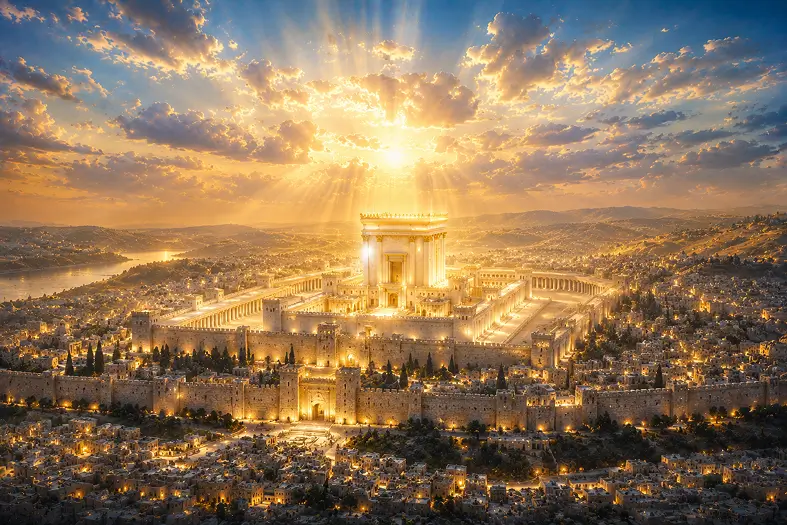
Sefer Shemos does not conclude with the Exodus from Egypt, the splitting of the sea, or even the revelation at Har Sinai. Instead, the Torah ends with a quieter yet overwhelming moment: the cloud of the Divine Presence descending upon the Mishkan. The final verses of the book describe the moment when the sanctuary stands completed and the cloud descends: “וַיְכַס הֶעָנָן אֶת אֹהֶל מוֹעֵד וּכְבוֹד ה׳ מָלֵא אֶת הַמִּשְׁכָּן” — “the cloud covered the Tent of Meeting and the glory of Hashem filled the Mishkan” (שמות מ׳:ל״ד). The narrative that began with oppression and exile now culminates with the Divine Presence dwelling among Israel. Redemption is therefore not defined merely by liberation from slavery, but by the transformation of a people and a society into a place where the Shechinah can dwell.
The Ramban offers a profound insight into this conclusion. In his introduction to the Mishkan narrative (רמב״ן שמות כ״ה:א), he explains that the sanctuary represents a continuation of the revelation at Har Sinai. The same Divine Presence that descended upon the mountain now rests within the camp of Israel. In this sense, the Mishkan becomes what the Ramban calls a “portable Sinai,” allowing the covenantal encounter between Hashem and Israel to remain present within the daily life of the nation. The closing chapters of Sefer Shemos therefore describe far more than the construction of a sacred building. They describe the rebuilding of a world. After the moral collapse of the Golden Calf, the Torah shows how a fractured nation can reorganize its life around integrity, discipline, generosity, and purpose until it becomes capable once again of hosting the Divine Presence.
Part I — From Liberation to Divine Presence
Redemption Was Never Only Political
When Hashem first reveals Himself to Moshe at the burning bush, the purpose of the Exodus is already clearly defined. Hashem tells Moshe: “כִּי אֶהְיֶה עִמָּךְ… בְּהוֹצִיאֲךָ אֶת הָעָם מִמִּצְרַיִם תַּעַבְדוּן אֶת הָאֱלֹקִים עַל הָהָר הַזֶּה” — “When you bring the people out of Egypt, you shall serve G-d upon this mountain” (שמות ג׳:י״ב). The Torah therefore frames redemption not merely as an escape from oppression but as a movement toward divine service. The Exodus is only the first stage of a much larger transformation. Liberation removes the chains of slavery, but the goal of that liberation is the creation of a covenantal relationship between Israel and Hashem.
This idea is articulated with great clarity by the Rambam. In the Moreh Nevuchim (III:32), the Rambam explains that the Torah’s commandments guide humanity toward a life ordered around the knowledge and service of Hashem. Freedom is therefore not an end in itself. Rather, freedom creates the conditions in which human beings can cultivate spiritual awareness, moral discipline, and devotion to the Divine. Without liberation from Egypt, the people of Israel could not receive the Torah, build the Mishkan, or develop the structures of sacred life that allow a society to live in the presence of Hashem.
A similar insight is emphasized in the writings of Rabbi Jonathan Sacks. Rabbi Sacks repeatedly distinguished between two different kinds of freedom: freedom from oppression and freedom for responsibility. The Exodus provides the first kind of freedom — liberation from tyranny. But the Torah immediately directs that freedom toward a higher purpose: the creation of a covenantal society guided by divine law. Freedom without purpose easily dissolves into chaos or self-indulgence, but freedom directed toward covenant becomes the foundation of a moral and spiritual civilization.
Seen in this light, the Mishkan represents the true fulfillment of redemption. The Exodus removed Israel from the house of bondage, but the Mishkan creates a center around which the newly liberated nation can organize its life in service of Hashem. Freedom now becomes directed toward sacred purpose. The sanctuary therefore stands not merely as a religious structure in the wilderness, but as the embodiment of a deeper truth: the journey from Egypt was always meant to lead toward a life ordered around covenant, responsibility, and the presence of the Divine.
Part II — The Mishkan as the Repair of the Golden Calf
The Same Gold — Two Outcomes
One of the most striking literary patterns in Sefer Shemos emerges when the narrative of the Golden Calf is placed beside the narrative of the Mishkan donations. Both stories revolve around the same material — gold — and both involve the enthusiastic participation of the entire nation. Yet the outcomes could not be more different. In the episode of the Golden Calf, Aaron instructs the people: “פָּרְקוּ נִזְמֵי הַזָּהָב” — “Remove the golden rings” (שמות ל״ב:ב–ג). The people respond immediately, rushing to contribute their jewelry, and the gold is transformed into an idol. The energy of the nation erupts with religious enthusiasm, but without structure or guidance that enthusiasm leads to catastrophe.
When the Torah later describes the construction of the Mishkan, the language changes in subtle but meaningful ways. Moshe does not command the people to surrender their gold; instead he invites voluntary participation: “כָּל נְדִיב לִבּוֹ יְבִיאֶהָ” — “Everyone whose heart is generous shall bring it” (שמות ל״ה:ה). The Torah emphasizes that the giving flows from the inner movement of the heart. Shortly afterward the text adds: “וַיָּבֹאוּ כָּל אִישׁ אֲשֶׁר נְשָׂאוֹ לִבּוֹ” — “Everyone whose heart lifted him came” (שמות ל״ה:כ״א). The same gold that once produced idolatry now becomes the raw material from which the Ark, the Menorah, and the vessels of the sanctuary are fashioned. The Torah deliberately places these two narratives in dialogue with one another to demonstrate that the difference between idolatry and holiness does not lie in the material itself but in the way human passion is directed.
Midrash Tanchuma makes this connection explicit. Commenting on the opening of Parshas Pekudei, the Midrash explains that the Mishkan was given as a form of atonement for the sin of the Golden Calf (מדרש תנחומא פקודי ב). The sanctuary becomes the spiritual repair of the earlier failure. The same people who once misused their wealth to create an idol now bring those same materials in order to build a dwelling place for the Divine Presence.
The Ramban deepens this insight when discussing the donations of Vayakhel. He explains that the materials given for the Mishkan are not merely physical resources but expressions of the nation’s renewed devotion (רמב״ן שמות ל״ה). The gold that once symbolized spiritual confusion is now transformed into vessels that serve the worship of Hashem. What has changed is not the people’s passion, but the direction of that passion. Religious longing, when guided by divine command, becomes the foundation of holiness rather than its distortion.
The Torah therefore teaches a profound lesson about human nature. The goal of the covenant is not to suppress religious energy or emotional longing for the Divine. Instead, the Torah channels those powerful impulses into disciplined forms of service. The same human passion that once produced the Golden Calf now builds the Mishkan. When guided by mitzvos and covenantal structure, the energies of the human heart become the very forces through which holiness enters the world.
Part III — The Transformation of the Human Heart
From Generosity to Discipline
The narrative of the Mishkan does not begin with architecture or craftsmanship. Instead, the Torah begins with the transformation of the human heart. The first stage of the sanctuary’s construction emerges through what the Torah repeatedly calls נדיב לב — the generous heart. Moshe announces to the people: “כָּל נְדִיב לִבּוֹ יְבִיאֶהָ” — “Everyone whose heart is generous shall bring it” (שמות ל״ה:ה). The Torah immediately emphasizes that this generosity arises internally: “וַיָּבֹאוּ כָּל אִישׁ אֲשֶׁר נְשָׂאוֹ לִבּוֹ” — “Everyone whose heart lifted him came” (שמות ל״ה:כ״א). Unlike the episode of the Golden Calf, where the people acted impulsively and under pressure, the donations for the Mishkan flow from voluntary commitment. The Sforno explains that this phrase describes individuals whose inner devotion motivated them to participate in the sacred task without coercion (ספורנו שמות ל״ה:כ״א). The sanctuary is therefore built not through taxation or obligation but through awakened hearts.
Yet generosity alone cannot build the Mishkan. Immediately after describing the donations, the Torah introduces a second category of participants: those described as חכם לב — wise-hearted. Moshe calls upon the people: “וְכָל חֲכַם לֵב בָּכֶם יָבֹאוּ וְיַעֲשׂוּ” — “Every wise-hearted person among you shall come and perform the work” (שמות ל״ה:י). The construction of the sanctuary requires skill, knowledge, and craftsmanship. The artisans who build the Mishkan are not merely laborers; they are individuals endowed with wisdom capable of transforming raw materials into vessels of sacred service. The Torah thus elevates craftsmanship into a form of spiritual expression. Holiness is not only born from generosity but also from disciplined human creativity.
The narrative then reaches a surprising turning point. As the people continue bringing materials for the Mishkan, the artisans approach Moshe with an unexpected message: the donations have become excessive. The Torah records their report: “מַרְבִּים הָעָם לְהָבִיא” — “The people are bringing too much” (שמות ל״ו:ה). Moshe therefore issues a proclamation throughout the camp instructing the people to stop bringing further contributions, and the Torah concludes: “וַיִּכָּלֵא הָעָם מֵהָבִיא” — “The people were restrained from bringing” (שמות ל״ו:ו–ז). The Ramban notes that this moment reveals the extraordinary devotion of the people: their generosity was so great that it exceeded the needs of the sanctuary itself (רמב״ן שמות ל״ו). Yet the Torah emphasizes that Moshe deliberately imposes limits. Even sacred enthusiasm must remain within appropriate boundaries.
This progression reveals a remarkable spiritual pattern embedded within the narrative. The Mishkan is built through three stages of the human heart. First comes the generous heart, awakened by inspiration. Next comes the wise heart, guided by knowledge and skill. Finally comes the restrained heart, which recognizes that holiness requires discipline as well as passion. Inspiration begins the work, wisdom shapes it, and restraint preserves its sanctity. Only when all three qualities operate together can the materials of the world be transformed into a dwelling place for the Divine Presence.
Part IV — The Seven Transformations of the Heart
The Spiritual Architecture of נדיב לב
An observation can be made regarding the repeated use of the word לב — “heart” throughout the Mishkan narrative. From the moment Moshe invites the nation to contribute materials for the sanctuary, the Torah repeatedly describes the participants not primarily in terms of wealth, social status, or technical ability, but in terms of the state of their hearts. The repeated language suggests that the Torah is quietly describing a spiritual progression within the nation itself. Before the Mishkan is constructed from gold, wood, and fabrics, it is first constructed through the transformation of human hearts.
The first stage appears when Moshe invites participation in the project: “כָּל נְדִיב לִבּוֹ יְבִיאֶהָ” — “Everyone whose heart is generous shall bring it” (שמות ל״ה:ה). Here the Torah introduces the נדיב לב, the generous heart that willingly offers its resources for sacred purposes. The sanctuary begins with generosity, an inner willingness to contribute toward the creation of holiness.
The second stage describes how that generosity becomes active participation. The Torah records: “וַיָּבֹאוּ כָּל אִישׁ אֲשֶׁר נְשָׂאוֹ לִבּוֹ” — “Everyone whose heart lifted him came” (שמות ל״ה:כ״א). The language of נשאו לבו suggests a heart that is elevated or moved to action. Inspiration does not remain merely an inner feeling; it becomes concrete involvement in building the sanctuary.
The narrative then introduces a third transformation: the חכם לב, the wise heart. Moshe declares: “וְכָל חֲכַם לֵב בָּכֶם יָבֹאוּ וְיַעֲשׂוּ” — “Every wise-hearted person among you shall come and perform the work” (שמות ל״ה:י). Holiness now requires more than enthusiasm; it requires knowledge, skill, and disciplined craftsmanship capable of shaping the materials of the Mishkan.
The Torah expands this theme further by highlighting the participation of women whose craftsmanship contributes to the construction of the sanctuary: “וְכָל אִשָּׁה חַכְמַת לֵב בְּיָדֶיהָ טָוּ” — “Every wise-hearted woman spun with her hands” (שמות ל״ה:כ״ה). The phrase חכמת לב emphasizes that the wisdom of the heart is not limited to a small group of artisans but emerges throughout the community. The building of holiness becomes a collective act.
A fifth stage appears when the Torah describes the artisans themselves as having been filled with wisdom of heart: “מִלֵּא אֹתָם חָכְמַת לֵב” — “He filled them with wisdom of heart” (שמות ל״ה:ל״ה). At this stage the transformation of the heart becomes not only human initiative but also divine empowerment. The talents of the artisans are understood as gifts placed within them by Hashem in order to enable the sacred work.
The sixth stage further deepens this idea when the Torah describes the craftsmen who undertake the construction of the Mishkan as those in whom Hashem placed “חָכְמָה וּתְבוּנָה” — wisdom and understanding (שמות ל״ו:א). The work of building the sanctuary becomes an act of disciplined creative intelligence, guided by divine inspiration.
Finally, the progression reaches its surprising conclusion when Moshe halts the donations: “וַיִּכָּלֵא הָעָם מֵהָבִיא” — “The people were restrained from bringing” (שמות ל״ו:ז). The final transformation of the heart is restraint. The generosity of the people becomes so abundant that it must be limited in order to preserve the balance and order of the sacred project.
Seen together, these seven moments form a remarkable spiritual progression. The Mishkan narrative traces the movement of the heart from generosity, to inspiration, to wisdom, to communal participation, to divine empowerment, to disciplined craftsmanship, and finally to restraint. The sanctuary is therefore not built merely from transformed materials but from transformed hearts. Only after the inner life of the nation has been reshaped can the physical structure of the Mishkan emerge as a dwelling place for the Divine Presence.
Part V — The Women Who Repaired the Nation
Faithful Hearts in the Work of Redemption
An often overlooked feature of the Mishkan narrative is the prominent role played by the women of Israel. Their participation is not incidental but forms an important part of the spiritual repair that follows the sin of the Golden Calf. When the earlier episode of the Calf begins, Aaron instructs the people: “פָּרְקוּ נִזְמֵי הַזָּהָב אֲשֶׁר בְּאָזְנֵי נְשֵׁיכֶם” — “Remove the golden rings that are in the ears of your wives” (שמות ל״ב:ב–ג). Yet the Midrash records that the women did not cooperate with this request. According to Midrash Tanchuma (תנחומא פקודי ט), the women refused to surrender their jewelry for the creation of the idol. While the men participated in the misguided enthusiasm that produced the Golden Calf, the women maintained their loyalty to the covenant.
When the Torah later describes the donations for the Mishkan, the narrative emphasizes the participation of the women with striking frequency. The Torah records: “וַיָּבֹאוּ הָאֲנָשִׁים עַל הַנָּשִׁים” — “The men came together with the women” (שמות ל״ה:כ״ב), suggesting that the women were among the earliest and most enthusiastic contributors. Soon afterward the Torah highlights their craftsmanship: “וְכָל אִשָּׁה חַכְמַת לֵב בְּיָדֶיהָ טָוּ” — “Every wise-hearted woman spun with her hands” (שמות ל״ה:כ״ה). The text then repeats the theme: “וְכָל הַנָּשִׁים אֲשֶׁר נָשָׂא לִבָּן אֹתָנָה” — “All the women whose hearts inspired them did the spinning” (שמות ל״ה:כ״ו). The Torah thus emphasizes that the building of the sanctuary depended not only on the generosity of donors and the skill of artisans but also on the faithful participation of the women of Israel.
The most remarkable example of this contribution appears in the construction of the laver used by the Kohanim. The Torah records that the basin was fashioned “מִמַּרְאֹת הַצֹּבְאֹת” — from the mirrors donated by the women (שמות ל״ח:ח). Rashi explains that Moshe initially hesitated to accept these mirrors because they were associated with physical appearance and personal adornment (רש״י שמות ל״ח:ח). Yet Hashem responded that these mirrors were precious, for they had played a vital role during the years of slavery in Egypt. The women used them to encourage their husbands and sustain family life, ensuring the survival and future of the Jewish people even under oppression. What might appear superficially as instruments of vanity were in fact instruments of hope and continuity.
The transformation of these mirrors into the laver used for ritual purification carries profound symbolism. Objects once connected with personal reflection and physical beauty become vessels through which the Kohanim prepare themselves for sacred service. The same instruments that helped preserve Jewish life in Egypt now become instruments of spiritual purification within the Mishkan.
Through this narrative the Torah reveals an important dimension of the nation’s spiritual renewal. The women who refused to participate in the corruption of the Golden Calf later emerge as central participants in the construction of the Mishkan. Their steadfastness during the earlier crisis becomes the foundation for their leadership in rebuilding holiness. The same faithful hearts that resisted corruption now help construct the sanctuary where the Divine Presence will dwell among Israel.
Part VI — Betzalel and the Wisdom of Creation
The Spirit of Divine Creativity
As the Mishkan narrative progresses, the Torah introduces the individual who will lead the sacred work: Betzalel ben Uri of the tribe of Yehudah. When describing his appointment, the Torah uses remarkable language: “וַיְמַלֵּא אֹתוֹ רוּחַ אֱלֹקִים בְּחָכְמָה בִּתְבוּנָה וּבְדַעַת” — “He filled him with the spirit of G-d, with wisdom, with understanding, and with knowledge” (שמות ל״ה:ל״א). The three terms that define Betzalel’s ability — חכמה, תבונה, דעת — describe not merely technical skill but a profound form of creative wisdom. The Torah presents Betzalel not simply as an artisan but as someone endowed with a form of insight that reflects the creative wisdom through which the world itself was formed.
This language recalls a striking passage in the book of Mishlei describing the creation of the universe: “ה׳ בְּחָכְמָה יָסַד אָרֶץ כּוֹנֵן שָׁמַיִם בִּתְבוּנָה בְּדַעְתּוֹ תְּהוֹמוֹת נִבְקָעוּ” — “Hashem founded the earth with wisdom, established the heavens with understanding, and by His knowledge the depths were split” (משלי ג׳:י״ט–כ׳). The identical triad — wisdom, understanding, and knowledge — appears in both descriptions. The Torah therefore hints that the construction of the Mishkan mirrors, in a limited human form, the creative process through which the universe itself came into existence.
The Midrash develops this idea even further. Bereshis Rabbah teaches that Betzalel possessed an extraordinary understanding of the inner structure of creation. According to the Midrash, he knew how to combine the letters through which heaven and earth were created (בראשית רבה א). In other words, Betzalel did not merely assemble physical materials; he grasped the deeper harmony and order embedded within the world. This insight allowed him to construct a sanctuary whose design reflected the divine order present in creation itself.
Even Betzalel’s name carries symbolic significance. The name בְּצַלְאֵל can be understood as “בצל־אל” — “in the shadow of G-d.” The builder of the Mishkan works not independently but within the pattern established by the Divine Creator. Betzalel’s craftsmanship reveals the design that Hashem has already woven into the fabric of the universe. His role is therefore not to invent holiness but to reveal it.
Through Betzalel the Torah presents a profound vision of human creativity. The construction of the Mishkan becomes an act in which human skill participates in the divine order of creation. The artisan who builds the sanctuary becomes, in a limited but meaningful sense, a partner in the work of creation itself, shaping a sacred space that reflects the harmony and wisdom through which the world was originally formed.
Part VII — The Mishkan as a Second Creation
The Sanctuary and the Structure of the Universe
The Torah’s description of the Mishkan does not merely record the construction of a sacred building. Many classical commentators recognize that the narrative intentionally mirrors the structure of the creation of the world itself. The Ramban notes that the Mishkan represents a continuation of the revelation that began at Sinai and serves as the place where the Divine Presence dwells among Israel (רמב״ן שמות כ״ה). In this sense, the sanctuary becomes a miniature world — a sacred environment in which the relationship between the Creator and His people continues to unfold.
Midrash Tanchuma hints at this deeper relationship when discussing the completion of the Mishkan. The Midrash observes that the language used to describe the construction of the sanctuary echoes the language used in the creation narrative (תנחומא פקודי). The Torah appears to structure the Mishkan narrative according to a sequence that parallels the stages of creation. This literary pattern suggests that the building of the sanctuary represents a symbolic recreation of the world — a restoration of harmony between the Divine Presence and human life after the disruption caused by the sin of the Golden Calf.
The parallels become clearer when the narratives are compared side by side. In the story of creation, the process begins with divine command: “וַיֹּאמֶר אֱלֹקִים” — “G-d said.” The Mishkan narrative likewise begins with divine instruction as Hashem commands Moshe regarding the construction of the sanctuary. Creation then proceeds through acts of creative work, while the Mishkan narrative describes the artisans carrying out the construction of the sacred vessels and structure.
Both narratives culminate with language of completion. At the end of creation the Torah declares: “וַיְכֻלּוּ הַשָּׁמַיִם וְהָאָרֶץ” — “The heavens and the earth were completed.” Similarly, when the Mishkan is finished the Torah states: “וַתֵּכֶל כָּל עֲבֹדַת מִשְׁכַּן” — “All the work of the Mishkan was completed.” After the completion of creation the Torah records that Hashem sees the work that has been done. In the Mishkan narrative, Moshe likewise examines the finished work: “וַיַּרְא מֹשֶׁה אֶת כָּל הַמְּלָאכָה” (שמות ל״ט:מ״ג).
The parallels continue even further. After creation the Torah records divine blessing, while in the Mishkan narrative Moshe blesses the people who completed the work: “וַיְבָרֶךְ אֹתָם מֹשֶׁה.” Finally, just as creation culminates in the sanctification of the world by the Divine Presence, the Mishkan narrative concludes with the moment when “וּכְבוֹד ה׳ מָלֵא אֶת הַמִּשְׁכָּן” — “the glory of Hashem filled the Mishkan” (שמות מ׳:ל״ד).
The Zohar hints at this cosmic symbolism when it describes the sanctuary as reflecting the structure of the universe itself (זוהר חלק ב׳ קס״א א). The Mishkan becomes a microcosm of creation, a sacred space in which the harmony of the universe is symbolically restored. Through the sanctuary, the Torah teaches that the purpose of redemption is not merely to rescue a people from oppression but to rebuild a world in which the Divine Presence can once again dwell among humanity.
Part VIII — Seven Stages of Sacred Construction
The Mishkan and the Seven Days of Creation
A profound literary symmetry appears to emerge when the stages of the Mishkan’s construction are compared with the structure of the seven days of creation described in Sefer Bereishis. While the Torah does not state this parallel explicitly, the sequence of the Mishkan narrative, together with the themes of its various components, suggests a remarkable pattern. The sanctuary appears to reflect the ordered unfolding of creation itself. In this way the Mishkan can be understood not merely as a sacred structure within the world but as a symbolic microcosm of the world’s creation.
The first day of creation introduces light into the universe: “יְהִי אוֹר” (בראשית א׳:ג). A corresponding element appears in the Mishkan through the Menorah, the primary source of light within the sanctuary. The Menorah represents illumination within sacred space, echoing the introduction of light that begins the process of creation.
On the second day of creation, the Torah describes the separation of the waters and the formation of the firmament that divides the heavens from the earth (בראשית א׳:ו–ח). In the Mishkan narrative, a similar concept of separation appears through the curtains and coverings that divide different areas of the sanctuary. These curtains distinguish between the outer courtyard, the sanctuary, and the Holy of Holies, creating boundaries between levels of holiness.
The third day of creation brings forth dry land and vegetation (בראשית א׳:ט–י״ג), establishing a stable physical foundation for life. In the Mishkan, this stage finds a parallel in the structural boards and framework of the sanctuary. These beams and foundations create the physical stability upon which the entire structure rests.
The fourth day of creation introduces the luminaries of the heavens — the sun, moon, and stars — which organize the rhythms of time and light (בראשית א׳:י״ד–י״ט). In the Mishkan narrative this ordered illumination finds an echo in the golden vessels of the sanctuary, including the Menorah, the Shulchan, and the Mizbeach HaZahav. These vessels establish the ordered rhythm of sacred service within the sanctuary.
The fifth day of creation fills the world with living creatures that move through the seas and skies (בראשית א׳:כ׳–כ״ג). In the Mishkan, a parallel appears through the garments of the Kohanim, which give life and movement to the sanctuary service. Without the Kohanim performing the rituals of the Mishkan, the sanctuary would remain an empty structure.
The sixth day of creation culminates with the creation of humanity (בראשית א׳:כ״ד–ל״א). Humanity becomes the conscious participant within the created world. In the Mishkan narrative this stage is mirrored by the avodah, the sacred service carried out by the Kohanim and the people of Israel. Human beings now actively participate in maintaining the covenantal relationship with Hashem.
Finally, the seventh day of creation concludes with Shabbos, when the Divine Presence sanctifies the completed world (בראשית ב׳:א–ג). The Mishkan narrative ends in a similar manner when the cloud of the Shechinah descends upon the completed sanctuary: “וּכְבוֹד ה׳ מָלֵא אֶת הַמִּשְׁכָּן” (שמות מ׳:ל״ד). Just as creation culminates with divine rest within the world, the Mishkan culminates with the Divine Presence dwelling within the sanctuary.
Seen through this lens, the Mishkan reflects the structure of creation itself. The sanctuary becomes a miniature universe — a sacred environment that mirrors the ordered harmony through which Hashem brought the world into existence. The Torah thus presents the Mishkan as more than a physical structure; it becomes a symbolic reconstruction of the cosmos, a place where creation itself is renewed through the presence of the Divine.
Part IX — The Hidden Chiastic Structure of Vayakhel–Pekudei
The Center of the Narrative
Another literary pattern appears to emerge when the broader narrative of Vayakhel–Pekudei is examined carefully. It seems apparent that the Torah arranges the story through a mirrored or chiastic structure, a pattern in which themes move inward toward a central point and then reverse in the same order. Such structures appear elsewhere in the Torah and often highlight the central idea the text wishes to emphasize. When the Mishkan narrative is viewed through this lens, a remarkable symmetry becomes visible.
The narrative begins with the gathering of the nation. Moshe assembles the entire people: “וַיַּקְהֵל מֹשֶׁה אֶת כָּל עֲדַת בְּנֵי יִשְׂרָאֵל” (שמות ל״ה:א). The formation of the community stands at the opening of the story. Immediately afterward the Torah introduces the commandment of Shabbos (שמות ל״ה:ב–ג), establishing the framework of sacred time that must guide all creative work.
The narrative then moves into the description of the donations brought by the people. Gold, silver, copper, fabrics, and other materials are contributed through the generosity of the nation (שמות ל״ה:ד–כ״ט). Following this, the Torah introduces the craftsmen appointed to build the sanctuary, particularly Betzalel and Oholiav, whose wisdom and skill enable the construction of the Mishkan (שמות ל״ה:ל–ל״ה).
At this point the narrative reaches a striking turning point. The craftsmen report to Moshe that the people are bringing more materials than are necessary for the work. Moshe therefore proclaims throughout the camp that the people should cease bringing further donations, and the Torah records: “וַיִּכָּלֵא הָעָם מֵהָבִיא” — “The people were restrained from bringing” (שמות ל״ו:ז). This moment appears to stand at the center of the entire narrative.
From here the structure seems to reverse. The craftsmen continue the construction of the Mishkan and its vessels (שמות ל״ו–ל״ט), corresponding to the earlier introduction of the artisans. The materials that were brought by the people are now assembled and incorporated into the structure of the sanctuary, mirroring the earlier stage of donations. The framework of sacred time also reappears indirectly through the language that echoes the completion of creation and the sanctity associated with Shabbos. Finally, the narrative culminates with the ultimate parallel to the opening scene of the gathered nation: the Divine Presence descends to dwell among them, as the Torah declares, “וּכְבוֹד ה׳ מָלֵא אֶת הַמִּשְׁכָּן” (שמות מ׳:ל״ד).
Seen in this way, the structure of the narrative forms a symmetrical pattern:
- A — Gathering of the people: “וַיַּקְהֵל מֹשֶׁה”
- B — The commandment of Shabbos
- C — Donations of the people
- D — Appointment of the craftsmen
- E — Center: “וַיִּכָּלֵא הָעָם מֵהָבִיא” — the people are restrained
- D′ — Craftsmen build the sanctuary
- C′ — Materials become the Mishkan
- B′ — Sacred time frames the sanctuary
- A′ — The Divine Presence fills the Mishkan
If this literary symmetry is intentional, it reveals a profound message about the Mishkan narrative. The center of the entire structure is the moment when Moshe restrains the people from bringing more donations. The Torah therefore places the concept of restraint at the heart of the story. Holiness does not arise merely from enthusiasm or generosity. The Mishkan is built not only through passion but through disciplined limits. By placing this moment at the center of the narrative, the Torah teaches that sacred life requires not only inspiration and devotion but also the wisdom to know when to stop.
Part X — Why Shabbos Comes Before the Mishkan
Sacred Time Before Sacred Space
Before the Torah begins describing the materials and construction of the Mishkan, Moshe gathers the nation and immediately introduces a commandment that at first glance appears unrelated to the building project. He declares: “שֵׁשֶׁת יָמִים תֵּעָשֶׂה מְלָאכָה וּבַיּוֹם הַשְּׁבִיעִי יִהְיֶה לָכֶם קֹדֶשׁ שַׁבַּת שַׁבָּתוֹן לַה׳… לֹא תְבַעֲרוּ אֵשׁ בְּכֹל מֹשְׁבֹתֵיכֶם בְּיוֹם הַשַּׁבָּת” — “Six days work may be done, but the seventh day shall be holy for you, a Sabbath of complete rest to Hashem… You shall not kindle fire in any of your dwellings on the day of Shabbos” (שמות ל״ה:ב–ג). Only after establishing the laws of Shabbos does Moshe proceed to instruct the people regarding the donations and construction of the Mishkan.
Rashi explains that the Torah deliberately places the commandment of Shabbos before the instructions for building the sanctuary in order to teach a crucial principle: the construction of the Mishkan does not override the sanctity of Shabbos (רש״י שמות ל״ה:ב). Even the most sacred project in the life of the nation — the building of the dwelling place of the Divine Presence — must pause when the seventh day arrives. The holiness of Shabbos governs and limits even the work performed for the sake of the sanctuary.
Beyond the halachic principle, the placement of Shabbos at the beginning of the Mishkan narrative carries a deeper symbolic meaning. In the story of creation in Sefer Bereishis, the formation of the world unfolds through six days of creative activity and culminates with the sanctification of Shabbos (בראשית ב׳:א–ג). The completion of creation is therefore marked not by the final act of work but by the establishment of sacred time.
The Mishkan narrative reflects this same pattern. Just as the story of creation concludes with Shabbos, the story of the Mishkan begins with Shabbos. The Torah signals that the construction of the sanctuary represents a continuation of the creative process that began at the beginning of the world. Before Israel can build a sacred space where the Divine Presence will dwell, they must first recognize the sanctity of sacred time. Shabbos establishes the rhythm through which human creativity remains aligned with the divine order of creation.
The Torah therefore teaches that holiness is not created through buildings alone. Sacred space can only emerge within a life shaped by sacred time. By placing Shabbos before the Mishkan, the Torah reminds the nation that the rhythm of covenantal life — work, restraint, and rest — must govern even the most sacred human endeavors.
Part XI — The Conditions for the Shechinah
When Human Society Becomes a Dwelling Place for the Divine
As the narrative of Vayakhel–Pekudei unfolds, the Torah gradually reveals the conditions that allow the Divine Presence to dwell among Israel. The descent of the cloud upon the completed Mishkan does not occur suddenly or arbitrarily. Rather, it follows a long process in which the nation organizes its life around a set of spiritual and moral principles. When these elements come together, the sanctuary becomes capable of hosting the Shechinah.
The first of these conditions is communal unity. The Mishkan narrative begins with the gathering of the people: “וַיַּקְהֵל מֹשֶׁה” (שמות ל״ה:א). The sanctuary is not built by isolated individuals but by a community acting together. The presence of Hashem rests not in fragmentation but in collective purpose.
The second condition is sacred time. Before the people begin constructing the Mishkan, the Torah establishes the sanctity of Shabbos (שמות ל״ה:ב–ג). By placing Shabbos at the beginning of the narrative, the Torah teaches that sacred space must emerge within a life already shaped by sacred rhythms. The covenantal society organizes its creativity around the discipline of sacred time.
A third condition is disciplined generosity. The donations of the Mishkan arise from the נדיב לב — the generous heart (שמות ל״ה:ה), yet the Torah also records the moment when Moshe restrains the people from bringing more contributions: “וַיִּכָּלֵא הָעָם מֵהָבִיא” (שמות ל״ו:ז). The sanctuary is built not merely through enthusiasm but through generosity guided by restraint.
A fourth element is wise craftsmanship. The work of the Mishkan depends upon individuals described as חכם לב — wise-hearted artisans endowed with wisdom, understanding, and knowledge (שמות ל״ה:ל״א). The sanctuary therefore emerges through the disciplined application of human skill and creativity.
Another condition is moral accountability. The opening verses of Parshas Pekudei carefully record the accounting of the Mishkan’s materials (שמות ל״ח:כ״א). Even Moshe Rabbeinu presents a transparent report of the resources entrusted to him. Holiness requires integrity and responsibility in the management of communal resources.
Finally, the Mishkan narrative emphasizes reverence for Hashem. When the sanctuary is completed and the cloud of the Divine Presence descends, the Torah records that even Moshe cannot immediately enter the Mishkan because the cloud rests upon it (שמות מ׳:ל״ה). The presence of Hashem brings intimacy with the Divine, but it also preserves the awe and humility that must accompany sacred life.
When these elements converge — unity, sacred time, disciplined generosity, skilled creativity, moral accountability, and reverence — the Mishkan becomes capable of hosting the Shechinah. Rav Kook describes this principle in his writings on holiness, explaining that divine presence emerges when human society reflects the harmony and order of the divine will (רב קוק, אורות הקודש). Holiness therefore does not appear through isolated spiritual experiences alone. It arises when the structures of human life themselves become aligned with the values of the covenant.
The Mishkan thus reveals a profound truth about the nature of divine presence. The Shechinah does not dwell only within sacred buildings. It dwells within communities that organize their lives around integrity, wisdom, generosity, and devotion to Hashem. When a society reflects that divine order, the world itself becomes capable of hosting the presence of the Divine.
Application for Today — תִּיקּוּן עוֹלָם In Our Communities
The closing chapters of Sefer Shemos do not present the Mishkan merely as an ancient sanctuary built in the wilderness. Instead, the Torah offers the Mishkan as a model for how human life can be organized so that the Divine Presence may dwell within it. The lessons embedded in the narrative of Vayakhel–Pekudei remain deeply relevant for individuals and communities seeking to live with spiritual purpose in every generation.
Integrity Builds Trust
Parshas Pekudei opens with a detailed accounting of the materials used in constructing the Mishkan: “אֵלֶּה פְקוּדֵי הַמִּשְׁכָּן” — “These are the accounts of the Mishkan” (שמות ל״ח:כ״א). The Torah carefully lists the quantities of gold, silver, and copper that were donated and used in the sanctuary. This moment is striking because the accounting is presented by Moshe Rabbeinu himself, the most trusted leader in Jewish history. Yet the Torah demonstrates that even the greatest spiritual authority must maintain transparency when managing communal resources.
The lesson is clear. Trust within a community does not emerge automatically; it is built through integrity and accountability. Institutions that aspire to holiness must cultivate ethical responsibility in leadership, ensuring that those entrusted with authority act with honesty and openness. In this way, integrity becomes the first vessel capable of holding the presence of the Divine.
Discipline Directs Passion
The contrast between the Golden Calf and the Mishkan reveals how religious passion can lead in two very different directions. In the episode of the Golden Calf, the people’s enthusiasm produces chaos and idolatry. Gold is gathered quickly, and the people’s spiritual longing becomes misdirected (שמות ל״ב:ב–ד). In the Mishkan narrative, however, the same gold becomes the material used to construct the Ark, the Menorah, and the sacred vessels of the sanctuary (שמות ל״ה:ה).
The difference lies in discipline. The Mishkan is built only after the Torah establishes the framework of Shabbos, communal responsibility, and divine command. Passion alone can lead to confusion, but passion guided by covenantal discipline becomes the foundation of holiness. Modern life often celebrates spontaneity and emotional intensity, yet the Torah teaches that enduring spiritual life requires structure, boundaries, and commitment.
Sacred Work Requires Excellence
The Torah describes the artisans of the Mishkan as individuals endowed with “חכמה תבונה ודעת” — wisdom, understanding, and knowledge (שמות ל״ה:ל״א). Betzalel and the other craftsmen are not simply laborers performing mechanical tasks. They are individuals whose creativity and technical mastery become forms of divine service.
This vision elevates the dignity of human work. Professional skill, artistic creativity, and intellectual excellence are not separate from spiritual life; they can become vehicles through which holiness enters the world. The Mishkan teaches that sacred work requires dedication, precision, and craftsmanship. When individuals bring their talents to serve a higher purpose, their labor becomes part of the sacred architecture of the community.
Communities Must Be Built Intentionally
The Mishkan does not emerge spontaneously. It is built through coordinated effort: generous donors contribute materials, wise artisans construct the sanctuary, and leaders guide the process with responsibility and integrity. Each group plays a distinct role in creating the environment where the Divine Presence can dwell.
This model offers a powerful lesson for modern communities. Healthy societies are not accidental. They must be built intentionally through cooperation, shared responsibility, and a commitment to common values. The Mishkan represents a covenantal society in which individuals align their talents and resources toward a shared spiritual purpose.
Freedom Carries Responsibility
The entire narrative of Sefer Shemos reveals that redemption is not complete with liberation from oppression. When Hashem first speaks to Moshe at the burning bush, He declares that the people will serve Him upon the mountain (שמות ג׳:י״ב). The Exodus therefore leads toward covenant, responsibility, and service.
The Mishkan represents the fulfillment of that journey. A people once enslaved now organizes its freedom around divine purpose. The sanctuary becomes the center of a society committed to justice, generosity, discipline, and reverence for Hashem. Freedom is thus revealed not merely as release from constraint but as the opportunity to build a life that reflects divine values.
The final chapters of Sefer Shemos therefore present a timeless challenge. Every generation must ask whether it is capable of creating the conditions in which the Shechinah can dwell. When communities cultivate integrity, discipline, excellence, and shared responsibility, they participate in the same sacred work begun in the wilderness — through these middos, communities can build institutions and societies that reflect the values of the covenant with Hashem and sustain a life of spiritual purpose.
Closing — A World Where the Shechinah Can Dwell
With the completion of the Mishkan, the great narrative that began with slavery in Egypt now reaches its true conclusion. The final image of Sefer Shemos is therefore not a building but a relationship restored. A nation once enslaved has learned to organize its freedom around covenant, discipline, and responsibility until the Divine Presence once again rests among them. The cloud that fills the Mishkan signals that the work of redemption has reached its purpose: not merely liberation from Egypt, but the creation of a society capable of reflecting the presence of Hashem within human life. As the Ramban explains (רמב״ן שמות כ״ה:א), the Mishkan extends the revelation of Sinai into the daily life of Israel, allowing the encounter with Hashem to continue within the camp itself. In this way, the book that began with human suffering concludes with the possibility that human life can become a dwelling place for holiness. When a community lives with integrity, generosity, wisdom, and disciplined devotion, the Mishkan is no longer only a sanctuary in the wilderness — it becomes the Torah’s vision of a world rebuilt, a world prepared once again for the dwelling of the Shechinah among humanity, echoing the moment when the cloud first descended and “וּכְבוֹד ה׳ מָלֵא אֶת הַמִּשְׁכָּן.”